6 Effects That Decorative Plaster Can Create
Not everyone knows that decorative plasters are not only "Venetian plaster". There are many types of plaster, and by varying the base layers and application methods, completely different effects can be achieved. Not only visual, but also acoustic – some types of plaster have sound-absorbing properties.
1. Wood
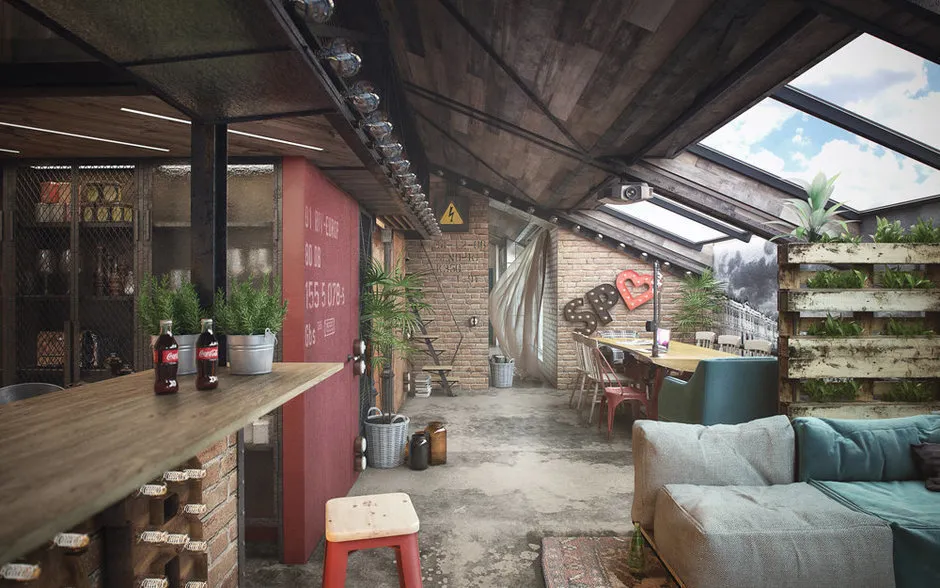
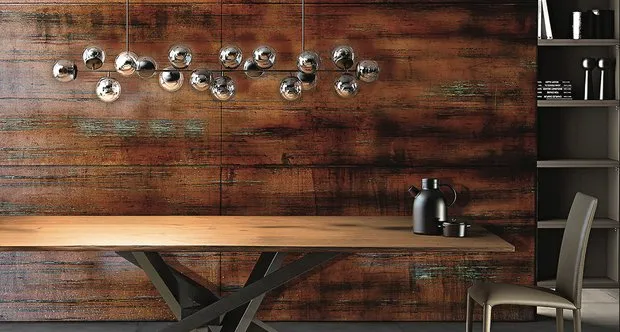
A cracked floor, polished wood, aged, painted, roughly planed... all of this can be created without cutting down a single oak, pine or birch tree, using only decorative plaster. For some simple cases, even a DIY enthusiast can apply certain types of plaster without needing a master.
 Design: ToTaste Studio
 Design: Loggia
2. Concrete
Concrete walls in interiors always look very expressive, especially when combined with materials of completely different styles. If the house is built from reinforced concrete structures, getting a beautiful gray surface is quite simple: you need to remove wallpaper, paint and plaster from the walls, expose the concrete, and then apply special protective treatments.
If the walls are made from another material, you can imitate a concrete surface – there are acrylic and mineral plasters based on cement, lime, marble, and other materials. Experienced craftsmen can even depict "joints" and other construction imperfections.
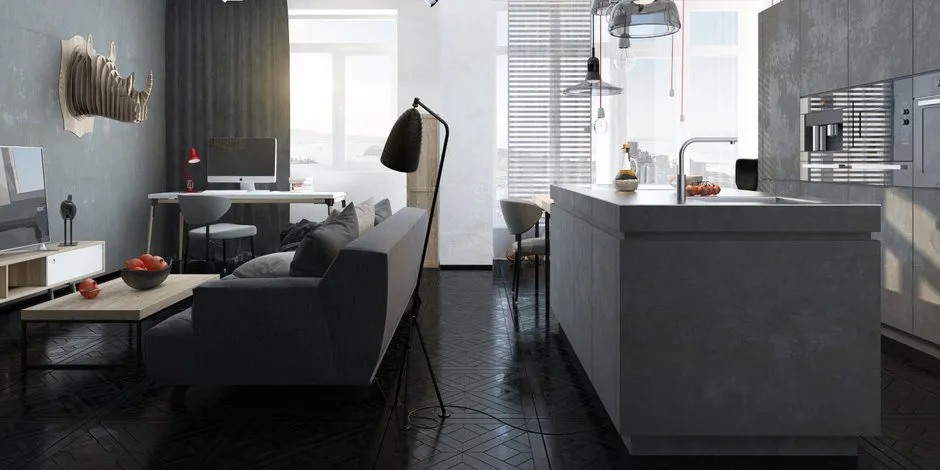 Design: Tatyana Shishkina
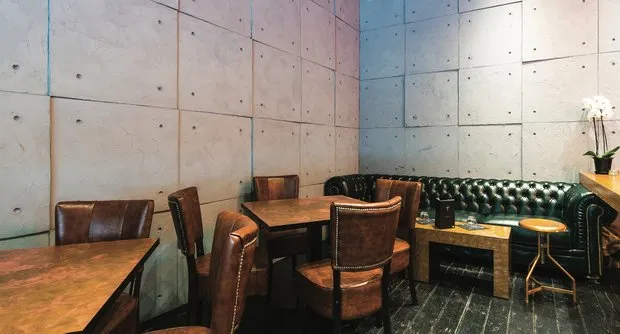 Design: Loggia
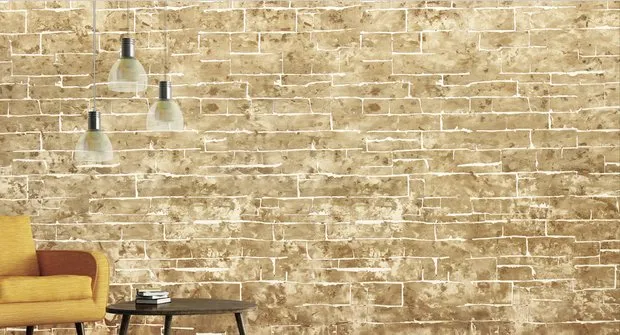
3. Brick
Decorative brickwork is often used in studios to visually separate one zone from another. When space is limited in an apartment and every centimeter counts, plaster "under brick" comes to the rescue – saving both space and time.
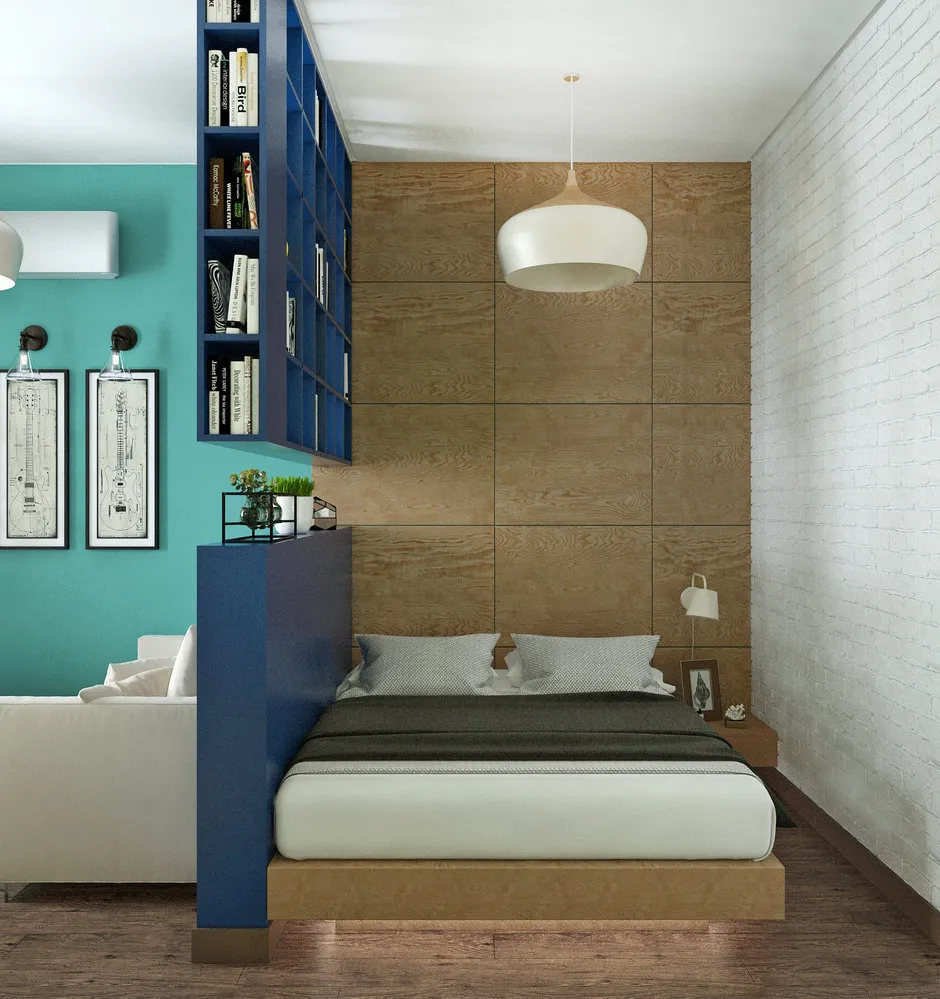 Design: Yurov Interiors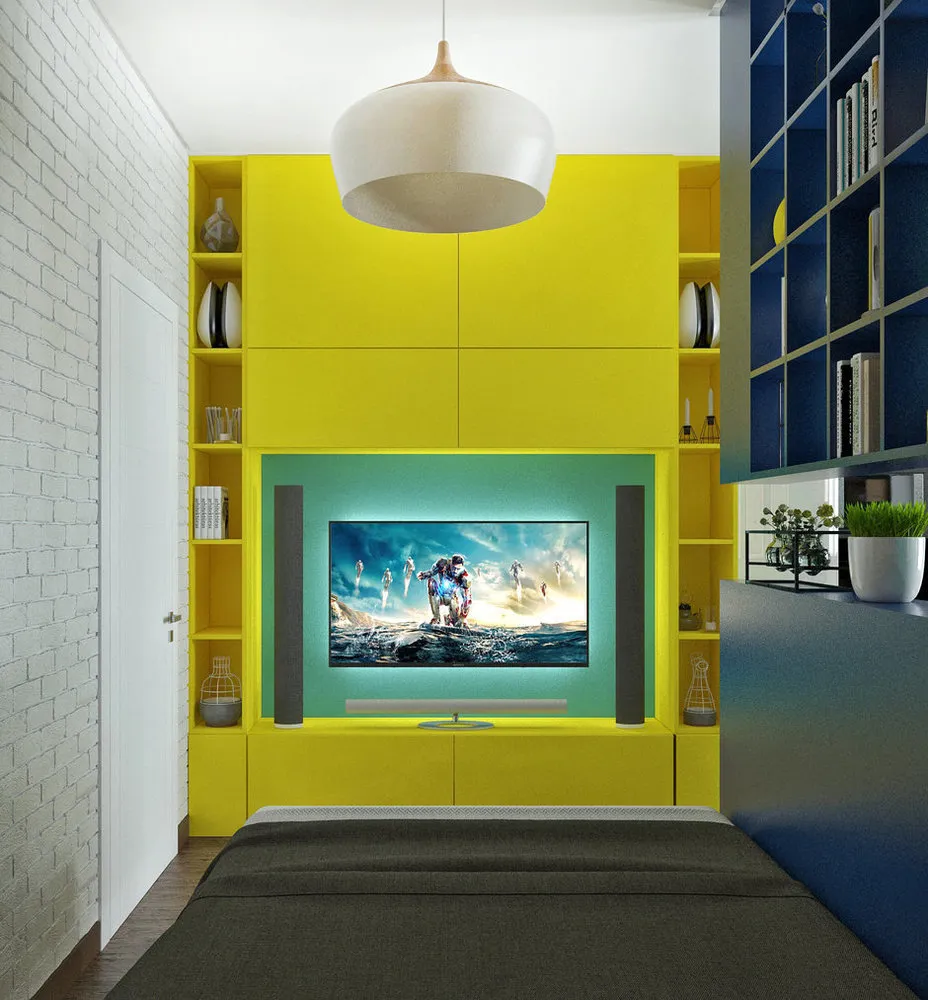
 Design: Loggia
4. Rust
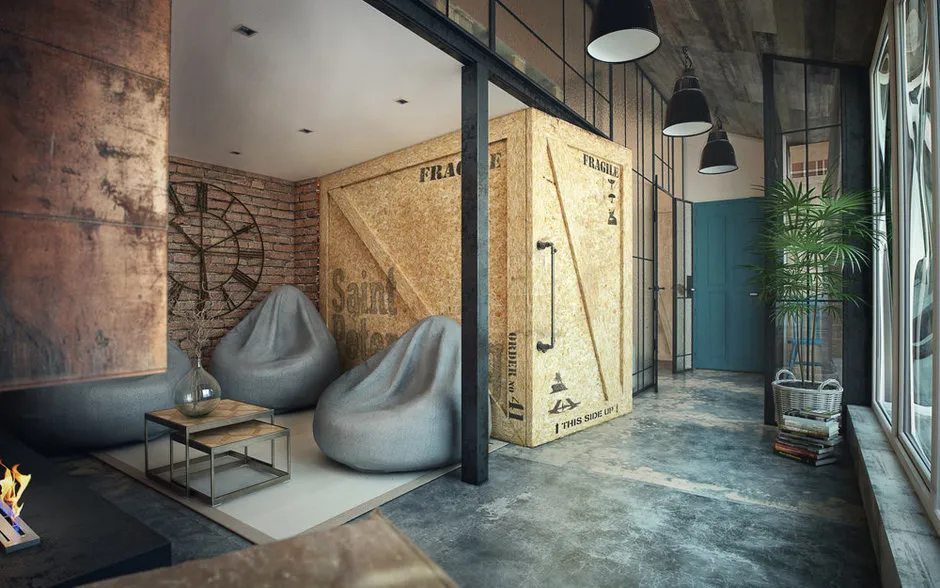
Copper panels have become a trendy design element, used not only for facade finishing but also in interiors of homes and even city apartments. Rust adds more sophistication to metal, so designers use special solutions to coat the metal with a bright orange patina in just a few hours. Decorative plaster creates the same effect without compromising comfort or home clothing.
 Design: ToTaste Studio
 Design: Loggia
5. Ruined Wall
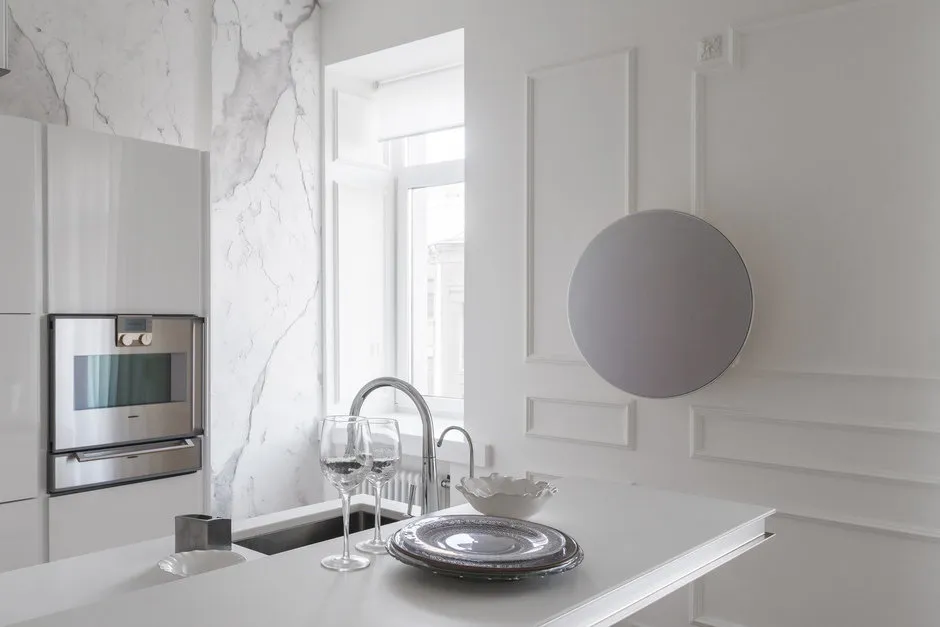
How to preserve a hint of destruction over time but make it not a flaw in the interior, but its decoration? Again, through plaster. In this apartment, the designer wanted to keep a memory of both "native" finishing and the type of wall finish that came in over half a century. The ruins are imitated by a complex set of plasters, and special built-in lighting recreates the "crack" from floor to ceiling.
 Design: Studio 211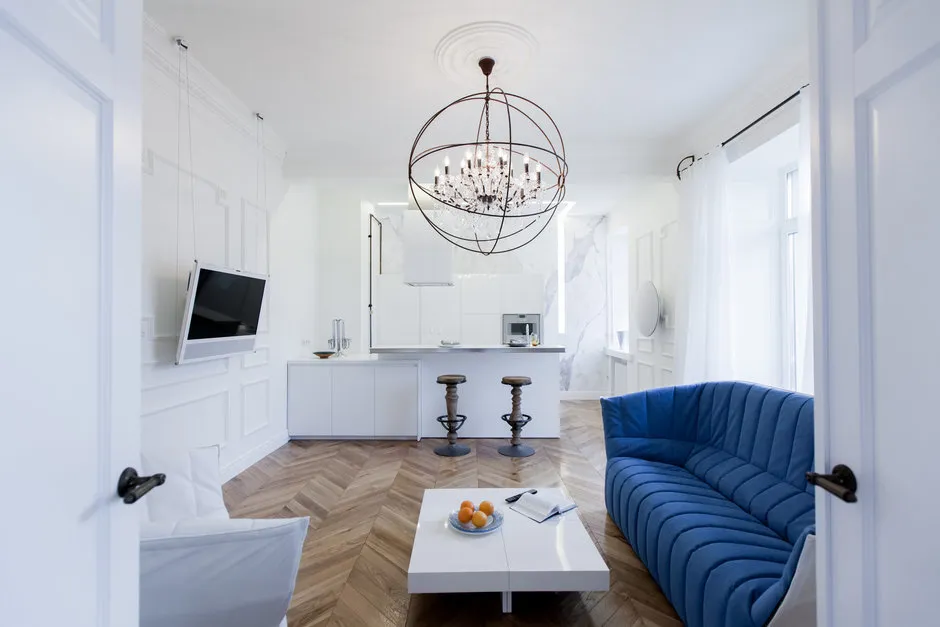
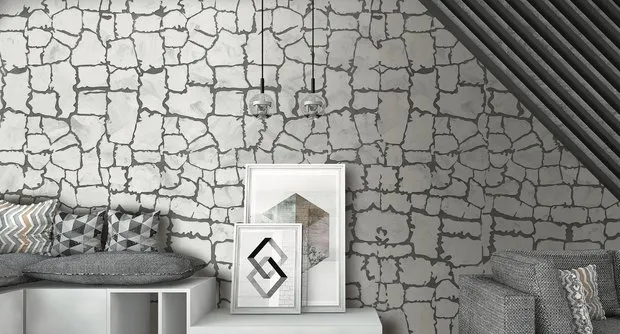 Design: Log/a>
6. Stone
Want to finish walls with natural stone, such as travertine? No need to bring it in from afar, worrying about damage during transport. Decorative plaster perfectly reproduces a stone surface, not only on walls but also on furniture or gypsum board partitions. The composition of such plaster is similar to artificial stone, mainly made from natural materials and safe for health.
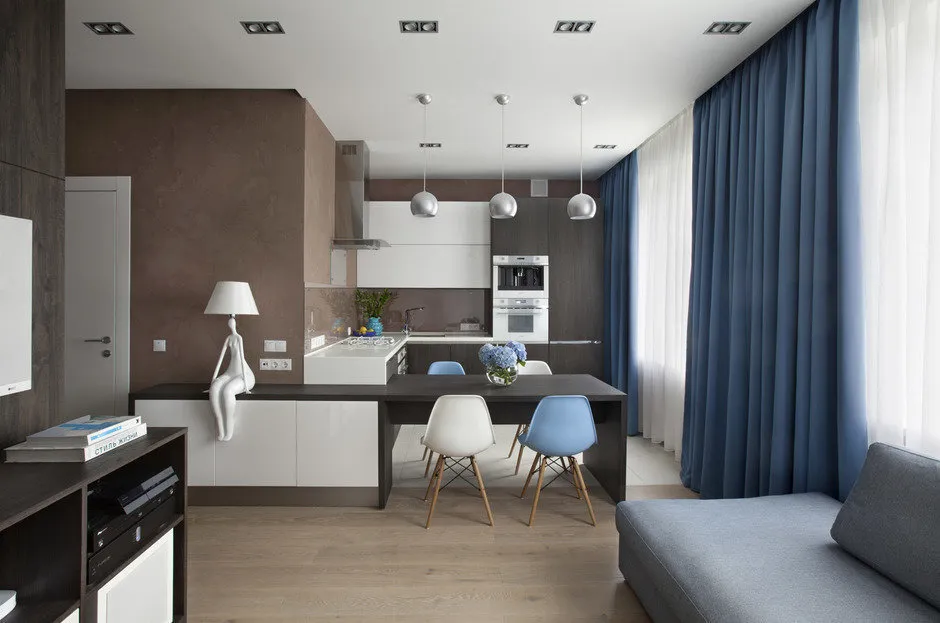 Design: Antonina Sinchugova
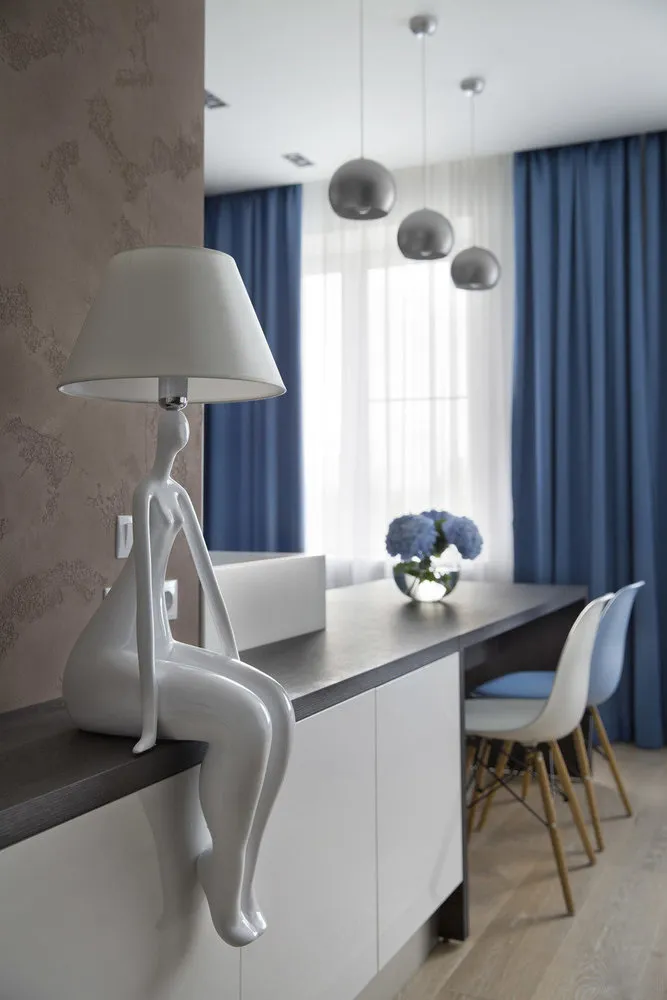 Design: Antonina Sinchugova
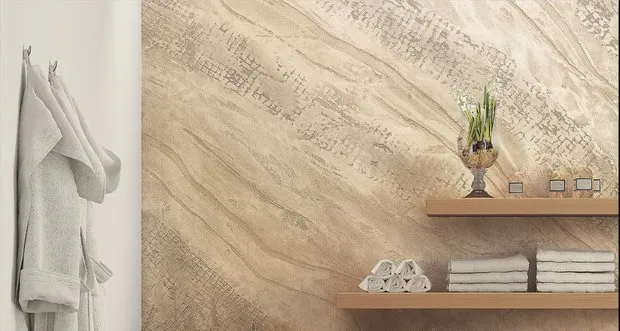 Design: Loggia
Also read:
- Interior of the Week: Metal, Wood and Brick in a Regular Panel Apartment
- Designers Did a Renovation for Themselves: Nido Interiors Office
- From Old Brick to Graffiti: 5 Ideas for Stylish Wall Finishing