Soundproofing of Walls in an Apartment
There are various ways to combat it. But first, you need to identify the type of external noise and choose appropriate soundproofing materials.
There are specialized technologies for soundproofing walls, floors, and ceilings. Proper installation of windows and entry doors is also crucial. We’ll focus on soundproofing walls in apartments, their specifics, and nuances.
Types and Variations of Noise, Methods to Combat Them
Wall soundproofing in apartments comes in three types, depending on the nature and characteristics of the noise.
- Airborne noise. Loud music from neighbors, arguments and shouting, barking dogs, or crying children – all fall into this category and represent the main challenge for residents of multi-apartment buildings.
- Impact noise. This includes heavy footsteps, banging, and more.
- Structure-borne noise. The most complex type, as its sources are parts of the building itself: walls, pipes, ventilation system, elevators, etc.
Each type of acoustic disturbance has its own protective measures.
Soundproofing walls against airborne and impact noise is achieved using special materials attached to a frame or directly to the wall surface. These materials vary widely in type, properties, and price.
As for structure-borne noise, it is eliminated by working on elements of electrical and water supply systems.
Structure-borne Noise: How to Minimize It in Your Apartment
Soundproofing walls against structure-borne noise is not very complicated. There are several simple and effective methods to eliminate it.
- Soundproofing outlets and junction boxes. Often, especially in older panel buildings, these electrical components are installed directly opposite each other in adjacent apartments, and sometimes the holes are even continuous. The space between your outlet and your neighbor’s must be filled with soundproofing material. The same applies to junction boxes. Such work should be entrusted to professionals.
- Insulating water and heating risers. In properly designed buildings, these should be housed in vibration-isolated sleeves, with the space between pipe and sleeve filled with sealant. However, these rules are often not followed, and risers pass through apartments without soundproofing. In such cases, a custom structure can be built yourself. The process is simple: wrap the riser with soundproofing material and seal joints with concrete at the ceiling and floor.
- Sealing cracks and joints between walls, ceiling, and floor. These are common in panel buildings, where the assembly process does not ensure tight structural connections. Cracks and joints are first widened, then filled with cement mortar.
Soundproofing Walls Against Airborne and Impact Noise
To achieve maximum acoustic comfort in your apartment, walls are clad with specialized materials. Depending on type, they either reflect sound or absorb it. The second option is preferable, as it protects against impact noise and loud low-frequency sounds.
Soundproofing materials for apartment walls come in various types and characteristics. Soft fabrics such as glass wool, mineral wool, or silicon fibers are commonly used. More modern options include various soundproofing panels.
In the first case, a framed installation technique is used. In the second, panels can be attached to a frame or directly to the wall. An added advantage of using soundproofing panels is that additional finishing is not required, unlike with soft materials, which do need it.
Installation Features of Soundproofing Structures
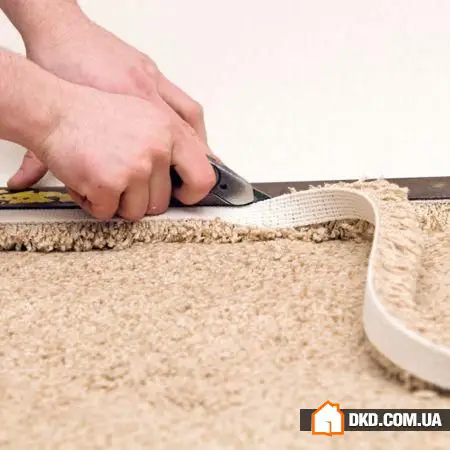
The classic approach to wall soundproofing in apartments involves installing a wooden or metal frame, laying layers of mineral wool or glass fiber, and finishing with gypsum board. The frame may be attached at a distance from the wall using connectors. A layer of soundproofing tape is also placed between the frame and the wall to prevent transmission of structure-borne noise from the building.
When using soundproofing panels, they are attached to the same frame or directly to the wall. In this case, the frame is fastened directly to the wall with a layer of soundproofing material underneath.
Common Mistakes in Choosing Soundproofing Strategies for Apartment Walls
The most important aspect of proper soundproofing is material selection. Pay attention to its characteristics: sound insulation and sound absorption. The most effective method combines both types of materials. However, this approach has a major drawback: it takes up significant space, reducing room size. A better option is using modern soundproofing panels, which offer high performance in both insulation and absorption.
Previously, polystyrene was used as a soundproofing material. This is a major mistake, as soundproofing walls with it is impossible, and noise levels may even increase.
Before installing any soundproofing structure, always perform preparatory work. All cracks, outlet boxes, junction boxes, and joints between wall panels must be reinforced and sealed. Only then can a good soundproofing effect be achieved.