12 Interesting Facts About New Year
Every year in December we habitually decorate the Christmas tree, give each other gifts, and light up sparklers. Behind all these traditions is a whole history: for example, crackers drive away evil spirits, and a general cleaning on New Year's Eve brings wealth and luck to the next year. We share these and other interesting facts about the main winter holiday in this post.
1. Upside Down
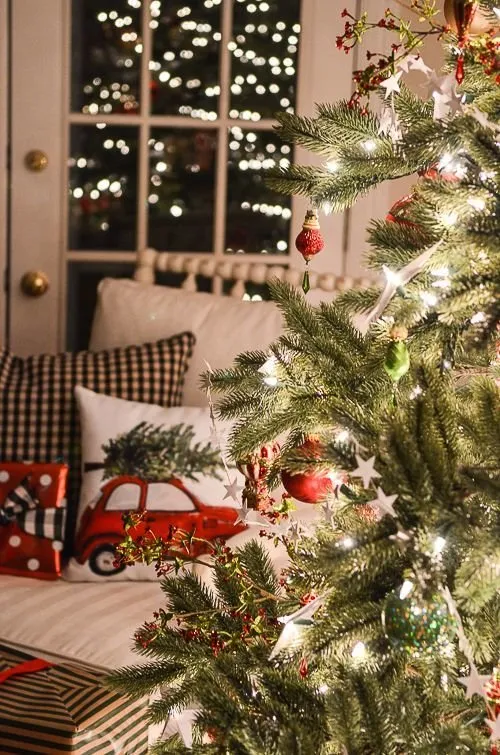
In medieval Europe, Christmas trees didn't stand upright but were hung upside down from the ceiling. The decorated tree was adorned with sweets, and children had to pick them off. So the idea of hanging a tree from the ceiling is not a modern innovation but rather an ancient custom.

2. Street Celebrations
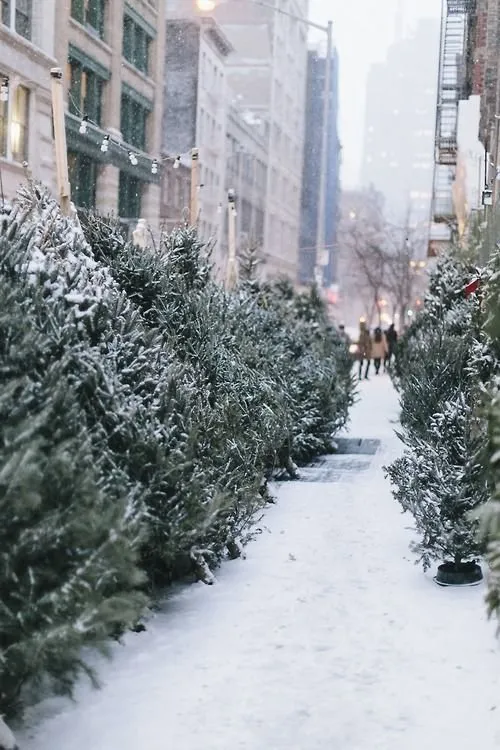
The Christmas tree in Russia appeared much later: Peter I brought it from Europe along with tobacco and potatoes. Trees were placed outdoors and not decorated – the tree itself was the decoration. By the way, the Christmas tree didn't take root immediately in Russia because coniferous trees were considered dark and supposedly attracted evil spirits.
3. Home Tree
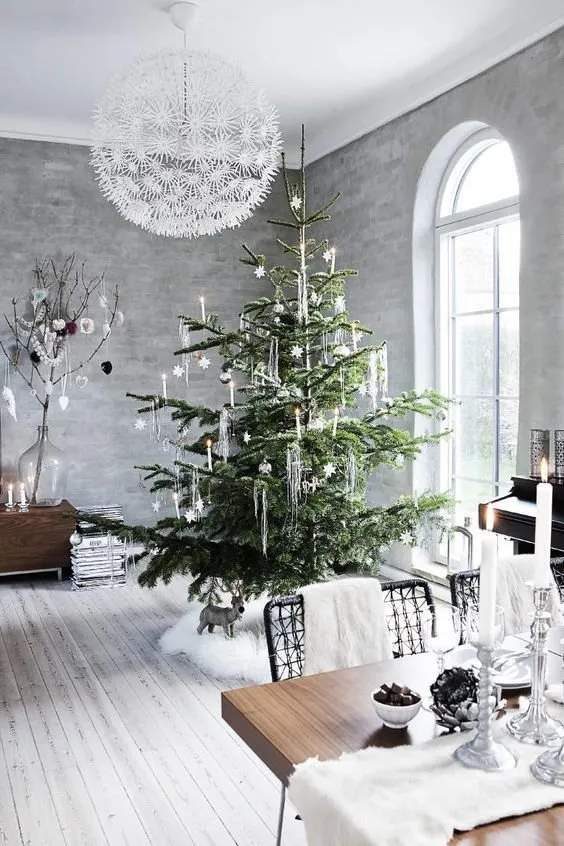
In 1840, the Christmas tree moved from the street into the home – the first ones were brought home by Germans living in St. Petersburg. This custom was so popular among citizens that they also put trees at home. The tree began to be decorated with rings, ribbons, and beads, and at that time the first Christmas markets appeared.
4. Gift from Saxony
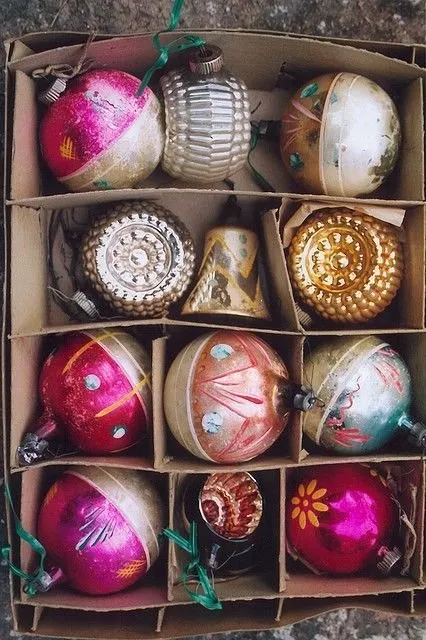
The first glass ornaments for Christmas trees were made by Saxon craftsmen in the 16th century. By the middle of the 19th century, industrial production of Christmas decorations began in Saxony – cardboard bells, bird and animal figurines, colorful pinecones, and nuts were added to the glass balls.
5. Like an Apple
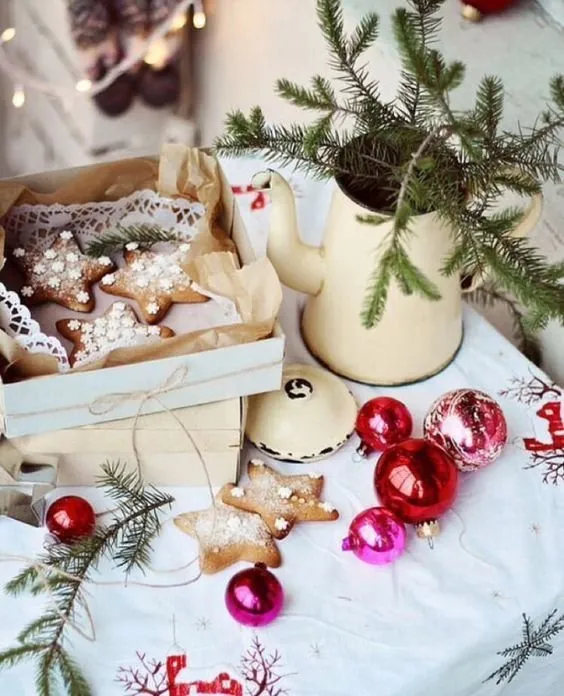
Christmas ornaments in Russia appeared much later – about a hundred years ago. Earlier, the tree was decorated with sweets: candies, nuts, gingerbread, and apples in bright wrapping. It is said that the first Christmas ball was made due to a poor apple harvest. Fruit supplies ran out before winter, and clever glassblowers created balls as replacements for round apples.
6. One, Two, Three! Christmas Tree, Shine!
The first electric lights for a Christmas tree were hung at the White House in 1895. Before that, the tree was decorated with candles until American telegraphist Ralph Morris came up with the idea of replacing fire-prone candles with electric signal bulbs.
7. "Happy New Year" in English
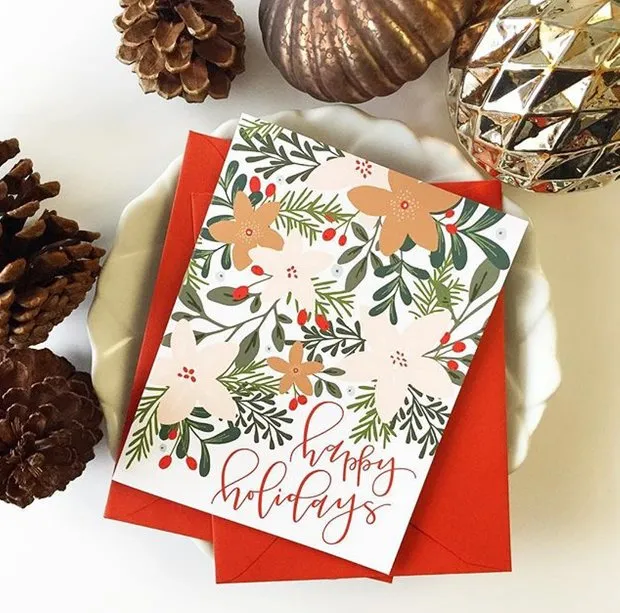
The first New Year's card was printed in London in 1843. The tradition of exchanging written greetings quickly took root in England and soon spread around the world. By the way, the United States traditionally holds the record for the most New Year's cards and gifts.
8. Fireworks Secret
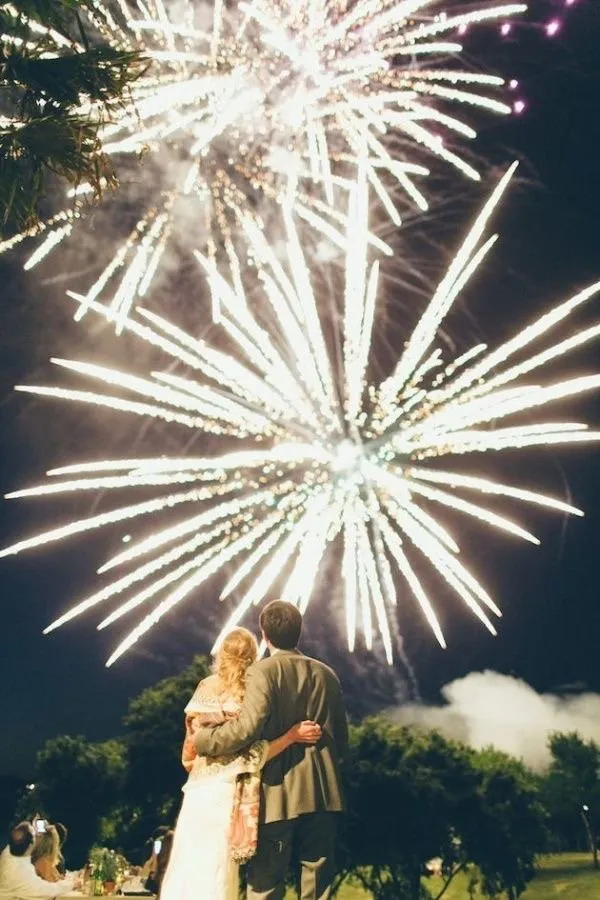
The tradition of fireworks and crackers came from Asia. Interestingly, they were not invented for fun but for protection against evil spirits that seek shelter in the new year. To drive away evil spirits, noise and bright light were used – thus crackers appeared. Curiously, even in modern China, the first day of the New Year is marked by a continuous explosion of fireworks and crackers.
9. From a Clean Slate
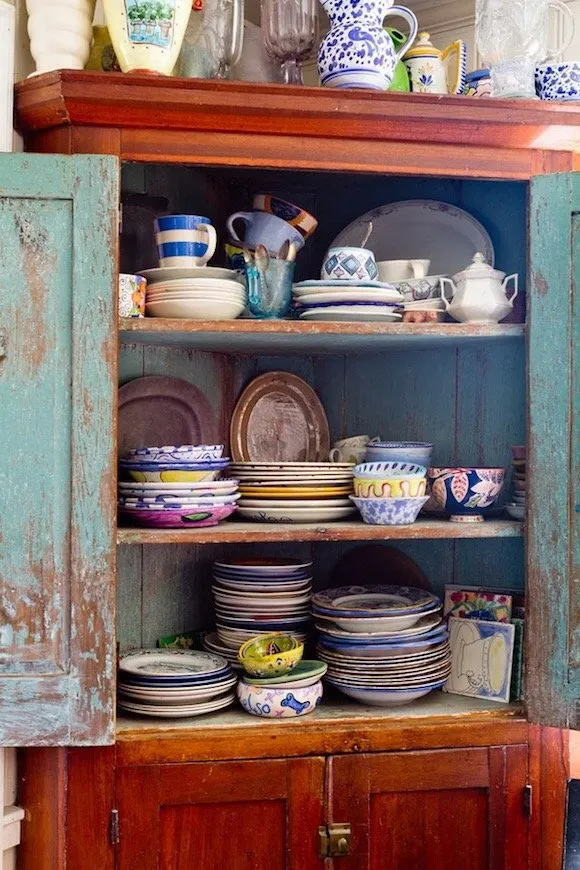
In our country, it's customary to do a general cleaning under the New Year, whereas in Cuba, people just wash dishes. All the dishes in the house are filled with water and poured out onto the street at midnight on New Year's Eve. It is believed that doing so washes away all sins. By the way, New Year in Cuba is called the Day of Kings.
10. Cleaning the House in Italian Style
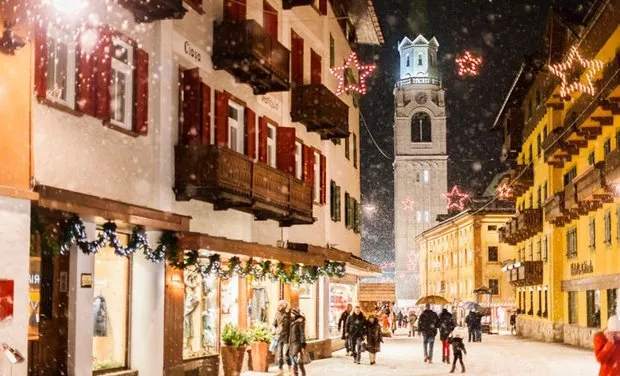
It is also customary to tidy up under the New Year in Italy, but without cleaning products or brooms. In fact, on New Year's Eve Italians throw out old things right from the windows. It is believed that the more old items you throw out, the more wealth and luck the New Year will bring.
11. Best Places for Gifts
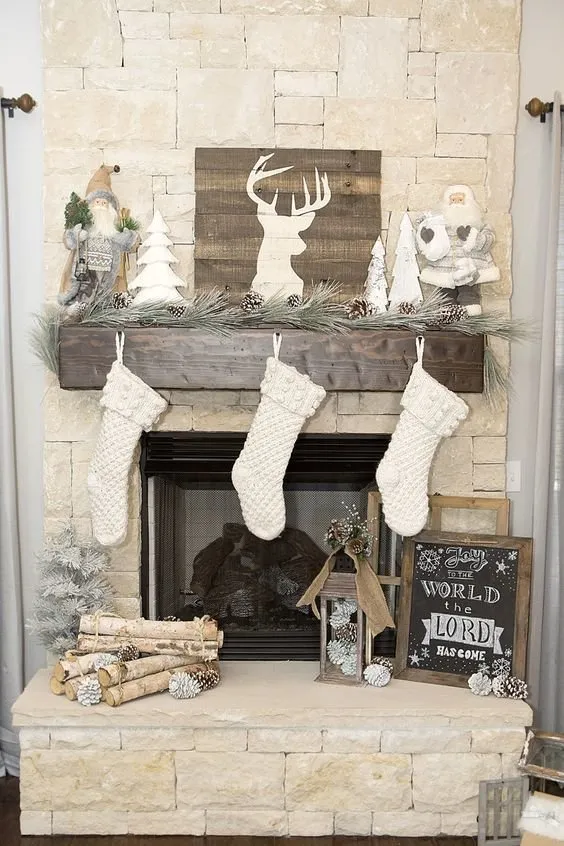
We put gifts under the tree, Father Christmas puts them on the windowsill in Germany, and near the stove in Sweden. In England and France, homes are decorated with stockings and boots, so Father Christmas puts gifts directly into the shoes or stockings.
12. Father Christmas Residences
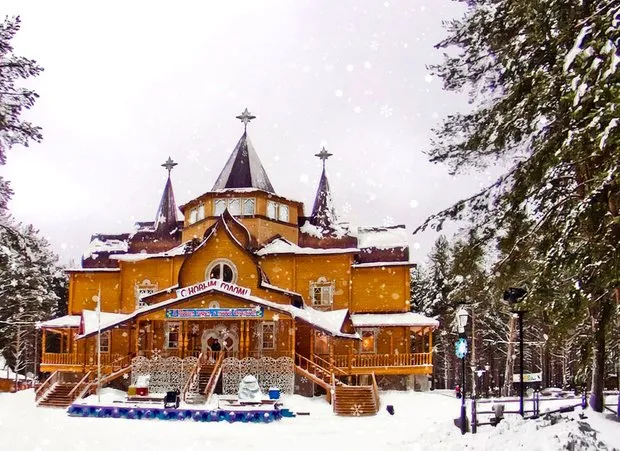
In Russia, Father Christmas has three homes: in Arkhangelsk (since the late 1980s), in the Chunya estate (since 1995), and in Veliky Ustyug (since 1998). A year ago, Father Christmas's home also appeared in Murmansk. Another, more virtual, home of Father Christmas is the North Pole.