There can be your advertisement
300x150
What You Need to Know Before Renovating: 8 Valuable Tips
Summer is not only for vacations but also for renovations. In our country, it's common to combine both activities. If you're planning a renovation—whether cosmetic or major—you should consider several important issues that might arise during the process.
We’ve prepared eight valuable recommendations to help you avoid unpleasant situations during your summer home renovation.
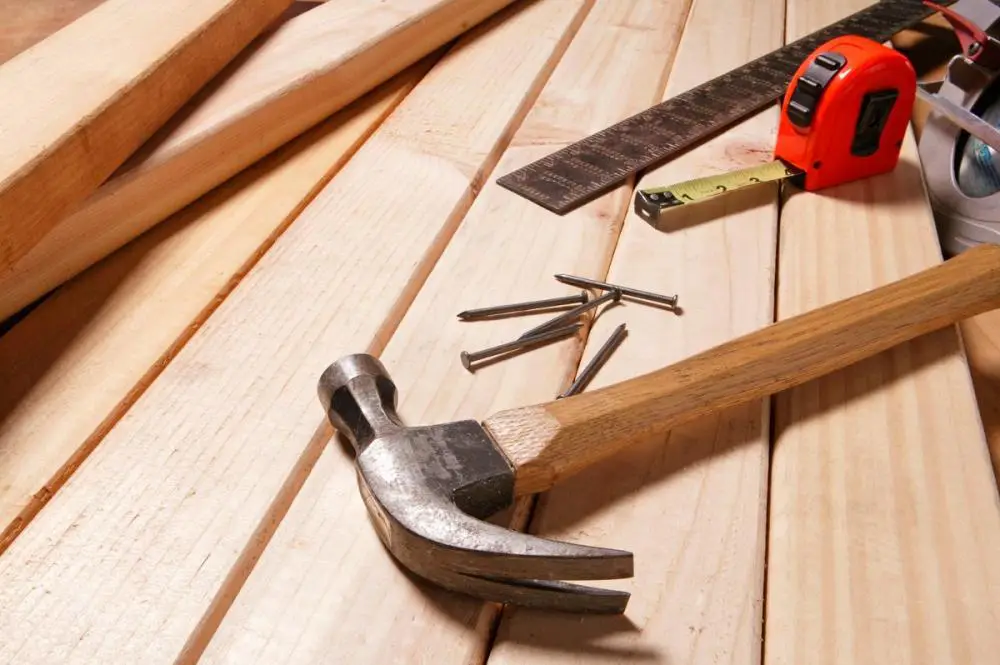
Tip #1: Civil Liability
Renovation is a costly process that requires significant effort and financial investment, and sometimes takes a toll on your nerves. To avoid many potential problems, many insurance companies now offer renovation and civil liability insurance. Interestingly, even construction materials can be insured.
Civil liability is a crucial point that should not be ignored. You might think it’s an unnecessary expense, but consider this: unexpected incidents happen—such as plumbing failures, like a burst pipe flooding your neighbors’ apartment. This creates costly, unexpected expenses and damages neighborly relations. But with civil liability insurance, you won’t have to worry—insurance will cover the costs.
Today, this service costs from 150 UAH per month. Insurance coverage can range from 10,000 to 120,000 UAH.
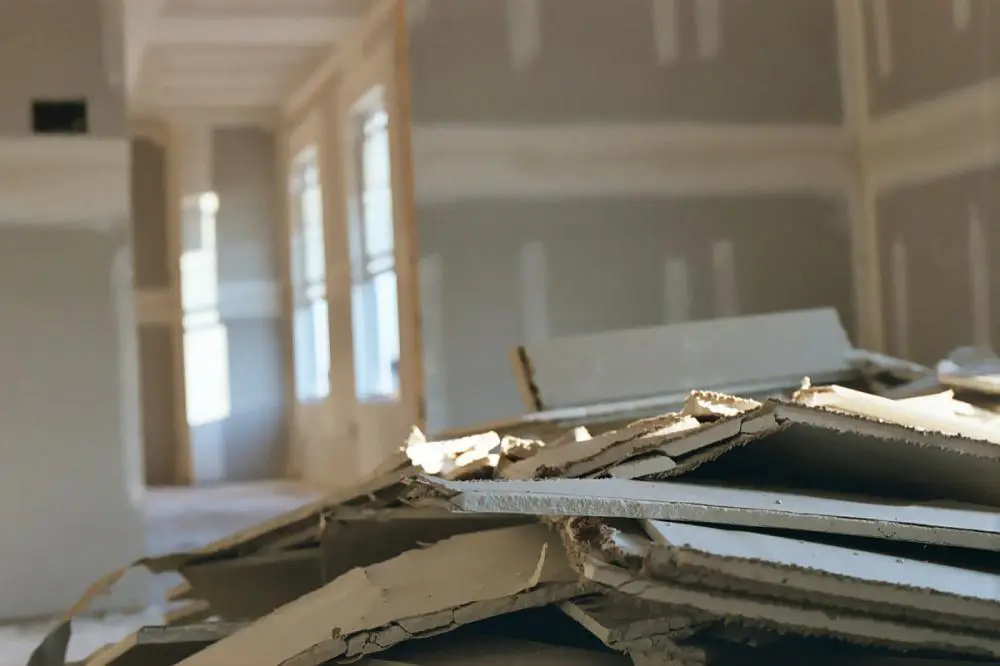
Tip #2: Study the Legislation
Before starting renovation, review local laws regarding noise and construction work. Here are some key points:
Under Russian law, noisy construction work is permitted from 9:00 to 19:00, and in some regions until 20:00. Some equipment and tools generate high noise levels, so using tools that exceed 40 dB(A) is prohibited. No construction work is allowed on weekends, holidays, or public holidays. Continuous work should not exceed six hours; a one-hour break is required afterward. Renovation should not last longer than three months. If it does, neighbors’ complaints may result in administrative penalties for the homeowner. Also, work must not invade private property, including elevators, corridors, stairwells, and landings.
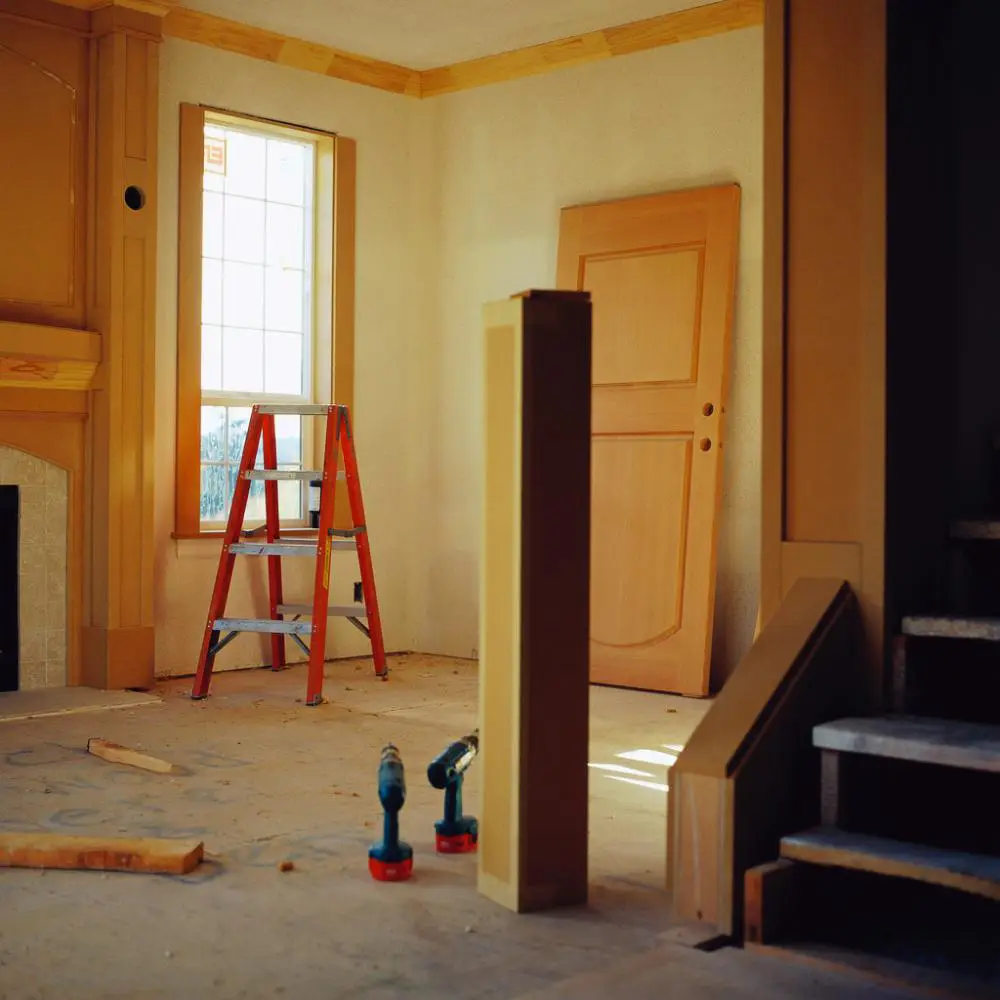
Tip #3: Inform Your Neighbors
Renovation comes and goes, but neighbors stay. To maintain good relations, inform them early about your plans. Write a notice and post it on the main entrance door in your building’s lobby.
Include the approximate duration of the work, days, and time frames. Provide your contact details so neighbors can reach out with questions or concerns.
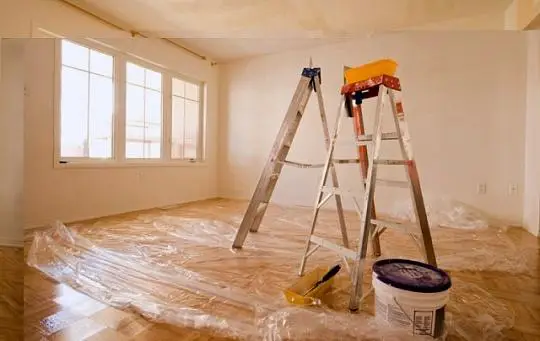
Tip #4: Plan Ahead
Decide exactly what kind of renovation you want. Based on that, create a budget, plan your spending, and estimate the required materials and tools. Include the cost of hiring a construction team and set aside funds for unexpected issues.
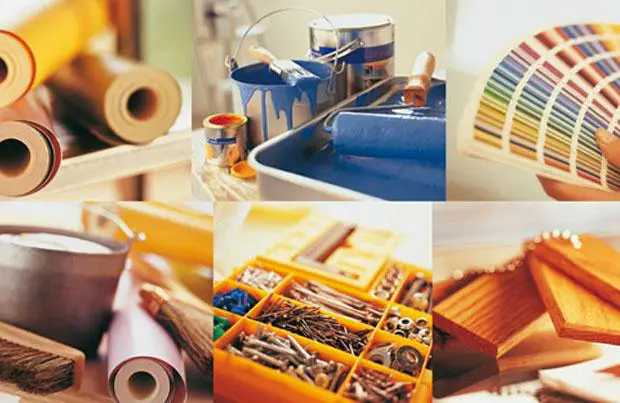
Be clear about what type of wallpaper you’ll install or what tiles you’ll use, as some materials require advance ordering and may take several months to arrive. This also applies to plumbing fixtures.
Tip #5: Obtain Permits for Renovation
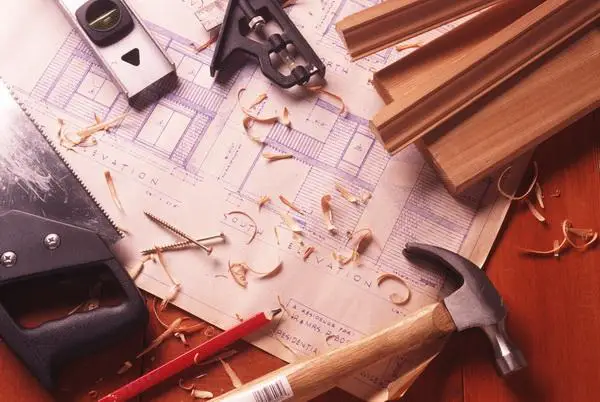
Since most apartments have inconvenient layouts, many people modify them—combining bathrooms and toilets, expanding kitchen or bedroom areas, or even removing non-load-bearing walls to create studio-style homes.
It might seem you can do anything you want in your apartment. But if you plan to sell or exchange it later, the layout will be part of the official documents. Therefore, obtain a permit for any structural changes in advance.
You can handle this yourself or hire a specialized company. Either way, it’s better to get the permit early to avoid legal issues later.
Learn more about common renovation types in our article "Can You or Can’t You: 10 Most Common Renovation Types".
Tip #6: Plan Your Electrical System
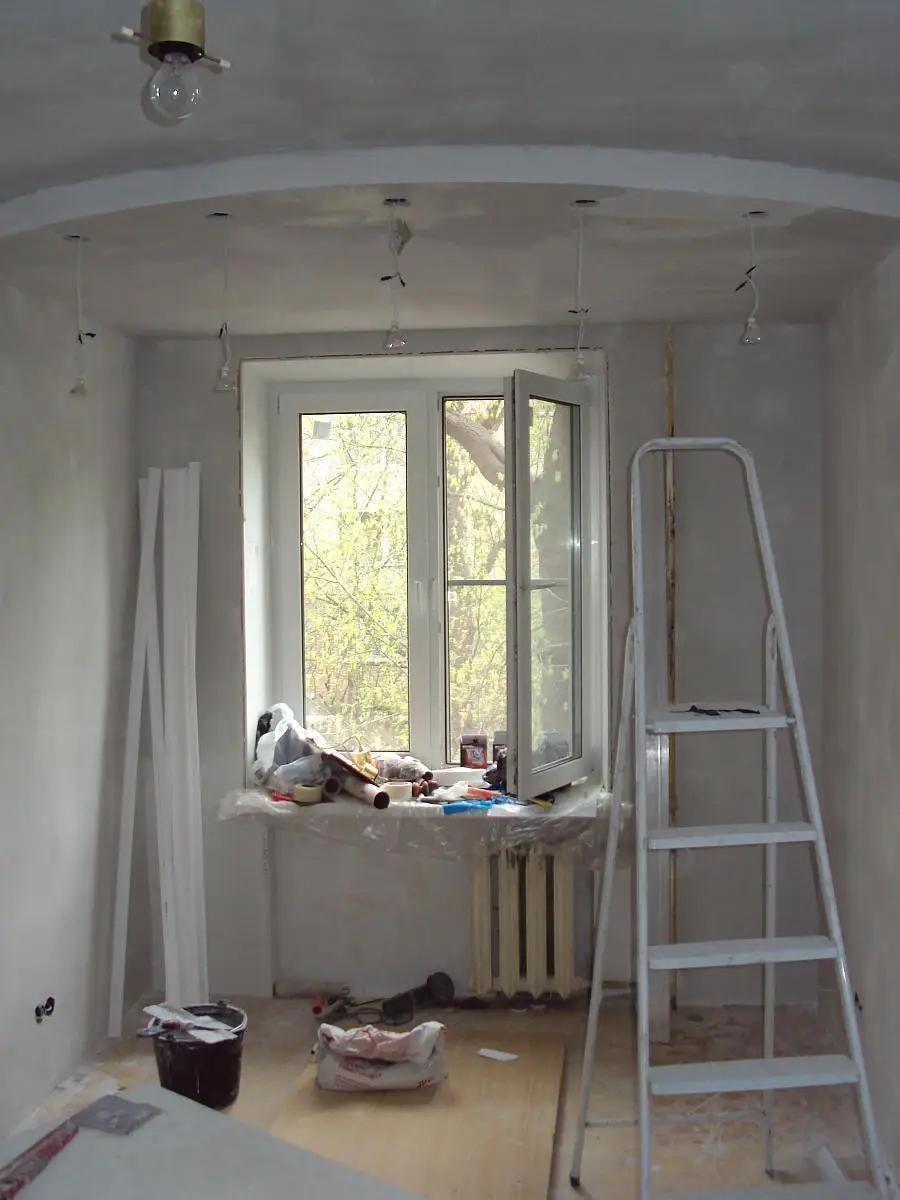
Modern interiors feature a variety of lighting options. Each room can have a unique lighting setup using different lamps, LEDs, chandeliers, floor lamps, and recessed lights. This creates a beautiful atmosphere and enhances the space.
When planning your home’s electrical system, install a central switch for all lights. This way, you won’t need to walk through the entire apartment to turn off every light before bed.
Tip #7: Clear Out Your Belongings
Before starting renovation, decide where to store your belongings. If you have another apartment, great. If not, you might need to rent a small garage. If that’s not possible, store items in one room.
Package fragile items carefully, and store valuable items securely. Also, wrap curtains and rugs properly to prevent them from absorbing construction dust.
If you’re doing a cosmetic renovation and not moving furniture, cover it with special protective film. You can find it in any hardware store—it’s called "For Renovation Work".
Tip #8: Manage Construction Waste
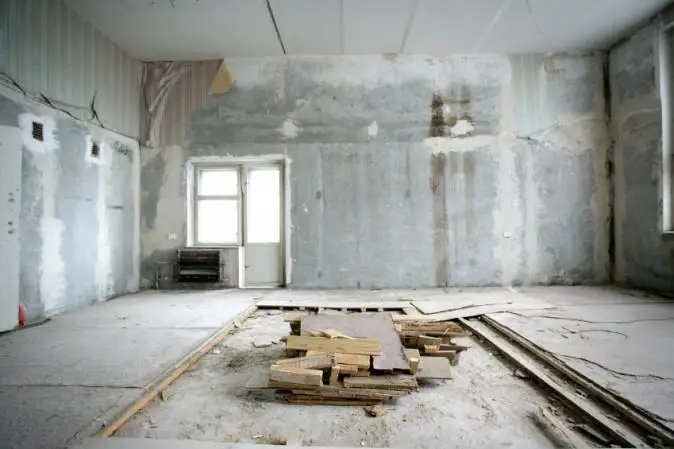
Yes—plan waste disposal in advance, not after it accumulates. This is especially important when removing walls, replacing tiles, or upgrading plumbing.
Think ahead about how and where you’ll dispose of waste. Today, specialized companies offer waste removal at low cost (from 240 rubles per cubic meter). They can provide a dumpster for you to fill, then a truck will collect and transport the debris.
We also recommend arranging with your construction team to keep the entrance clean. Or, if doing it yourself, monitor cleanliness regularly.

More articles:
 3 Secrets of Soft Color: Pastel Tones in Interior Design
 How to Organize a Balcony: Tips from a Real-Life Example
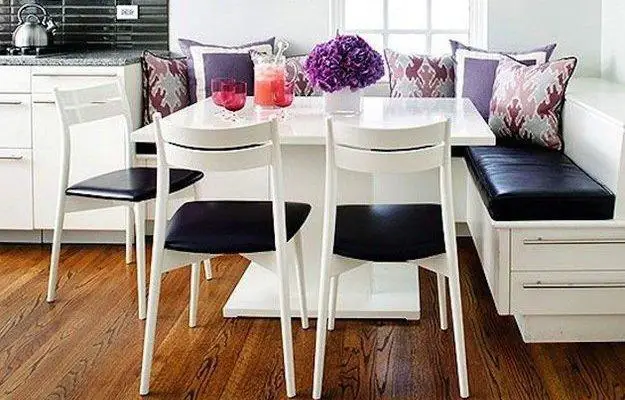 Design of a Small Dining Room: 11 Tips, 38 Examples
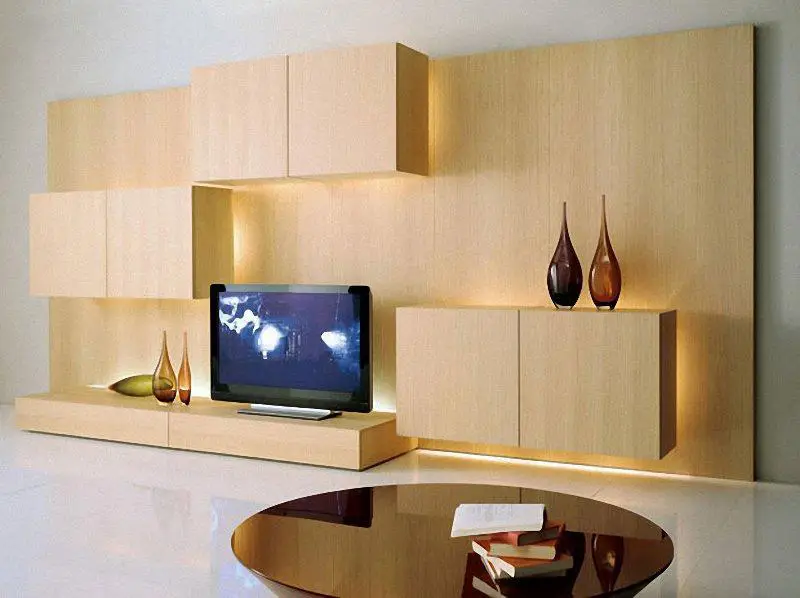 Hanging Furniture in Interior Design: 30 Inspiring Examples
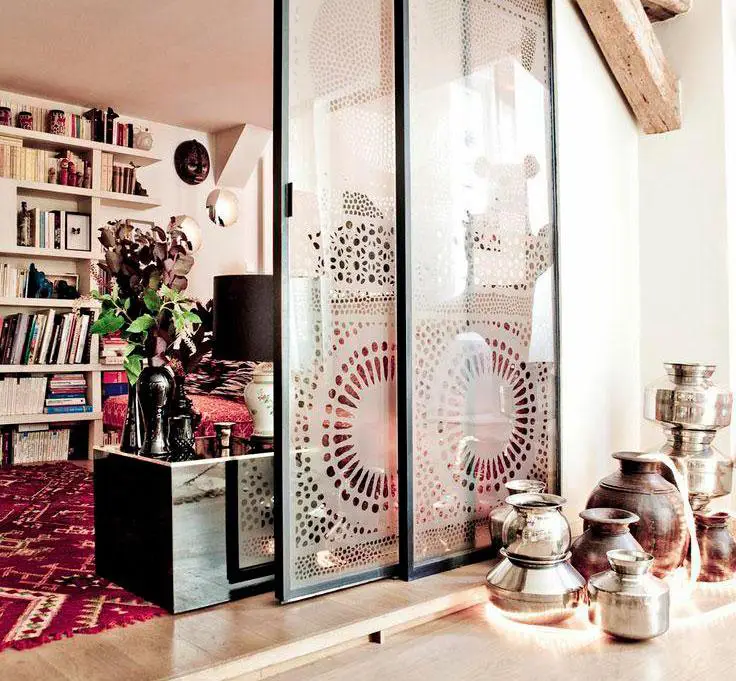 Room Divider in Interior Design: 4 Tips, 16 Examples
 5 Bright Ideas for a Country Kitchen
 How to Visually Increase a Low Ceiling: 6 Effective Techniques
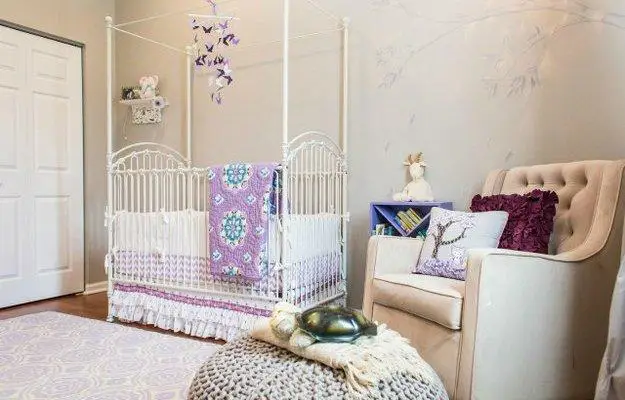 Baby Room Ideas: How to Decorate a Newborn's Room