The Art of Kintsugi: Where Imperfection Is Perfection
 Pinterest
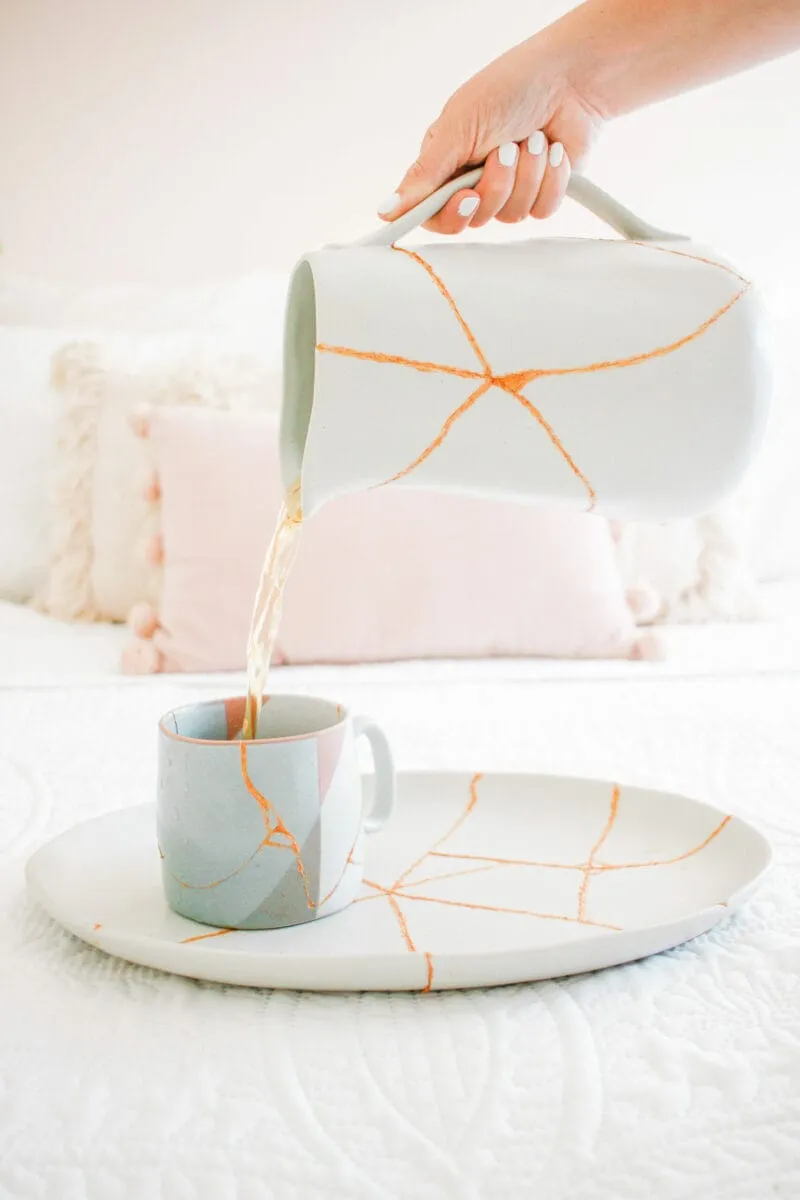
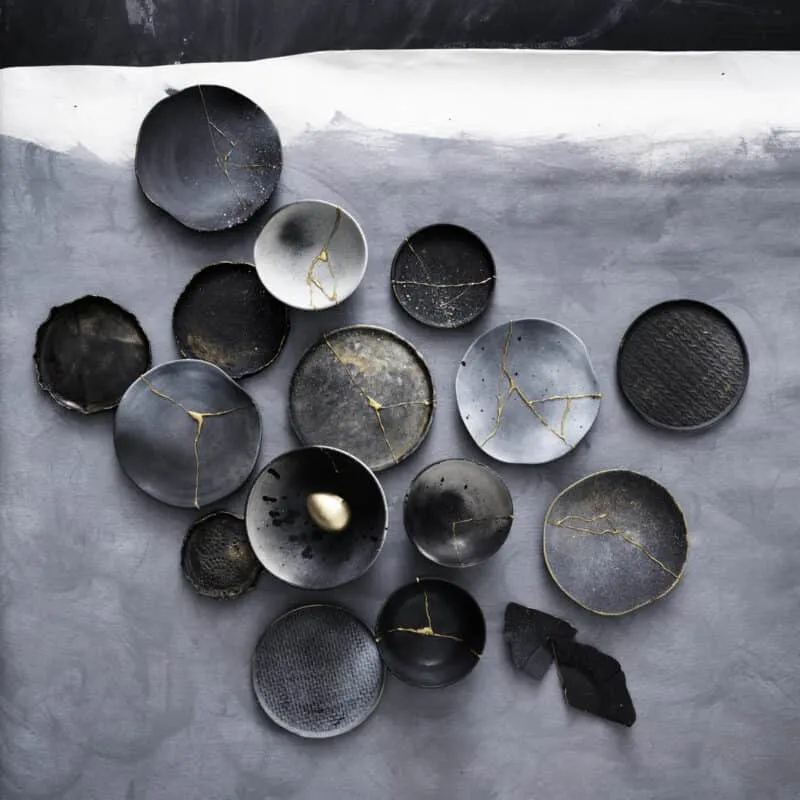
Thanks to Kintsugi, this ancient Japanese technique from the 15th century, your scratched or broken ceramic dishes won't end up in the trash! On the contrary, you'll give them a new life.
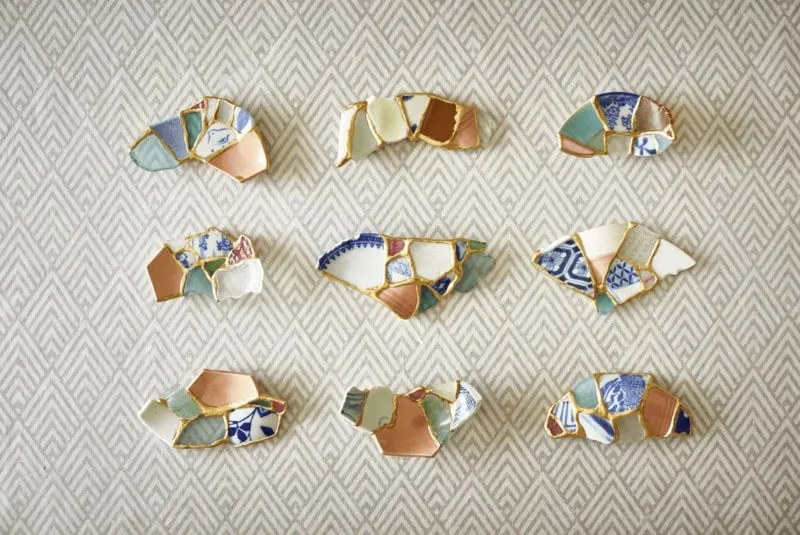
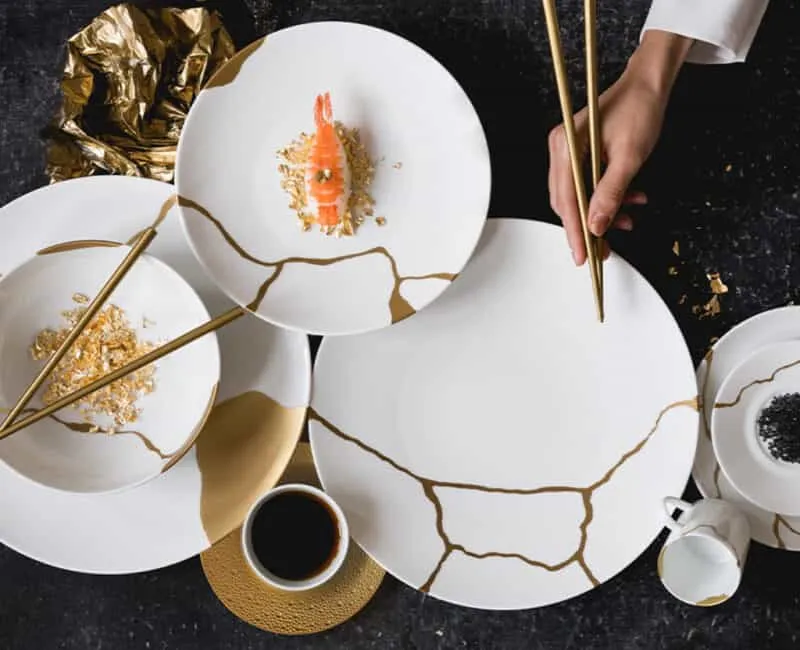
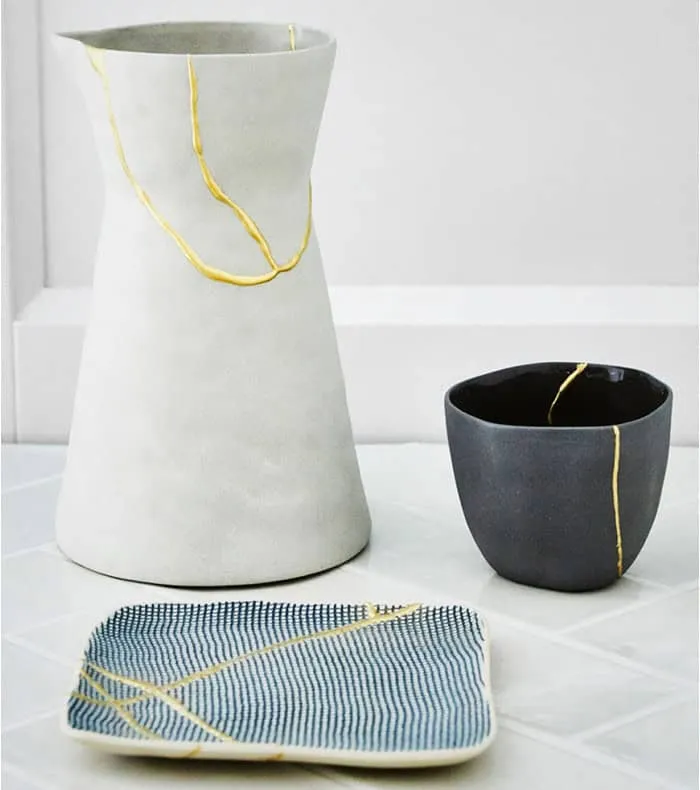
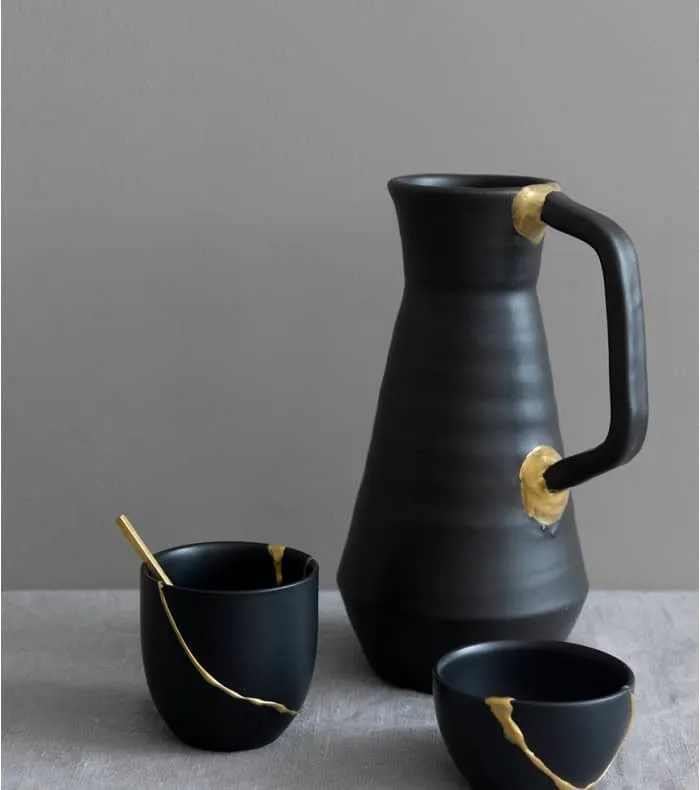
In fact, this ancient technique involves repairing an object by gluing its broken pieces together using gold powder (or silver). The name itself reflects this: 'Kintsugi' comes from the Japanese words Kin (gold) and Tsugi (joining), literally meaning 'joining with gold'. It's a profound approach that emphasizes the beauty of broken fragments! Instead of hiding cracks, Kintsugi highlights them.
Much more than just a repair method, it's an approach that emphasizes the repaired part, its history and age. But it's also a healing technique not only for ceramics, but for souls too...
The Art of Salvation
 Pinterest
The art of Kintsugi, speaking about a broken object, speaks of a sign of rebirth. Instead of hiding your flaws, you highlight them. The idea is to acknowledge its past, the events it may have endured.
A repaired object in this way symbolizes a new cycle. A method fully aligned with the desire not to throw anything away, as well as the philosophy and trend of Wabi-Sabi, which promotes embracing and contemplating what is imperfect, unconventional! But beyond being a repair method and an artistic practice, Kintsugi also has meaning rooted in philosophy far beyond. Indeed, this art is used as a symbol and metaphor for resilience in psychology.
A repaired, then honored, broken object is reborn while retaining its past. It becomes stronger, more beautiful and valuable. This attitude helps in healing physical and/or emotional wounds, taking a step back — as an invitation to something new.
The Multi-Step Repair Technique
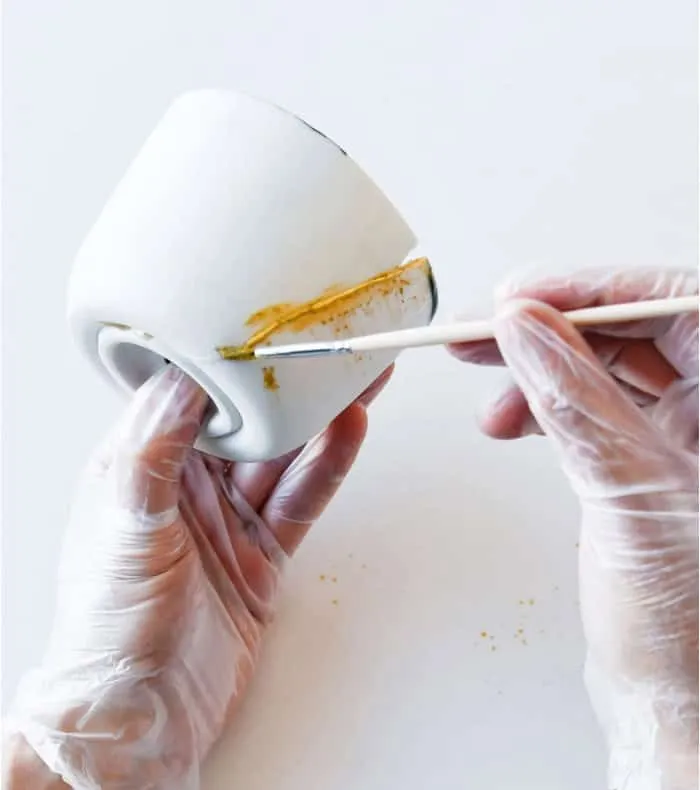
Before you start repairing your items, it's important to understand the different stages of Kintsugi. It's not just gluing two parts together. On the contrary, it's a lengthy process—which can take weeks or even months—and precise. First, the fragments of a broken object are collected and cleaned. Then they're glued using traditional natural lacquer. After gluing, the object is left to dry before sanding. The necessary prep work includes highlighting cracks with layers of lacquer dusted with gold. Other powdered metals like silver, bronze, brass or copper can also be used.
Finally, it's time for polishing to reveal the full shine of the object! Note that Kintsugi kits are available to reassemble your broken ceramics using a mixture of epoxy resin and gold or silver powder. Whether you choose the 'classic' or ready-to-use technique, Kintsugi is a highly valued art form. It seems some people even deliberately break their plates or valuable vases to transform and enhance them...
1.
 Pinterest
2.
 Pinterest
3.
 Pinterest
4.
 Pinterest
5.
 Pinterest