What Types of Suspended Ceilings to Choose
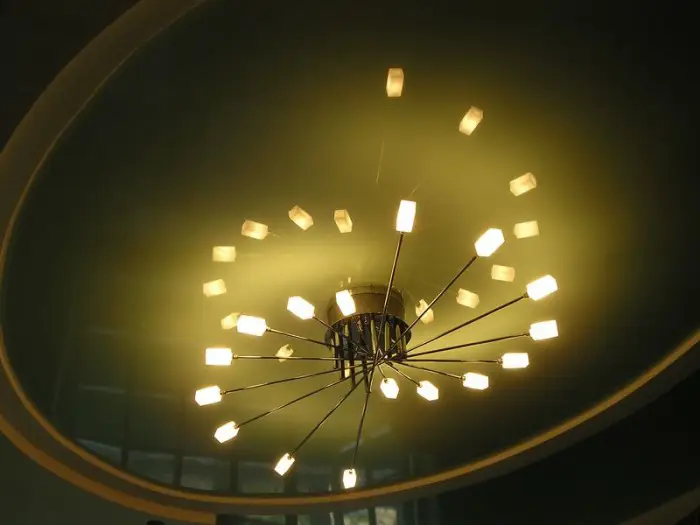
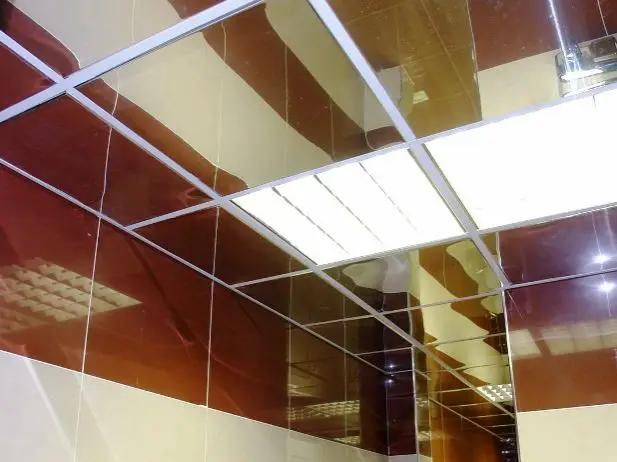
Photo 1 – Glossy Suspended Ceiling from Company Horizon
What Types of Films Are Available for Suspended Ceilings?
There are only two main types of ceiling panels:
- PVC films (PVC film, a popular and practical material);
- Mesh films coated with polyurethane ("fabric" ceilings).
PVC film is cheaper but does not look as impressive as fabric ceiling. Mostly because PVC ceilings are suspended ceilings with seams, while fabric ones are installed using a seamless technology.
Besides price, there is no difference between these suspended ceilings: fabric ceilings, just like film ceilings, last long, and the reliability and strength of these two types of films are almost identical.

Photo 2 – Suspended Ceiling Panels Stored in Rolls to Prevent Creases and Folds
Suspended ceilings are an expensive luxury, and if you question whether it's worth paying extra for a seamless ceiling, the answer depends on the width of the room where the ceiling should be installed. For example, in narrow rooms up to 1.3 meters wide (bathroom, closet, hallway), a seamless technology can be used to install film ceilings up to 1.3-1.4 meters wide (this is the minimum width of ceiling panels).
When installing a ceiling in a room wider than 5 meters, it is impossible to use seamless technology, as the maximum width of suspended ceilings (fabric) is 5.1 meters. When working with large areas or rooms narrower than 1.3 meters in width, the cost of a seamless ceiling made from fabric panels does not justify itself: it is cheaper, more practical, and more rational to buy film ceilings.
In case of installing a seamed ceiling, it is better to choose matte panels, as they reflect light weakly, so the seam will not stand out as much. Additionally, there are other types of suspended ceiling textures: for example, glossy (lacquered) ceilings, where the connecting seam is very visible. To mask this seam, special ceiling lights must be installed.
CONCLUSION: The choice of film depends on the parameters of the working space, the customer's financial capabilities, and the availability of time and resources for additional work, such as lighting setup. The height of the suspended ceiling will also depend on the installation of additional communications. For example, the difference between a standard single-level panel and a ceiling with built-in lighting is 3-5 cm for a simple suspended ceiling, but a more complex ceiling will require about 7-15 cm depending on the type of installed lights.
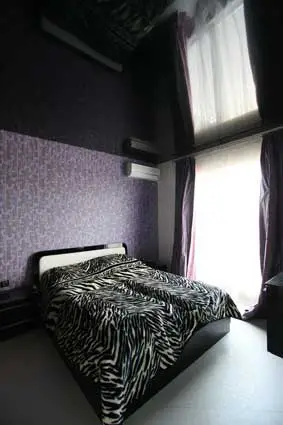
Photo 3 – To Prevent Creases in the Diagonal of the Suspended Ceiling, the Panel Should Not Be Stretched Too Tightly
It should be noted that the height taken by a suspended ceiling will depend not only on the suspended system chosen by the customer but also on the curvature of the ceiling. With curved base ceilings, a minimum height of 3 cm for suspended ceilings cannot be achieved.
Types of Suspended Ceilings Based on Room Type
Besides standard suspended ceilings, there are also special panels designed for rooms with specific purposes.
For example:
- Stain-resistant Clipso 705 Nostain panel can be used in rooms with high humidity and frequent contamination;
- Moisture-resistant Clipso 705 Nosweat ceiling is suitable for bathrooms, restrooms, and pools;
- Clipso 705 Acoustic acoustic ceilings have additional properties, their edge provides sound insulation;
- There are special breathable ceilings and antiseptic suspended panels for hospital ceiling surfaces (eco-friendliness and bactericidal properties confirmed by relevant certifications).
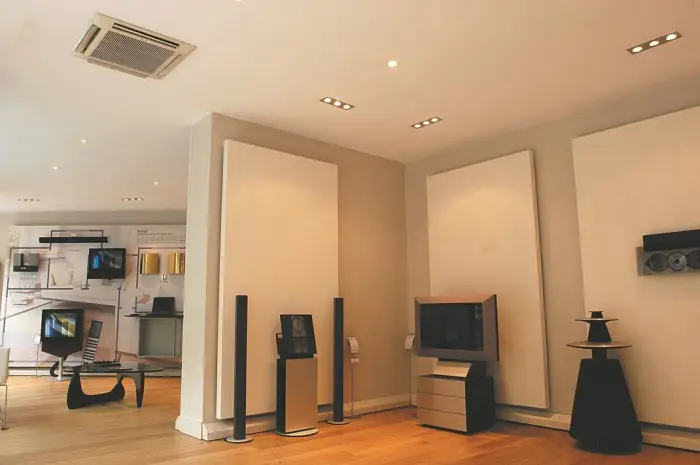
Photo 4 – Clipso 705 Acoustic – Suspended Ceilings (Sound Insulation)
IMPORTANT! Once the room measurements are taken and the work plan is entered into the appropriate project files, individual manufacturing of the ceiling coating begins. The cutting of ceiling panels must be performed only by a specialist based on the obtained data about room dimensions and panel mounting method.
How Much Does Installation of a Suspended Ceiling Cost?
The cost of suspended ceilings depends on:
- Room geometry;
- Type of panel attachment;
- The warranty period set by the contractor for ceiling manufacturing;
- Additional work requirements.
For example, if it's about installation in a room with non-standard geometry, the installation cost will increase depending on the number of corners in the room.
Longer lifespan is provided by mounting with a groove and hook. However, this type of attachment costs more than the wedge type.
The hook mounting method allows partial removal and reinstallation of the ceiling. In contrast, removing a ceiling installed with wedge joints is permanent and requires ordering new panels (full ceiling replacement is mandatory).
Hook Mounting: VIDEO
$ Suspended Ceilings: Installation Cost
The average installation cost of a ceiling ranges from $7 to $19 (depending on the work area and ceiling mounting height). In most price lists, you will not find a separate cost for installation and panel ordering – they are combined into one indicator.
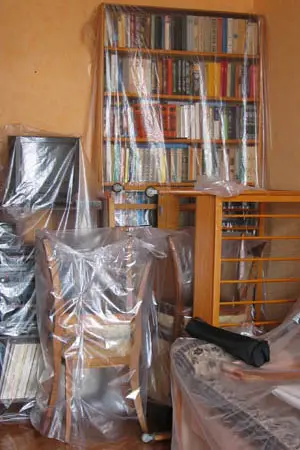
How to Prepare a Room for Suspended Ceiling Installation?Maximize the space in the room: the optimal solution is to move all furniture, especially along the walls. Close the room from drafts.
IMPORTANT! For installing film suspended ceilings, a heat gun is used to warm the panel. The temperature in the room often rises to 45-60°C, so it is important to remove all plants and items that may suffer from temperature impact. For the same reason, it is not recommended to start the ceiling stretching in rooms recently covered with wallpaper.
Ceiling Decoration or Economical and Refined Design?Technologically, this process is not limited in any way: everything is up to the customer's imagination. A matte suspended ceiling is an alternative to standard plastering. It costs about the same, but installation takes several hours (3-5 for a single-level ceiling), not several days. Artistic ceilings (ceilings with a design or photo print) usually cost 17-30% more than a standard white panel. Therefore, the question here is more about the price that interests the customer.
However, it should not be based solely on dry cost calculation: make the choice also based on the design of the room with the new ceiling coating.
Glossy suspended ceilings are heavier than matte ones, and without properly placed ceiling lighting, seams are visible. However, the reflection they provide creates an interesting interplay of light in the room and visually expands the space.
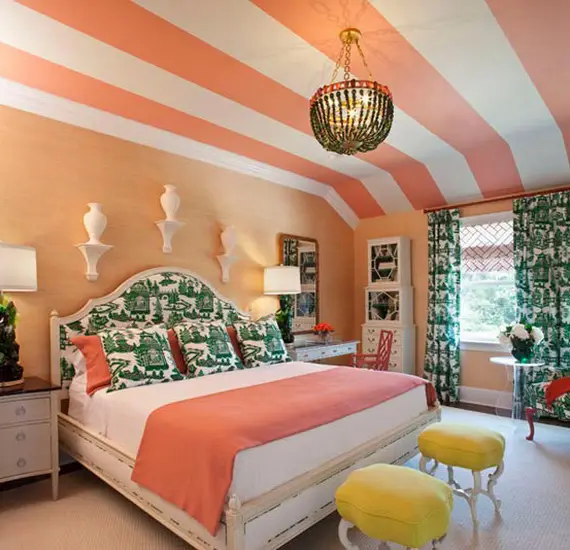
Photo 5 – The Vertical Line Transition from the Wall Harmoniously Fits Into the Interior Design
Technical Specifications of Suspended Ceilings:
- Chemical composition of PVC (panels and hooks) – polyvinyl chloride;
- Panel fire safety class – M1 (meets all fire safety and ecological requirements);
- Specific weight – 180-300 g/m²;
- Thickness – 0.17-0.25 mm;
- Tensile strength – 330 g;
- Moisture resistance – 100%;
- Relative elongation at break – 200-220%;
- Light absorption for matte textures – 95%, for glossy textures – 30% (white – 50%, black – 15%);
- Temperature range – from +5 to +50°C;
- Can withstand pressure over 1000 Pa, load up to 100 kg (l) per m²;
- Resistant to chemical substances;
- Do not burn;
- Not toxic, do not release harmful allergens;
- Dust-proof;
- Do not absorb odors;
- Easy to clean;
- Do not crack;
- Resistant to mold and mildew growth;
- No condensation forms on suspended ceilings.
How Suspended Ceilings Are Made: VIDEO
$ How Much Does a Suspended Ceiling Cost
- In Moscow – from 680 rubles/m² for work area up to 7 m²;
- In Kyiv – from 170 UAH/m² for work area up to 10 m².