Ceiling in a Wooden House: How to Insulate and Finish
The ceiling in a wooden house often does not bear additional weight — such homes are mostly single-story, and the first floor ceiling serves as either the roof of the house or a divider between the roof, attic space, and living room. It is not advisable to cover it with gypsum board, plywood, or other materials.
Rough or planed wood, manually finished with varnish, creates an unparalleled atmosphere in your home. Therefore, before starting construction of the house, you need to decide how to make the ceiling in a wooden house: follow a naturalistic style or not.
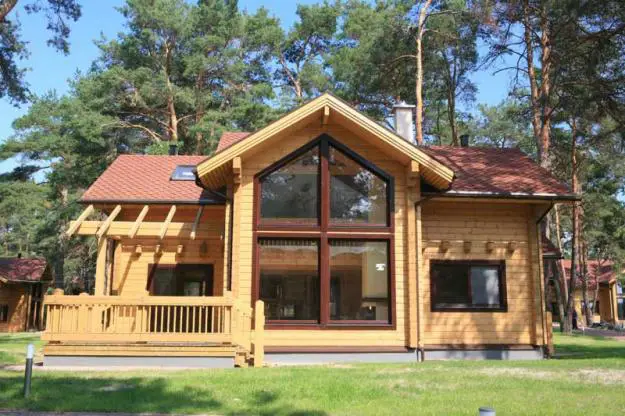
Photo 1 — A wooden house is always cozy and stylish
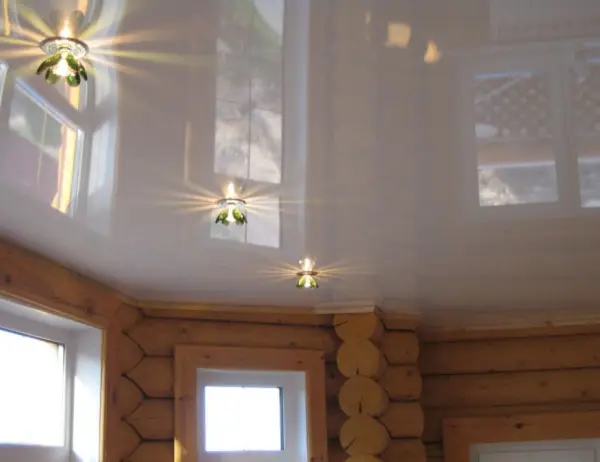
IMPORTANT! In addition to finishing in a corresponding style, proper lighting selection is necessary for wooden ceilings. Quite often, spotlights are chosen as an option, since they can be said to be neutral and do not disrupt the harmony of the wooden structure's interior.
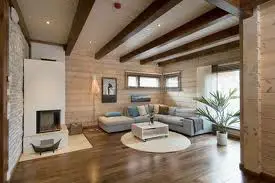
Photo 2 — Spotlights fit perfectly into the interior of a wooden house
Ceiling Construction in a Wooden House
Installing a ceiling, depending on the complexity of the structure, can be done both by yourself and with the help of professionals.
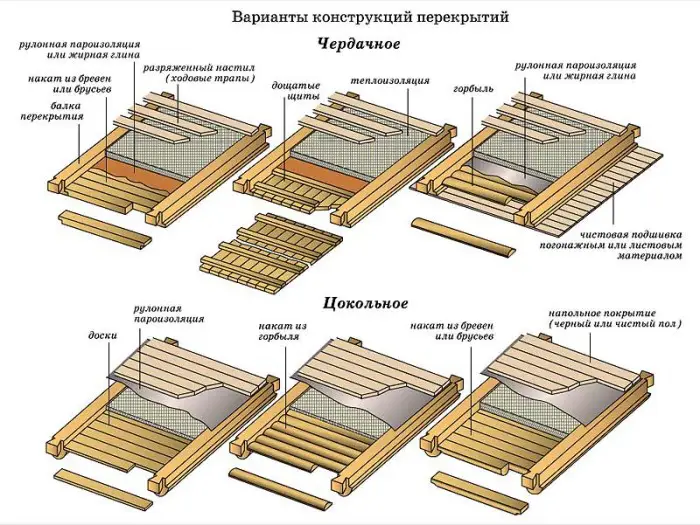
Photo 3 — The ceiling structure in a wooden house is an important and responsible task, as it forms the basis for further work. Here are some types of ceiling construction in private homes
Finishing a ceiling in a wooden house can be very diverse. It all depends on creativity and financial capabilities.
What to Cover the Ceiling with in a Wooden House?
Today, the design possibilities for ceilings are extensive, and any type of ceiling finish can be transferred into the interior of a wooden house. Ceiling finishing in a wooden house should not separate the ceiling from the rest of the interior.
The most popular options for ceiling finishing in a wooden house:
- finishing with beams;
- finishing with wooden paneling;
- finishing with wooden panels.
One of the features of a wooden house is wooden beams on the ceiling, which make the interior even more appealing. In addition to load-bearing structures, decorative beams can also be created — beams that only imitate a strong support of the house. These beams can come in various colors, with carved patterns or whimsical shapes.
The charm of using such beams in the interior is that they can be placed by the client in any convenient spot in the room, and if needed, their location can be changed or even removed without fear that the house will collapse.
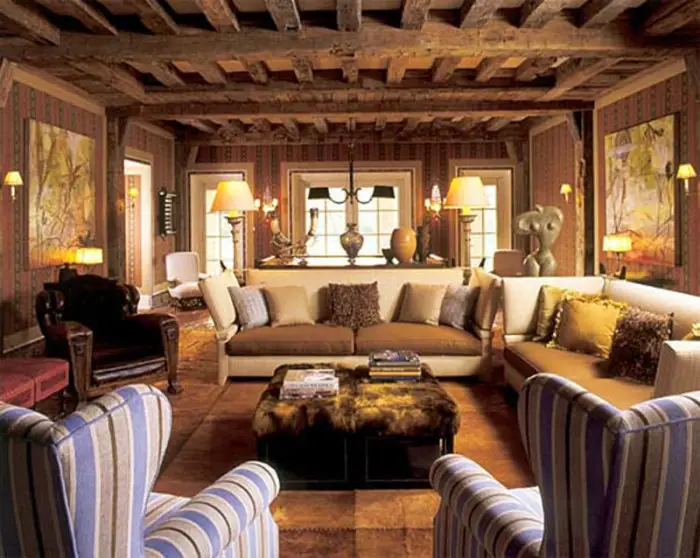
Photo 4 — Beams for a wooden house are an integral part of the interior
Today, many clients have whims, and ordering a simple white ceiling in the interior of a wooden house is not rare. Even if such a ceiling stands out contrastingly from the wall finish, some people find this contrast exactly to their taste. Moreover, white visually expands the space.
A white ceiling is often used in a bedroom and can be created on a wooden beam floor. The most common options are using gypsum board or plastering or covering with plywood/paint.
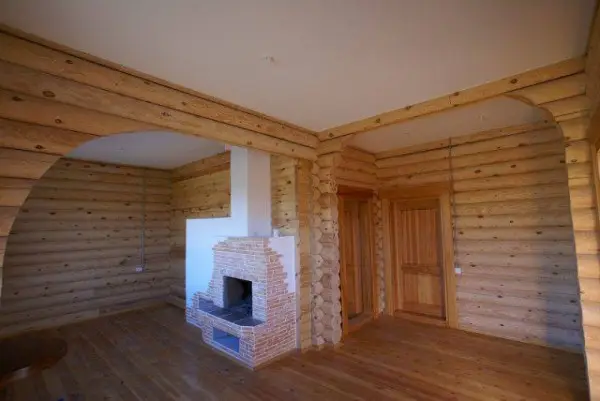
Photo 5 — A white ceiling does not destroy the comfort of a wooden house, but rather complements it
Plastering wood is becoming less common. The reason: this type of work is not easy and requires a lot of time.
A more modern option is to mount gypsum board directly to the ceiling. However, just like plastering, it cannot be mounted directly on the rough ceiling. For this purpose, a metal structure (frame) is first attached to the beams, and then sheets of gypsum board are mounted to it.
Gypsum board ceilings are durable and not affected by natural changes in wooden structures (settlement, expansion). Additionally, another advantage of gypsum board or plywood ceilings is excellent sound insulation.
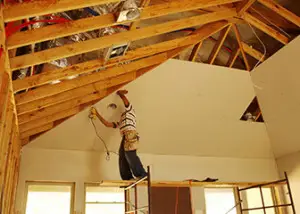
Photo 6 — Installing a gypsum board ceiling in the living room of a wooden house helps to hide the roof structure
The most suitable option for creating an interior in a wooden house has always been and continues to be wood, so a ceiling made of wooden paneling will be the most appropriate solution. Paneling is a strip that has undergone industrial processing. From these strips, made in a butt joint, a beautiful natural finish can be created.
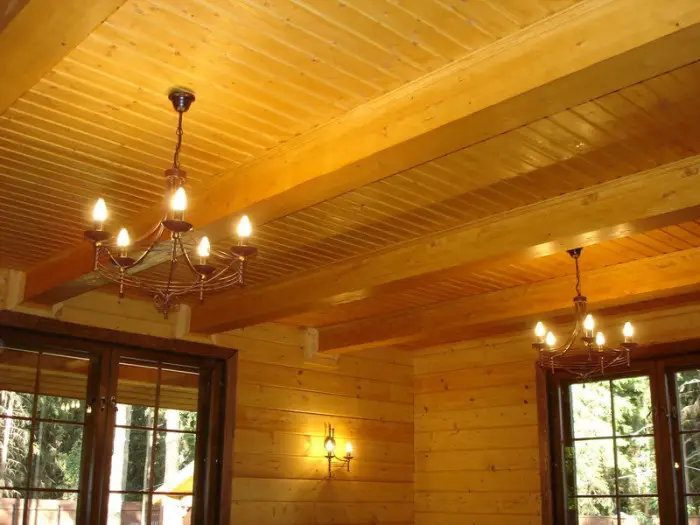
Photo 7 — Ceiling finishing with paneling in a wooden house
Advantages of a ceiling made from paneling:
- thanks to paneling, all wall defects and communication lines can be concealed;
- the material has excellent sound insulation properties;
- paneling allows for additional room insulation;
- the material is durable and retains its original appearance over a long period;
- paneling is a material that easily allows for most design solutions;
- it is relatively economical, which allows saving on ceiling finishing without compromising the quality of the finish.
Another excellent “wooden” ceiling finishing option in such a house is real wooden panels. Natural wooden panels will last as long as the house itself. The type of wood is chosen based on the architectural solution. The only drawbacks of such panels are their high cost and more complex installation process (the average price ranges from $7 to $25 per square meter of decorative surface, depending on the wood species).
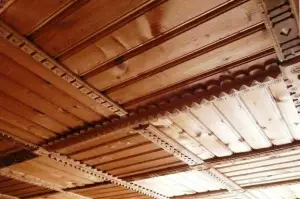
Photo 8 — Various patterns can be made from wooden panels
For true connoisseurs of luxury, one should consider wooden suspended ceilings that are breathtaking in their grandeur.
Cassettes (from French caisson — “box” and Italian casseta — “cassette”) are rectangular or other shaped recesses in a dome, ceiling slab, or inner surface of an arch.
The history of suspended ceilings dates back to ancient times. In Italy during the Renaissance, artists painted cassettes with scenes, usually based on myths and legends. This ceiling decoration technique has not lost popularity and is one of the best places for such a solution in a wooden house. However, now it’s possible to do without depicting the deeds of Heracles — volumetric carving is enough.
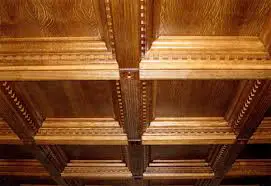
Photo 9 — Suspended wooden ceilings look truly luxurious
Installing a wooden ceiling has its own specifics, as such a ceiling does not like moisture, and therefore efforts should be made to isolate it from excess water. When renovating a wooden ceiling, pay attention to waterproofing.
A wooden house is more demanding in care than an urban apartment. Wood does not like excessive moisture, and thus requires maintaining the proper humidity level in the room. Therefore, a wooden house must have vapor barrier. This can be done using special membrane, film, rubberized asphalt, tar paper, or foil.
Vapor barrier is a layer that allows moisture to pass through only from the inside, so the house does not get over-moistened,