Characteristics of Chinese Wallpaper
Wallpaper: China
To be honest, Chinese wallpaper in design does not differ too much from what we are already accustomed to seeing on the wallpaper market: the same tones, colors, textures, the same typical patterns (flowers, grass, stripes) and photo wallpapers. Except for wallpapers made in a national theme, it is practically impossible to distinguish Chinese wallpaper from some Belarusian ones without looking at the roll label.
Yet the history of Chinese wallpaper spans not just decades—but hundreds of years (the first written mention of paper wallpapers dates back to 1509).
Traditionally, natural or plant-based wallpapers are considered characteristic of Chinese wallpaper collections. These materials are made from unbleached paper, decorated with fibers of reed, jute, bamboo, papyrus, and other natural materials. Such wallpapers are ecologically clean and look quite fresh in interior design, allowing you to create a room in Chinese style by adding just a few decorative details.
Wallpapers with Chinese characters, drawings of the Great Wall, or images of beautiful Chinese women are more often export products than items for the domestic market. For example, have any of your friends or acquaintances ever decorated the walls of their apartment with wallpapers featuring the Cathedral of St. Basil the Blessed or the Kiev Monastery of the Caves?
It's the same in China: there is no particular affection for using wall coverings with national landmarks or other symbols. Therefore, Chinese dragons on the walls of Chinese apartments are more often found as decorative elements—statues on shelves, hanging amulets, and so forth. As for Chinese characters, even more so. Most of these symbols carry a specific meaning, and using them carelessly, if one believes in their mystical powers, might attract unwanted attention from spiritual forces.
The next case of wallpaper association is almost irrelevant but quite revealing: at an official reception, the wife of an ambassador once wore a custom-made dress embroidered with two beautiful Chinese characters. It turned out that the elegant lady spent the entire evening in a dress adorned with the words 'Cheap' and 'Fast', based on Chinese characters spotted in an exotic bistro.
Therefore, if you decide to decorate your home with elements of Chinese calligraphy, first verify the meaning of the characters depicted on the wallpaper strips. No, no, it might end in embarrassment. Who knows what could be written there.
Regarding average pricing, Chinese wallpapers can be safely classified as affordable: prices rarely exceed $7–$15 per roll (with the exception of hand-painted silk, which can cost up to $96 per square meter).
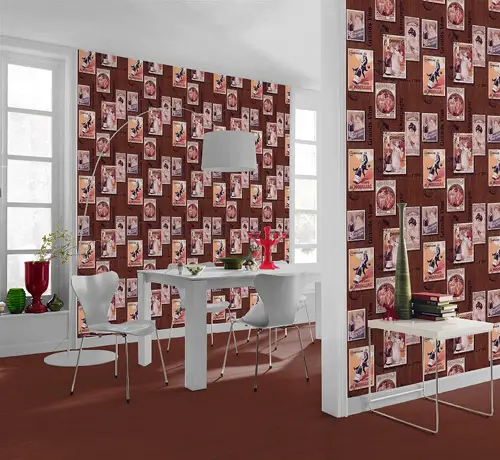
Otherwise, Chinese wallpapers look like this: Dentsu China (Picasso Artistic Wallpaper series) – check it out
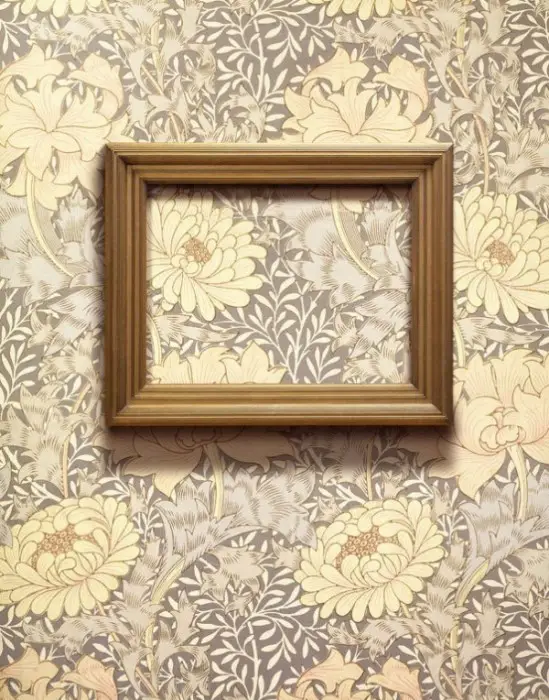
Photo 1 — Dentsu China Wallpaper, Picasso Artistic Wallpaper Series
Chinese Manufacturers
Hangzhou Great Tang Bamboo is one of the largest players in China's wallpaper market.
The factory specializes in producing natural wallpapers made from bamboo, as well as wallpapers with bamboo shavings added. Hangzhou Great Tang Bamboo also produces a series of latex wallpapers based on epoxy resin.
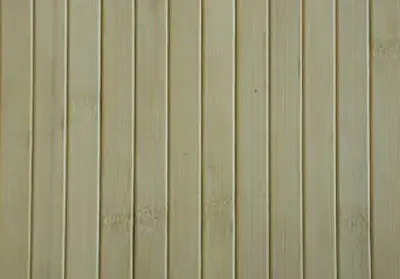
Photo 2 — Bamboo Wallpaper by Hangzhou Great Tang Bamboo
Huzhou City Xiangshun. The main specialty of this factory is manufacturing wall panels based on natural materials, as well as producing reed wallpapers.
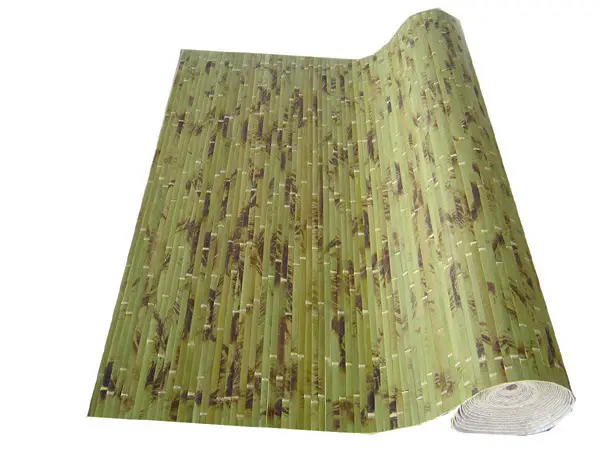
Photo 3 — Bamboo Wallpaper by Huzhou City Xiangshun
Ningbo Zhuocheng Wallcovering – a factory producing quality wallpapers, tapestries, and curtains mostly based on European designs.
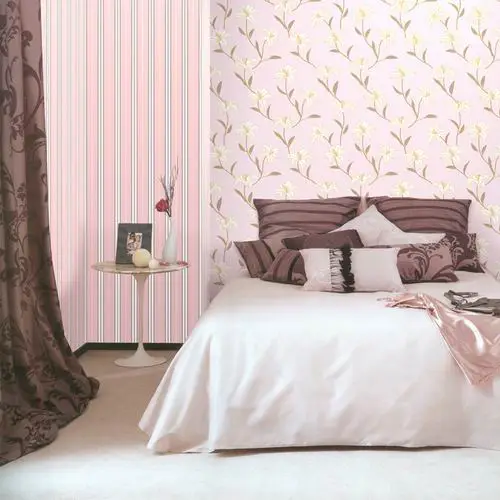
Photo 4 — Ningbo Zhuocheng Wallcovering Wallpaper, model 'Flower Love'
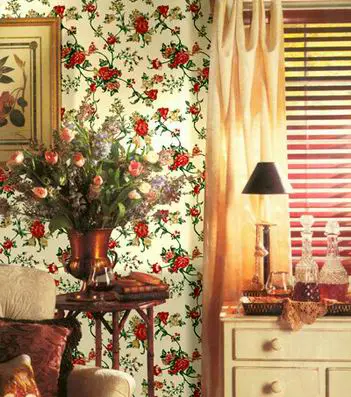
Photo 5 — Ningbo Zhuocheng Wallcovering Wallpaper, model Azalea
Special place in the industry is occupied by handmade wallpapers. While Italy, for example, is famous for its textile wall coverings, China is known for silk paintings.
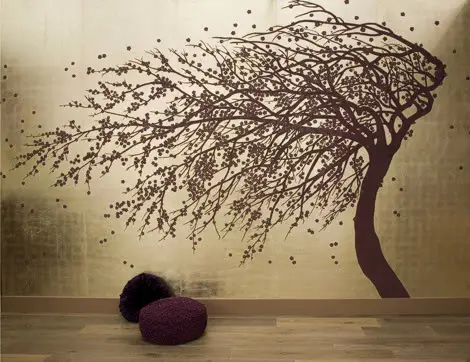
Photo 6 — Example of silk-painted wallpaper
Wallpaper (China): Where to Buy
- In Kyiv – from 24 UAH per roll;
- In Moscow – from 96 RUB per roll.