What You Need to Know if You Want to Repaint Walls
Decided to replace wallpaper with paint and don't know where to start? We tell you how to prepare the room, calculate the amount of paint, and apply it correctly.
It may seem like there's nothing simpler than repainting walls or furniture, but in reality it's not that easy. We share the main nuances and useful tips.
Color Choice
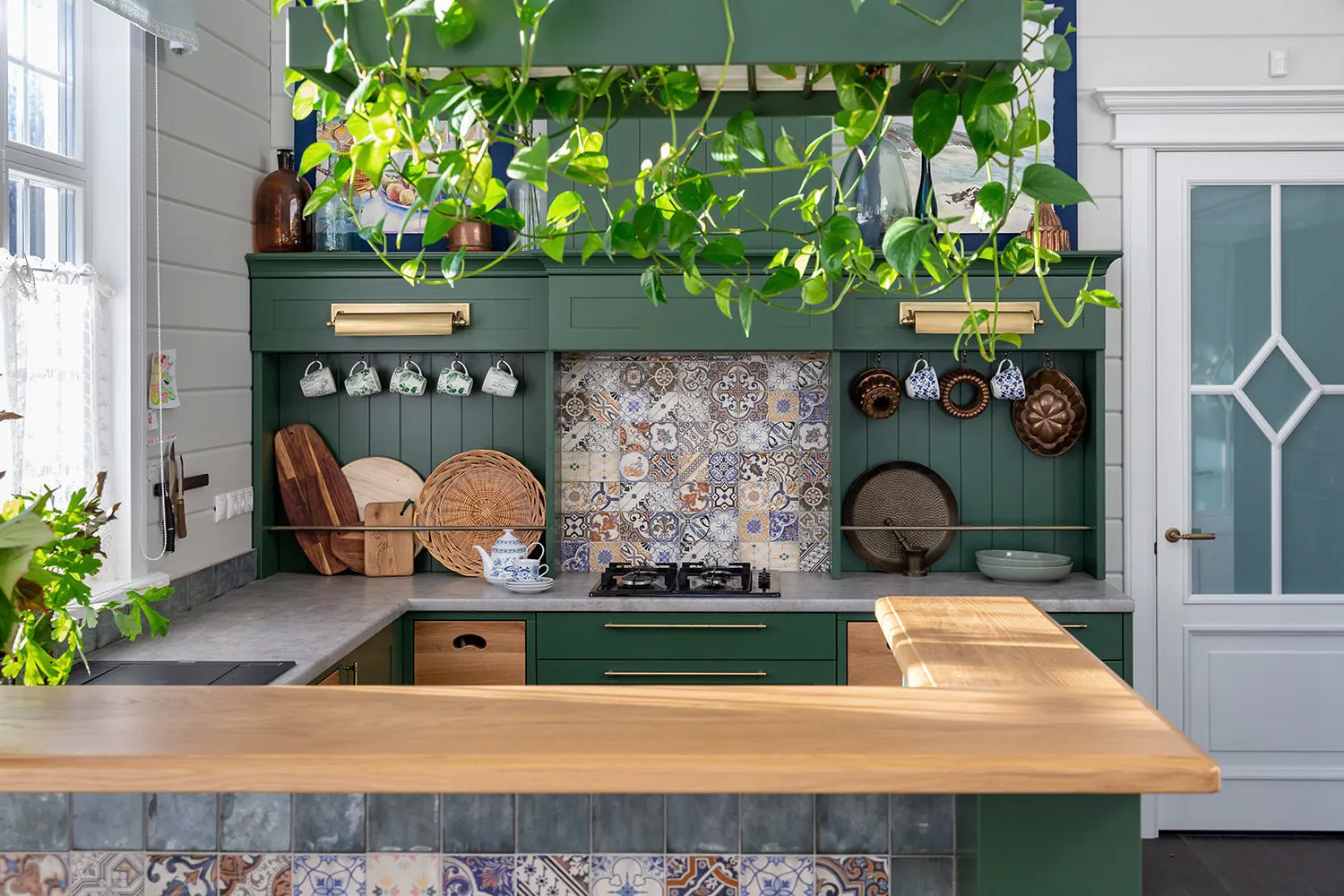
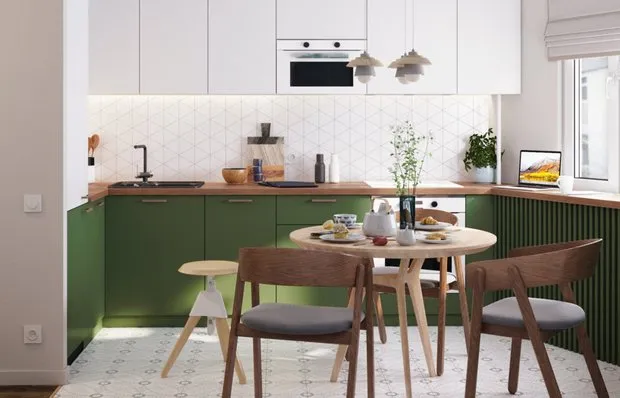
- If you're unsure what color to pick, look at the shades already present in your home. For example, maybe it's the sofa or one of the colors on a poster. If the color matches surrounding items, you won't go wrong.
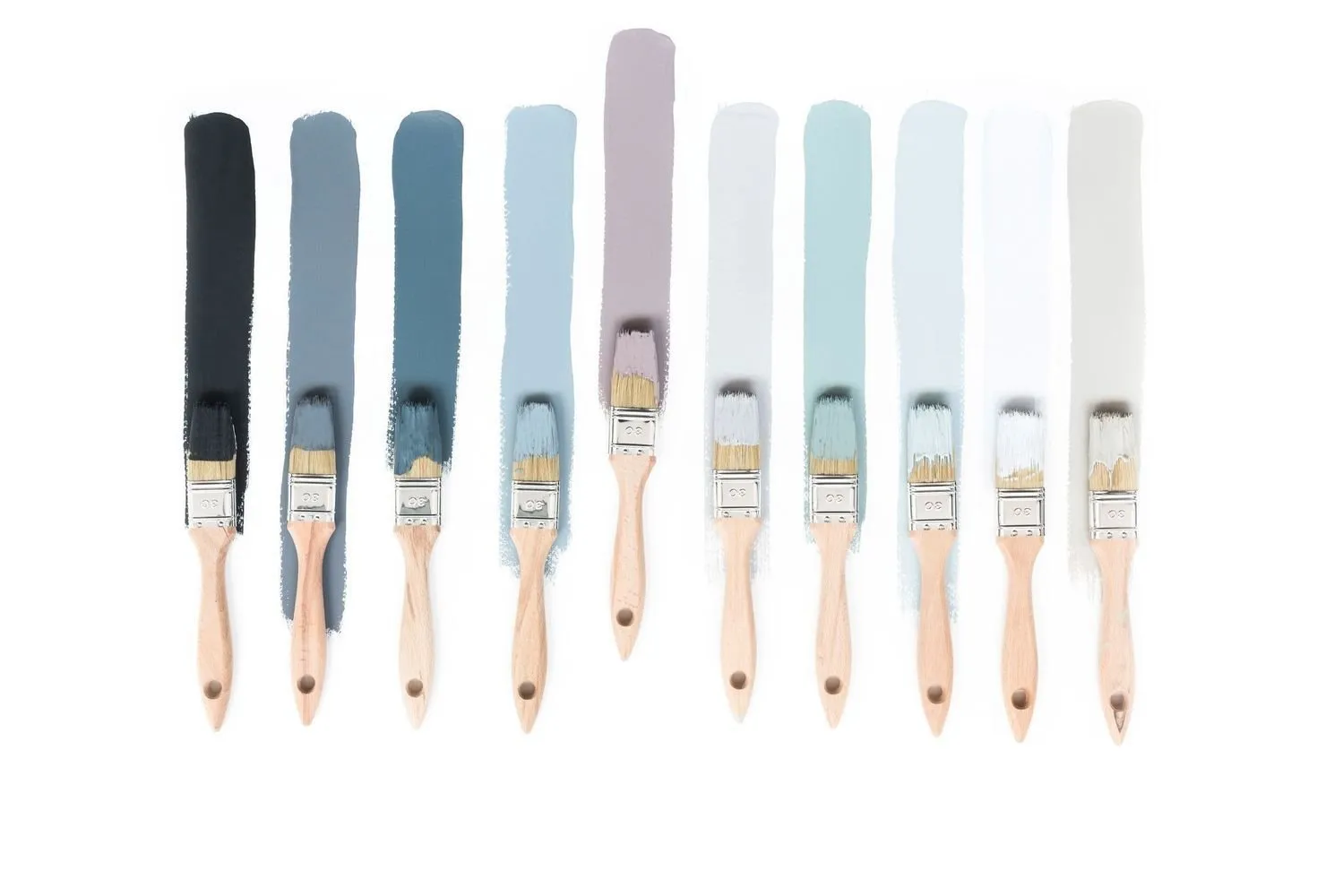
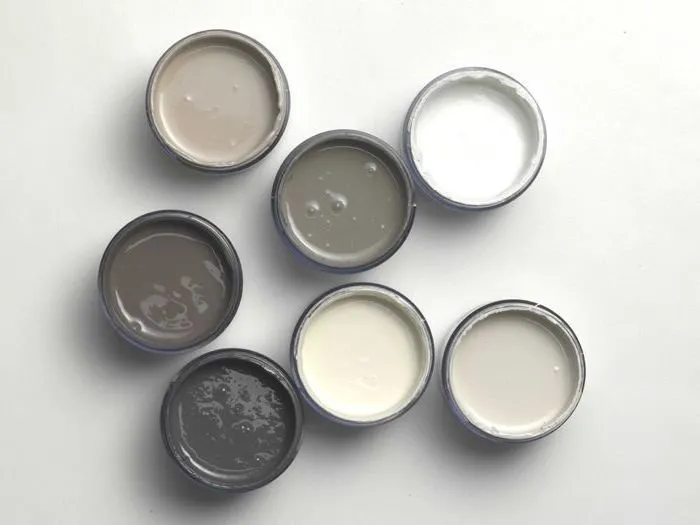
- Take a few paint samples with you and check how they look in the room. Hold them up to the walls, floors, furniture, and other items.
- Take a few samples of the colors you like and make test patches on a piece of gypsum board. See how the shades look at different times of day and under artificial lighting.
Glossy or Matte?
- Matte paint hides wall imperfections well and spreads evenly on any surface. However, one drawback is that it doesn't wash off easily. Therefore, it's suitable for hard-to-reach areas where fingerprints and furniture marks won't remain. For example, ceilings.
- Velvet paint has a soft sheen and looks gentler than semi-glossy paint. It's perfect for walls.
- Semi-gloss or glossy paint reflects strongly but is also easy to clean. It's better suited for kitchen cabinet finishing.
How to Calculate Paint Quantity?
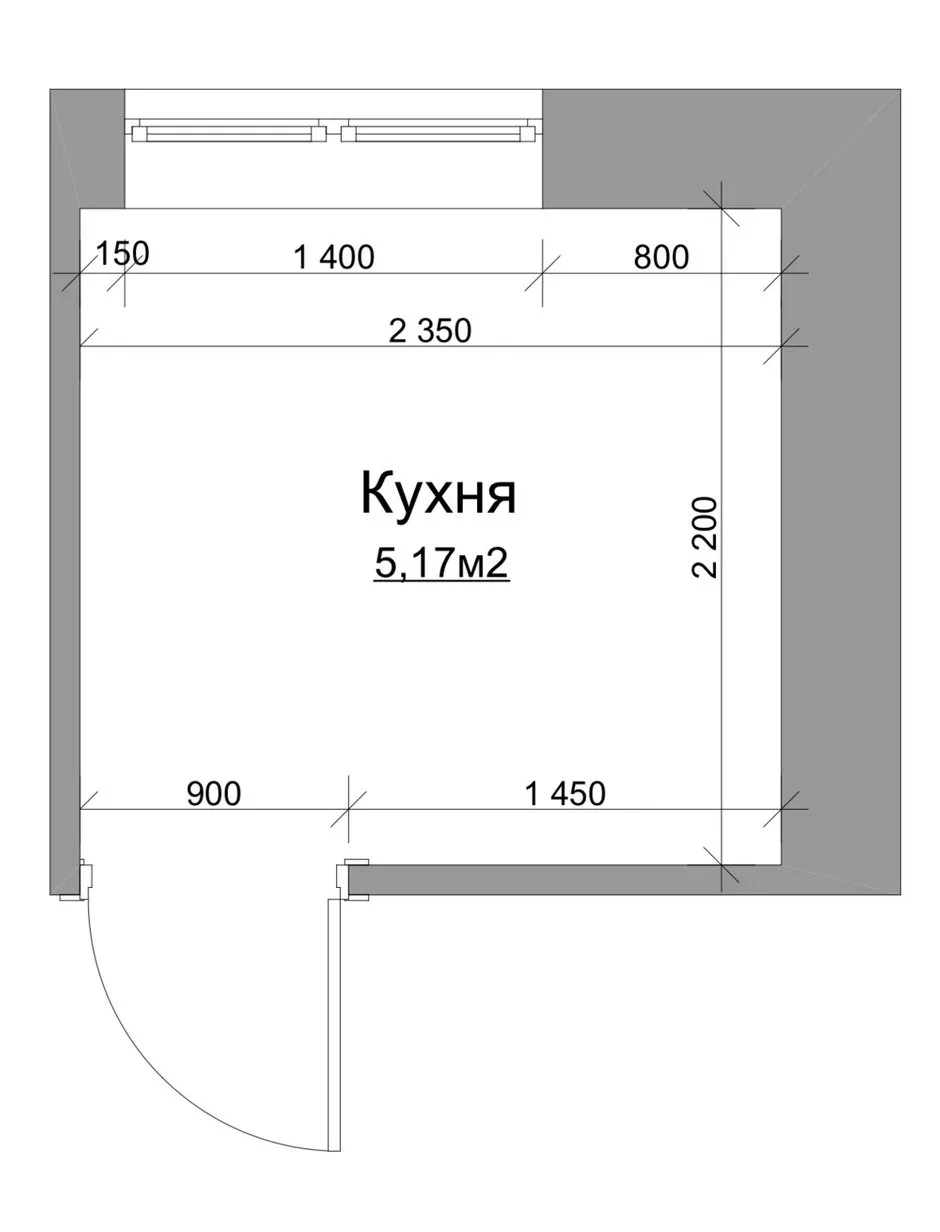
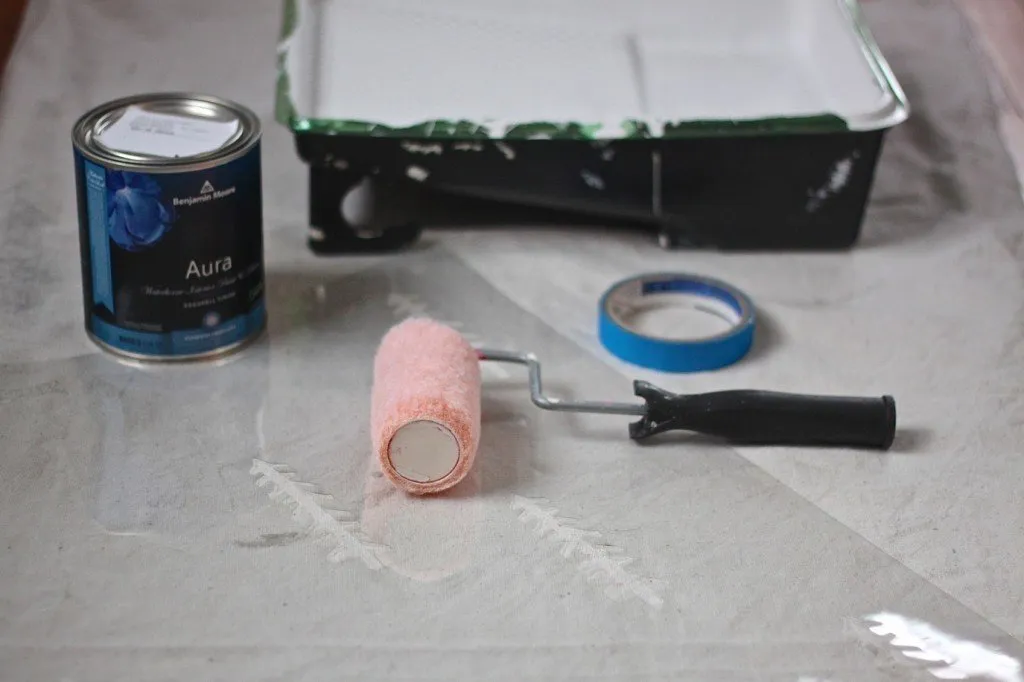
- Measure and add the width of all walls in the room. Multiply that number by the height of one wall from floor to ceiling. From the total area subtract the combined area of all doors and windows.
- Remember that paint should be applied in two coats, so you'll need to double the calculated amount.
Preparation for Painting
- Remove all items from the room that you don't plan to paint.
- Mask windows, doors, ceilings, and skirting boards with painter's tape—everything that needs protection from paint.
- De-grease surfaces using a special solution.
- Fill cracks in walls and ceilings with spackle and sand carefully.
- Remove dust after sanding.
- Prime the surface.
- Make sure you have all necessary tools to avoid interruptions during work.
How to Paint Correctly?
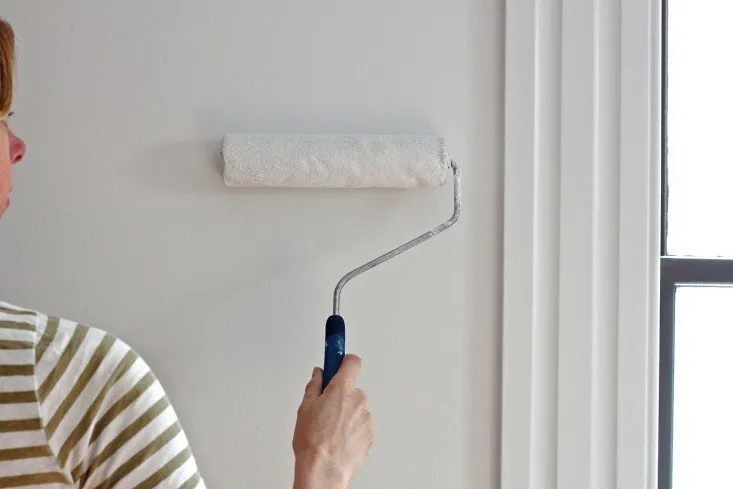
- Work from top to bottom: start with the ceiling or upper part of the wall and move toward the floor. Even if paint drips, you won't damage already painted areas.
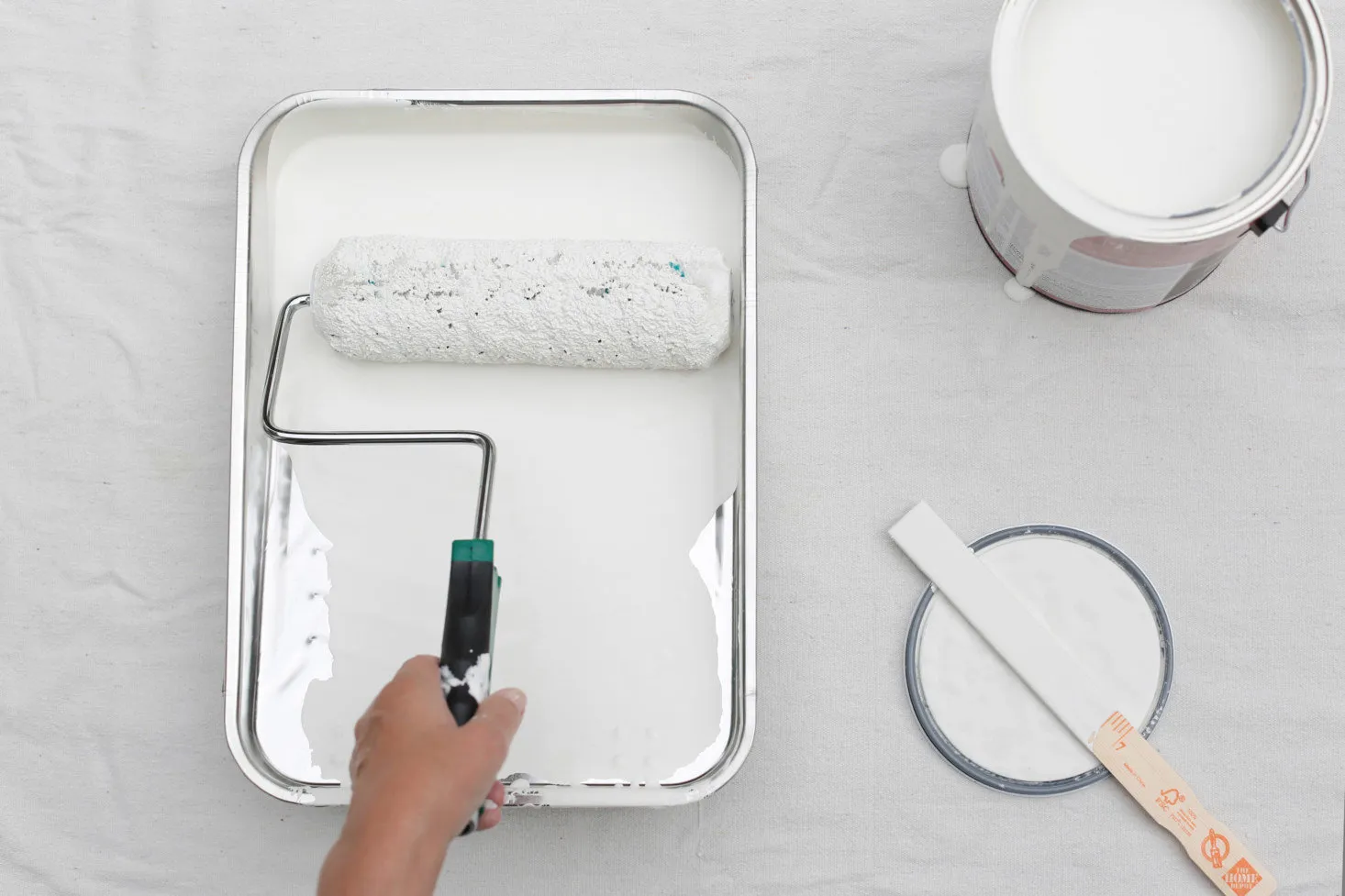
- Don't load the brush or roller too heavily with paint, otherwise it will drip onto the floor. But don't restrict yourself either: applying too little paint to the roller will require extra effort and cause hand fatigue.
- Apply paint with straight strokes. Then go over the freshly painted areas to ensure even distribution.
How to Combine Several Shades?
- If you want to repaint furniture or add a gradient on walls, move from light to dark. Let the upper parts of items always be lighter than their lower sections: lighter tones dominate. Dark colors weigh down the item and ground it.
- Play with contrast between walls and ceiling. For example, a lighter ceiling adds airiness to the space. But dark tones can also look interesting and bring warmth to the room.