9 Things to Get Rid of + Ideas on Where to Donate Them
We explain how to free up space in your apartment and get rid of all unnecessary things
Often, we keep useless old items at home that take up a lot of space on shelves and in wardrobes. We tell you what you can get rid of without regrets and how to do it with care for the environment.
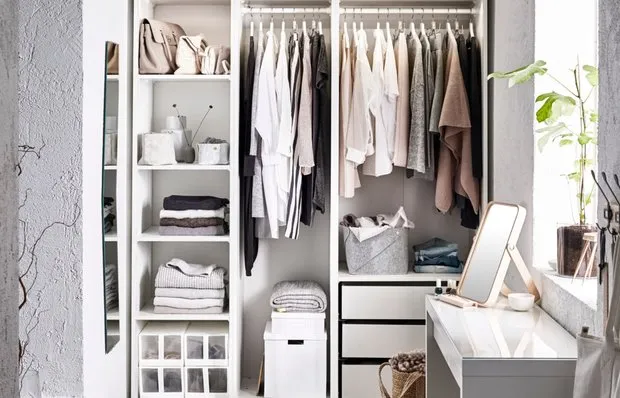
Old clothes, shoes, and accessories
We already explained how to sort through your wardrobe and understand which specific items you no longer need. But what to do with them next?
- Give to friends. Gather all items in a bag. Make sure they are clean and usable.
- Trade or sell. For example, on the site "Avito" or "From Hand to Hand".
- Donate to a store. In H&M near the checkout, there are special bins for collecting old clothes. You will receive a 15% discount coupon that can be used for future purchases. Or take the items to the charitable store "Joy Store"— they accept both clothes and shoes.
- Donate. There are many companies that collect old items in good condition: "Dump", "Collector", "Good Things". You can drop off all unnecessary items at collection points or arrange for pickup directly from your home. Later, they will be donated to charitable foundations or sold (with part of the proceeds going to charity).

Important
Most services are not operating during quarantine, but some offer contactless pickup from your apartment. For this, you need to gather all items in bags and place them by the door.
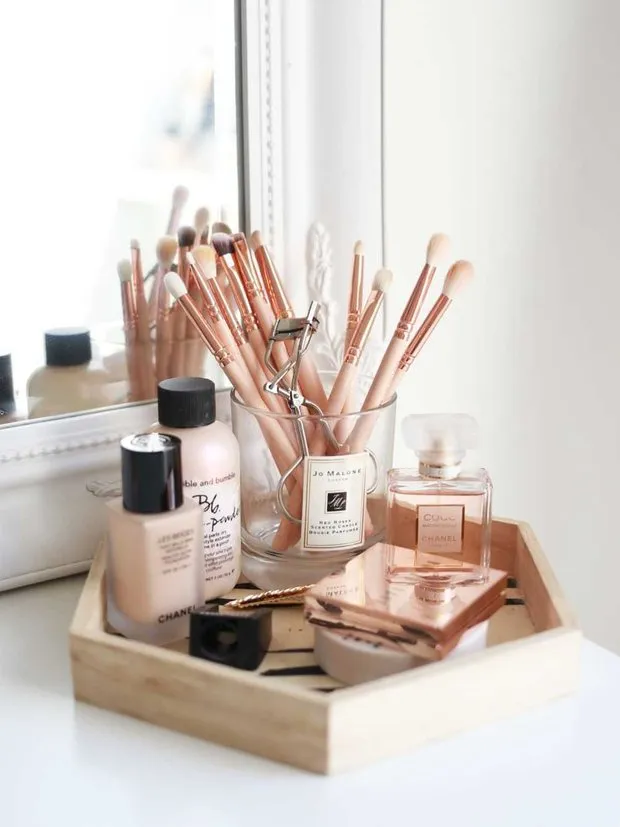
Expired cosmetic products
When was the last time you checked the expiration dates on tubes and pots in your cabinet? According to Russian standards, the maximum storage time for cosmetic products is 36 months. However, it's important to pay attention to the expiration date of opened products. Usually, once a package is opened, it's good for no more than 18 months.
Some products should be replaced even more frequently. For example, if your mascara is over three months old, it's better to buy a new one. Tinted creams can be used for up to a year, and lipsticks for about 1.5 years.
Where to drop off cosmetic product tubes? To special collection points for waste or cosmetic stores like MAC, Kiehl's, Origins, and Lush. Important: they only accept packaging from their own brand. Also, make sure the tubes are empty and clean.
Boxes and bags
Check the warranty periods of all gadgets and household appliances— if they have expired, there's no point in keeping the packaging. For example, cardboard boxes can be safely thrown away in the trash—they don't harm the environment. Just make sure to flatten them first so they don’t take up too much space in the container.
Plastic bags and packaging can be donated to special collection points. Currently, these are not operating, so it’s better to collect all items in one place and donate them after the quarantine ends. You can quickly find the nearest point on the Recyclemap map.
Old books
If several generations of your family lived in the same apartment, there may be old books in the wardrobes. They take up a lot of space and gather dust, so you need to go through the copies and decide what you definitely won’t read. But what to do with them next?
- Donate to a library. The process has its own challenges—you need to call specific libraries and find out how many books they’re willing to accept and in what condition. Of course, this is free.
- Sell. You can use platforms like "Avito" or book-selling websites such as Alib.ru and Libex.ru (it’s better to sell rare copies individually). You can also take books to a used bookstore and even negotiate with the staff.
- Donate. For example, to children's homes. The easiest way is through the "Collector" service.
- Donate for recycling. Book lovers may not like this option, but some books in poor condition can be donated to paper recycling centers. The Recyclemap will help again—just select the "paper" filter.

How to tell if a book is valuable?
Check whether it’s sold on second-hand sites and at what price. Evaluate the appearance of the book—does it have defects, scratches, or folds? The better the presentation (illustrations, cover), the more valuable it is.
Pay attention to the year of publication—everything published before 1940 is considered antiques. Also, consider the publisher: if it was short-lived, that's a bonus. The popularity of the author and print run also matter—less is better.
Compact discs and cassettes
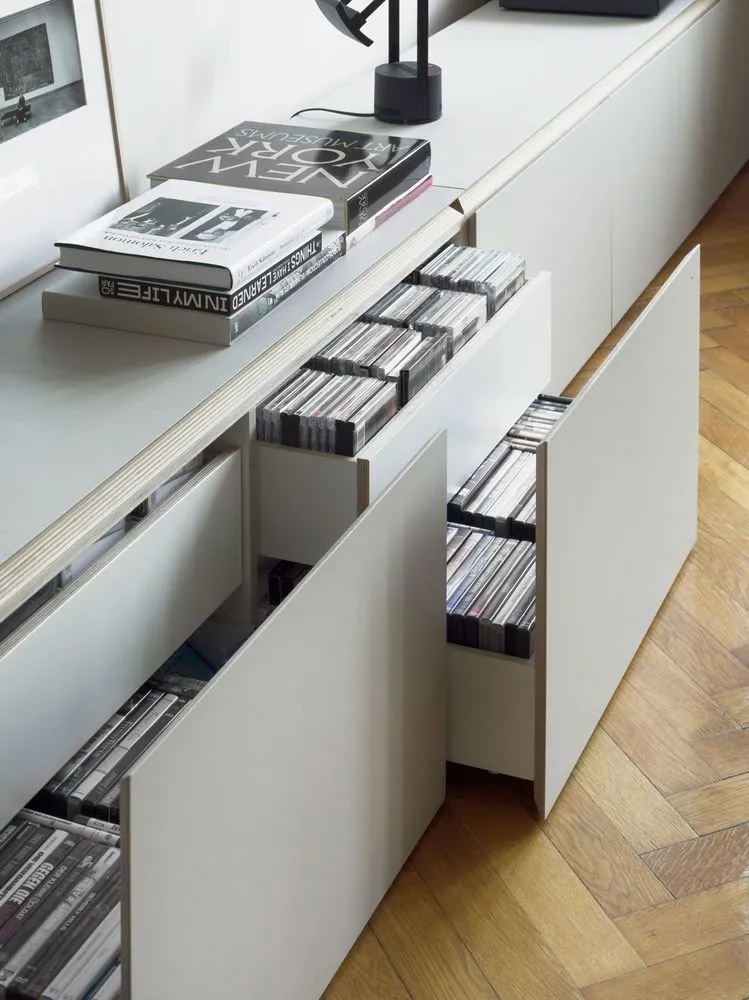
You probably still have old CDs and DVDs, as well as cassettes with films, audiobooks, or personal recordings. Important data can be digitized, but what to do with the media? You shouldn’t throw them away—they pollute the environment as much as plastic.
- List for sale. Some discs with films, music, or classic games may be useful to others. However, you won’t make much money from them.
- Donate for recycling. For example, to the "Ecology Sphere" collection point or the same "Collector".
Unnecessary electronics
Unused cables, chargers, and batteries are found in almost every home. Usually, they are stored in boxes, wardrobes, or drawers and take up a lot of space. As you already know, you shouldn’t throw them away either. What else can you do?
- Sell. Unneeded chargers can be sold along with an old phone. It’s easiest to do this online, on the same "Avito".
- Trade-in. For example, an old laptop can be exchanged for a new one with a small additional payment. Almost all electronics stores offer this option.
- Donate for recycling. In every "Vkusvill" store, there is a container for collecting old batteries—just take them with you when shopping. Old cables, chargers, and phones can be donated to "Collector" or the nearest waste collection point.
Expired food products
Go through your kitchen cabinets—there might be products you haven’t thought about in years. It seems like sand cookies can't go bad, but actually, they should not be stored for more than three months (in open packaging). The same applies to candies and chocolates—they lose their taste over time.
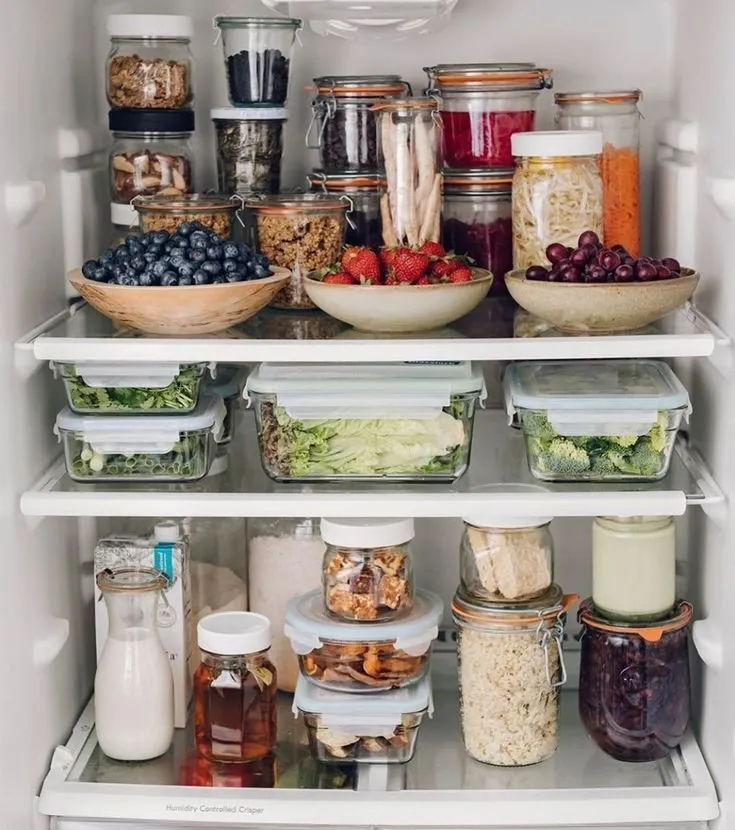
Grains should also be checked for bugs (so it's better to transfer them into sealed containers and label the expiration dates). By the way, here’s how long grains can be stored:
- buckwheat can last up to 20 months;
- rice — up to 1.5 years;
- semolina no more than 14 months;
- millet — 4 months;
- oat flakes — 4–5 months.
Important
Check your freezer—any food stored there should not exceed a year. Over time, they lose their taste, and the bacterial count can only increase if the temperature is not properly maintained.
Optimal storage temperature: -18 degrees Celsius or below.
Empty jars and containers
Free up the shelves in your kitchen: if you don’t plan to make food preparations, you can get rid of old and bulky jars. As we’ve already said, glass and plastic are accepted by special services and recycling centers. You just need to find the nearest one to your home.
Old documents and discount cards
We’ve already explained how to properly sort documents into categories, but first choose what you definitely won’t need anymore. Convert everything that’s needed into digital form—this also applies to plastic discount cards you rarely use. You can add them to your digital wallet.
Before throwing away cards, cut them with scissors (especially if they contain personal information). Also, shred all paper or tear it into small pieces.