Roof Repair with Ruberoid
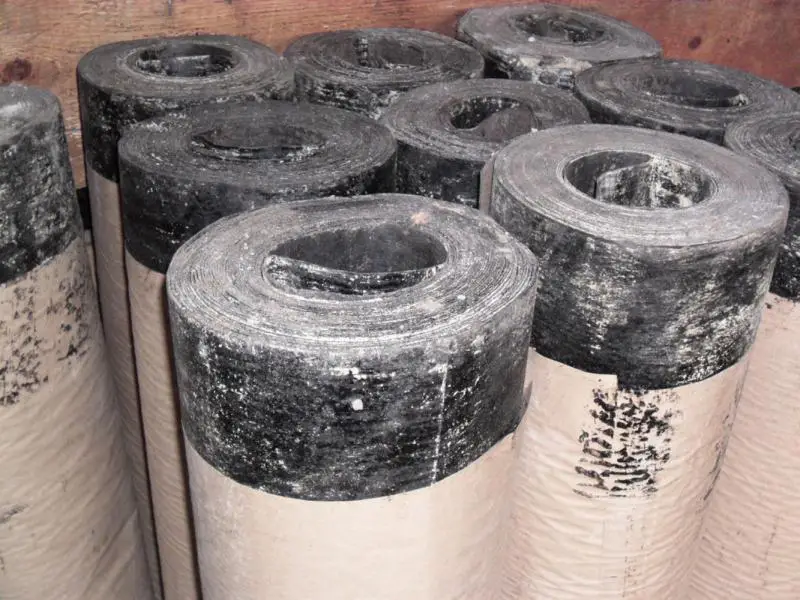
Roof repair on flat roofs is most often associated with replacing the waterproofing membrane. Ruberoid or rubemast — two of the most affordable and low-cost materials for roofing waterproofing — are most commonly used on flat roofs. Replacement can be either complete or partial, depending on the condition of the material surface.
Typically, the service life of a non-repairable roofing membrane ranges from 5 to 10 years. The waterproofing membrane is often mechanically damaged by foot traffic from various personnel, including elevator shaft inspectors, advertising structure installers, antenna technicians, air conditioning maintenance staff, and others.

Originally, ruberoid was not designed for use on accessible roofs, and special walkways or pedestrian paths were intended for foot traffic. Unfortunately, the low cost of the material has led to its widespread use even on roofs that should ideally be waterproofed with other materials, such as PVC or TPO membranes, which offer significantly higher strength and durability.
Another major issue with floating roofing systems is ice buildup, and more specifically, the method of its removal: in Russia, it is usually done mechanically with a steel scraper. Often, this method of roof cleaning results in removing not only the ice but also the entire roofing structure. To protect flat floating roofs from ice buildup, it is recommended to use special heating cables that maintain the roof surface temperature above zero throughout the cold season.
Repair Procedure
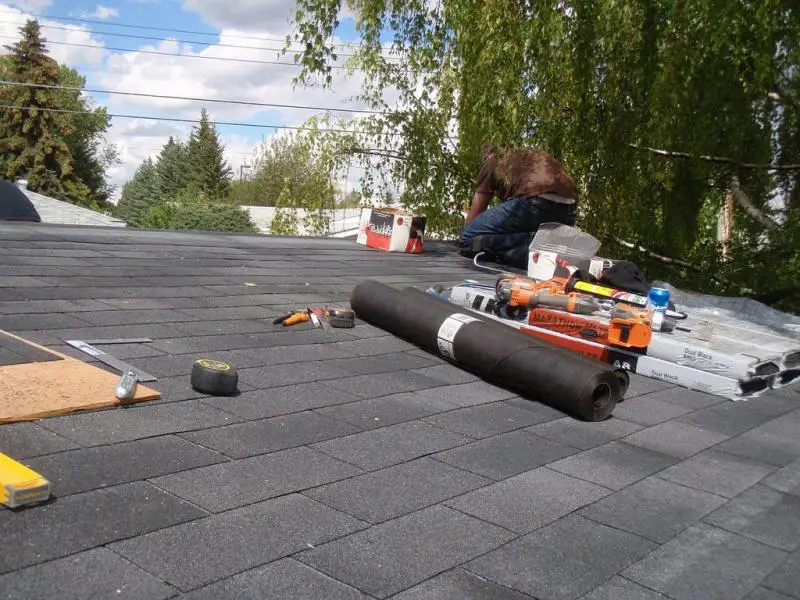
Before installing new roll-on floating roofing material, it is necessary to remove the old one that has lost adhesion to the base or has mechanical damage, delamination, or other defects. Additionally, all debris must be cleared from the flat roof, as it tends to accumulate due to structural features such as parapets and low slope.
Parapets prevent the removal of leaves, branches, and other debris. However, when repairing roofs with floating materials, any debris trapped under the ruberoid membrane will inevitably compromise the integrity of the waterproofing layer or cause air bubbles to form later.
Repairs can be either large-scale or patch-based. In patch repairs, only the top layer of material is applied, with the base consisting of previously installed two to three layers of ruberoid. In large-scale repairs, covering an entire section rather than a single leak, ruberoid is applied according to standard procedures: first 1–2 underlayment layers of RPP, followed by a final top layer of RKP.
Adhesion is typically performed using bituminous mastic or simply melted bitumen. Mastic is preferred because it contains a complex of plasticizers and additives that improve adhesion and other performance characteristics of the roofing system, especially in cold or wet weather.
Additionally, mastic is supplied ready-to-use in steel pails and does not require pre-heating before application. This significantly increases the speed of roofing work, although it comes at a higher cost compared to regular bitumen.
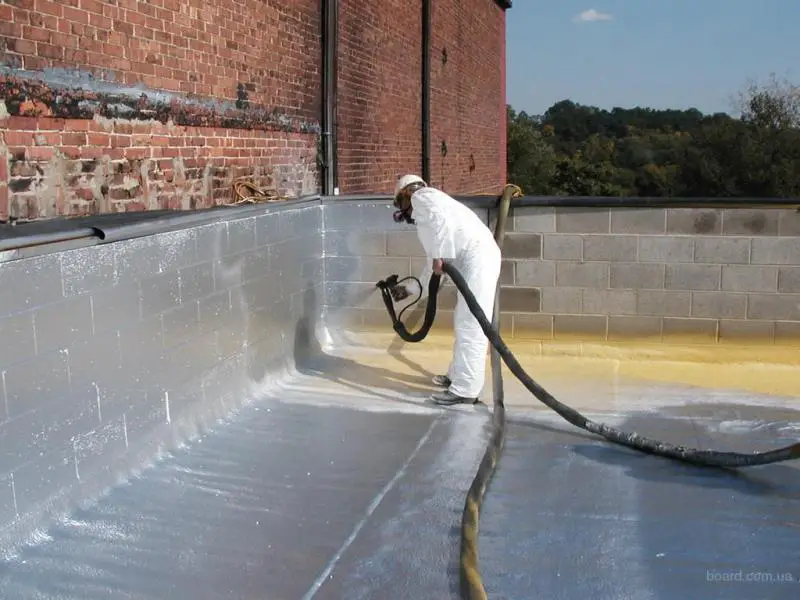
To ensure waterproofing of vertical roof elements — parapets, concrete footings for equipment or advertising, and other structures — the waterproofing membrane is extended upward by 40 cm. After adhesive application, it is pressed down firmly with a special compression strip securely fastened to the parapet base. Additionally, areas around drainage outlets and other junctions requiring cuts in the ruberoid are reinforced with additional patches of the same material, applied in two to three layers over the cut.
When installing ruberoid in large sheets, a lap of at least 15 cm between adjacent rolls is essential. Remember that bituminous materials undergo significant shrinkage in the first months of roof operation, and insufficient lap may result in joint leakage and eventual roof leaks.