Repair Roof Yourself
Before examining various methods of roof repair, particularly in response to leaks, let's briefly discuss the nature of these leaks—what causes them in different roofing structures. A roof leak is always an emergency situation. Leaks most commonly occur in spring during snowmelt or in summer during heavy downpours.
Water in the roof space is not only unpleasant but also dangerous. For example, damp walls may cause electrical short circuits. Regular moisture exposure to porous materials such as wood or gas-silicate blocks will inevitably lead to mold and mildew formation on internal surfaces.

Common Causes of Roof Leaks
Reason #1. Poor roof installation.
Work done with errors may not become apparent immediately, but only in the first spring after roof use. Usually, after a month or more, contractors who installed the roof are no longer traceable. This means that from the very beginning—during the selection of workers and materials—only trusted professionals (preferably recommended by friends or neighbors) should be hired.
The roof structure must be assembled in the correct sequence, strictly following all technological steps as detailed in manufacturer guidelines for roofing materials.
Reason #2. Defects in the roof's waterproofing membrane.
Any breach in the waterproofing layer will inevitably lead to insulation dampness, which in turn causes through-freezing of the roof. Frozen water within the insulation will tear fibers and cause localized delamination of the waterproofing membrane.
Inspecting the Roof and Assessing Damaged Areas
If the roof damage is localized, you may attempt a self-diagnosis. To do so, climb to the attic to first assess the condition of the truss system, floor decking, and the inner side of the waterproofing layer. Moisture typically leaves stains or dark spots on wood surfaces or synthetic waterproofing film.
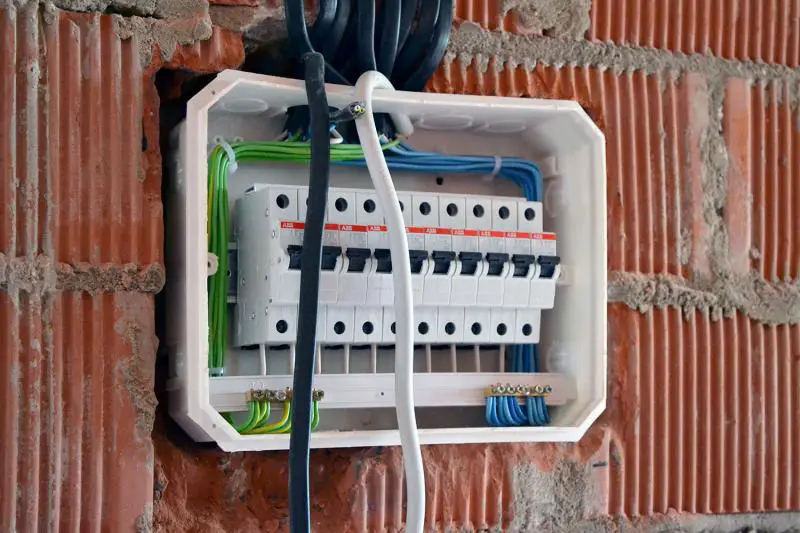
Secondly, pay close attention to electrical wiring. If there is any suspicion that wiring has become damp, disconnect power to the area immediately.
After completing the internal inspection, examine the roof for external damage. On any sloped roof, a ladder should be available, which can be hooked onto the roof ridge to climb safely to any required height.
Check the integrity of the waterproofing material, inspect valleys and gutters for accumulated debris that may block water runoff, and ensure metal flashing is securely fastened.
Roof Repair Example: Metal Roofing
Leaks in metal roofing most often result from initial installation errors during cladding attachment and overall roof assembly. Over-tightened roofing screws, missing rubber washers under screw heads, damaged paint coating on metal surfaces, and consequent through-corrosion all lead to rapid leak formation in metal roofs.
During repair, all detected scratches and surface damages should be repainted to match the roof color. Gaps between adjacent metal sheets, joints with gutters, and ridge connections—all these critical points should be sealed with a high-quality sealing compound. If through-holes have already formed during repair, the best and most reliable solution is to solder them with galvanized steel plates or fully replace the metal roofing sheet if too many holes exist.
If the original fasteners are failing (corroding, falling out, etc.), it's wiser to immediately replace them with high-quality fasteners from trusted manufacturers (Mungo, Fischer, Sormat, etc.). Although more expensive, this ensures a permanent fix.