6 Common Mistakes in Balcony Insulation
What to do to prevent condensation, mold, mildew, and drafts from entering your home
Finally, you've received the long-awaited permit to attach a balcony or loggia, and it's time to insulate it. But as soon as the first cold weather arrives, drafts appear, condensation forms on the walls, and mold grows. Let's look at the most common mistakes to avoid when insulating a cold part of your apartment.
1. Insulating the Balcony in Cold Weather
If you insulated the balcony in winter using standard materials, you might be surprised by the first thaw. For example, cement-sand mortar for leveling the floor may freeze faster than it sets. Also, «summer» construction foam can damage paint, expanded polystyrene, and many other types of insulation.
How to Do It Right? Choose materials that are not dependent on usage temperature. For example, use a dry floor screed. Panels of insulation with «hooks» fixation—such as «LOGICPIR Balcony» from TECHNOSPOL—can be installed without sealant. Also, select specialized winter-grade construction foam. For example, the professional formulation «LOGICPIR Adhesive» can be used down to -10 degrees Celsius. These materials allow you to insulate a balcony or loggia at any time of the year.
2. Choosing Too Thin Insulation
Sometimes, walls made of aerated concrete blocks are not insulated at all, as people believe their thermal conductivity is sufficient. Another mistake is choosing too thin insulation in an attempt to save as much useful space on the balcony as possible.
How to Do It Right? If your balcony is small and every centimeter counts, consider ultra-thin insulation with record-low thermal conductivity. The «LOGICPIR Balcony» from TECHNOSPOL requires 1.5 to 2 times less material than other insulations, allowing for significant savings.
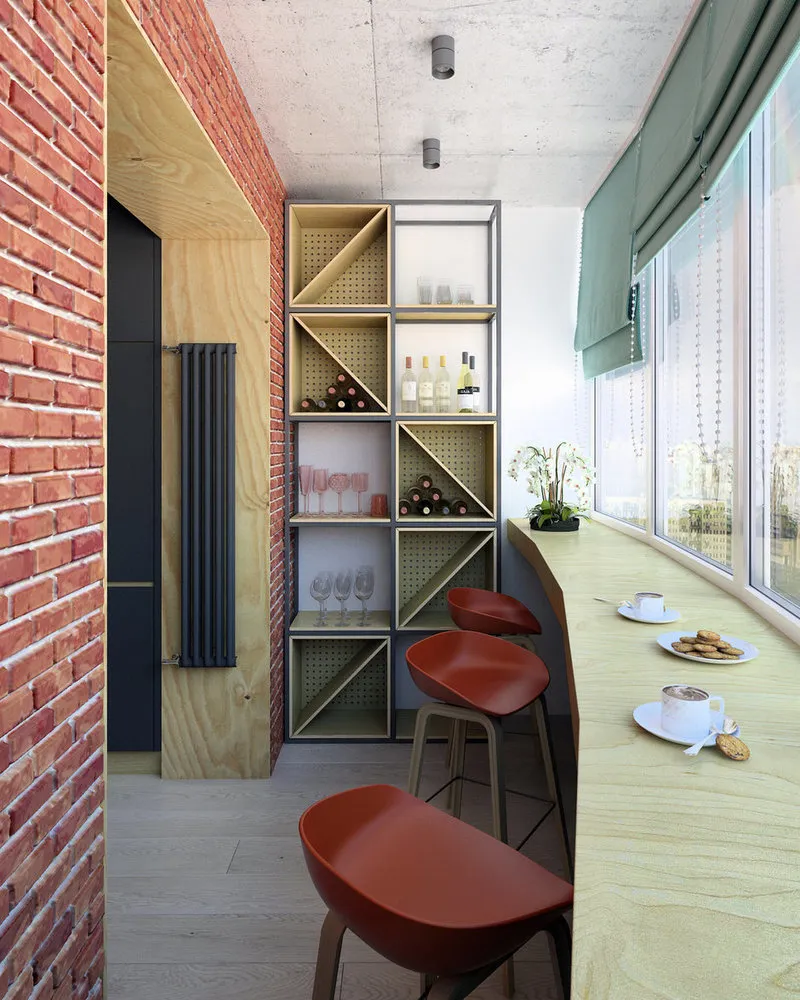 Design: Ekaterina Domracheva.
3. Cutting Corners on Vapor Barrier
Ignoring the vapor barrier—prepare for your balcony to become damp and for water droplets to sound from the ceiling of the apartment below. If moist air freely passes through the insulation layer, it meets a cold wall and condenses there. The insulation may begin to rot.
How to Do It Right? Always use a vapor barrier or select insulation that already includes one. For example, «LOGICPIR Balcony» from TECHNOSPOL has a foil backing and does not require additional vapor barrier. Simply tape the joints of insulation panels with foil tape. Additionally, this material does not rot.
4. Poor Installation of the Insulation Sandwich
Trying to save money on installation, many apartment owners take on balcony or loggia insulation themselves. However, doing everything according to the technology is not easy, so the space may never get warmer. For example, it's necessary to fix the vapor barrier and insulation layer to walls and ceiling, fill gaps between panels with foam, and plaster them.
How to Do It Right? Modern materials can be easily installed even by amateurs. A «LOGICPIR Balcony» panel weighs no more than a kilogram and is fixed to the surface with two mushroom-type anchors, so even on the ceiling it can be installed alone. An alternative mounting method—using foam instead of anchors—completely eliminates the risk of thermal bridges.
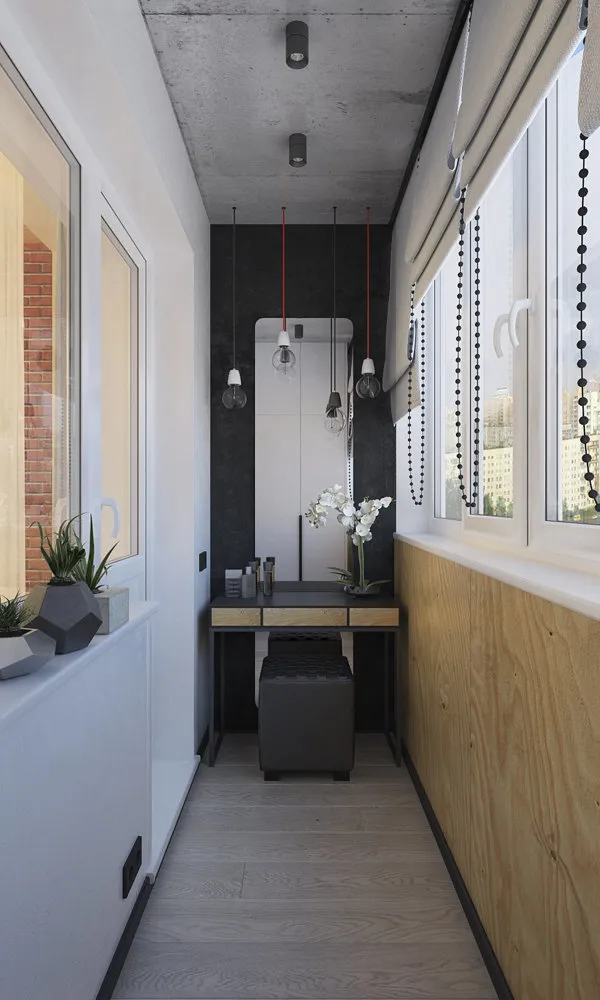 Design: Ekaterina Domracheva.
5. Air Entering Through Gaps
Even after insulating the balcony, drafts may appear. Air seeps through joints between insulation panels. It is not advisable to seal these gaps with gypsum spackle—this creates «thermal bridges» that conduct air and moisture. Therefore, the joints will remain cold and damp constantly. Alternatively, you can seal the gaps with sealant.
How to Do It Right? Modern insulation, such as «LOGICPIR Balcony», has no through joints. The interlocking mechanism (tongue-and-groove) prevents drafts. To prevent heat from seeping through micro-gaps between panels, simply tape the joints with aluminum tape.
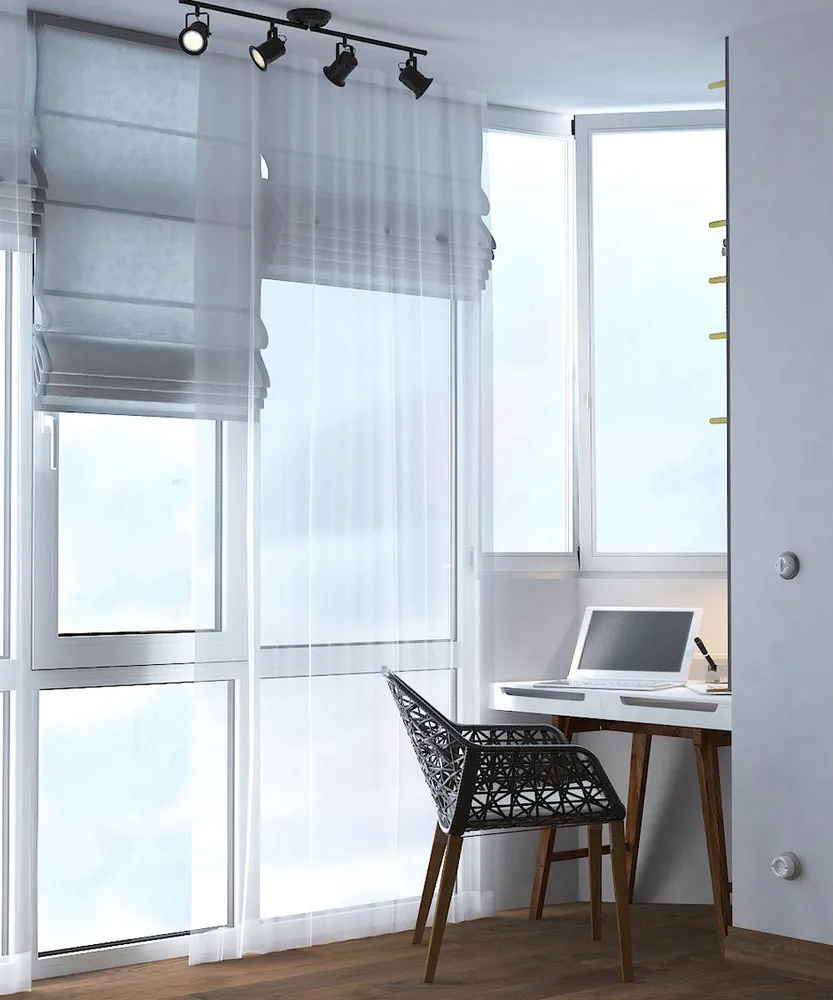 Designers: AnARCHI. pro.
6. Poor Heating System Planning
It is strictly forbidden to move central heating radiators onto the balcony. There may not be enough warm air from the apartment to heat the space adequately. Moisture will appear in cold corners, and mold will follow.
How to Do It Right? Place a heat source on the balcony or loggia itself, such as an oil radiator or a warm floor system. In the latter case, the cable laying pattern should account for temperature fluctuations.