How to Quickly Remove Old Wallpaper
Old wallpaper cannot be left, as any new wall covering, regardless of type, will peel off along with the old paper base. At the same time, during renovation, no one wants to waste time on removing old wall coverings instead of quickly starting to apply new wallpaper. Therefore, speed of removal is crucial – and it directly depends on the method used. This article will discuss the various techniques for removing old wallpaper.
Methods for Removing Wallpaper
The most reliable helper in removing old wallpaper is water. In some cases, simply wetting the wallpaper – for example, by spraying warm water from a flower mister or using a damp sponge or cloth – is enough to make it start peeling off the wall. Water soaks into the paper-based wallpaper, causing it to swell and the adhesive to dissolve, allowing the wallpaper to be easily removed without excessive effort. It typically takes only 10–20 minutes for water to penetrate the old surface.
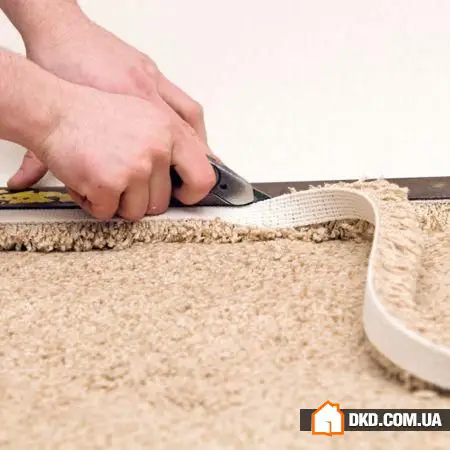
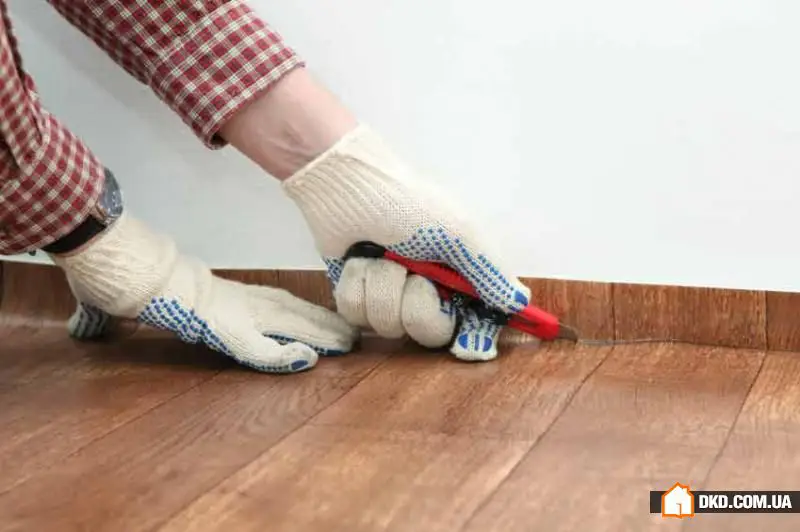
It becomes more difficult when wallpaper has poor water absorption (e.g., washable wallpaper for kitchens or hallways) or was applied with a high-quality adhesive. In such cases, to allow water to reach the adhesive layer, you must make small cuts in the wallpaper using a knife, the sharp edge of a spatula, or a specialized tool called a "wallpaper tiger," designed to create multiple scratches on the surface.
To improve moisture absorption in certain areas, you can use steam from an iron or apply specialized liquid removers for old wallpaper, which have enhanced penetration into the base layer. These removers are usually supplied in concentrate form and must be diluted with water before use.
Difficult Cases of Old Wallpaper Removal
Often, a desire for innovation leads Russians into serious problems – and wallpapering is no exception. If PVA glue was used in the adhesive during the original application, old wallpaper can only be removed mechanically – it cannot be peeled off by soaking. When heated (e.g., with an iron), the wallpaper layer actually strengthens, and in cold conditions, it does not absorb water at all. The most effective method here is using a drill with a metal brush attachment. The stiff bristles of this brush will effectively remove anything they touch, including wallpaper applied with PVA glue.
Drawbacks of this method include significant damage to the entire wall surface, including the plaster and skim coat. Repair work may take a long time, but unfortunately, no alternative solution currently exists.