Wooden Wall Panels
Introduced to the Russian market about ten years ago, they have gained significant popularity despite their relatively high cost.
Applications of Wooden Wall Panels
Tired of all artificial and harmful elements in the environment, modern individuals seek to preserve health and create comfort by choosing natural, eco-friendly materials such as wooden panels, bamboo wallpapers, and cork flooring. Using wooden wall panels helps create unique and distinctive interiors.
This aesthetic and attractive material is ideal for wall cladding in country house living rooms, apartments, hotel lobbies or restaurants, executive offices, and offices of reputable companies. Beyond wall finishing, wooden panels are also used to transform spaces: creating arches, partitions, and columns.
A stylish interior is a hallmark of any reputable company. It shapes the first impression during visits by competitors and potential clients, and must reflect stability and solidity. For this purpose, oak veneer panels with a finish resembling mahogany are often successfully used. Radiator screens made in Renaissance style with carving and lattice from solid oak and a walnut finish also look particularly striking.
Advantages of Wooden Wall Panels
The key feature of these panels is their compatibility with various styles, from British classic to French chalet. The wide variety of tones, textures, and finishing techniques ensures a unique and distinctive interior, highlighting the owner's refined taste.
Wooden wall panels are typically supplied with matching accessories: baseboards, cornices, borders, decorative elements, and trim. This allows for a consistent style throughout the space. Custom-made panels preserving the natural grain and color of wood are also available upon request.
Materials Used in Panel Manufacturing
The most common material used in manufacturing wooden wall panels is fiberboard. This material ensures durable, wear-resistant products. Other materials used include wood, particle board (DVP), MDF, and polyvinyl chloride (PVC). Common panel types include those made from cedar, oak, aspen, maple, beech, and others. Custom panels can be made from more expensive wood species.
Wooden panels vary by wood type, manufacturing method, shape, and architectural pattern. They include:
- solid wood panels,
- laminated wood panels,
- veneered panels,
- panelled (filleted) panels,
- cork panels,
- boarded (reeded) panels,
- carved wooden panels,
- assembled board panels,
- square tile-like panels,
- sheet panels.
Other custom panel types can be created upon individual order.
Choosing the Right Wood
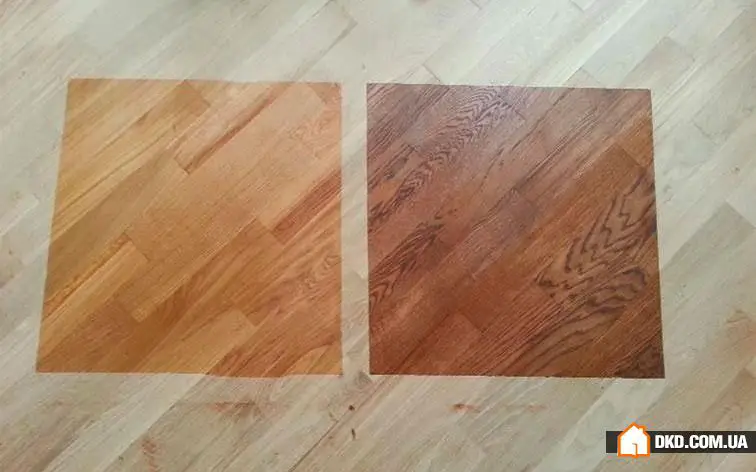
When manufacturing wooden wall panels, careful selection of wood species is essential. For a gray finish, gray oak is recommended. It is frequently used for living room decoration. However, this is a dark shade, so additional lighting should be planned.
Panels made from walnut and makassar ebony also feature dark tones and require maximum lighting. For bathrooms and kitchens with high humidity, wooden panels treated with special wax are recommended.
Light shades are ideal for bedrooms and children’s rooms. Pink oak is particularly suitable in such settings.
Composite panels, made from multiple layers and wood species, are increasingly popular. The core layer uses expensive, high-quality wood, while outer layers use pine and spruce. These are pressed under high pressure and coated with wax or acrylic lacquer. This protective layer significantly extends panel lifespan and resistance to damage.
Key Properties of Wooden Panels
Wooden wall panels are well-suited for residential interiors.
- They are environmentally clean, creating a unique microclimate and having no harmful impact on human health.
- Wood naturally absorbs excess moisture and releases it back, allowing panels to 'breathe.'
- Wax coating repels water and dirt, ensuring easy and simple maintenance.
- Wooden panels have anti-static and dust-repelling properties.
- Products are easy to install.
- These panels can conceal surface imperfections and cracks without additional treatment.
- Wood panels offer excellent thermal and acoustic insulation. This quality makes them ideal for sound studios and home theaters.