Famous Sustainable Architectural Marvels
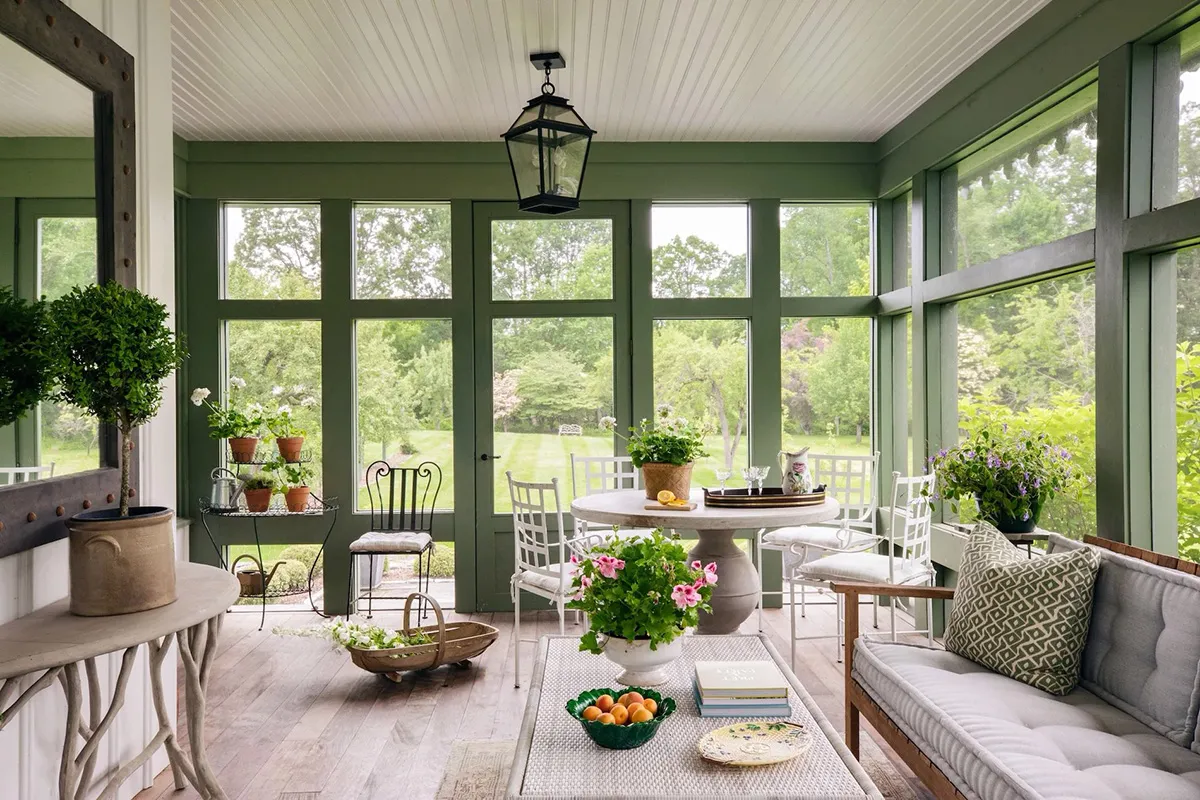
Around the world, old and new sustainable architectural marvels are transforming how cities approach energy and environmental impact. When you look at how cities evolve, you will find that historic landmarks are undergoing deep retrofits while newer sustainable architecture examples build green engineering right into their foundation. Read on to see how these famous green buildings balance iconic design with strict green building certification standards.
The Eiffel Tower, Paris, France
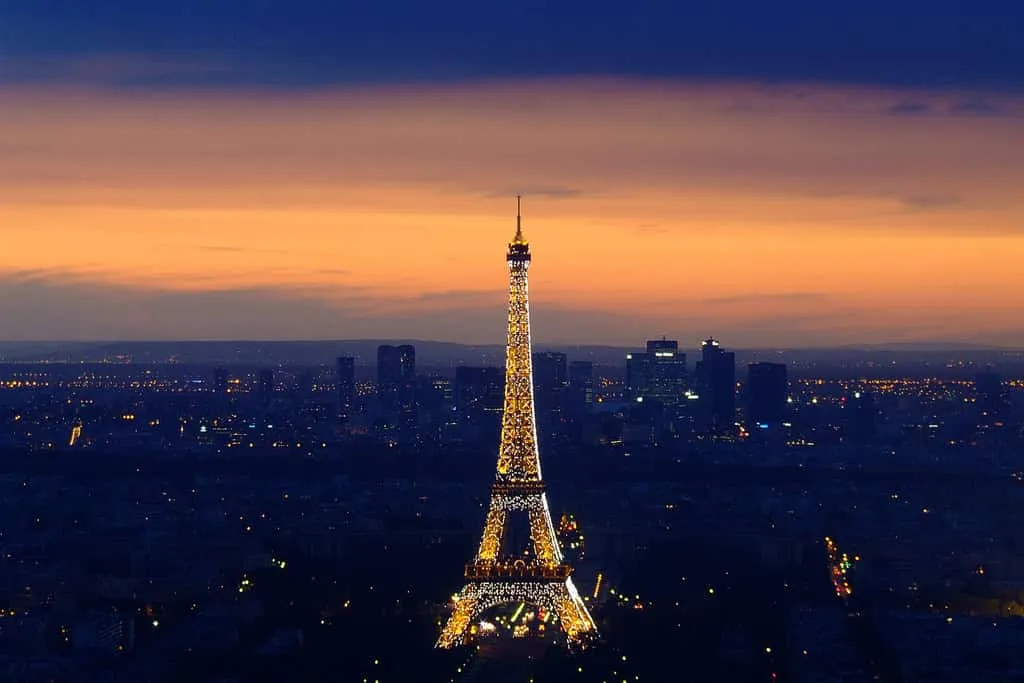
Image via Flickr by Tijmen Gombert
The Eiffel Tower is the world-famous symbol of Paris, lighting up the night sky with 20,000 bulbs. The French Moatti-Rivière architecture firm carried out major upgrades to modernize the monument for greater sustainability, efficiency, and accessibility.
The renovation project installed two vertical-axis wind turbines on the Eiffel Tower, positioning them carefully so they remain invisible from the ground. The monument also incorporates water-harvesting systems to power facilities, while rooftop solar panels heat roughly half of the hot water required by its public pavilions.
Gherkin Tower, London, U.K.
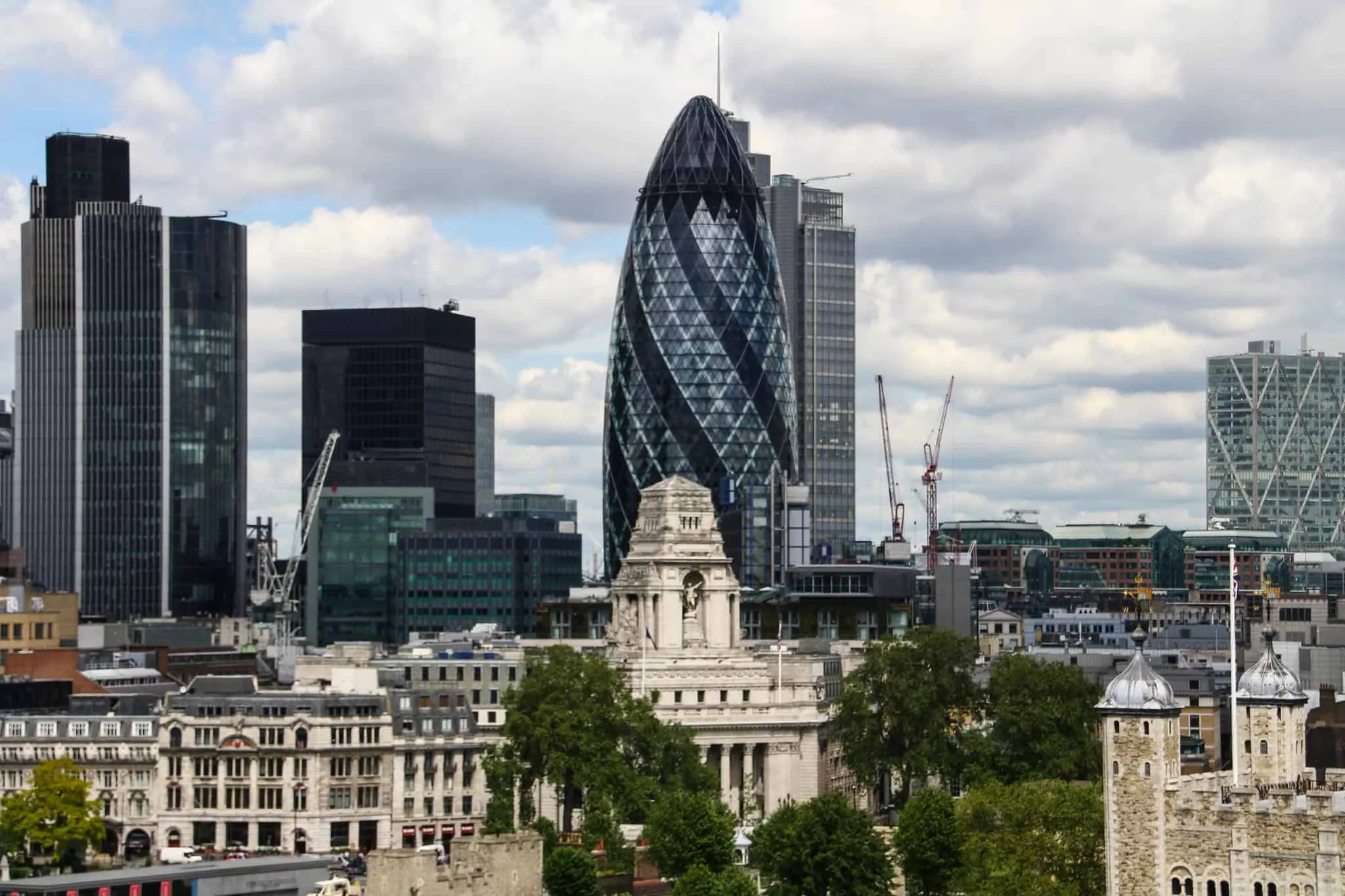
Image via Flickr by Maureen Barlin
London’s Gherkin Tower (30 St Mary Axe) is an immense curved glass tower designed by Norman Foster. Its aerodynamic shape channels natural daylight and passive ventilation, which results in 50 percent less energy use compared to typical commercial towers of similar scale. By relying on smart airflow shafts and shafts that maximize internal daylight, the building stands out as one of London’s prime biophilic architecture examples.
The Vatican, Vatican City, Italy
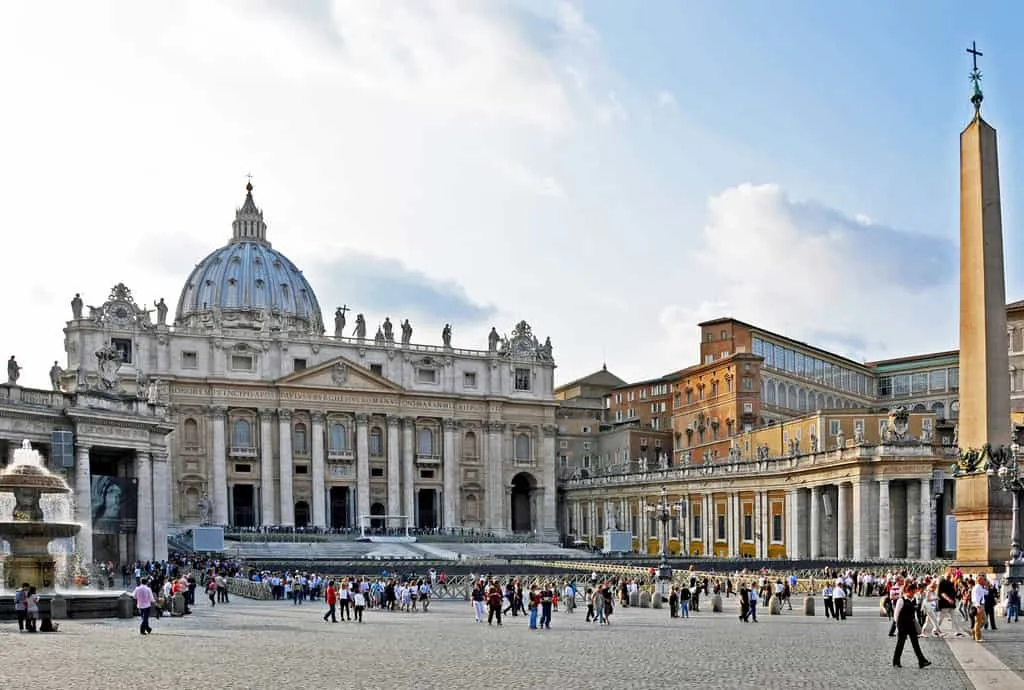
Image via Flickr by Dennis Jarvis
The Vatican demonstrates how historical religious centers can implement practical clean energy strategies. Rooftop solar panels numbering over 2,000 were added to the roof of the Paul VI Audience Hall to supply clean electricity without altering the city skyline. The installation remains concealed from the plazas below, supporting the microstate’s ongoing environmental initiative to cut emissions across its ancient grounds.
The White House, Washington, D.C.

Image via Flickr by Diego Cambasio
James Hoban designed the White House in the neoclassical Federal style with influences drawn from classical Greek architecture. The iconic residence renewed its visible commitment to renewable energy by installing rooftop solar panels in 2013. This expanded a long tradition: Jimmy Carter used solar panels in late 1970s to heat water, and in 2003, George W. Bush had solar panels installed to heat the presidential swimming pool.
Ca’ Forscari Palace, Venice, Italy
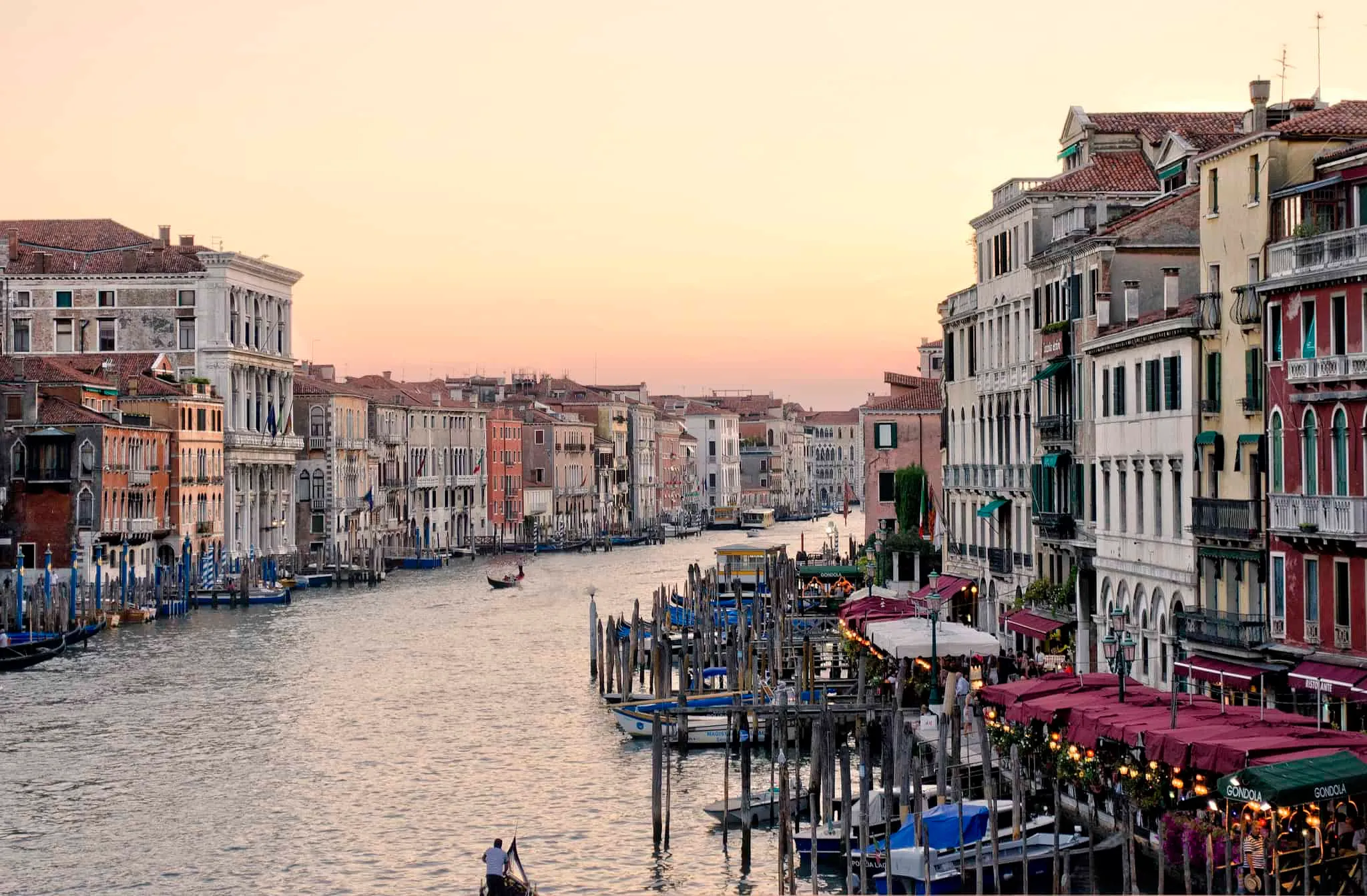
Image via Flickr by John Fowler
Ca’ Foscari at the University of Venice is a 15th-century Gothic palazzo that overlooks the Grand Canal. It holds the distinction of being the oldest building in the world to receive LEED certification. The university demonstrated that historic preservation and high performance can coexist by adding energy-efficient climate controls, modern water management, and LED lighting without compromising the historic fabric.
The Empire State Building, New York City
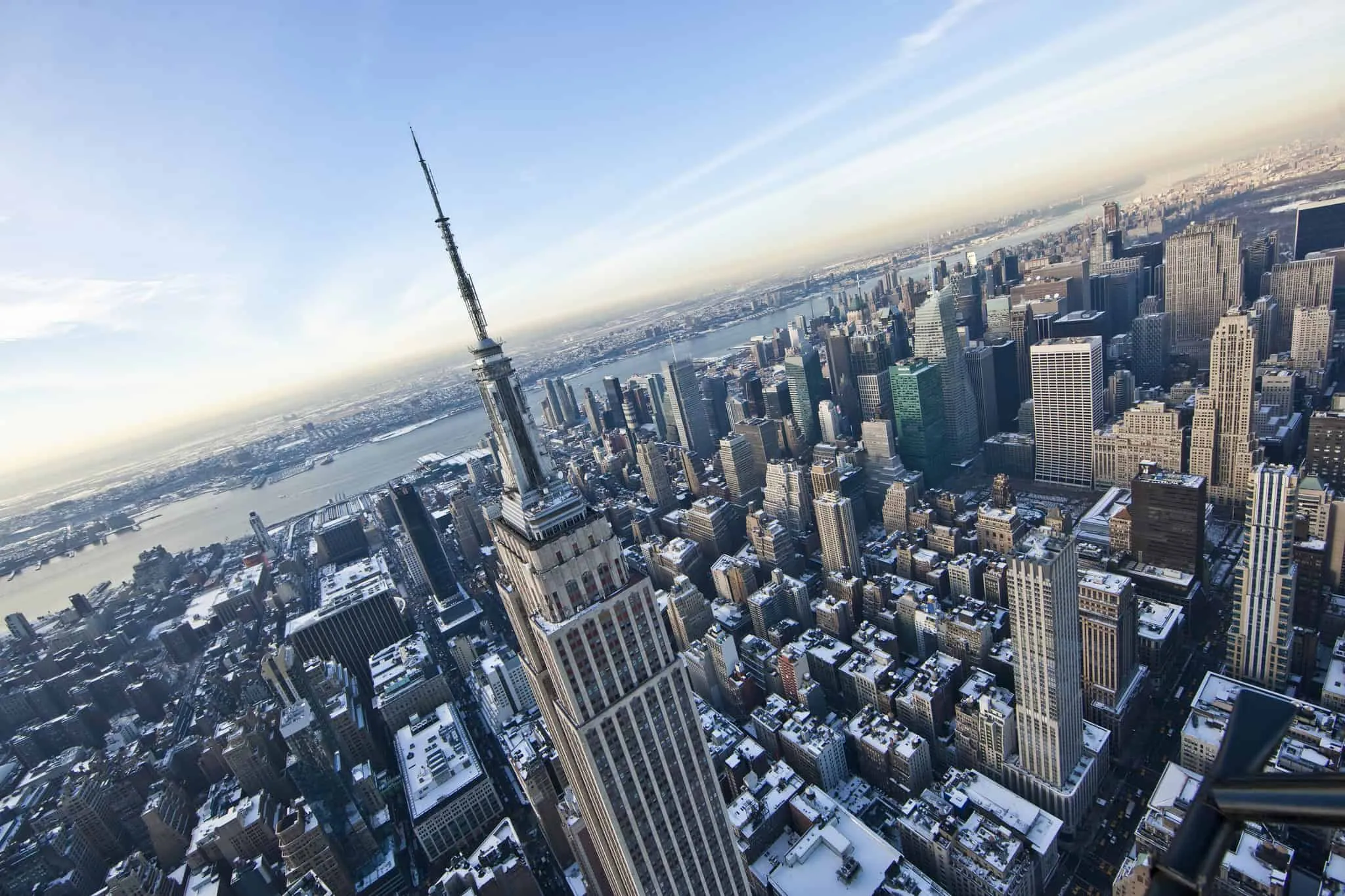
Image via Flickr by Anthony Quintano
The Empire State Building stands as an iconic centerpiece of the New York City skyline and a benchmark for net zero commercial buildings. The landmark achieved LEED Gold in 2011 and advanced to LEED Platinum certification under Version 5 of the Existing Buildings: Operations + Maintenance standard.
Today, the Empire State Building is 100 percent powered by renewable electricity and continues to outperform its energy-saving targets. As noted in its sustainability program, deep retrofits rebuilt thousands of windows on site, upgraded heating and cooling chillers, established complete recycling programs, and mandated non-toxic cleaning practices throughout the structure.
The Co-operative Insurance Building, Manchester, England
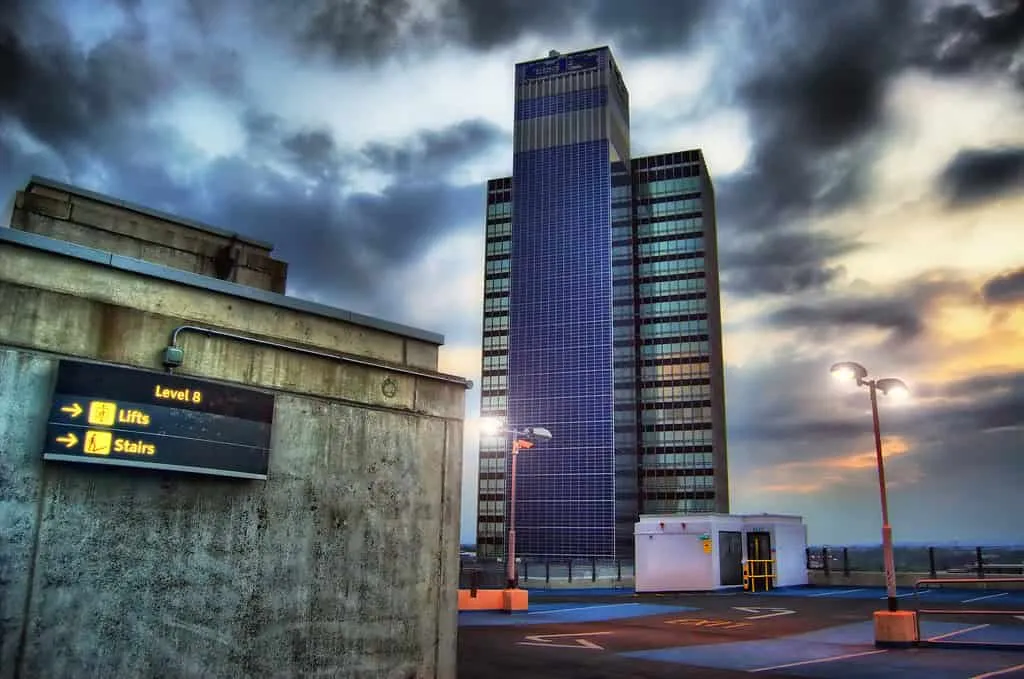
Image via Flickr by Tom Blackwell
The Co-operative Insurance Tower (CIS), constructed in the 1960s, is one of Manchester’s most recognizable mid-century skyscrapers. It made history as the first skyscraper in the world to wrap its exterior service tower in solar panels. In 2006, engineers installed more than 7,000 solar panels on its exterior walls, producing sufficient energy to power 55 homes for a year, paired with 24 roof-mounted wind turbines.
Toyo Ito’s Solar Powered Stadium, Taiwan
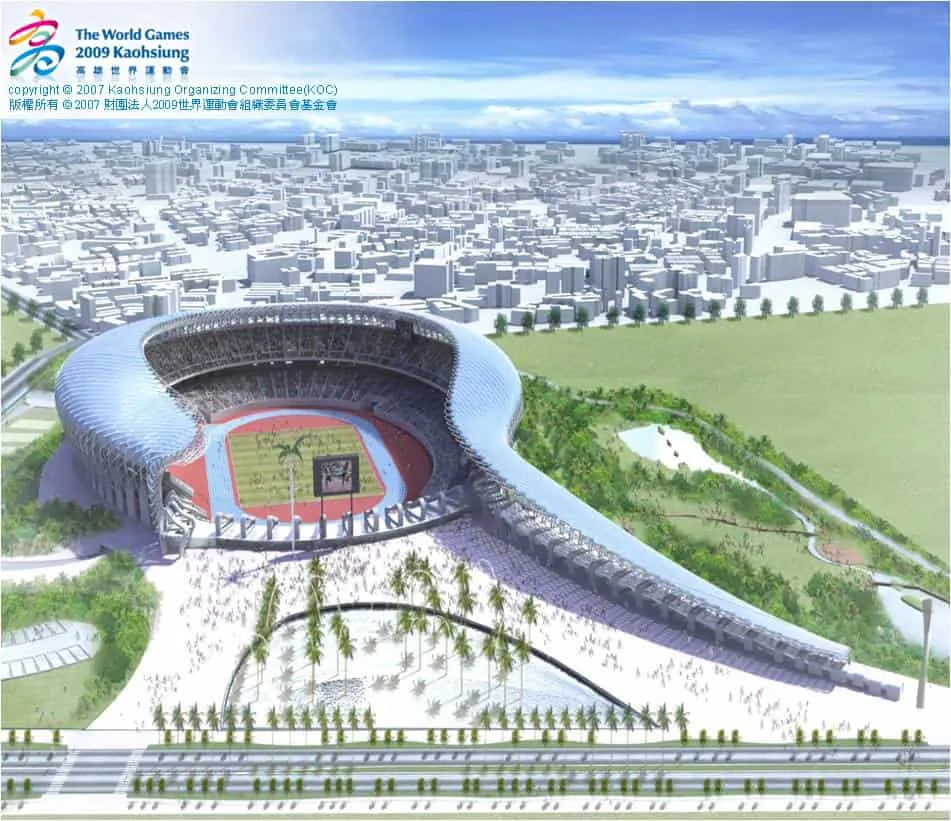
Image via Flickr by 10 10
Located in Kaohsiung, this is the largest solar-powered arena in the world. Designed by renowned Japanese architect Toyo Ito, the sweeping structure forms the shape of a semi-coiled dragon.
The 50,000-seat stadium is 100 percent solar-powered and channels extra clean electricity back into the local neighborhood grid on non-game days. Its roof features nearly 9,000 solar panels, while the open architectural design uses passive wind currents for cooling. The site also incorporates permeable paving, recycled construction materials, rainwater collection systems, and lush public parklands where every tree cleared for construction was replanted.