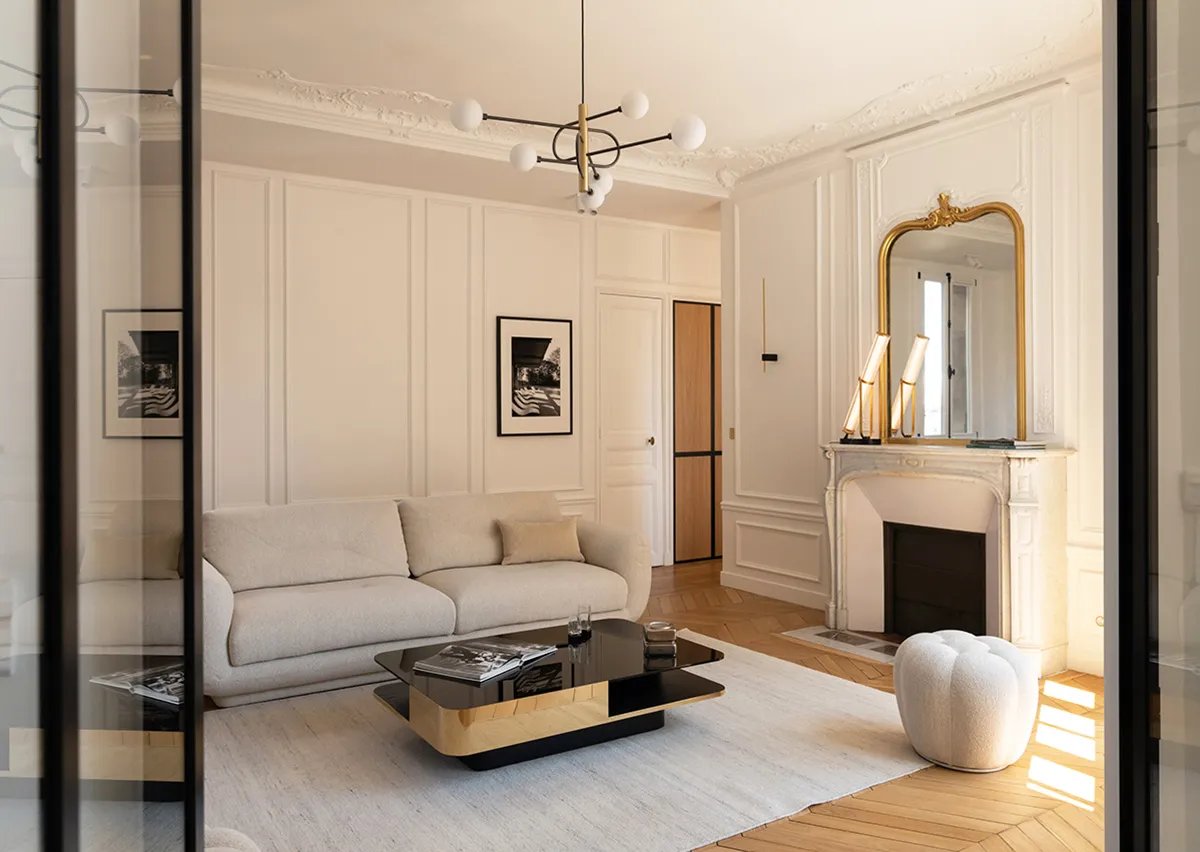
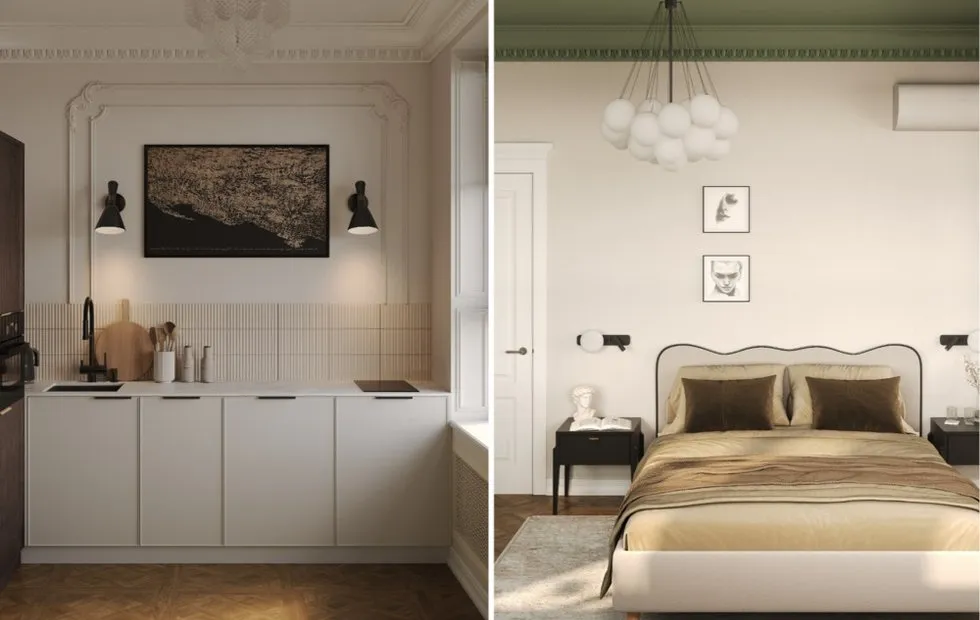
Home staging (English: Home Staging — “setting up a home”) refers to preparing a property for sale or rent by considering psychological, aesthetic, and marketing principles.
Home stager is a specialist who handles home staging. Their task is to identify the potential for making an apartment interesting and comfortable, then implement this with minimal costs and present the result effectively to potential buyers or tenants.
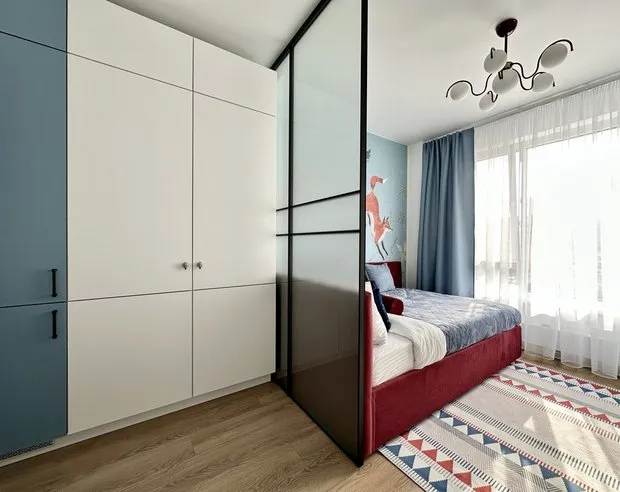
Reposition the furniture and clear the passages
The most budget-friendly way to transform a room is by rearranging the furniture. Try moving the sofa away from the wall, turning the dining table around, and getting rid of unnecessary items. The key rule for home stylists is that the clearer the passages and the less “visual clutter,” the more spacious and fresh the space appears. Start with one corner—often that’s where all the unnecessary items accumulate.
Hang a painting or poster
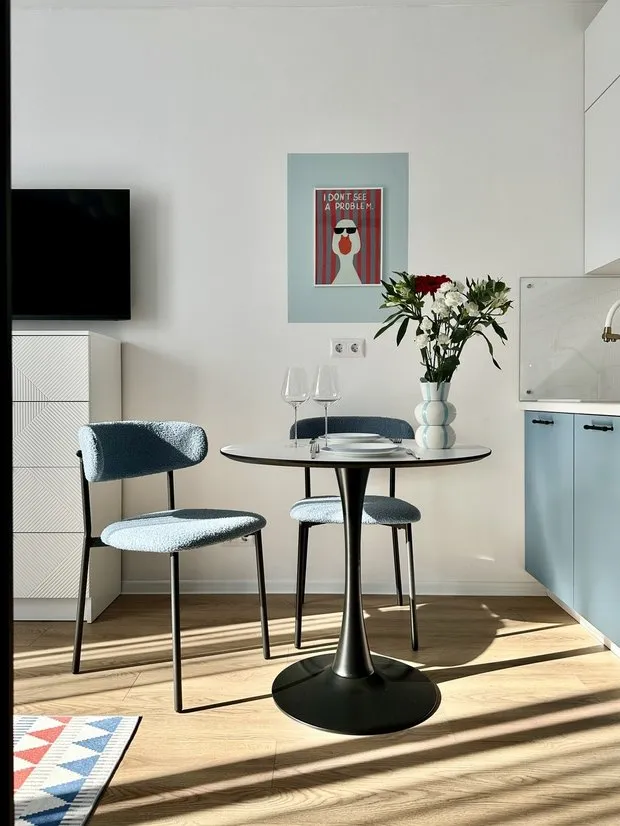
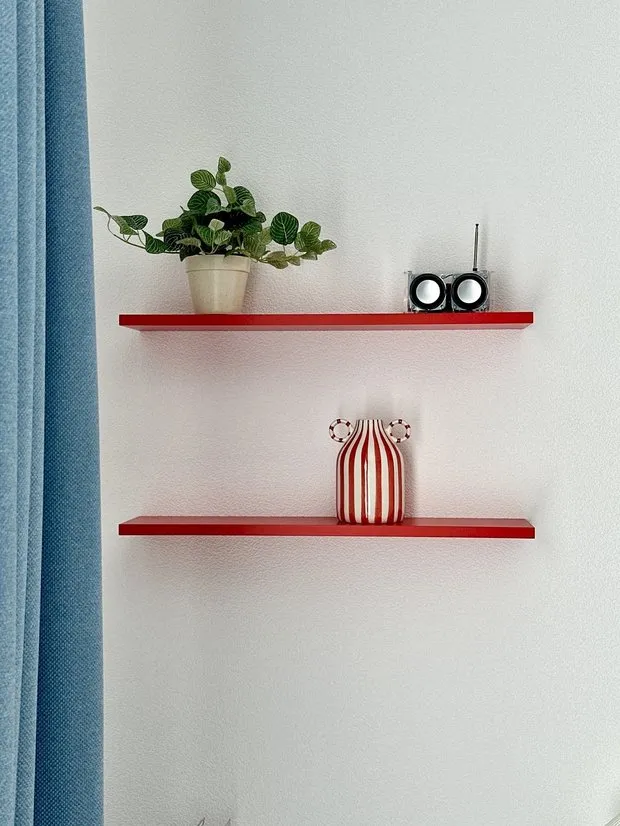
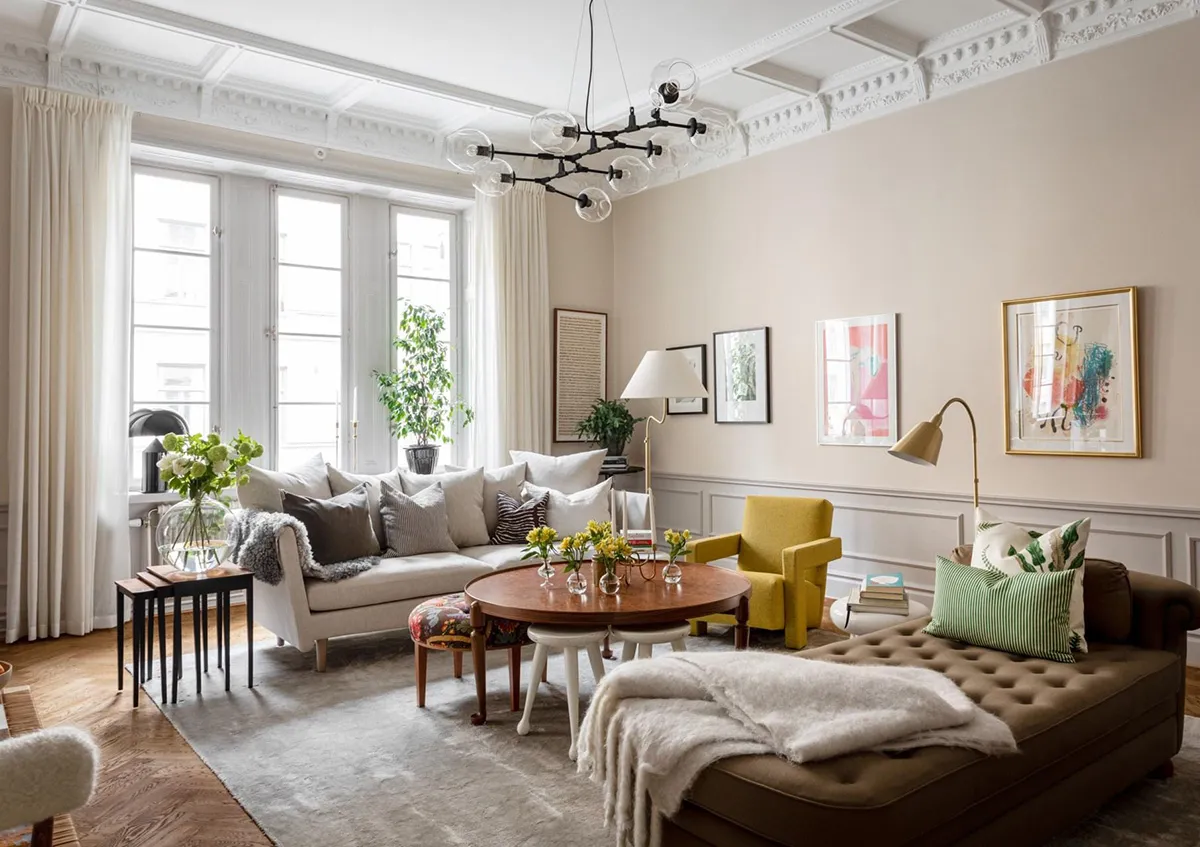
An empty wall makes a room feel unfinished. Create a gallery of posters and photos in matching frames or hang one large piece of art. It’s inexpensive, requires no renovation, and instantly adds personality to the interior.
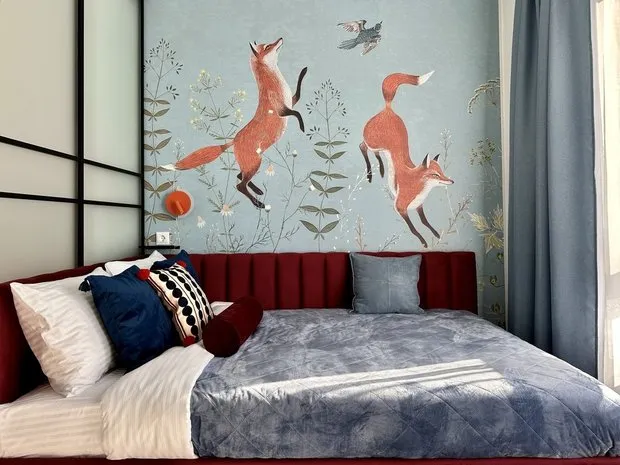
Hang paintings not “haphazardly,” but by attaching them to furniture: above a sofa, dresser, next to a dining table, or above the headboard of a bed. This way, the wall appears thoughtfully arranged rather than random.
Tip: You can see trends in person and discover great ideas for your interior at the International Exhibition “Furniture-2026”— the year’s top industry event, held from November 23 to 26 at Crocus Expo in Moscow.
“Furniture-2026” will showcase the latest trends in home design, with a focus this year on home staging. There’s a reason for this: visitors to previous exhibitions actively sought decorations, textiles, and lighting—elements that enable quick interior transformations.
Getting to know home staging can be facilitated by the unified exhibition “Home Staging Laboratory”: through interactive workshops led by top designers and home stagers, visitors can learn techniques that can be easily applied to their own interiors.
erid:2W5zFH3ALDQ. Advertising. meb-expo.ru. EXPOCENTR JSC. INN 7718033809.
Create a feature wall
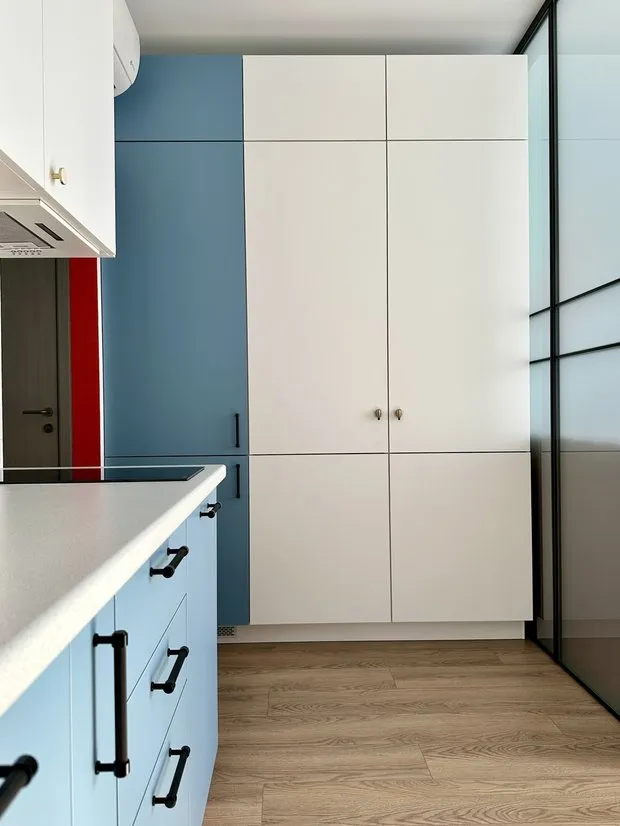
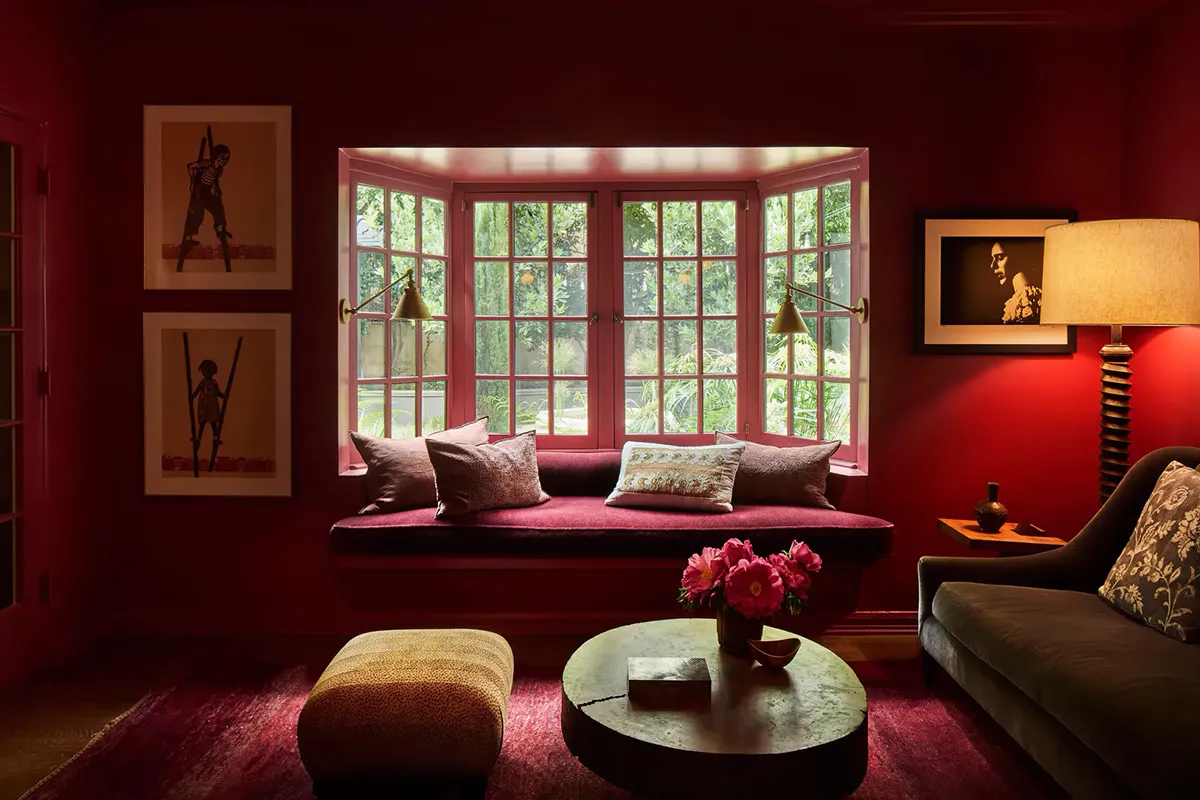
If wallpaper seems like too bold a choice, start with an accent wall painted a different color or repaint a dresser — fresh paint on old furniture can create wonders, turning an ordinary piece into a designer item. Choose shades that blend easily with the rest of the interior: this approach allows for more mistakes and still looks cohesive.
Replace the fabric
Use Mirrors
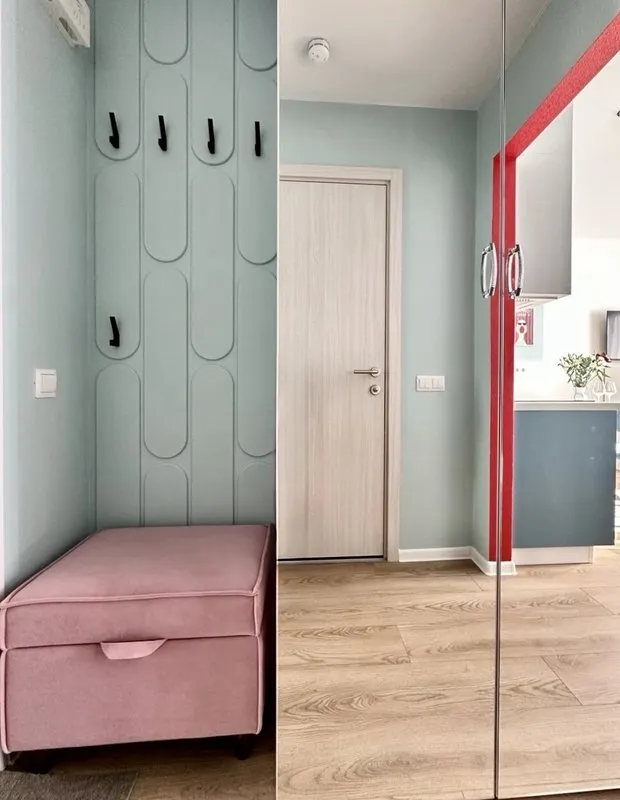
Mirrors visually expand space and add light. Hang them opposite a window or in a dark corner — the room will become brighter and more spacious. A large mirror in a beautiful frame functions on its own as a striking accent piece.
Another trick is using mirrored cabinet fronts. This solution is more comprehensive than simply rearranging things, but in a small hallway it has an immediate effect: mirrored doors “double” the space, reflect light, and make a cramped area appear significantly more spacious.
Add accent furniture
Update Fixtures and Parts
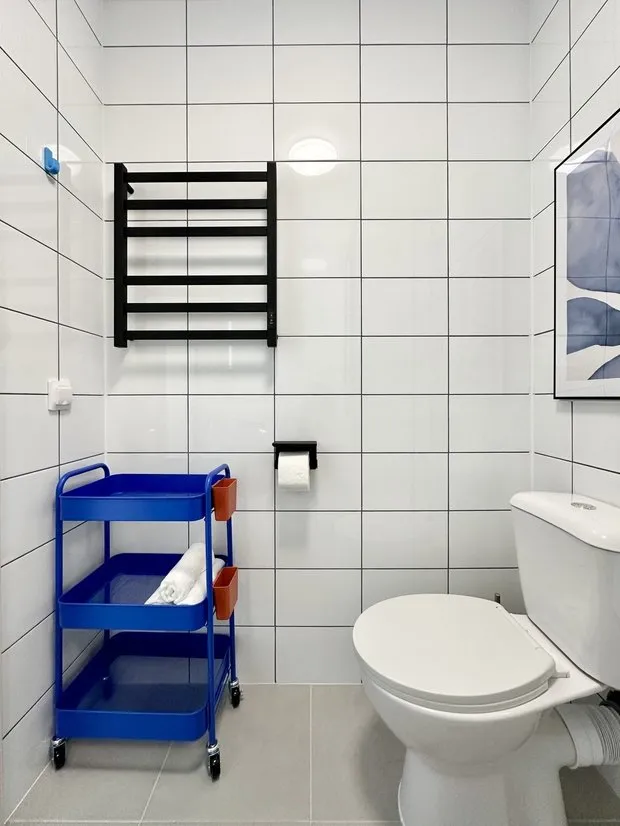
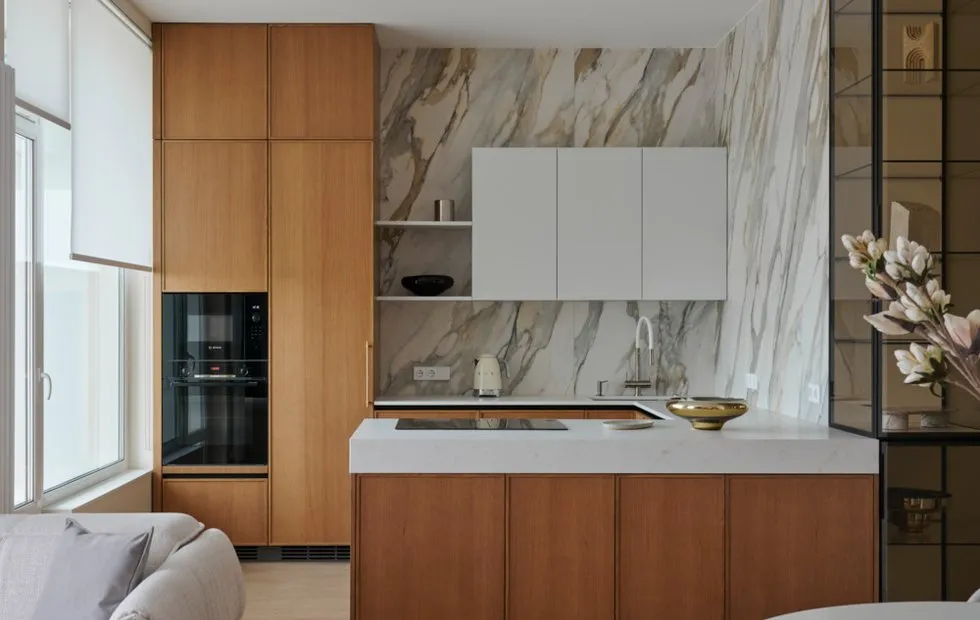
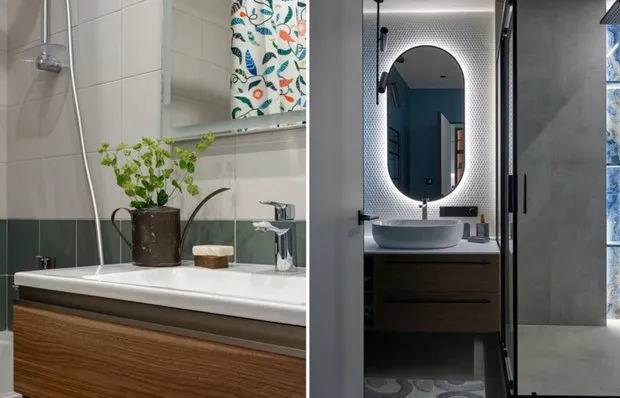
Replacing handles on cabinets, faucets, outlets, and switches are small details that greatly affect the overall impression. Stylish fixtures can elevate even inexpensive furniture and make the interior more cohesive.
Before buying new items, analyze what exactly is giving the interior an aged appearance. Often it’s outdated sockets with worn frames, yellowed switches, and different types of handles on adjacent cabinets. Bring the details to a consistent style — and the room will immediately look neater.