Tips for Creating the Perfect Garden Pond
Today is the day when you need to bring your ideas to life. And do you know why? This post is dedicated to it: the garden pond.
We've gathered tips, ideas and a detailed guide with everything you need to know about creating a garden pond. So let's get started?
Garden Pond: Tips for a Proper Design
 Pinterest
Choose a Good Location
The first step is to determine the exact location where your garden pond will be dug. This spot should be flat to prevent water from causing a tilt or even overflow, which could harm plants and fish.
It's also important to check if electricity is nearby, so the pump can function properly. The area should be sturdy for easy compaction. Avoid digging a pond on sandy soil.
Another tip: don't place the pond too close to trees. First, leaves can fall into the pond and damage aquatic life. Second, some tree roots may eventually damage the pond structure.
What's the Ideal Shape for a Pond?
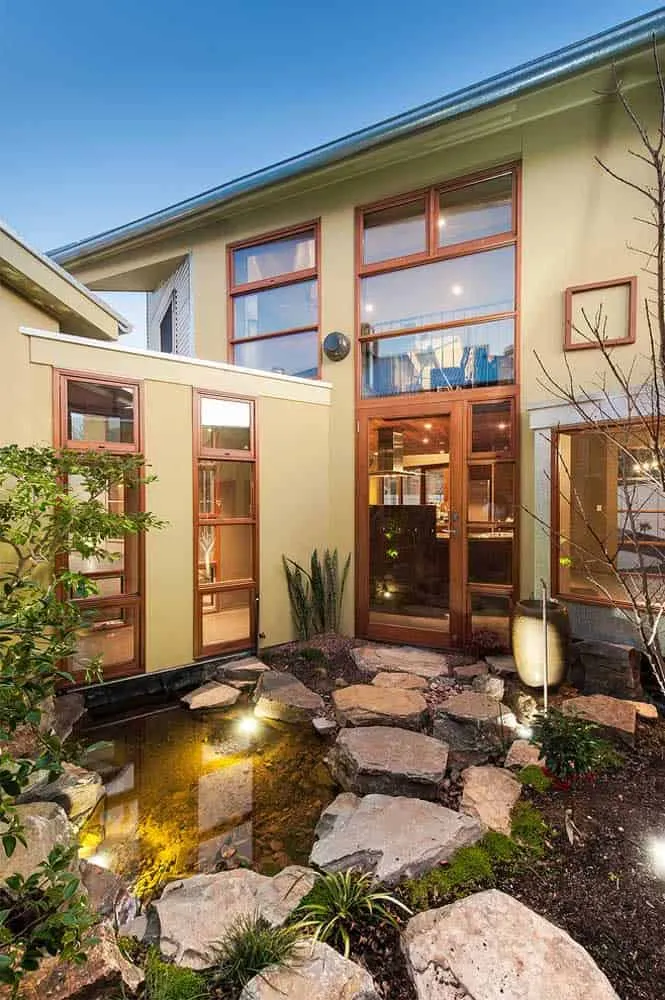
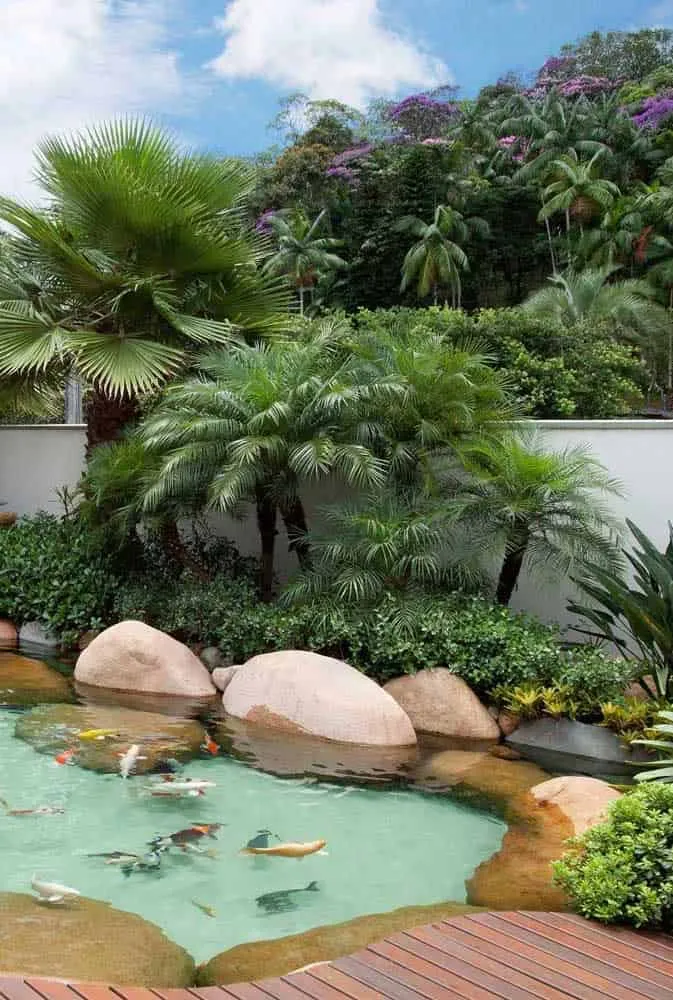
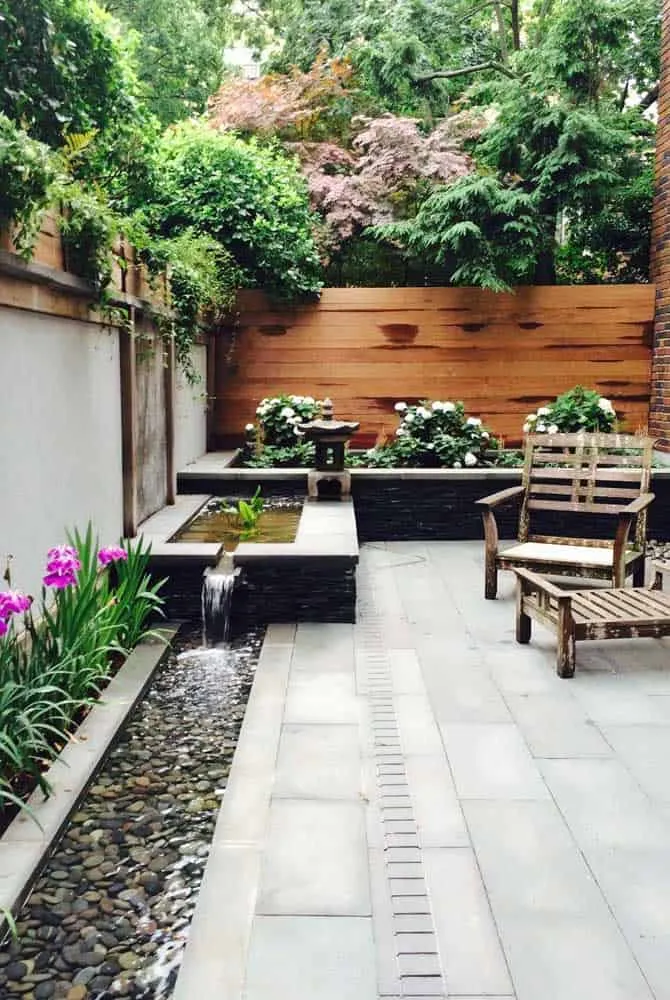
To make your garden pond look natural, its design should be irregular, curved and organic — like in nature.
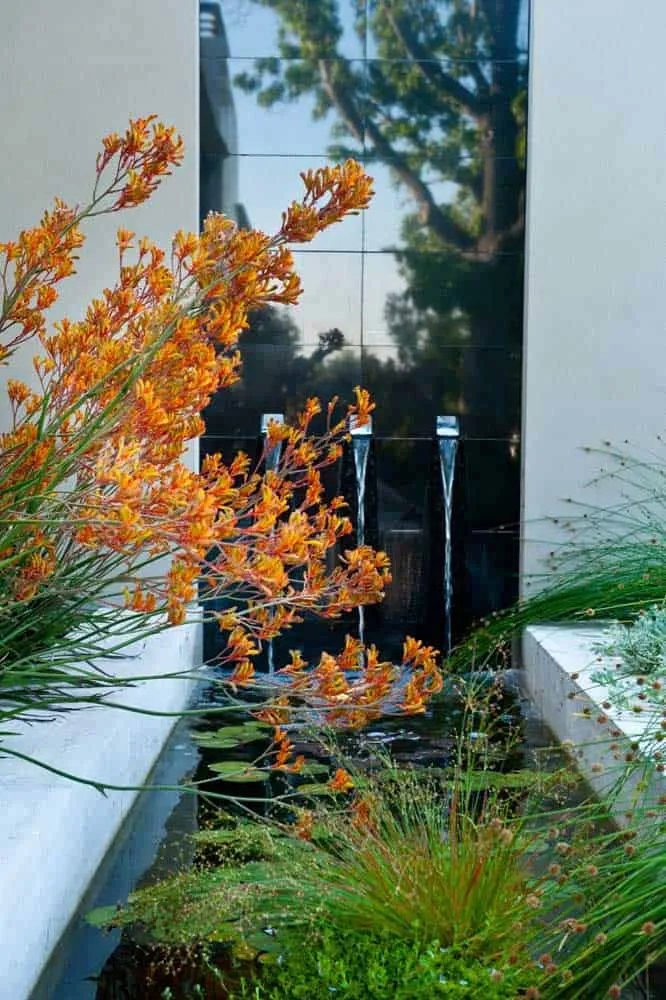
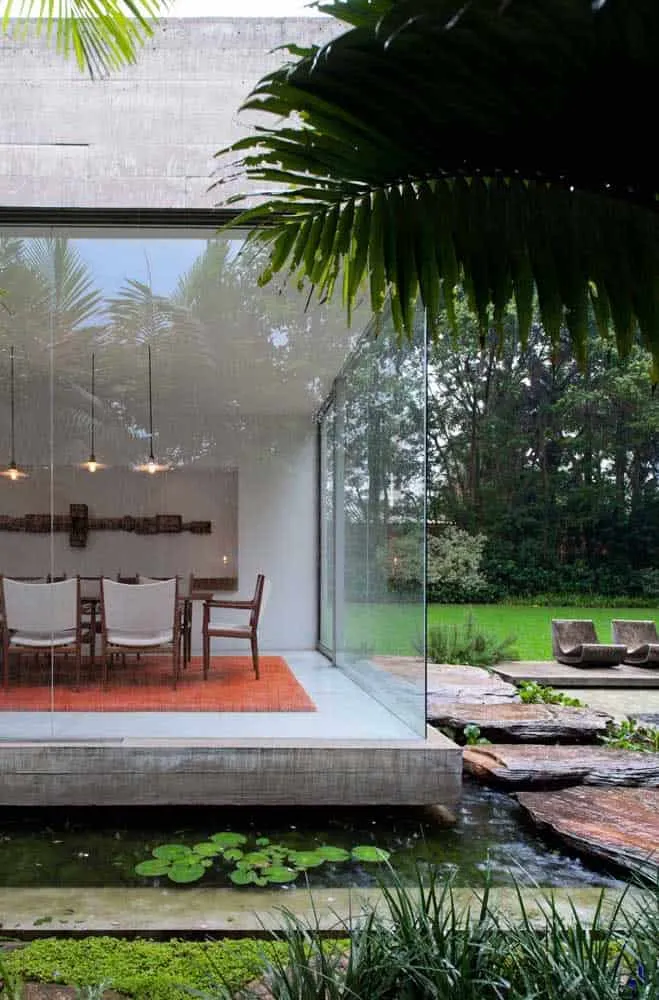
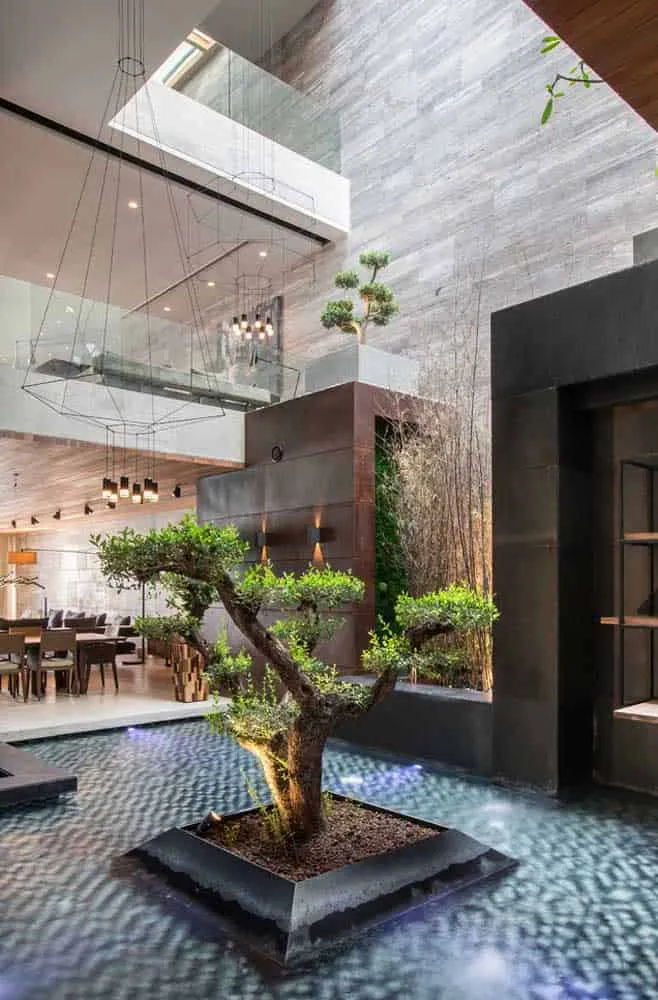
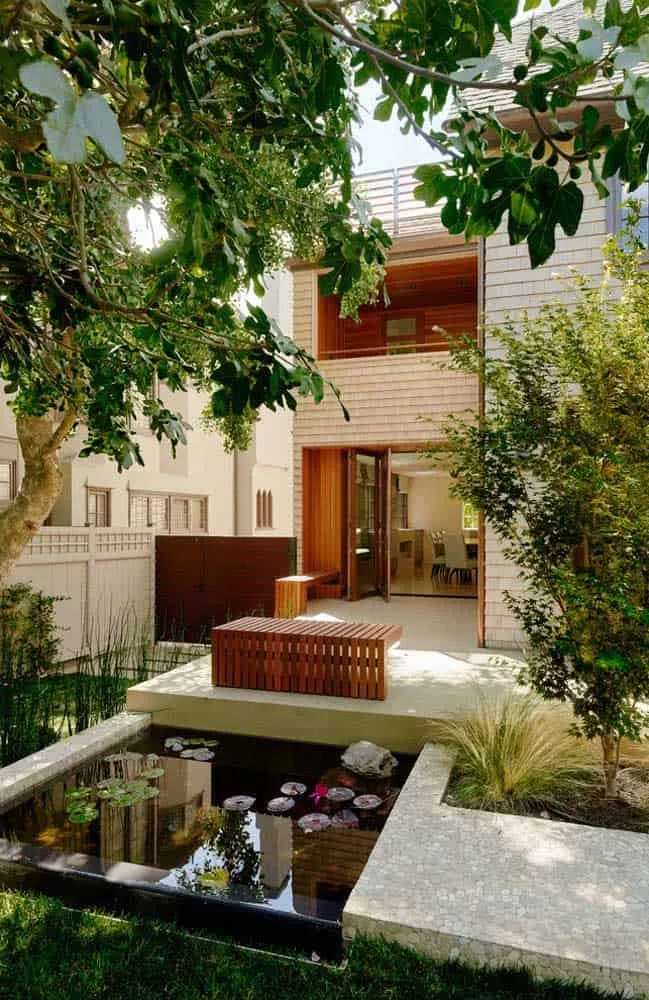
However, square or rectangular shapes can be used by those who want a more modern look that matches their home's architecture.
Will There Be Fish?
Not every garden pond needs decorative fish. This depends on personal taste.
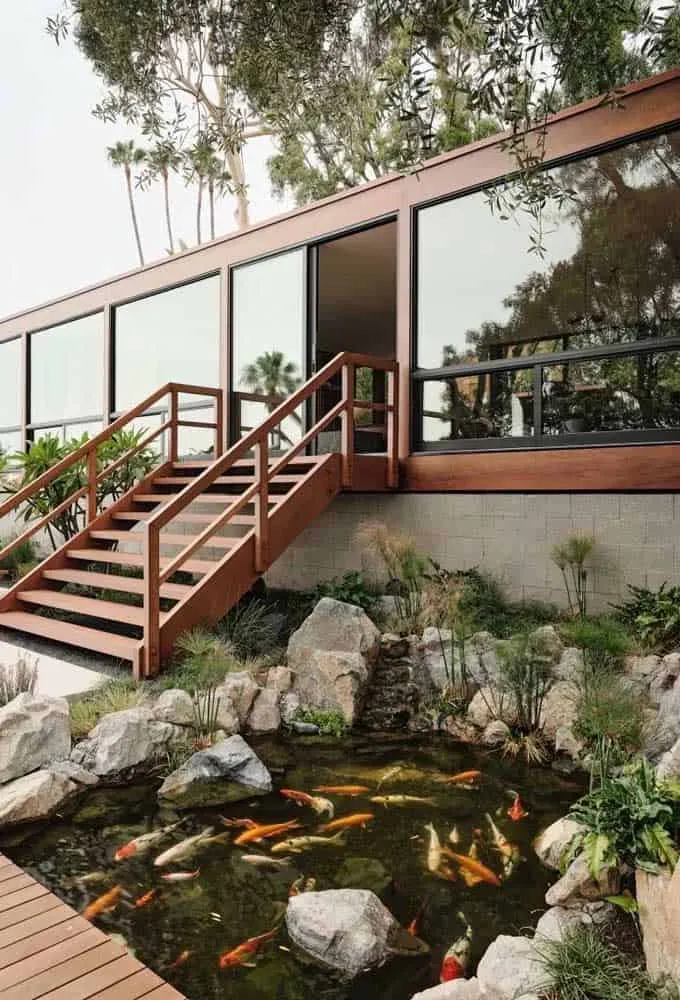
If you decide to keep fish, it's important to follow additional guidelines for animal survival. First, pond walls shouldn't be straight — this can cause fish to jump out and escape. Build walls in a staircase shape with platforms or sloped walls.
When choosing fish species, consider the pond size. Only place fish that fit within the space and avoid overstocking. For small ponds, guppies, garus, and platies are recommended. In medium and large ponds, carp can be raised.
Installing a Pump and Filter
Regardless of whether you have fish, an artificial pond needs a filter and pump to ensure water movement and cleanliness.
Sunlight or Shade?
It's ideal if the garden pond receives at least four hours of sunlight per day. More can lead to excessive growth of aquatic plants and disrupt the ecosystem.
Therefore, consider this factor when choosing a location for your garden pond.
What Is the Minimum Depth for a Garden Pond?
The minimum depth of a garden pond is 70 cm; anything less makes it very difficult to keep the water clean. Not to mention that shallow ponds change temperature drastically and harm both fish and plants.
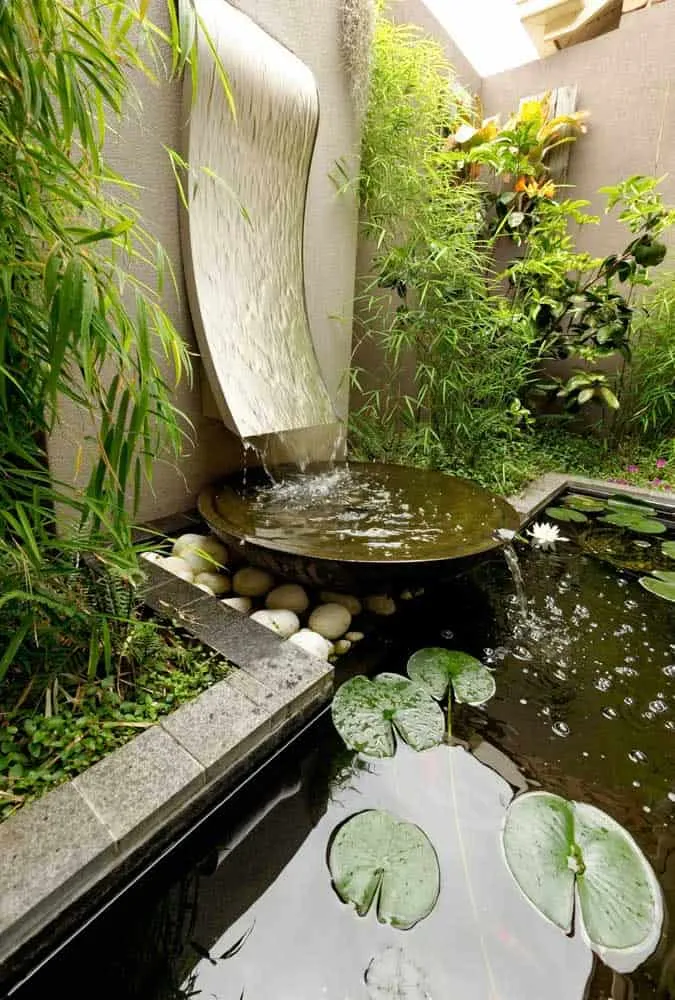
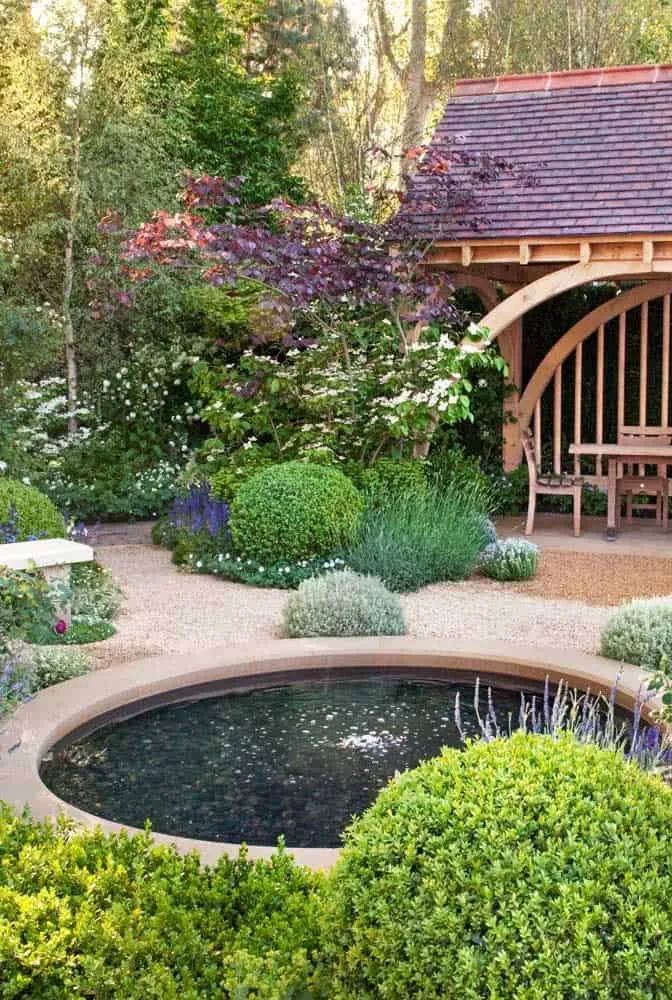
Here are ideas for garden ponds of all types and sizes to inspire your project.
1.
 Pinterest
2.
 Pinterest
3.
 Pinterest
4.
 Pinterest
5.
 Pinterest
6.
 Pinterest
7.
 Pinterest
8.
 Pinterest
9.
 Pinterest