The Importance of Flexibility and Scalability in Medical Design
Healthcare is a constantly evolving industry that requires continuous adaptation to changing patient needs. To effectively and successfully achieve these goals, medical design studios must understand how to adapt their projects to the needs of healthcare facilities. This article explores the value of adaptability and scalability in healthcare architecture and their impact on patient care quality and staff well-being.

What Is Flexibility and Scalability?
Flexibility of a system or project means its ability to adapt and change in response to changing circumstances, needs, or requirements without the need for complete redesign. A flexible design or system allows adjustments and rapid response across various aspects. Scalability, on the other hand, refers to a system's ability to handle growth or increased load. A scalable design can be expanded without losing functionality and efficiency. Scalability ensures the ability to increase size or complexity of a system without significant disruptions. Together, flexibility and scalability are key characteristics in designing systems, products, and environments capable of surviving in a dynamic and constantly changing environment.
Adapting to Changing Patient Needs: Responding to Healthcare Dynamics
Healthcare continuously evolves, with ongoing changes in patient needs and treatment methods. This requires each healthcare facility to be designed with this dynamics in mind. Modular spaces that are easily reconfigurable, adaptable furniture, and integration of universal technologies should also be used. This ensures a smooth transition in delivering medical care, allowing the facility to remain flexible within the changing healthcare market.
Additionally, projects should include spaces that promote patient engagement and self-awareness, supporting a patient-centered approach to care. Design elements that facilitate communication, collaboration, and education between medical staff and patients create a more effective and responsive healthcare environment.
The Future of Infrastructure: Designing with Technological Advances and Innovations
Technology integration in healthcare began in the 1980s when personal computers became the foundation of medical information technology. In recent years, healthcare has become increasingly dependent on cutting-edge technologies and innovations. Creating future-proof infrastructure involves forecasting and accounting for the development of medical equipment, telemedicine, and data management systems.
This requires a flexible information infrastructure capable of easily integrating new technologies. Designing spaces for collaboration between medical professionals and technologists ensures that facilities stay at the forefront of medical innovations. A forward-thinking approach to infrastructure design improves healthcare quality and helps attract top talent while maintaining competitiveness in a rapidly developing field.
Responding to Medical Emergencies: The Critical Role of Scalable Design in Crisis Situations
During medical emergencies, the importance of scalable design in healthcare facilities cannot be overstated. Scalability ensures that a facility can quickly adapt to sudden increases in patient numbers, whether due to pandemics, natural disasters, or other crises. This requires universal layouts and infrastructure that enable rapid expansion of critical areas such as isolation wards and triage zones.
Scalable design includes technologies and equipment that can be quickly deployed. This provides medical staff with the necessary resources for timely and effective care. Essentially, scalable design is a core element of a healthcare system's ability to respond quickly and effectively to emergencies, ensuring patient well-being and public health.
Supporting Staff Well-Being and Efficiency: Ergonomic Aspects in Healthcare Facilities
Ergonomic aspects in healthcare facilities can significantly enhance staff well-being and productivity. Here are a few thoughts on this:
- Adjustable chairs and desks allow staff to find the most comfortable and supportive position for performing tasks.
- Ergonomic keyboards and mice help prevent repetitive strain injuries and improve typing efficiency.
- Proper lighting and measures to reduce glare decrease eye strain and improve visual comfort.
- Well-designed storage systems minimize the need for excessive bending, lifting, and carrying, reducing injury risk.
- Height-adjustable equipment such as examination tables and patient beds ease care delivery and reduce physical strain on staff.
- Regular training and education on proper ergonomic practices increase awareness among staff and foster a culture of well-being in healthcare settings.
Implementing ergonomic principles can lead to increased staff satisfaction, productivity, and the overall quality of medical care provided.
Sustainable Development and Green Design: Integrating Environmental Responsibility in Healthcare Spaces
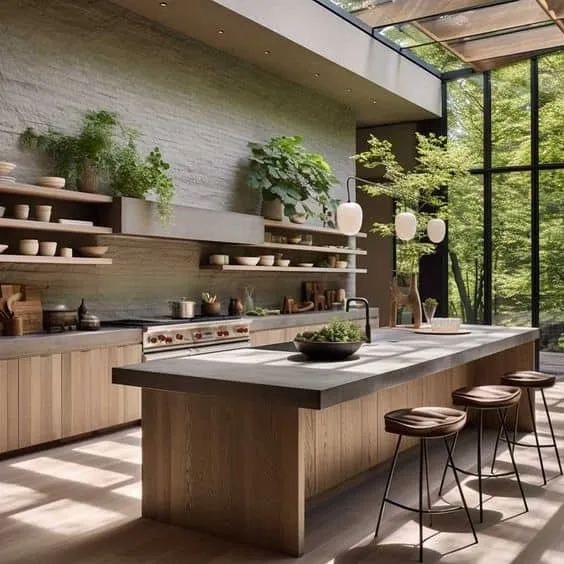
Sustainable development and green design principles play an important role in the functioning of healthcare facilities. Simply put, a more environmentally responsible healthcare environment depends on implementing energy-efficient systems, using eco-friendly materials, and adopting waste reduction strategies. Studies show that green environments improve well-being. It has also been established that access to natural light and views of outdoor nature improves patient treatment outcomes and staff well-being.
Healthcare facilities can reduce their environmental impact and create conditions that facilitate patient recovery and staff well-being by properly approaching sustainable development. This commitment to environmental responsibility aligns with the broader goal of delivering comprehensive and responsible healthcare services.
In conclusion, design in the healthcare sector must be flexible and scalable to meet constantly changing needs of staff and patients. Healthcare facilities should provide conditions that support effective and high-quality patient care, adapting to evolving patient needs, creating sustainable infrastructure, optimizing space usage, responding to medical crises, supporting staff well-being, and integrating sustainability. Patient, employee, and all users' well-being must be a priority when designing these facilities.