Unusual Ways Hackers Penetrate Smart Homes
If smart homes slightly scare you, you're not alone.
This technology can control lighting, thermostats and even coffee makers, and although it's undoubtedly convenient and accessible, there's something a bit creepy about a house entirely dependent on technology.
According to estimates, there are about 175 million smart homes in the world, and some of them have vulnerabilities that cyber attackers can exploit for their benefit.
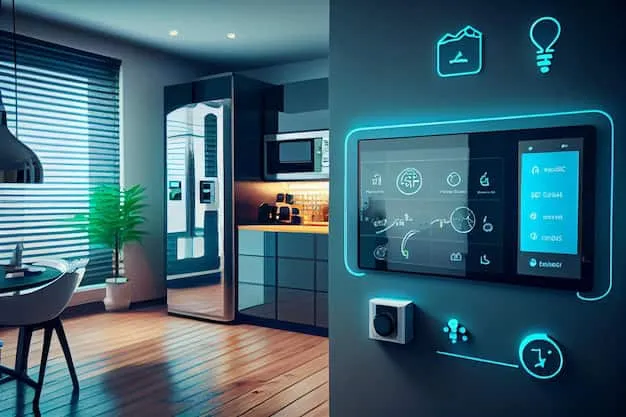
Below we list seven methods hackers can use to compromise the security of your smart home, as well as effective prevention strategies.
1. Vulnerabilities in Smart Bulbs
Believe it or not, your light bulb can make you more vulnerable to hackers.
These devices connect to your Wi-Fi network, allowing remote control via smartphone or smart hub. While convenient, some smart bulbs have been found with security vulnerabilities that cyber attackers can exploit to infiltrate your network.
After infiltration, hackers may use the compromised smart bulb as an entry point to access other devices on your network.
To counter this, research your smart bulb and choose only trusted brands.
2. Voice Command Manipulation
Voice assistants like Amazon Alexa and Google Home have changed how we interact with technology.
Unfortunately, they've also altered how hackers penetrate systems.
Cyber attackers have found ways to deceive these virtual assistants into executing commands without the owner's knowledge or consent.
This can range from playing harmless music to more sinister actions like opening doors or deactivating security systems.
3. Intercepting Smart Home Data Through Power Lines
Some smart devices use power line communication technology, which allows data to be transmitted through electrical wiring.
An unconventional hacking method involves intercepting data sent over these power lines.
This means sensitive information like security codes or device status updates can be intercepted and used maliciously.
4. Intercepting Smart Home Integrations
A study published last year shows unauthorized access to networks was the most common cause of third-party attacks, causing 40% of such incidents.
Many smart homes rely on third-party services or apps, and hackers exploit this.
If your smart home depends on less secure third-party services, your smart home network may be vulnerable to such cyberattacks.
5. Eavesdropping on Infrared Signals
Some older smart devices use infrared signals for tasks like remote control or motion detection.
This opens the door to eavesdropping on infrared signals.
Hackers can use specialized equipment to intercept these signals, capturing commands or data transmitted between devices. Decrypting the captured information may allow them to remotely control devices.
5 Steps You Can Take to Protect Your Smart Home
If we scared you, don't worry; there are several steps you can take to protect your smart home.
1. Device Segmentation
Device segmentation is one of the most effective ways to protect your smart home from potential cyber threats.
This includes creating separate networks or segments for different categories of devices.
For example, you can place your surveillance cameras or locks on one network while placing light bulbs or TVs on another.
This way, even if a hacker gains access to one of these segments, they won't be able to access all your devices.
2. Biometric Authentication
Biometric authentication uses physical or behavioral characteristics to verify identity.
This includes using fingerprints, facial features, iris patterns, or voiceprints.
This method is harder for hackers to exploit, and many smart home systems now include these features as an alternative to passwords.
This not only strengthens your security but also simplifies access to accounts, devices, and even your home.
3. Network Monitoring Tools
Network monitoring tools track data flow and activity in your network.
These tools monitor the operation of various devices such as meters and services. They analyze internet speed, who is using it, and whether any unusual or suspicious activity occurs.
In addition, network monitoring tools ensure efficient device operation and prevent possible slowdowns or failures.
4. Behavior Analysis
Over time, your smart home will start recognizing your usual patterns and interactions with devices.
By creating a baseline of typical behavior, your device can detect suspicious or anomalous activity.
For example, the system might trigger an alarm if a smart lock is usually activated at a certain time of day but suddenly activates at an inappropriate hour.
This alert can impose restrictions that might prevent a hacker from gaining access.
5. Additional Security Measures
You might consider cyber insurance—a specialized type of coverage designed to reduce financial losses and provide assistance after a cyberattack or data breach.
On the other hand, here are some additional tips to prevent hackers from penetrating your system:
Smart Homes — The Future
Smart homes have simplified many aspects of home life. From automatic coffee makers to voice-controlled light switches and appliances with built-in artificial intelligence, there are many new home technologies that have gained popularity in recent years.
If you plan to upgrade your home to a smart home, remember that these technologies can conceal potential cybersecurity risks, and it's important to follow the steps above to avoid putting yourself at risk.
Thus, you can benefit from an efficient smart home while still prioritizing cybersecurity safety.