Shui Zui Zhong Guo by CUN DESIGN: Modern Interpretation of Chinese Palaces
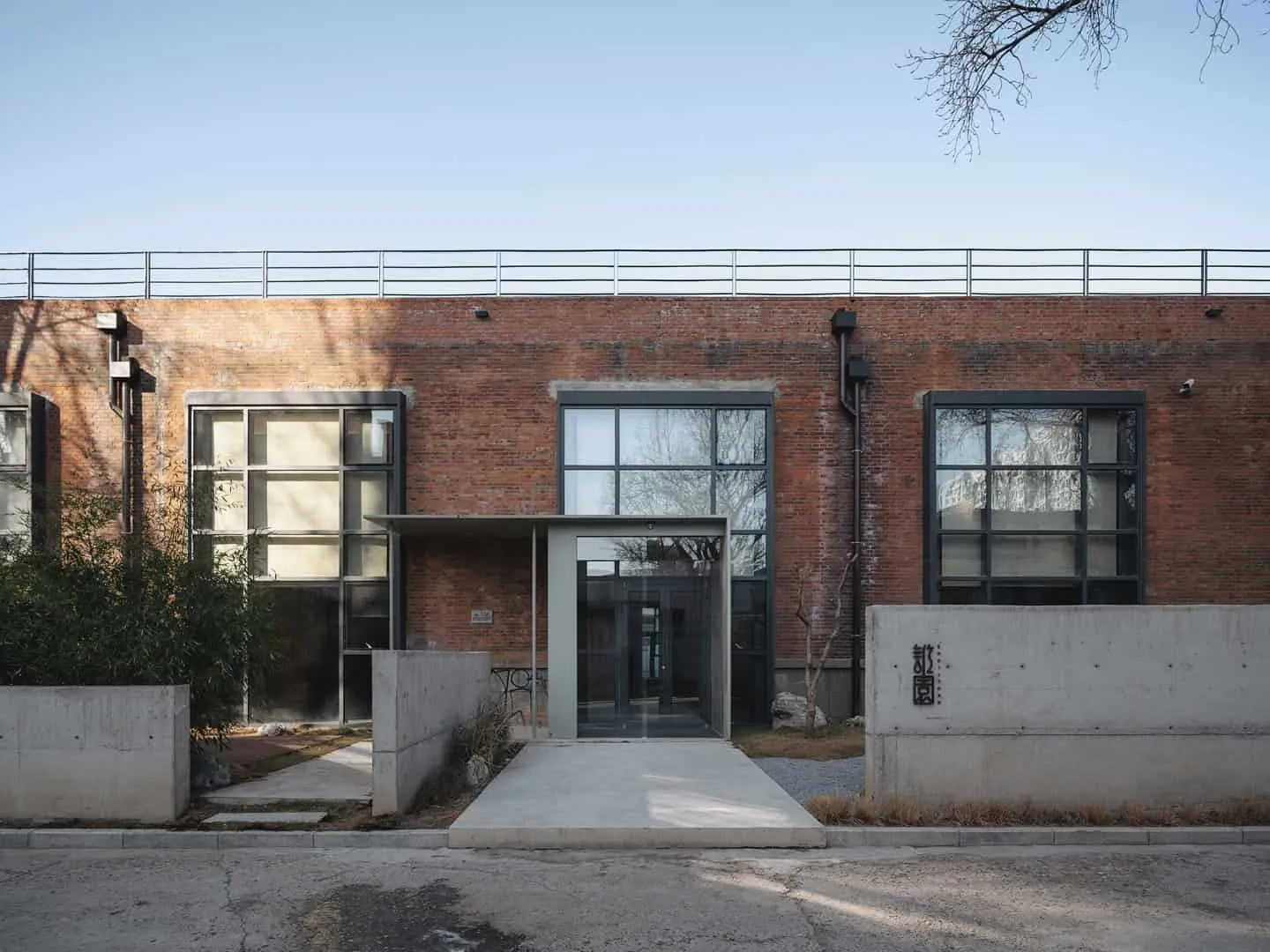
In the rapidly evolving real estate market of China, architecture often faces challenges in reconciling cultural depth and modern requirements. In this context, CUN DESIGN created Shui Zui Zhong Guo, a 1000 m² cultural-office complex in the Cheyan district of Beijing, completed in 2022.
The project embodies a decade of research into Chinese culture and modern expression, transforming the Bauhaus style shell into a vibrant dialogue between tradition and modernity, spirituality and functionality.
Two Worlds, One Identity
The program is divided into two clearly defined yet interconnected parts:
-
Office Space (600 m²): headquarters for the cultural media brand Shui Zui Zhong Guo.
-
Shui Yuan (400 m²): cultural space for art, design, tea, jewelry, and seasonal exhibitions.
Although access to them is through separate entrances, the spaces are connected by a corridor reminiscent of the link between front and back palaces in traditional Chinese complexes. Together, they form what architects call “dual flowers” — two distinct identities sharing one root.
Shui Yuan: Returning to Original Authenticity
Differing from typical galleries characterized by empty white walls, Shui Yuan embraces raw and unfinished materials.
-
Walls left in their original state reveal red bricks aged sixty years, transforming them from functional surfaces into textural background elements for cultural events.
-
Eight-meter-high ceilings with rounded grey columns create a sense of openness and void, allowing art, light, and seasonal changes to define the space.
-
The design reflects the philosophy of wabi-sabi, viewing imperfection and transience as gateways to spiritual reflection.
Here, tea ceremonies, floral arrangements, jewelry exhibitions, and furniture design bring life to the cultural center, turning it into a stage for Eastern aesthetics in modern form.
Office: Modern Expression of Tradition
The office section uses modern design methods, but weaves in subtle Eastern metaphors:
-
Twelve abandoned steel columns were reintegrated as spatial organization elements, reinforcing functional zones.
-
Movement through the space evokes a Chinese garden, with winding paths and shifting perspectives.
-
Entry niches and partitions add playfulness and visual surprise, breaking the solemn atmosphere.
-
At dusk, orange lighting reminiscent of the Forbidden City casts shadows on grey brick floors, embedding history into daily life.
The result is an office space that feels both new and rooted, balancing productivity with cultural identity.
Philosophy: Light, Spirit, and State
The lead designer Qi Shu emphasizes that design is not just material or form, but also the state of people within the space.
“The goal of design is not architecture or space, but the state of people — unconscious existence within a space and the spiritual pleasure arising from it.”
This spirit guides the Shui Zui Zhong Guo project, making it more of a journey toward truth and authenticity, rather than just a building.
Spatial Narratives: From Courtyard to Garden
The interaction of light, shadow, and movement creates an environment reflecting the tradition of Chinese gardens. Like historical gardens designed for gradual unfolding — “a new landscape at every step” — the project reveals spaces through a subtle sequence:
-
Gazes through niches spark curiosity.
-
Changing lighting over time transforms surface materials.
-
Halls and courtyards embody the rhythm of intimacy, openness, and reflection.
By combining Eastern poetry with modern minimalism, the project builds bridges between memory and modernity, spirituality and everyday life.
The project Shui Zui Zhong Guo represents an icon of cultural sustainability in modern China. By reviving material sincerity and weaving traditions into daily work and cultural life, CUN DESIGN demonstrates that spaces can embody more than convenience—they can be places of philosophy, memory, and spirit.
This project not only reflects how Chinese culture can be expressed today, but also offers a model for future adaptive reuse, where design becomes a vessel for aesthetic care, spiritual meaning, and collective cultural dialogue.