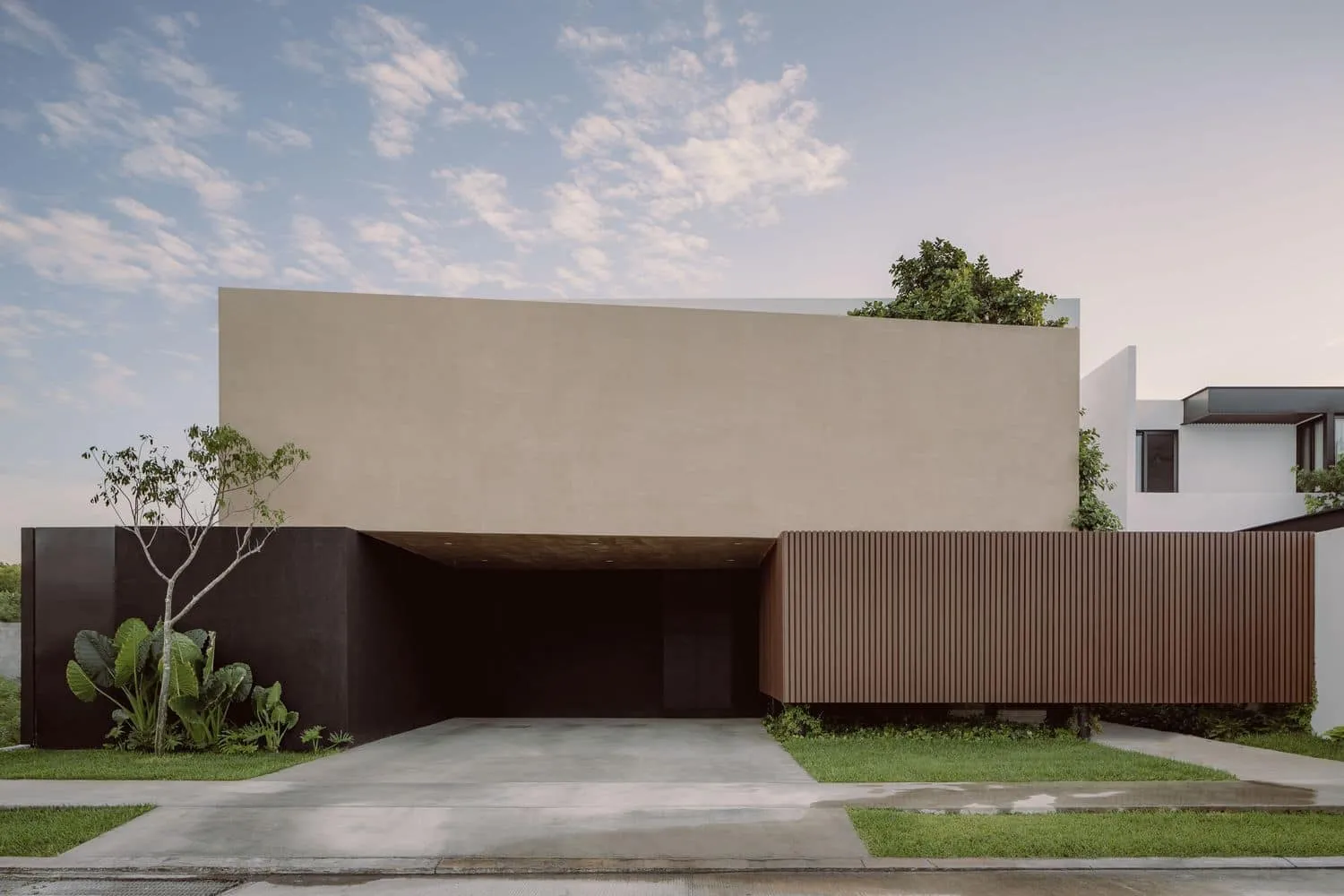
Rural Areas vs Urban Conditions: The Choice You Must Make
One of the key decisions every homeowner or real estate investor must make is choosing the location for purchasing property. The choice between urban and rural conditions has its pros and cons, which different people may perceive differently. In this article, we will examine the practical aspects of this decision, exploring opportunities and challenges related to real estate investment options.
Pros and Cons of Rural Real Estate
Rural areas include property in non-urban or agricultural zones. They are usually less populated, cheaper, and have less competitive markets. However, they are gaining more attention with the spread of remote work opportunities. Let's look at the advantages and disadvantages of rural real estate.
PROS CONS Lower prices. Rural homes are generally cheaper than urban properties, and the entry threshold for investment is lower. Maintenance costs. Utility expenses and maintenance are higher, with fewer service providers available. Development potential. Rural homes can be transformed into ranches, country houses, and B&Bs that generate income. Lack of infrastructure. In rural areas, you need a car to reach necessary places, unlike cities with rail and bus systems. Safety. Crime levels are usually lower in suburbs and rural areas compared to major cities. Fewer amenities. Less availability of services, entertainment options, schools, and medical facilities to choose from.Pros and Cons of Urban Real Estate
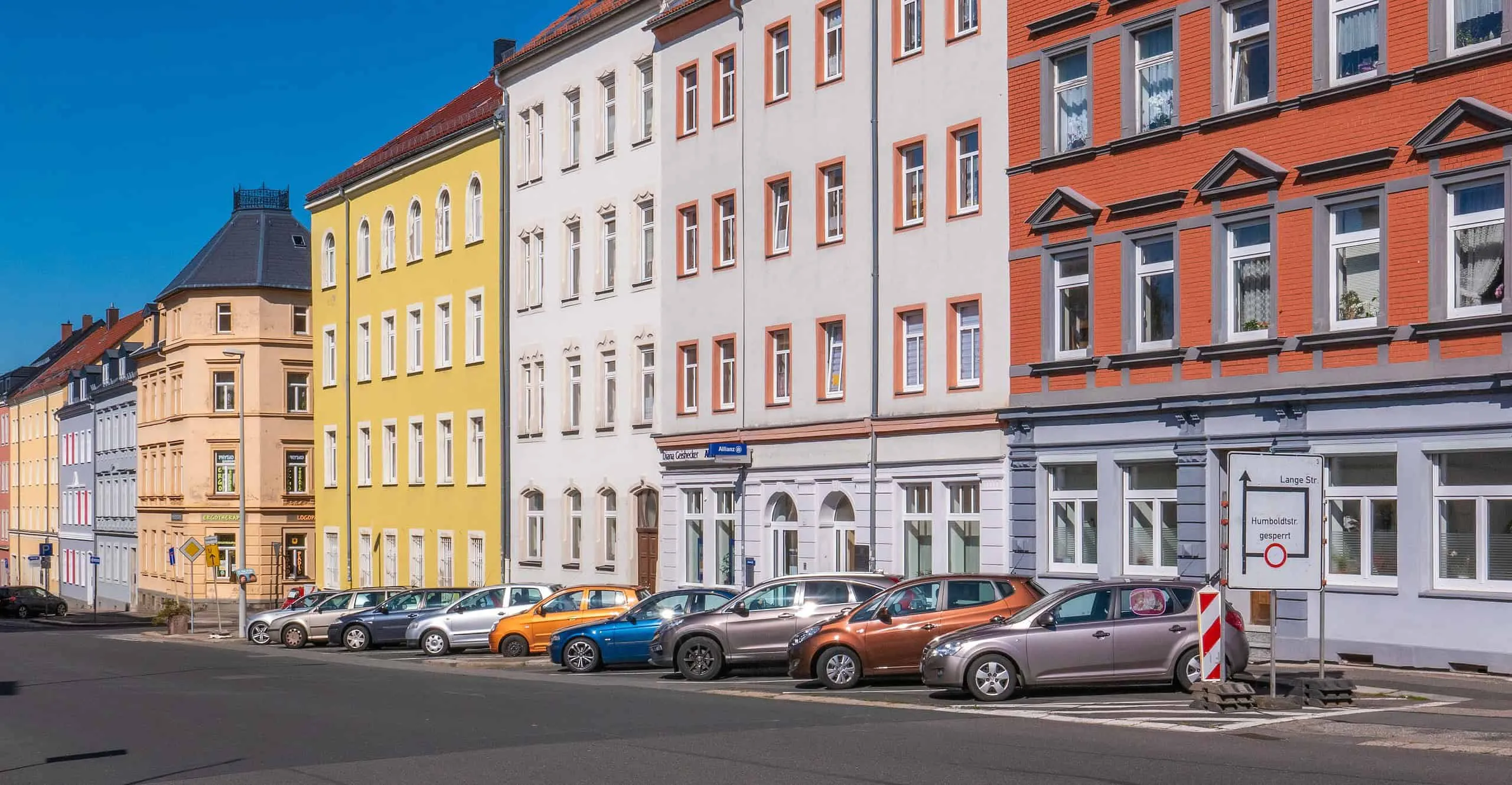
Urban areas usually have denser populations and access to various amenities and infrastructure systems. Even during the pandemic and remote work, more people live in urban areas (over 57% of the population). Let's examine its advantages and disadvantages.
PROS CONS High demand. Cities generally have higher demand and employment levels compared to suburbs, meaning properties can be sold and rented. Higher costs. Urban real estate is more expensive than rural, making it less accessible and riskier for investors. Amenities. Developed infrastructure and conveniences, such as schools, clinics, and restaurants, attract many people to cities. Limited space. In cities, you get less space for a higher price compared to suburbs, and parking can be more difficult. Income potential. You can always resell or rent real estate and achieve higher returns due to constant price growth. Health impact. Other possible drawbacks of city life include pollution, noise, and higher crime rates.Nevertheless, studies show that people are drawn to megacities like New York, Tokyo, Dubai, and Seoul. There are far more opportunities for business and networking, a developed public sector, and numerous conveniences. Real estate such as Dubai properties or Manhattan apartments are among the most sought-after objects.
ROI Comparison: Urban vs Rural Real Estate
In real estate investment, the main factor in decision-making is potential return on investment (ROI). Urban areas often offer faster returns due to:
- Higher price growth rates, meaning the property you buy will grow steadily in value.
- Higher rental income due to increased demand and dense population.
- Amenities inherent in urban areas increase value; real estate in developed neighborhoods is usually more expensive to buy and rent.
The other side of the coin is significant risks associated with migration, crime rates, pollution, and more. However, urban real estate can be beneficial for investors seeking quick success.
In rural areas, you won't get fast and substantial returns. However, it offers more long-term benefits:
- Lower initial costs provide less risk for investors in terms of required capital.
- Higher resale prices compared to rental income, as seen in urban areas.
- Development opportunities can transform quiet suburbs into new trendy neighborhoods within 10-15 years.
Rural real estate can deliver the best long-term results for investors who want to preserve and gradually grow their capital.
Diversification for Balanced Investment
Diversification is an effective strategy in the investment field. It means investing in various types and classes of assets, not just choosing one. Regarding real estate, diversifying rural and urban properties can also be beneficial for investors.
Diversification is key to a balanced investment portfolio that generates high and stable returns under any circumstances.
Emotional Factors in Investment
Sometimes it all comes down to emotional attachment and personal preferences. Emotions can definitely influence investment decisions, shifting the balance in one direction or another. Rural real estate may appeal to people tired of fast-paced life, traffic jams, deadlines, and background noise. They seek a peaceful sanctuary, silence, and a slower pace of life. For such people, suburban homes will be the ideal choice.
Others want to get the most out of life and its possibilities. They love the rhythms of big cities and always seek excitement in their lives. Of course, we can't completely ignore market analysis and risk assessment; however, emotional motivation can make investments more profitable and satisfying. A combination of logic and emotion in such a choice could be the best strategy.
Conclusion
Any kind of investment is a complex process requiring many considerations. When choosing between rural and urban real estate, there's no universal answer. Factors such as market conditions, potential returns, income expectations, and even personal preferences must be taken into account. Diversification can also be a useful strategy for reducing risk and ensuring steady income. You should always weigh all pros and cons to make an informed decision that brings you the best results and a sense of satisfaction.