Residential Barn by BE Architektur GmbH: Modern Vernacular in Zurich
Respect for Rural Environment
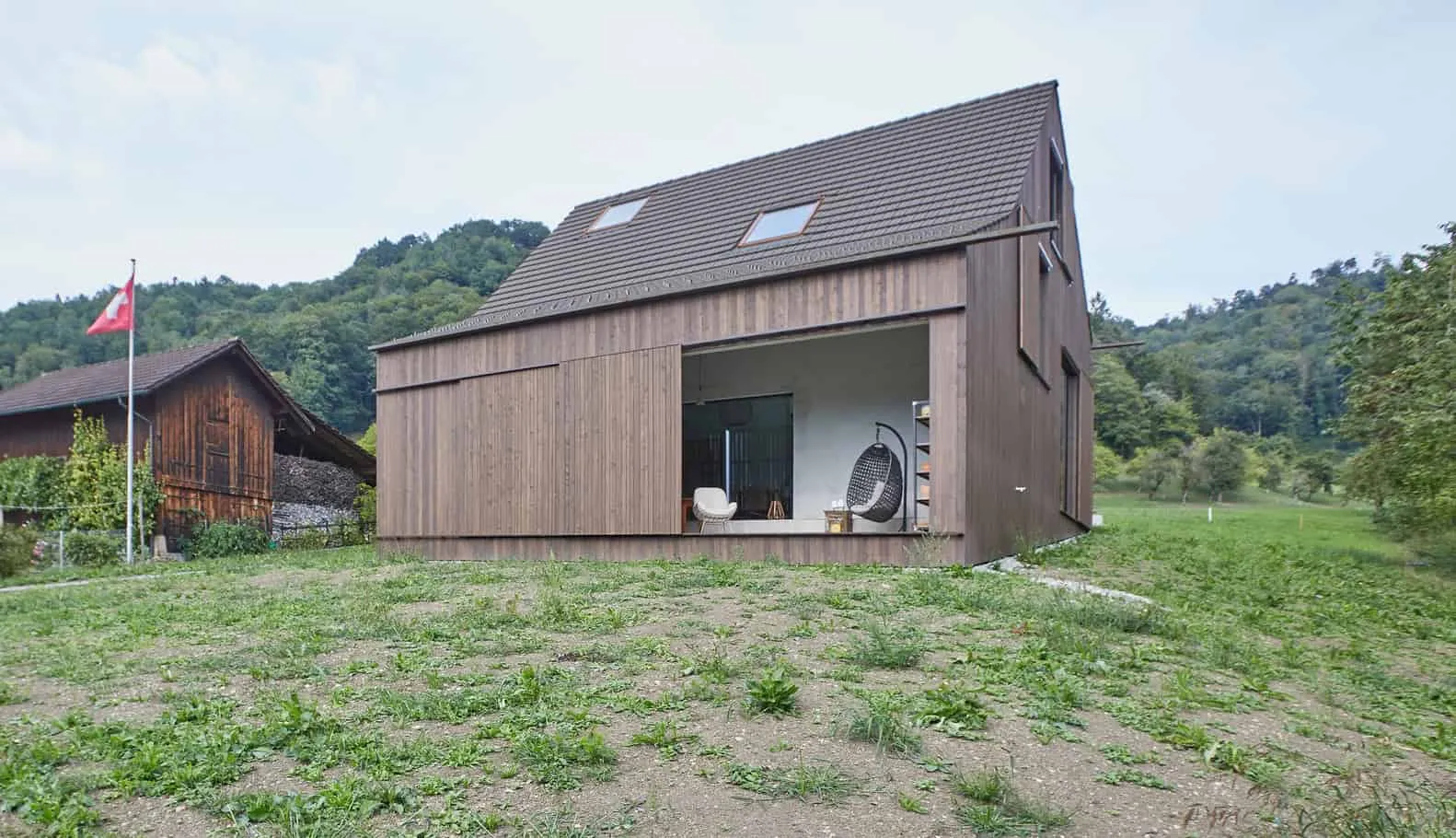
The residential barn, designed by BE Architektur GmbH in Zurich, Switzerland, represents a thoughtfully reimagined version of the traditional Swiss barn type. Surrounded by approximately 15 wooden structures in the village area, this new house is not perceived as an alien intervention but rather as a development of the local architectural language. Its design pays homage to rural culture while introducing sculptural modernity.
Façade and Material Expression
From a distance, the house harmoniously integrates into the rural setting. Glazed wooden façade cladding recalls worn surfaces of traditional barns, while the roof slope with local clay tiles strengthens its connection to regional architectural style.
Key details highlight the design:
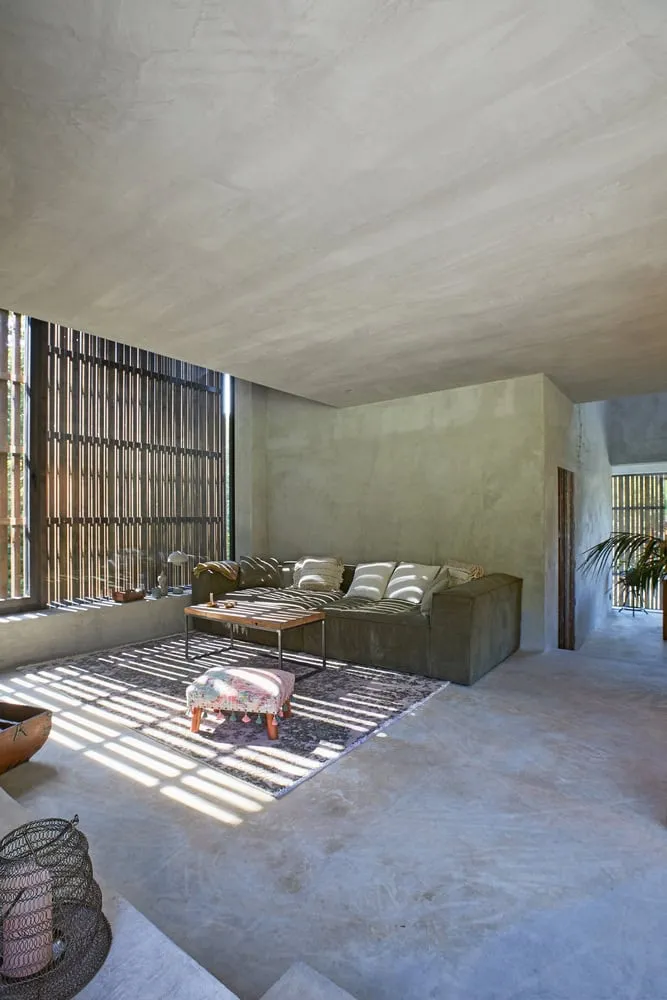
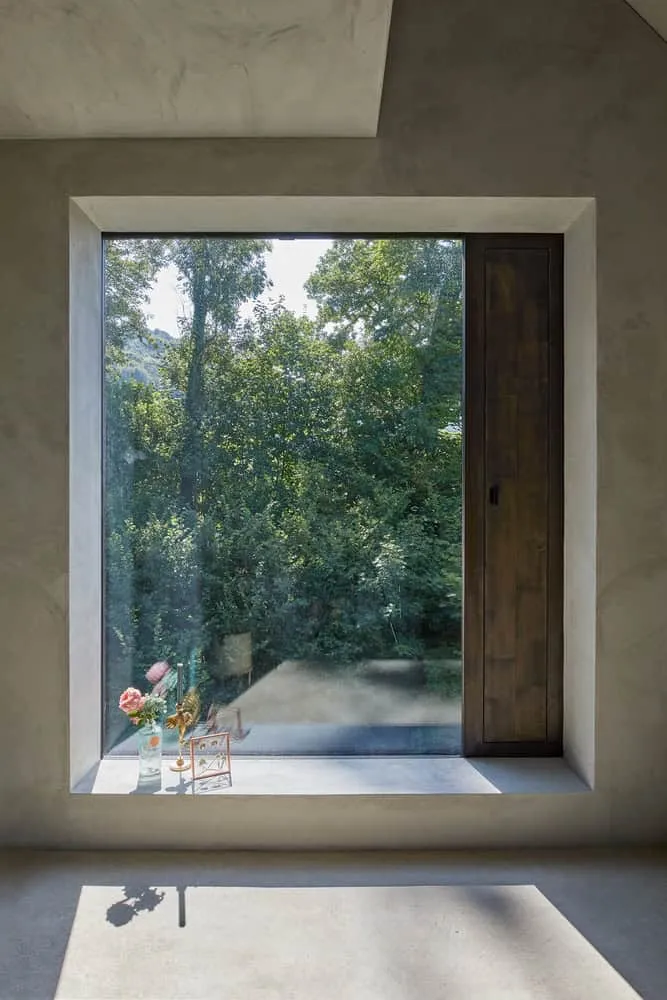
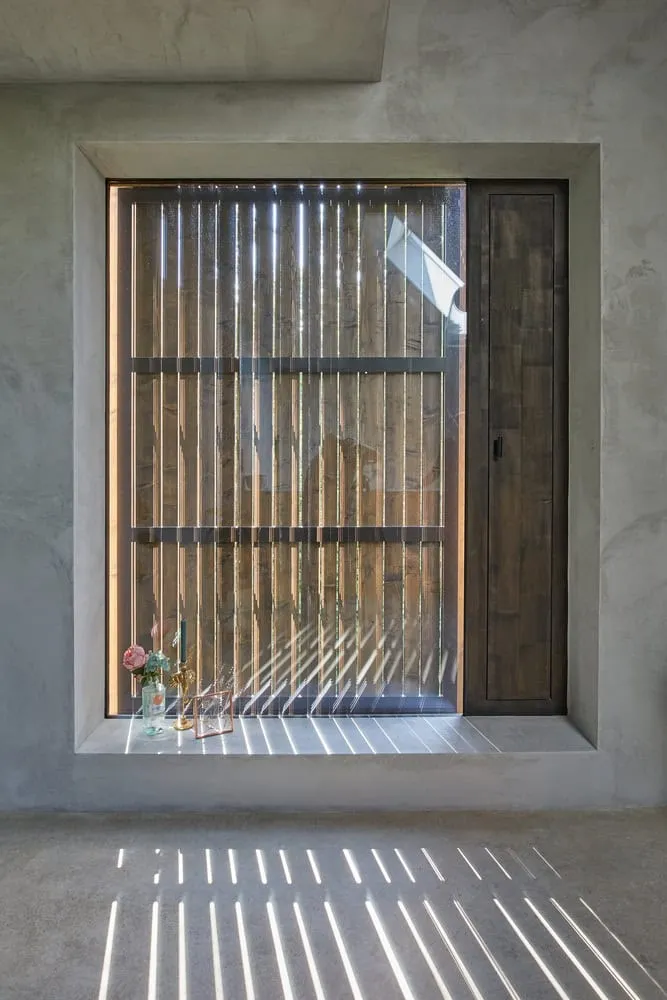
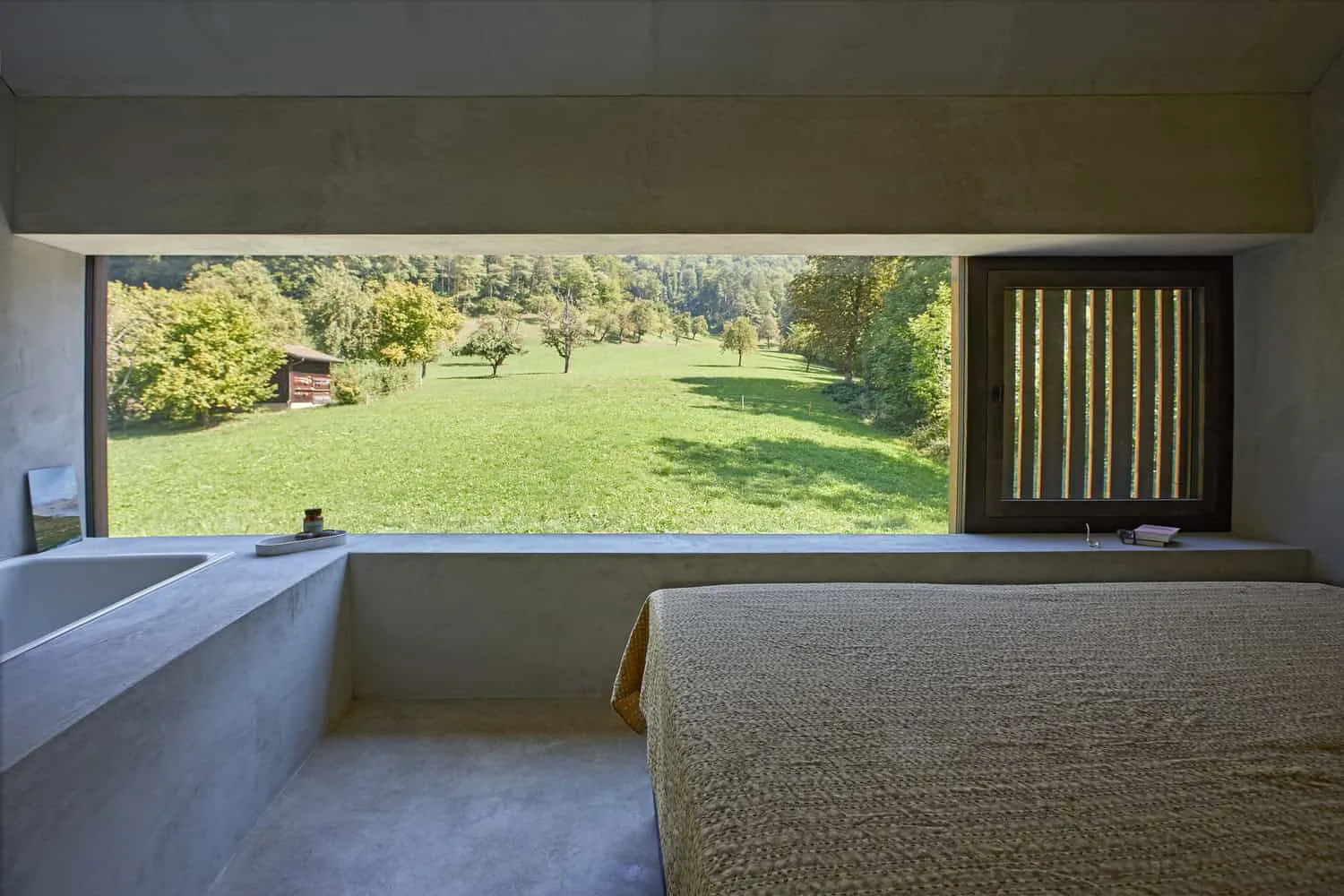
Wooden louvers and sliding doors conceal and protect large windows, providing sun protection, privacy and thermal control.
A raw steel beam simultaneously functions as a gutter, visually directing rainwater like a waterfall.
Drainage pipes were deliberately omitted to maintain a simple and elemental expression of the barn.
The result is a building that appears familiar yet looks contemporary.
Following the Topography
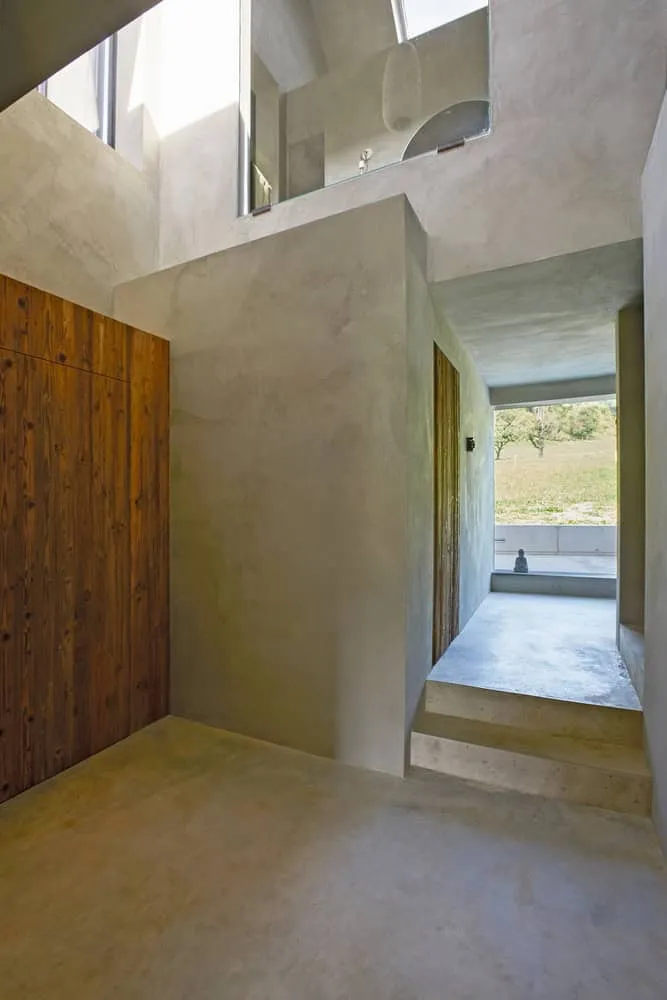
Instead of altering the landscape through deep excavation and backfilling, architects embraced the slope of the plot. The first floor is organized in stepped levels following the natural topography, allowing the house to sit easily within its surroundings.
Sculptural Interior Concept
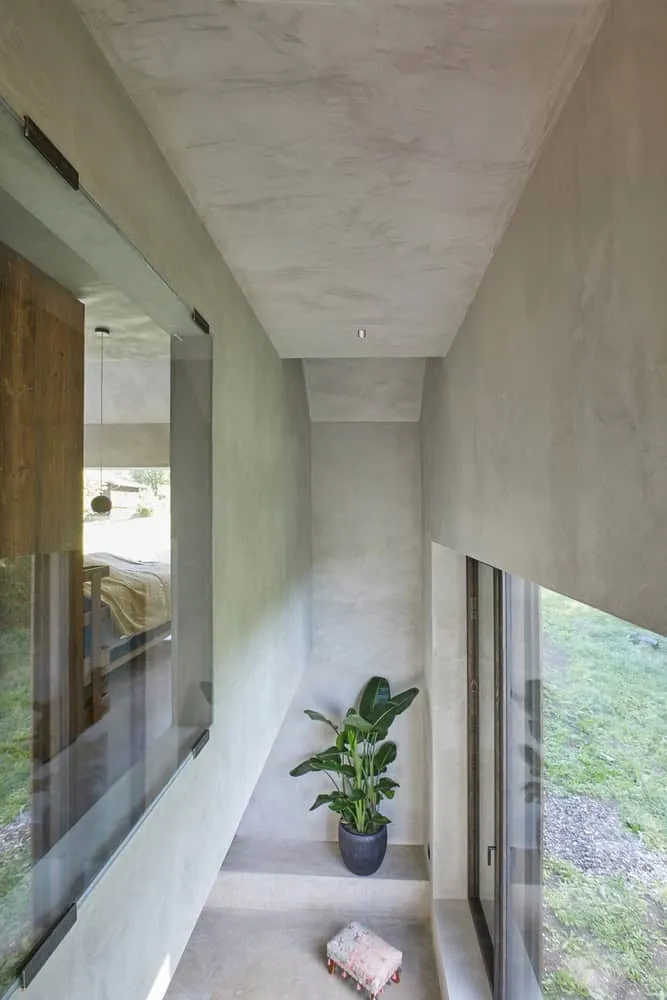
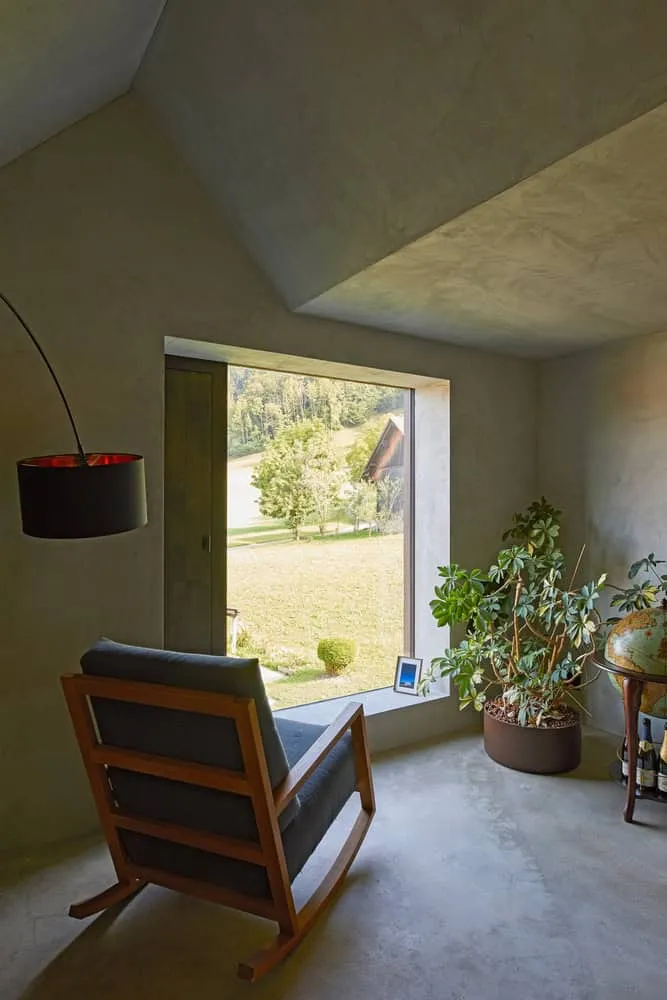
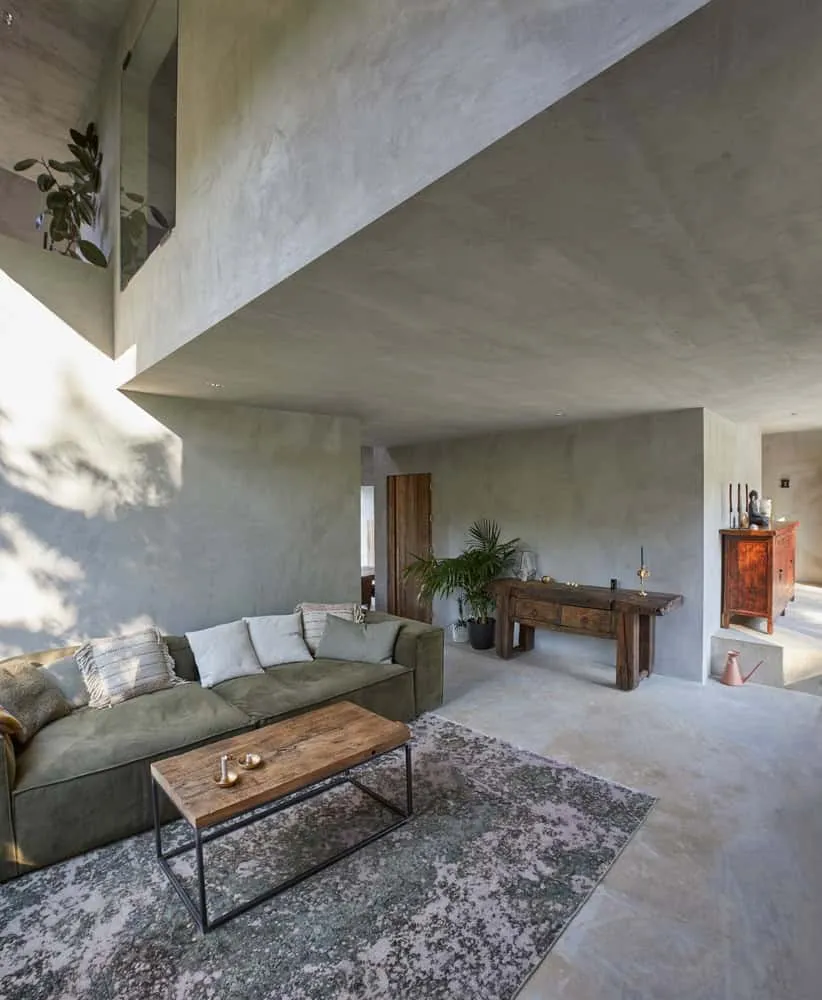
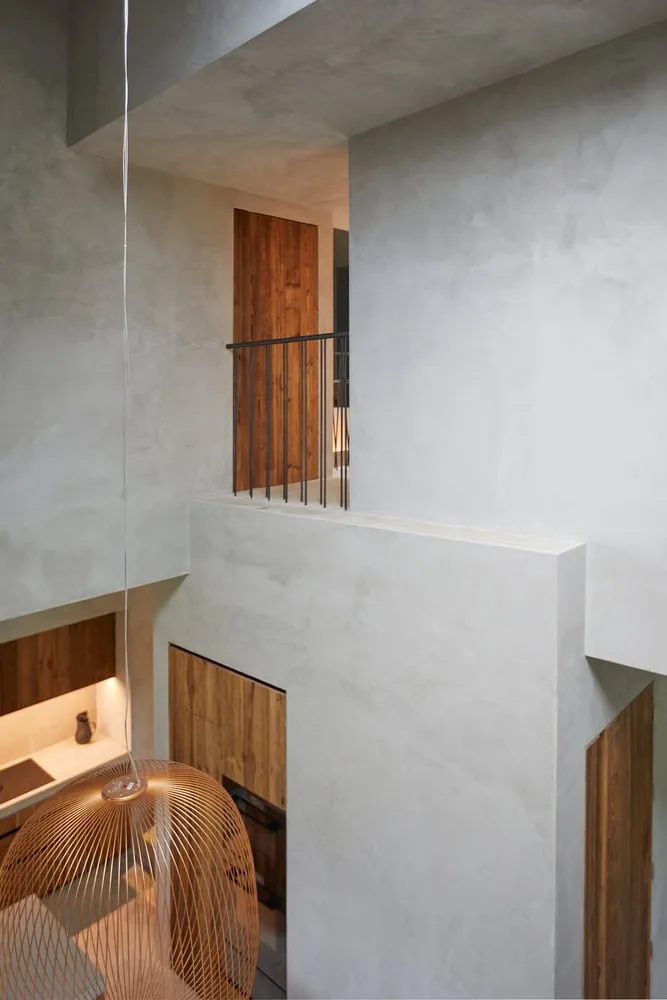
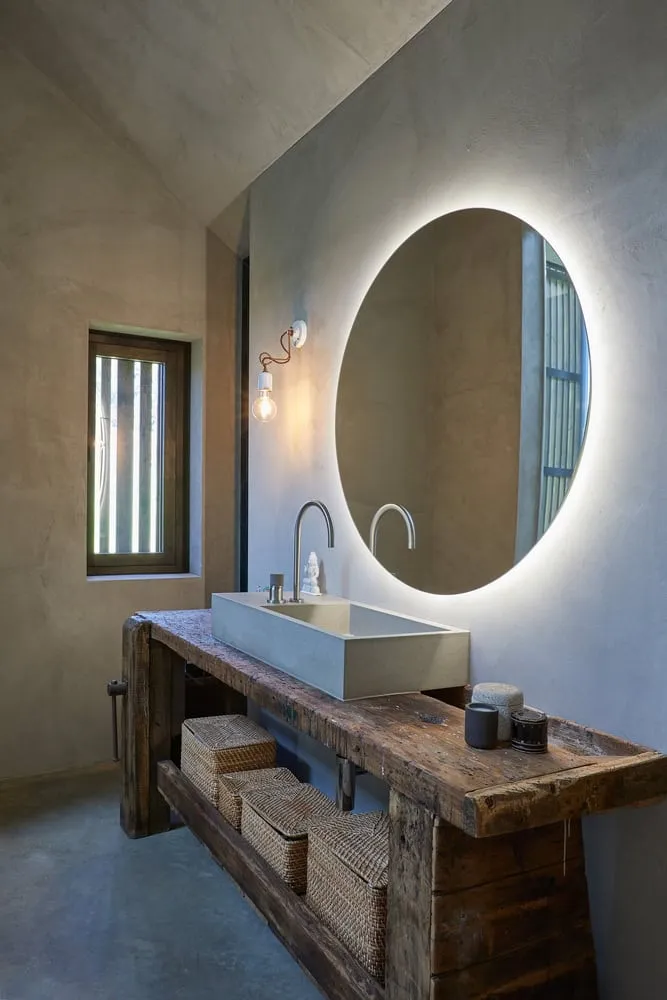
Traditionally, barns serve for storing hay and tools; here, personal functions of the home such as bedrooms, bathrooms and wardrobes are treated as 'closed' volumes located within the structure. Around these volumes, open living spaces flow vertically and horizontally, creating a dynamic interior landscape.
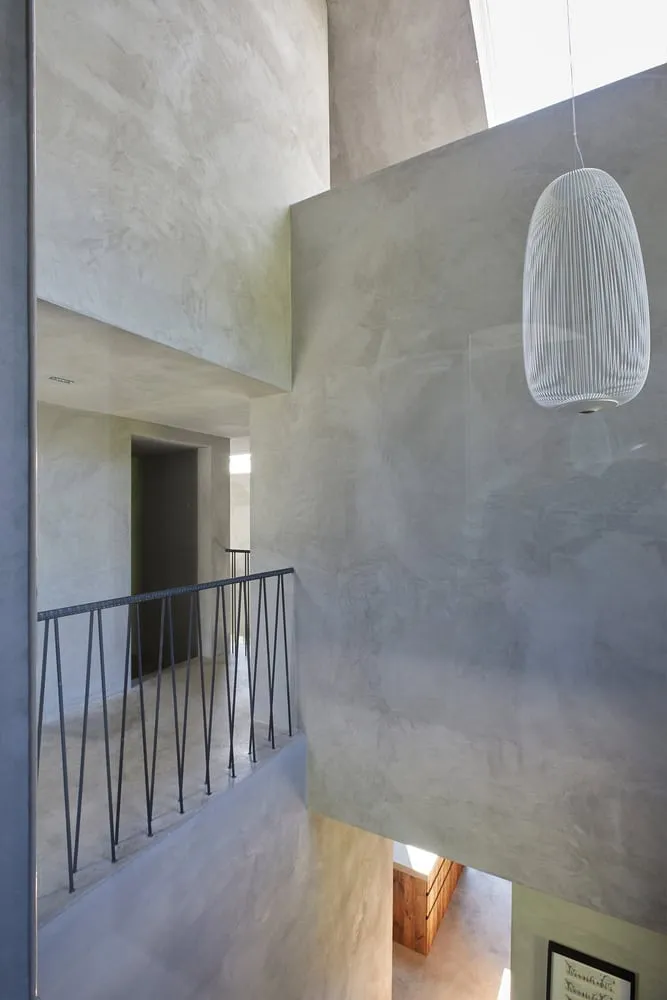
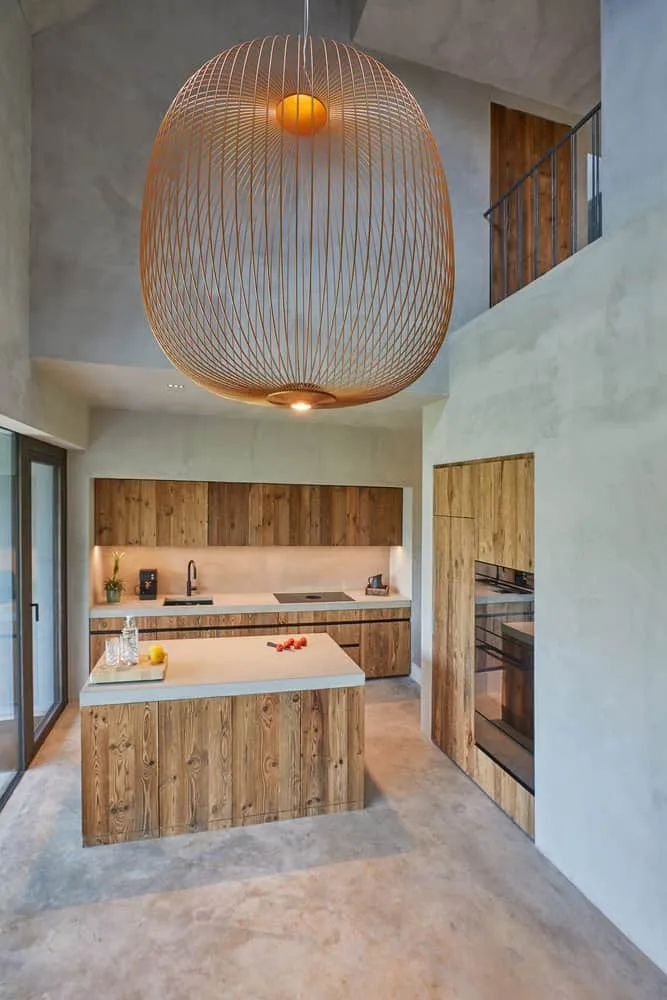
This dialogue between positive and negative volumes generates a spatial sculpture: cozy, enclosed rooms embedded in the broader continuum of open and interconnected spaces. The result is a generous interior with an impression of infinity and freedom.
Authentic Materials
The interior continues the theme of material honesty:
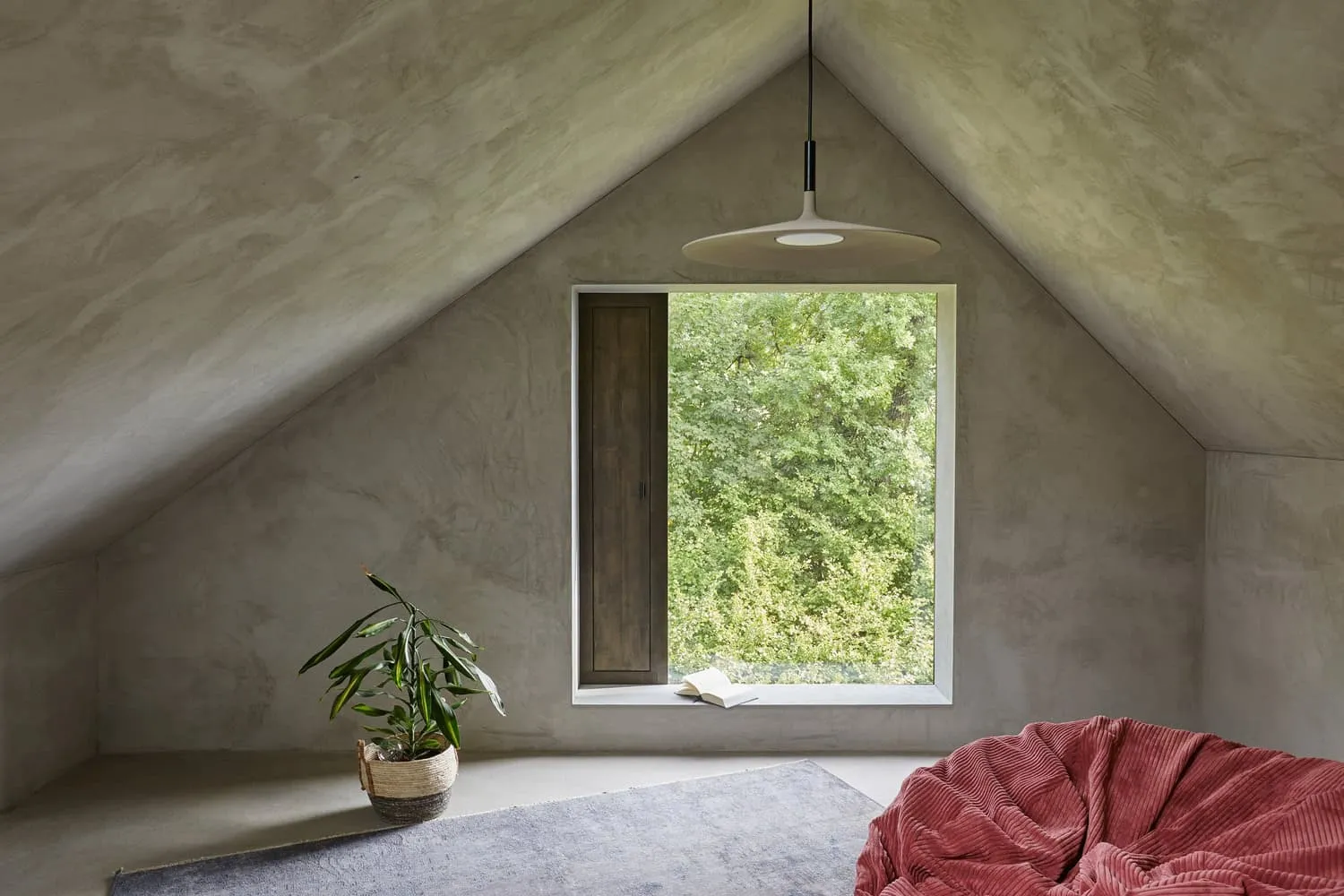
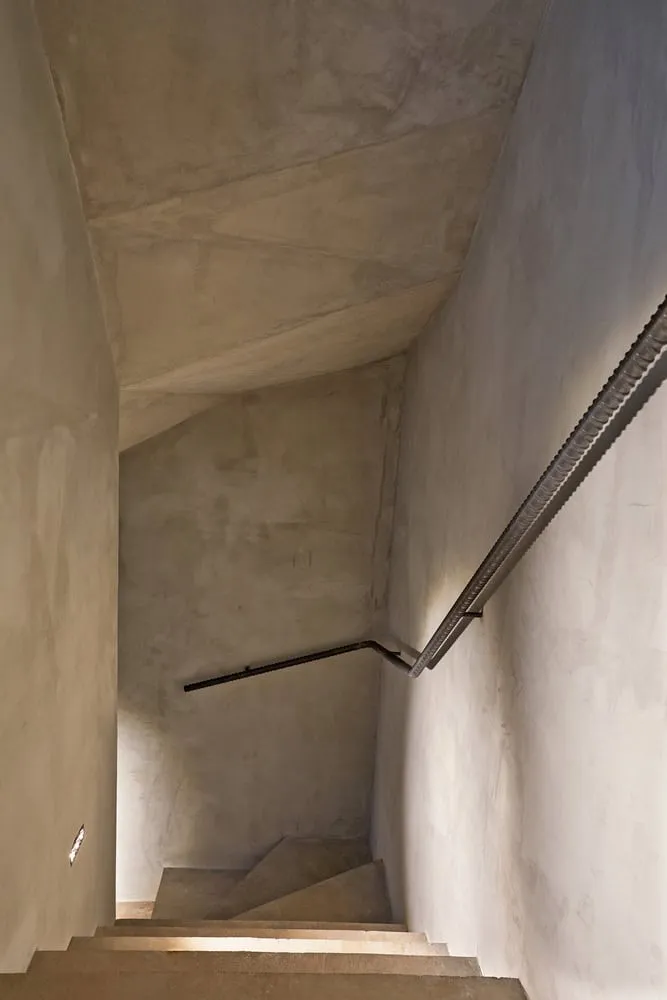
Exposed concrete slabs define the floors.
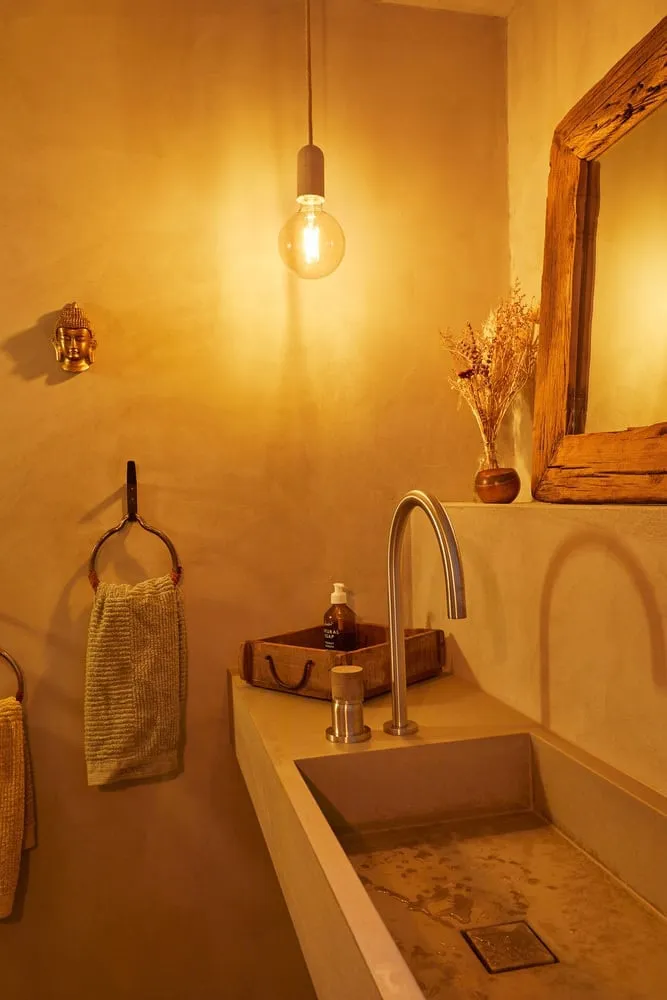
Textured plaster covers the walls, complementing the coarse aesthetic of concrete.
Both materials retain a restrained, unadorned form, emphasizing shape and proportions rather than decoration.
Sustainable Integration
Sustainability is a key element of the design. A photovoltaic system was installed on the gently sloped roof, with solar panels laid out like a continuous carpet across the surface. A standalone garage structure built from concrete with wooden formwork reflects the materiality of the house, ensuring consistency between auxiliary and main constructions.
The residential barn demonstrates how modern architecture can reimagine folk traditions without imitation. By combining rustic materials with contemporary construction methods, BE Architektur GmbH created a home that is both contextual and future-oriented. The house enters into dialogue with its agricultural neighbors, proving that rural culture can be preserved and reinterpreted for life in the 21st century.
Photos © Vito Stalone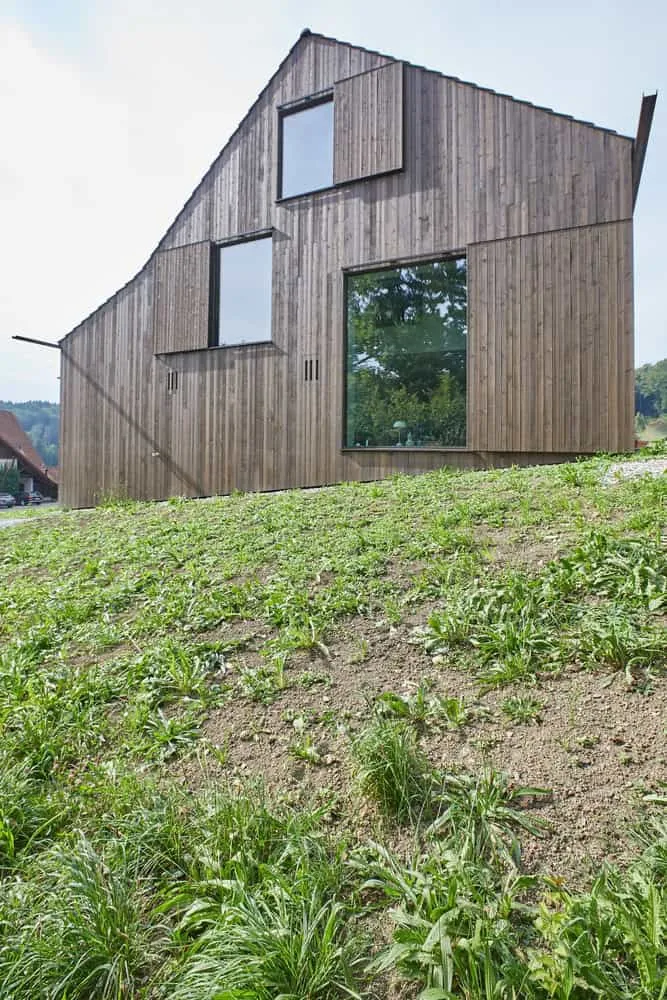 Photos © Vito Stalone
 Photos © Vito Stalone
 Photos © Vito Stalone
 Photos © Vito Stalone
 Photos © Vito Stalone
 Photos © Vito Stalone
 Photos © Vito Stalone
 Photos © Vito Stalone
 Photos © Vito Stalone
 Photos © Vito Stalone
 Photos © Vito Stalone
 Photos © Vito Stalone
 Photos © Vito Stalone
 Photos © Vito Stalone
 Photos © Vito Stalone
 Photos © Vito Stalone