Effective Ways to Make Your Home More Accessible for Everyone
If you do not have disabilities that interfere with your perception, mobility, or balance, you may not have spent much time thinking about whether your living space is fully accessible. Making thoughtful accessible home modifications ensures your living space stays welcoming and safe for everyone who lives in it or visits. Remember that mobility and physical needs naturally change over time. Preparing your home now with universal design home features supports long-term independence and aging in place home improvements.
Limit Challenges Associated With Doorways and Thresholds
Widen interior pathways to at least 32 inches using swing-clear hinges or reframing, and smooth out raised thresholds to eliminate tripping hazards.
Standard interior doorways often present major obstacles for people who use walkers, wheelchairs, or crutches. A standard wheelchair accessible home modification requires at least 32 inches of clear width, with 36 inches being the ideal standard for comfortable navigation.
High door thresholds are another frequent hazard. Raised thresholds can easily trip someone with low vision or stop wheelchair casters in their tracks. Fortunately, you can tackle these issues through both quick DIY fixes and permanent renovations:
- Low-cost DIY upgrades: Swap out standard door hinges for expandable swing-clear hinges to gain up to two inches of clearance without tearing out drywall. Add beveled threshold transition strips or mark abrupt height changes with high-contrast, non-slip tape. You can also install smart locks and video intercoms so you or your guests can unlock doors without rushing.
- Structural renovations: Hire a contractor to reframe narrow doorways to 36 inches wide, remove raised interior thresholds, and install zero-step exterior entryways.

Install Grab Bars in the Bathroom
Anchor sturdy grab bars directly into wall studs beside toilets and showers to prevent slips where dangerous falls happen most frequently.
According to data from the Centers for Disease Control and Prevention, millions of elderly people fall each year. Many of them have to go to emergency rooms for associated treatment, and some experience falls that are ultimately fatal. Because bathrooms combine wet, slick surfaces with frequent body-weight transfers, they are the most critical area to secure against slip hazards.
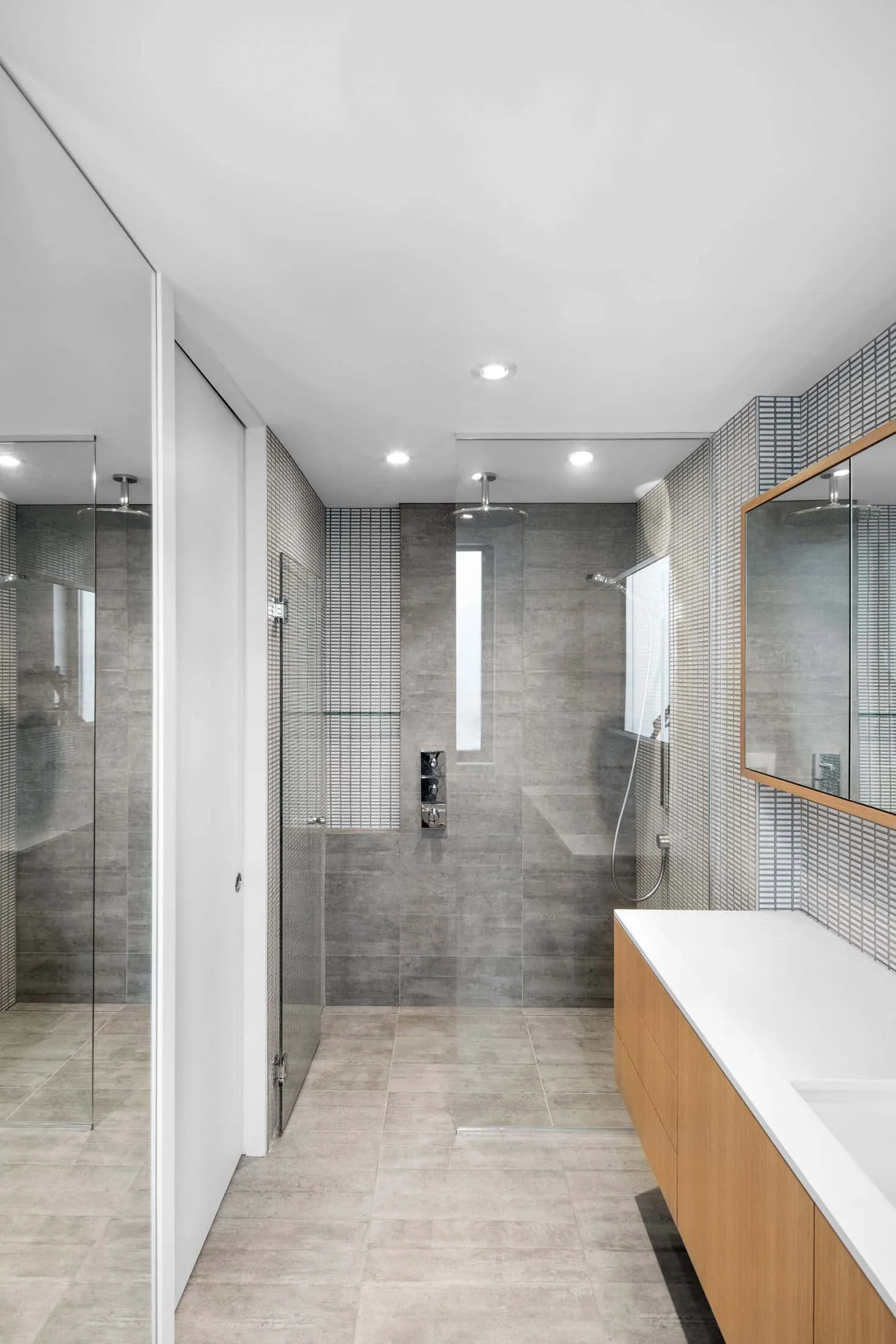
Mounting grab bars beside the toilet and along shower walls gives everyone a secure handhold. A staple of all bathroom stalls intended for disabled users, these functional additions prevent catastrophic falls when bathing or standing up. Never rely on suction-cup bars or towel racks, which cannot bear adult weight; always secure grab bars directly into wall studs.
To further upgrade bathroom accessibility, consider pairing grab bars with additional safety modifications:
- Install slip-resistant flooring or textured mats inside tubs and showers.
- Replace high-walled bathtubs with curbless, walk-in roll-in showers.
- Add a handheld shower head and an adjustable shower bench.
- Upgrade standard toilets to comfort-height (17 to 19 inches) models.
Eliminate Obstacles Related to Stairs
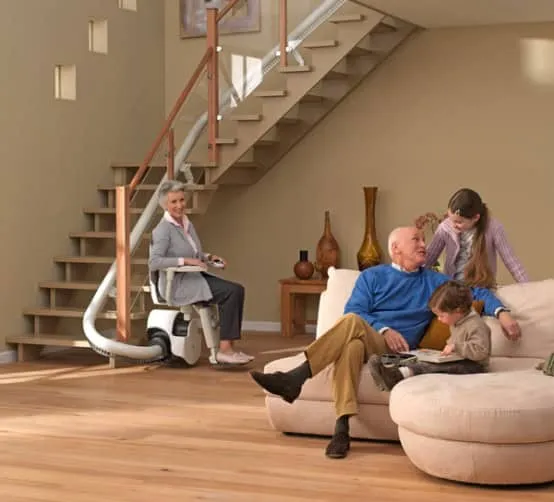
Steps and changes in elevation can instantly block access for people with limited mobility. Installing ramps and mechanical lifts eliminates entry barriers and keeps your home open to visitors of all physical capabilities.
When adding an outdoor ramp, adhere to the standard 1:12 slope ratio: for every one inch of vertical rise, you need at least twelve inches (one foot) of ramp run. This gentle slope ensures that manual wheelchair users and individuals using walkers can navigate safely without straining. For interior multi-story homes, motorized stair lifts or vertical platform lifts offer smooth, dependable transit between floors.
If you plan to build an addition onto your home, review blueprints with your house designer beforehand. Focus your plans on single-story layouts or open-concept spaces that eliminate unnecessary steps and awkward elevation changes.
Organize Cabinets and Closets for Simpler Access
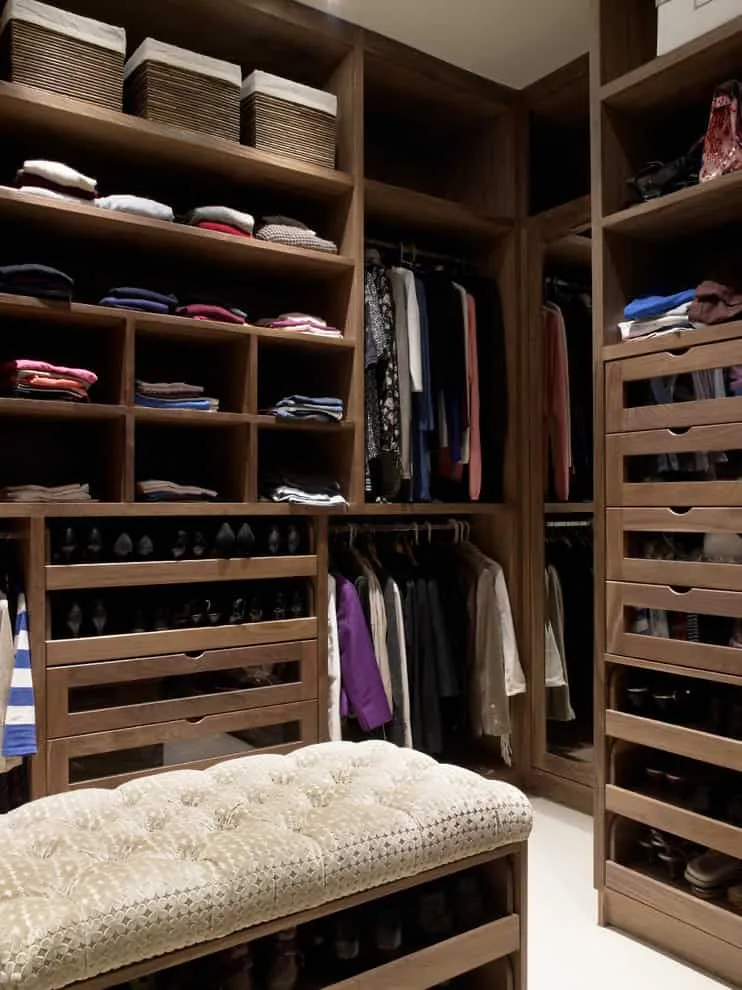
Reaching high shelves or bending down into deep corner cabinets can cause strain and balance loss. Reorganizing your kitchen and storage spaces around reach zones keeps daily essentials safely within arm’s reach.
Simple diy home accessibility upgrades can dramatically improve daily usability throughout your kitchen and closets:
- Replace round cabinet knobs with ergonomic D-shaped handles or touch-release latches.
- Add pull-out drawers, slide-out organizers, and lazy Susans inside deep lower cabinets.
- Lower closet hanging rods to between 40 and 48 inches off the floor.
- Store heavy everyday cookware and dishes between waist and shoulder height.
Make Essentials Available on the Ground Level
Consolidate daily sleeping, bathing, and living essentials onto your main floor to remove stair hazards and preserve long-term independence.
Arranging full single-level living on the ground floor ensures that anyone can sleep, eat, and bathe comfortably without navigating stairs. Converting a main-floor half bath into a full accessible bathroom or setting up a ground-floor bedroom allows guests and aging family members to stay without strain.
Pair physical layout changes with modern smart home technology. Voice-activated assistants, smart plugs, automated motion-sensor lighting, and motorized window shades allow anyone to control their environment without struggling with hard-to-reach switches.
To help pay for larger accessibility projects, look into available financial resources. Many government programs, including VA housing adaptation grants, USDA Section 504 home repair grants, and local state tax credits or Medicaid home-and-community-based waivers, offer assistance to offset renovation expenses.
Making your home more accessible is an achievable goal that brings long-term comfort, safety, and independence. Start with simple updates today and build your accessibility plan step by step.