T-House | DBDA | Ramat Gan, Israël
House of Light and Continuity
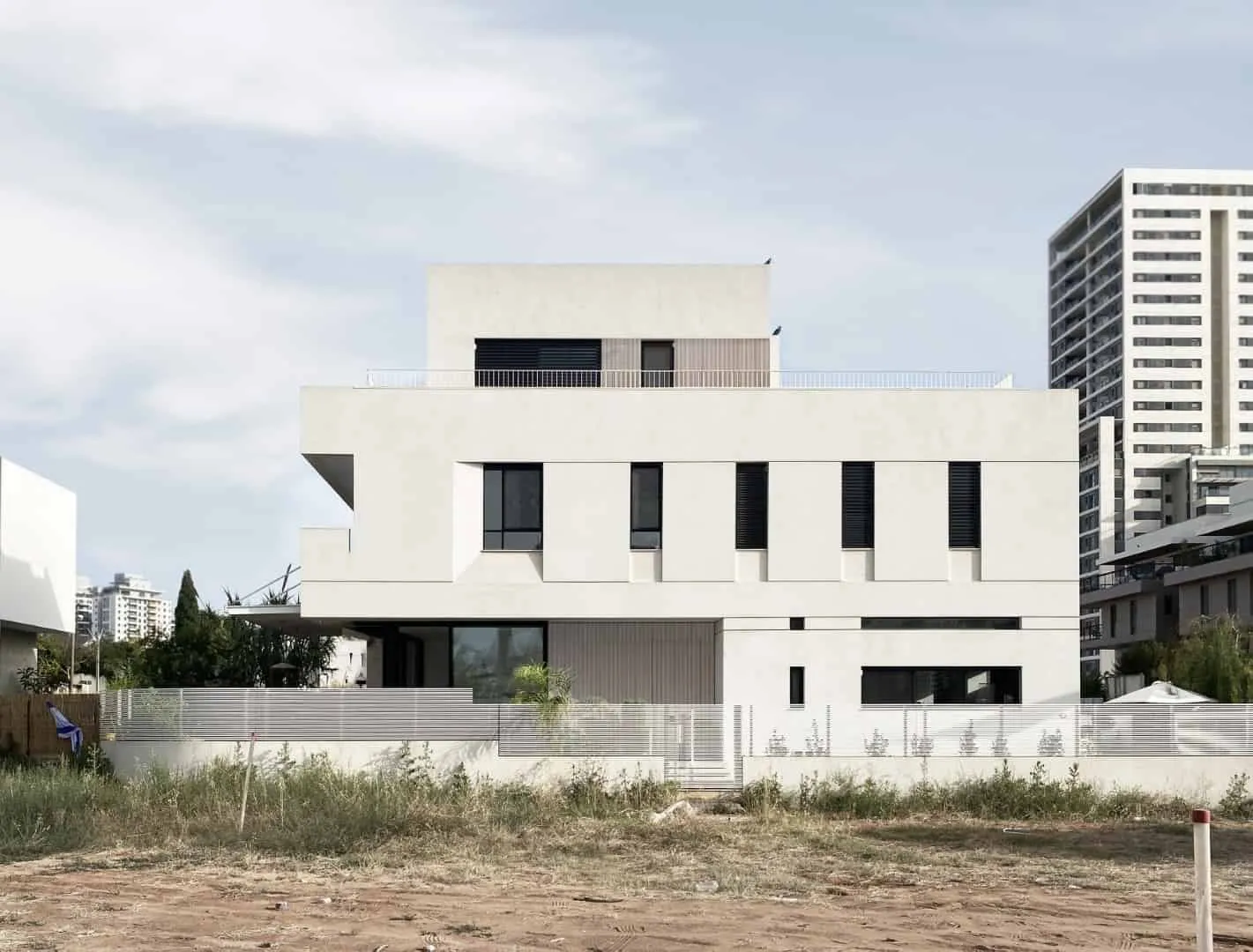
T-House by DBDA reinterprets the contemporary urban apartment in Ramat Gan, Israel, through a poetic blend of light, materials and form. The concept presents an uninterrupted dialogue between interior and exterior space, where transitions become architectural experiences, and natural light becomes the central design element.
The minimalist form of the building conceals a complex organization of volumes and voids that create dynamic compositions of natural light, changing throughout the day. The house combines intimacy and openness, embodying DBDA's characteristic style — clarity, proportion, and tactile sophistication.
Concept and Architectural Challenges
Three core principles defined the project:
Maximizing natural light as a structural and emotional element.
Blurring the boundaries between interior and exterior spaces.
Maintaining a unified material and spatial language at all levels.
Given the dense urban development, the challenge was to create a living space that feels spacious and fluid, despite limited conditions. DBDA's solution turns each level into a layered narrative of movement, texture and light, where every transition reveals a new interaction with light.
Spatial Organization and Flow
The first floor presents a linear sequence of distinct yet connected spaces, each defined by orientation and atmosphere rather than partitions.
-
Kitchen, located at the front, sets the rhythm of daily life in the house.
-
Living room opens to the garden and pool through a dual facade wall, ensuring air circulation and continuous visual flow.
-
Between them lies the dining area, the central compositional and emotional heart of the home, where horizontal and vertical planes converge.
Over the dining area, a glass ceiling floods the heart of the house with natural light, creating shifting patterns that animate materials — wood, steel and plaster — changing their character throughout the day.
Stairs as an Architectural Axis
The sculptural white steel staircase with warm wooden steps acts as a connecting element between levels. Designed as an element of movement and composition, it creates a rhythmic contrast between lightness and weight.
The transparency of the staircase allows light to flow between floors, while its material — a repeating wooden floor used elsewhere in the house — reinforces spatial unity.
Ascending or descending, one experiences a gradual shift in material tones and lighting, as light becomes progressively brighter on the upper level. The stairs become a spatial narrative — a vertical journey toward light.
Materials and Light as Foundation
T-House is an exploration of material integrity and light-oriented architecture.
-
White concrete pathways reflect the brightness of light, expanding the horizontal spatial rhythm.
-
Wooden textures soften the minimalist composition, adding warmth and comfort.
-
Steel details and plasterwork provide clarity and precision, emphasizing the interplay of light and shadow.
This restrained palette creates a unified visual field, where light itself defines the space — shaping gradients, reflections and voids that blur the boundaries between structure and nature.
Upper Level and Private Zone
On the upper floor, the bedroom with walk-in closet embodies refined minimalism, where individual woodwork conceals transitions and functions within a smooth surface. One wall contains a hidden door to an inner room with dark stone, where linear skies allow a narrow band of natural light to pass through textured stone, shifting its tone and depth throughout the day.
This choreography of contrast — between dark and light, solid and void — forms the sensory foundation of the home, revealing DBDA's mastery in spatial storytelling through materials and lighting.
T-House by DBDA (David Ben David Architecture) is an architectural study of light, precision and continuity. It transcends functional housing design to become a living sculpture of light and shadow, where tactile materials and geometric purity meet fluidity of movement and perception.
By turning natural light into architecture itself, DBDA created a home that seems constantly in motion, calm yet dynamic — reflecting the studio's pursuit of clarity, atmosphere and emotional spatial impact.
Photo © David Ben David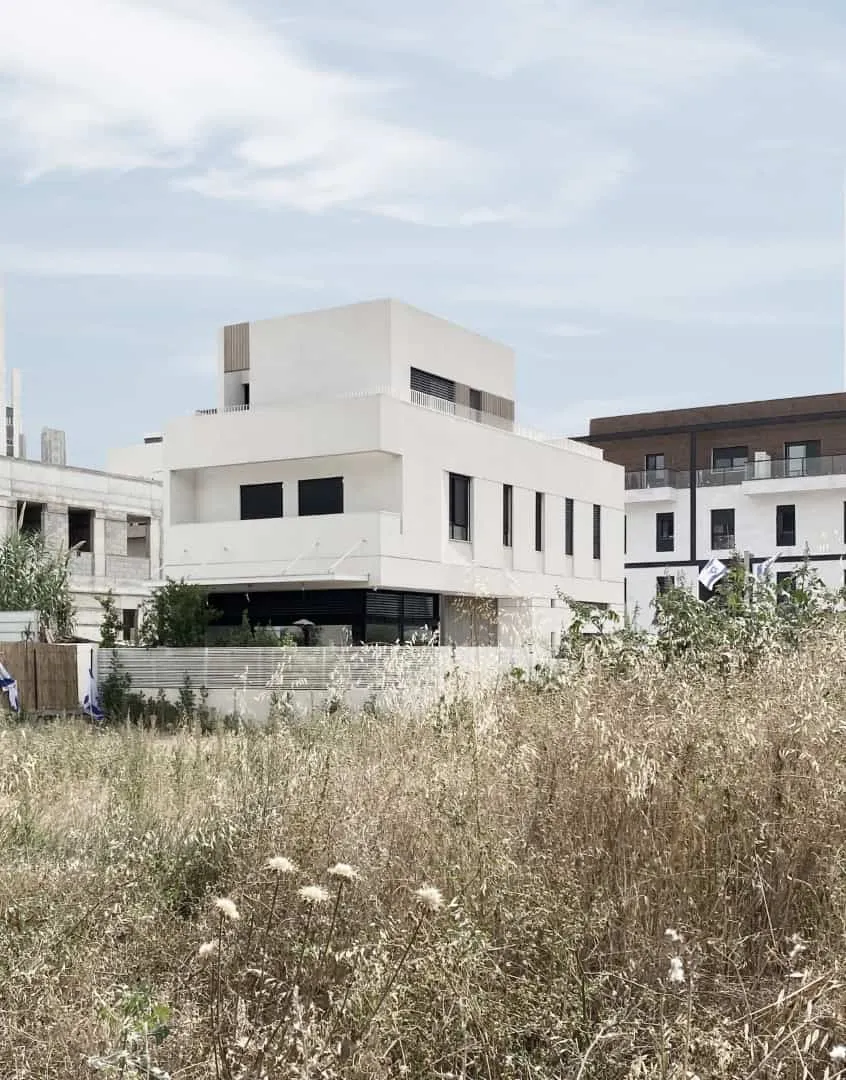 Photo © David Ben David
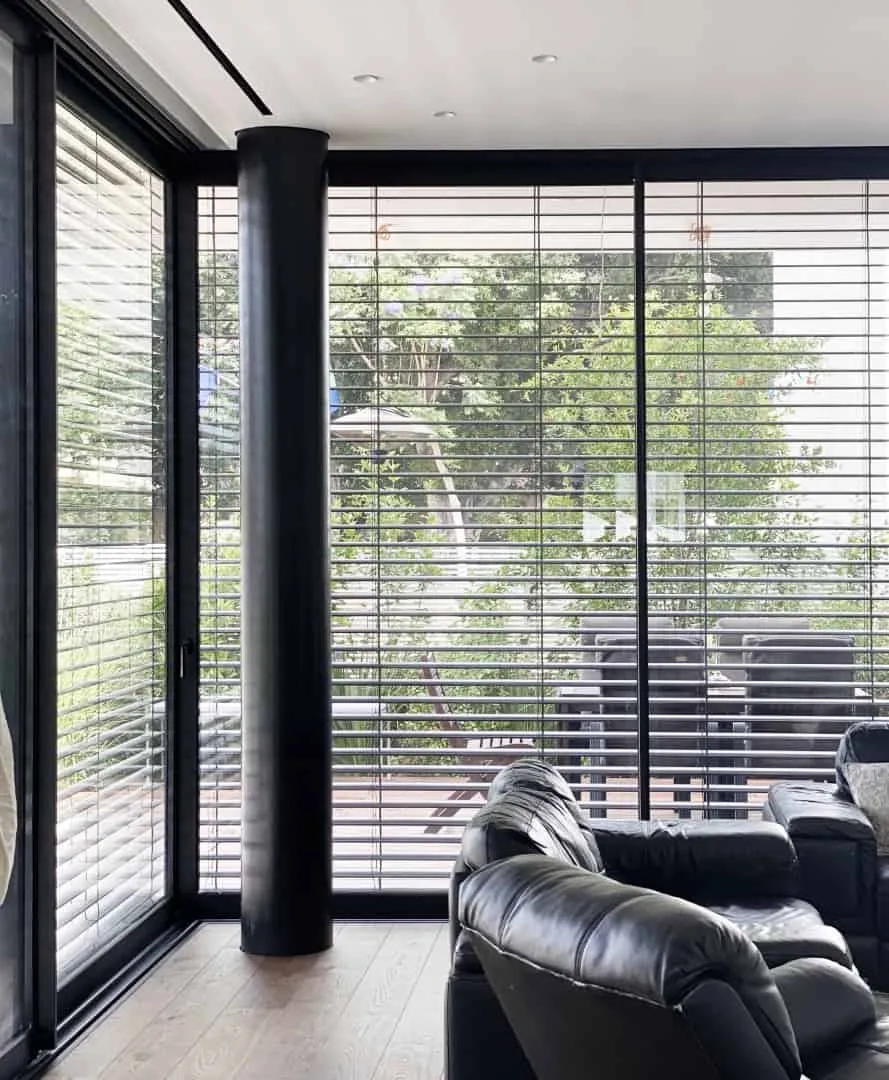 Photo © David Ben David
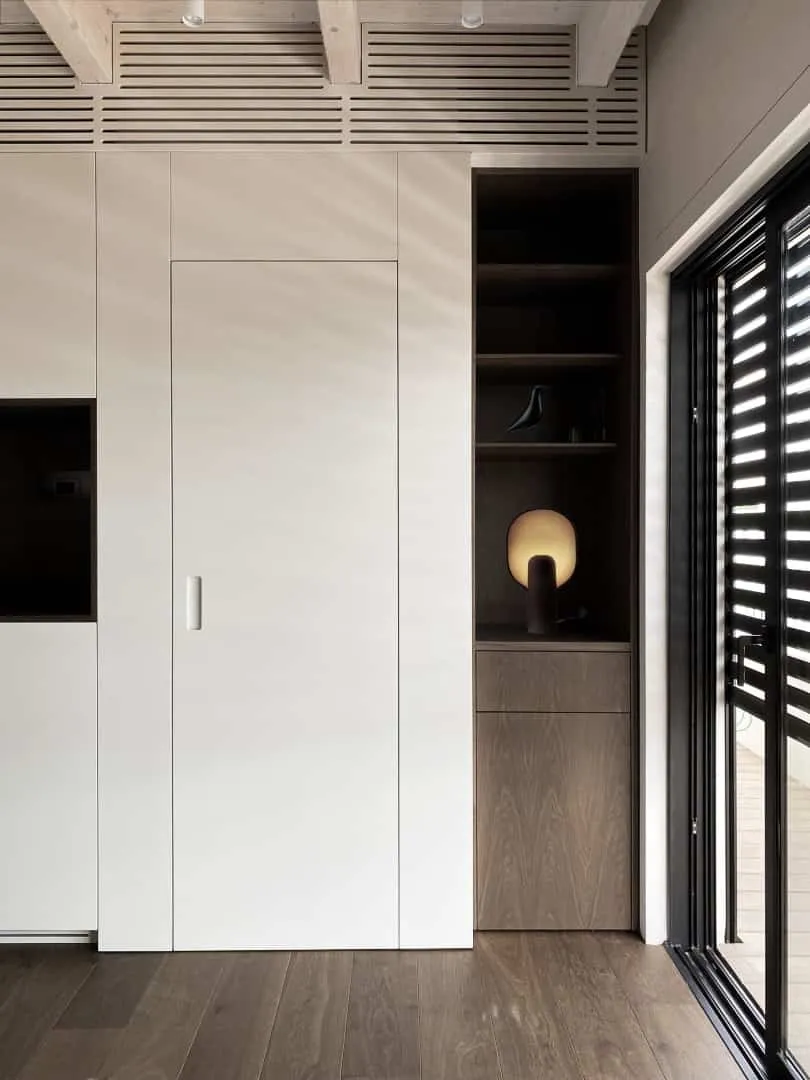 Photo © David Ben David
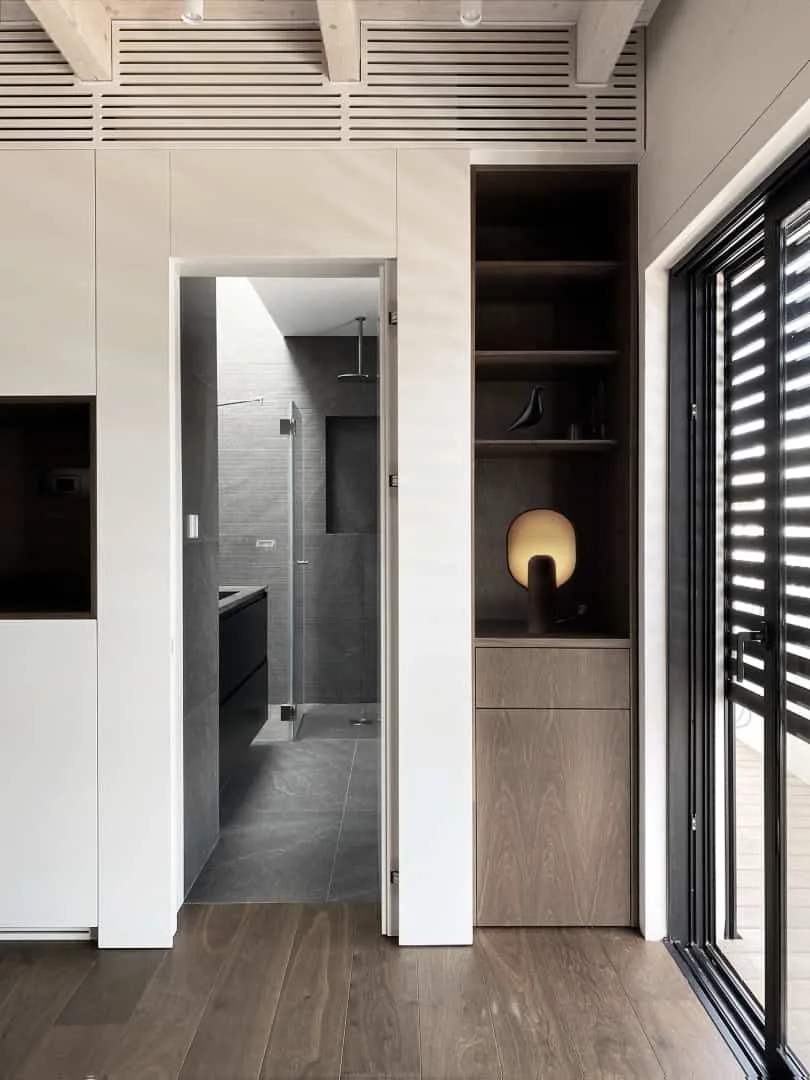 Photo © David Ben David
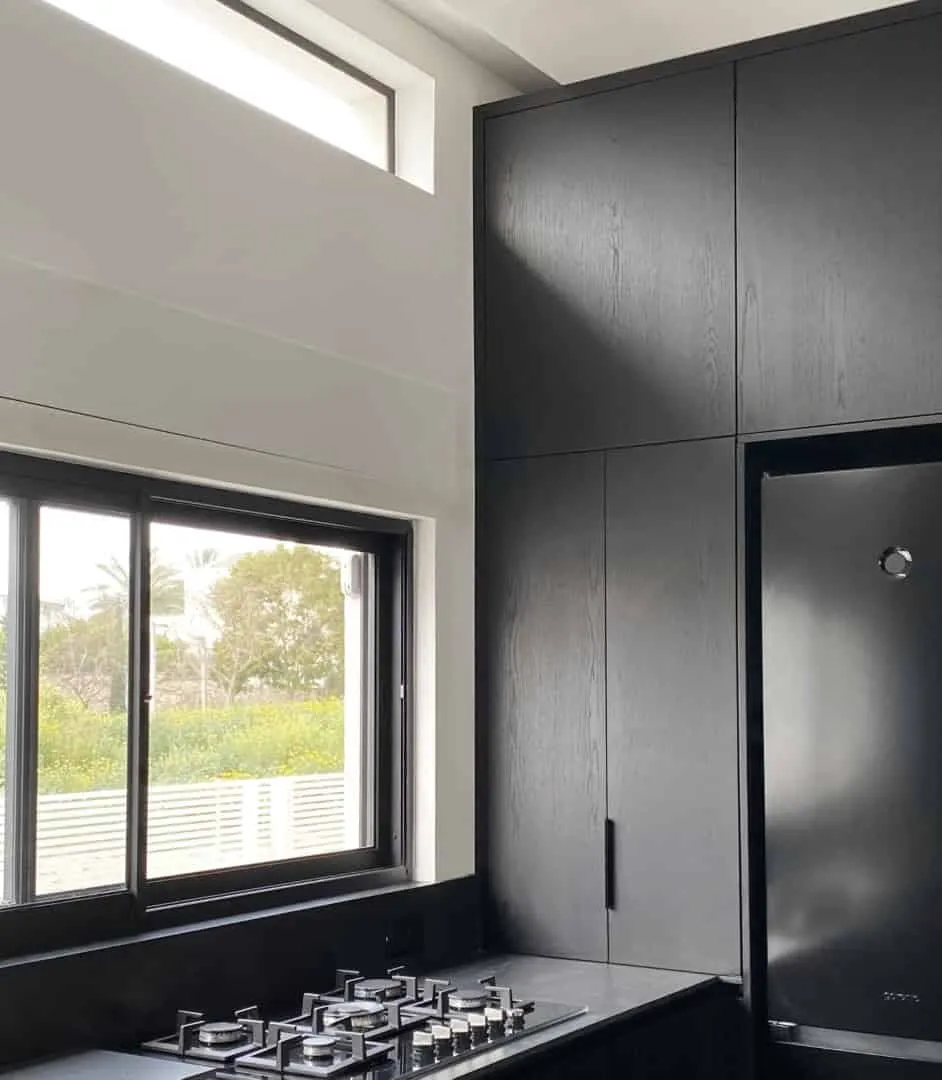 Photo © David Ben David
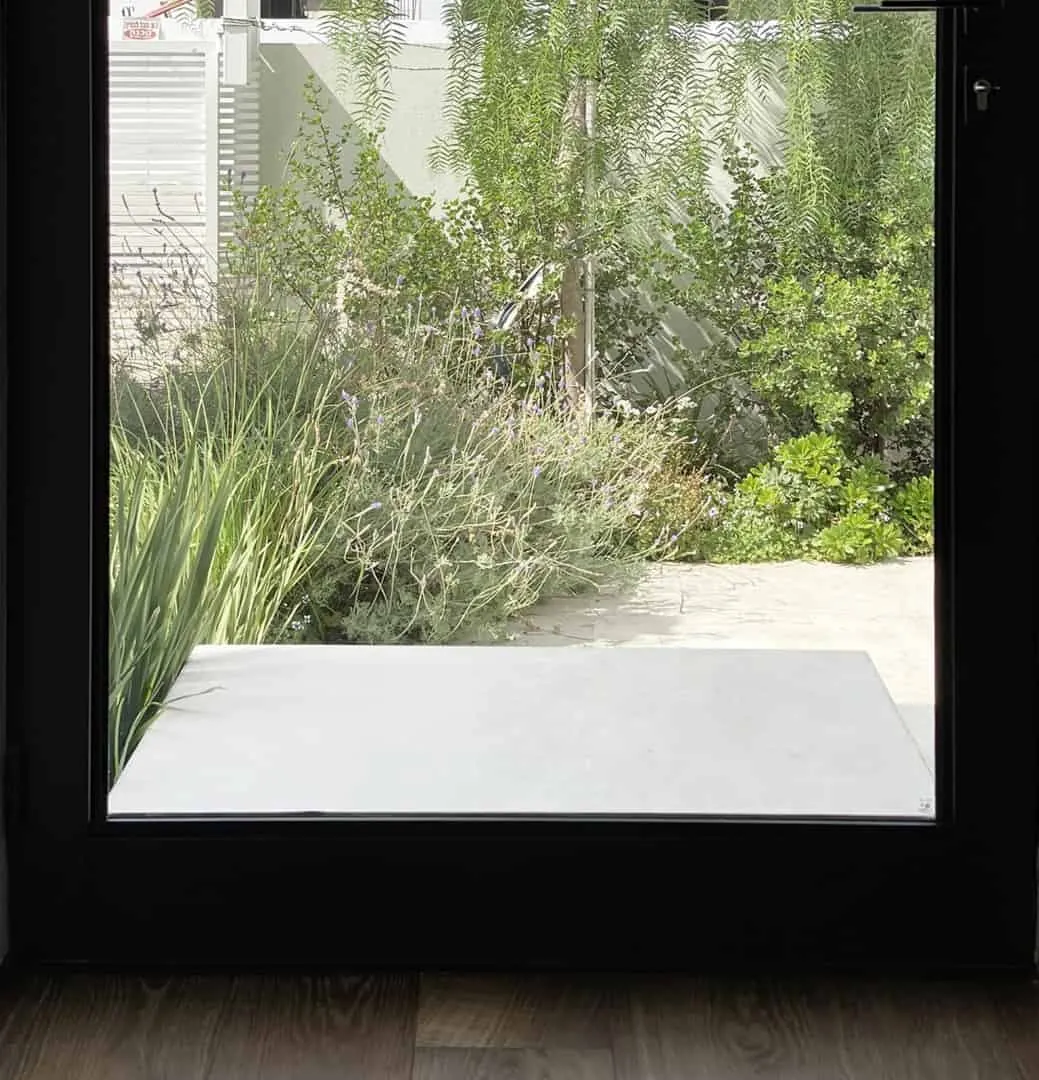 Photo © David Ben David
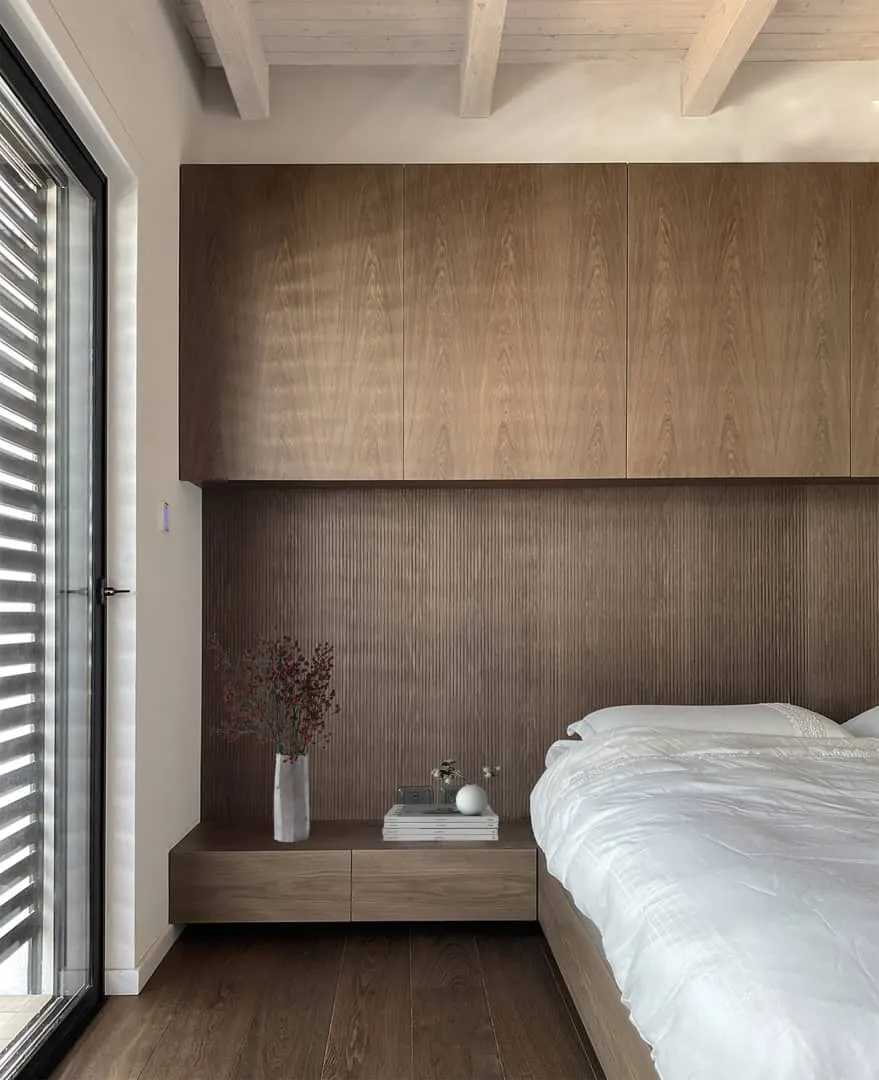 Photo © David Ben David
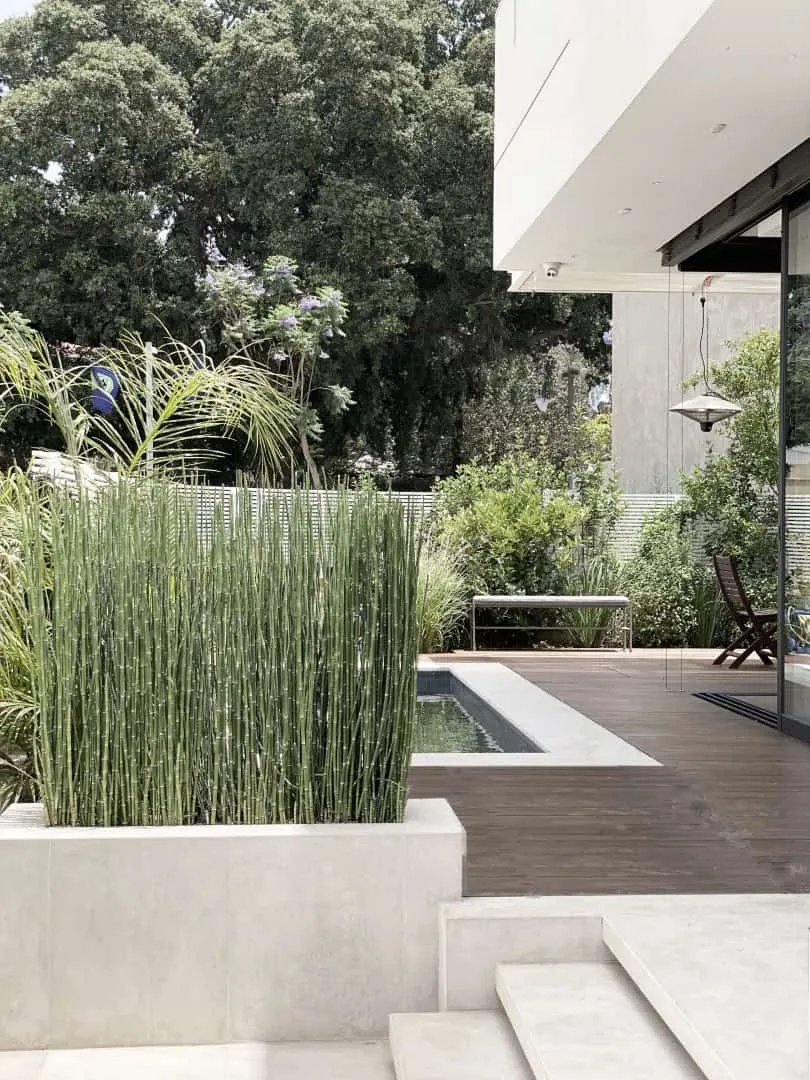 Photo © David Ben David
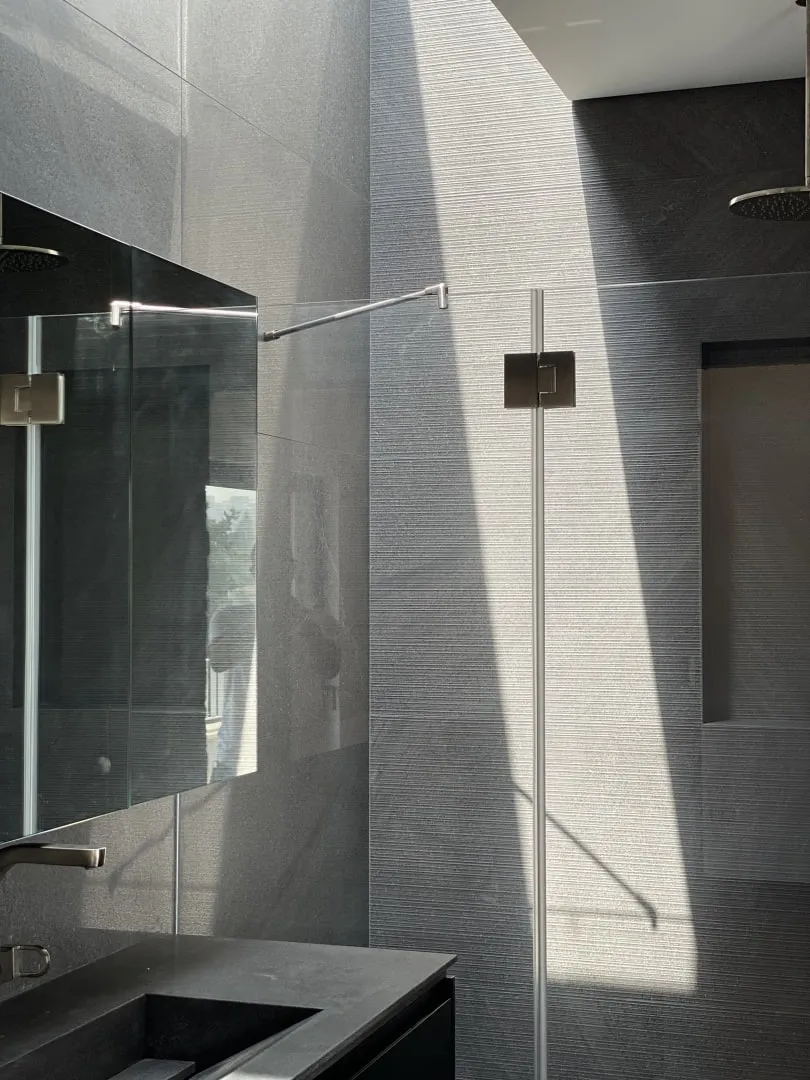 Photo © David Ben David
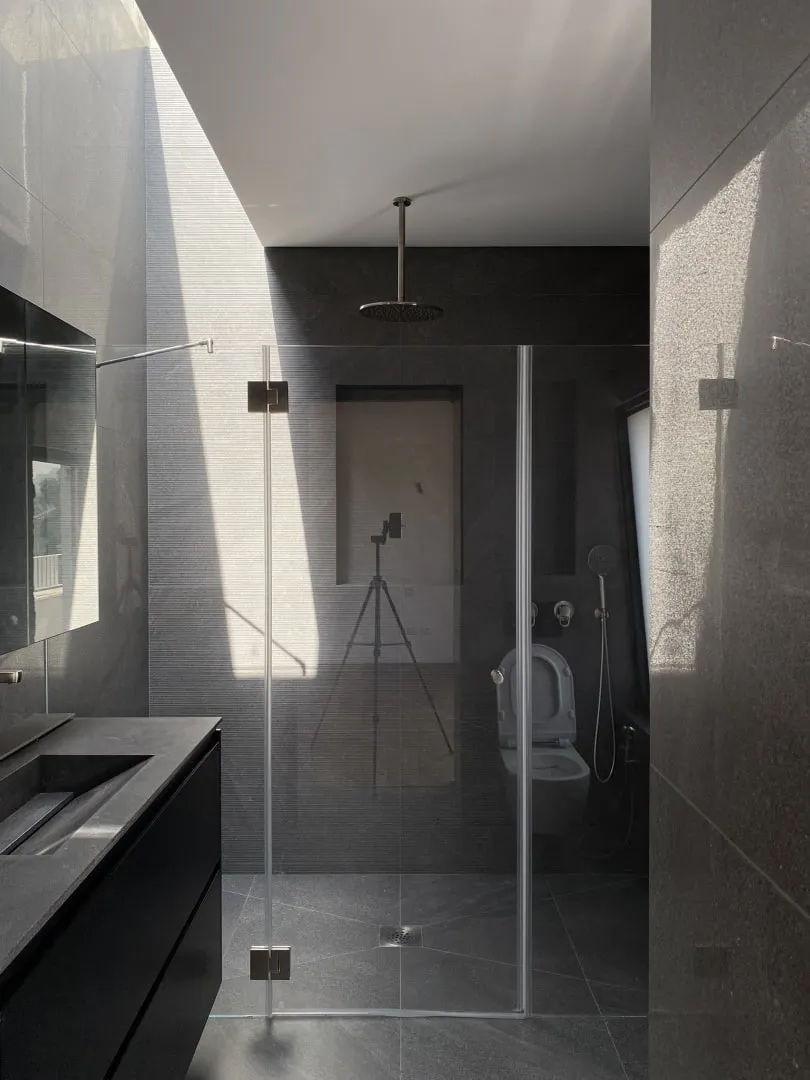 Photo © David Ben David
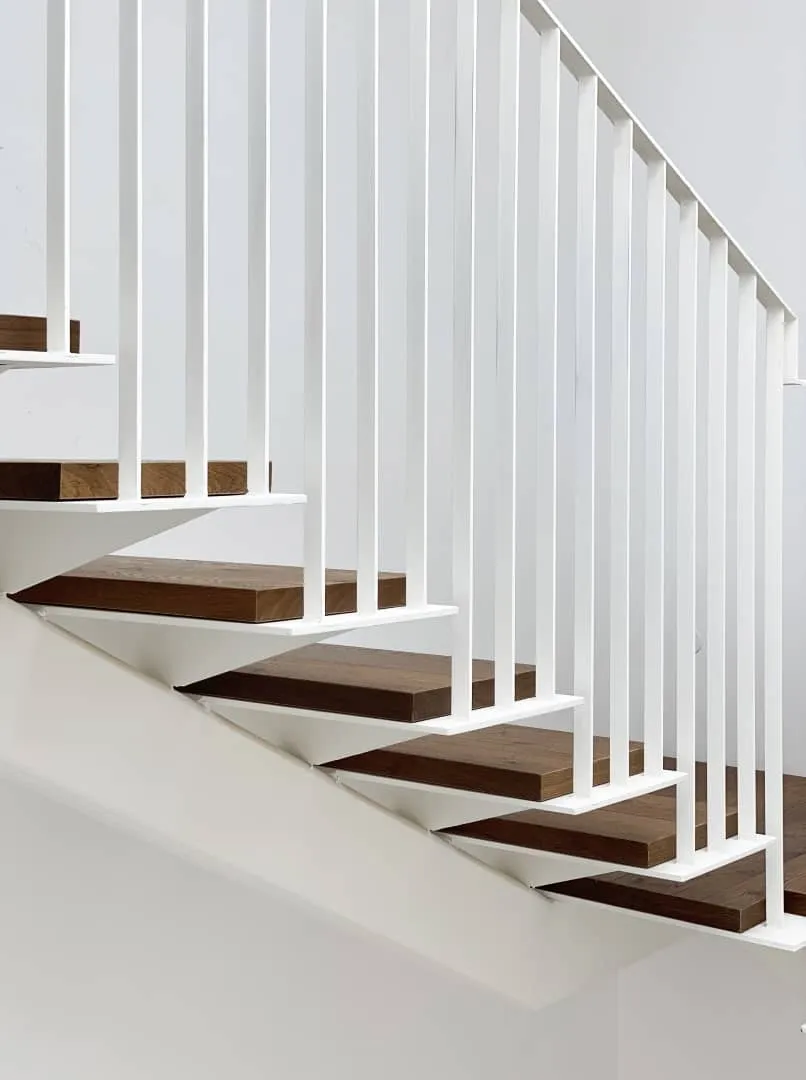 Photo © David Ben David
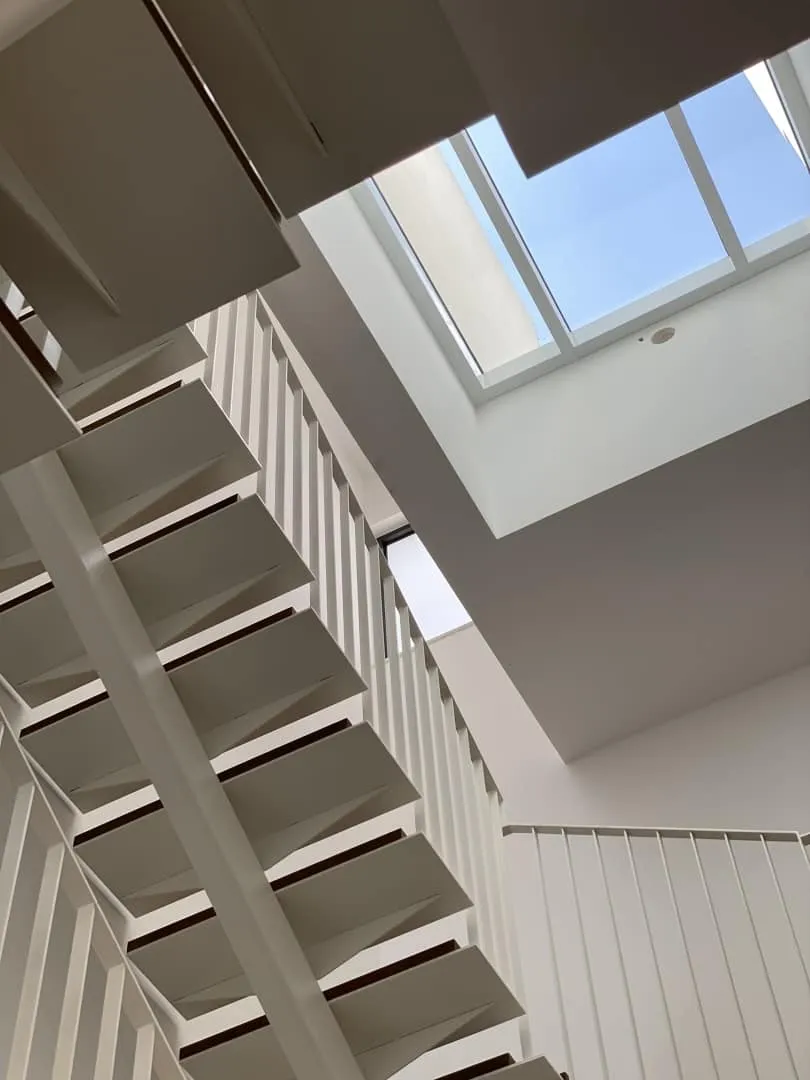 Photo © David Ben David
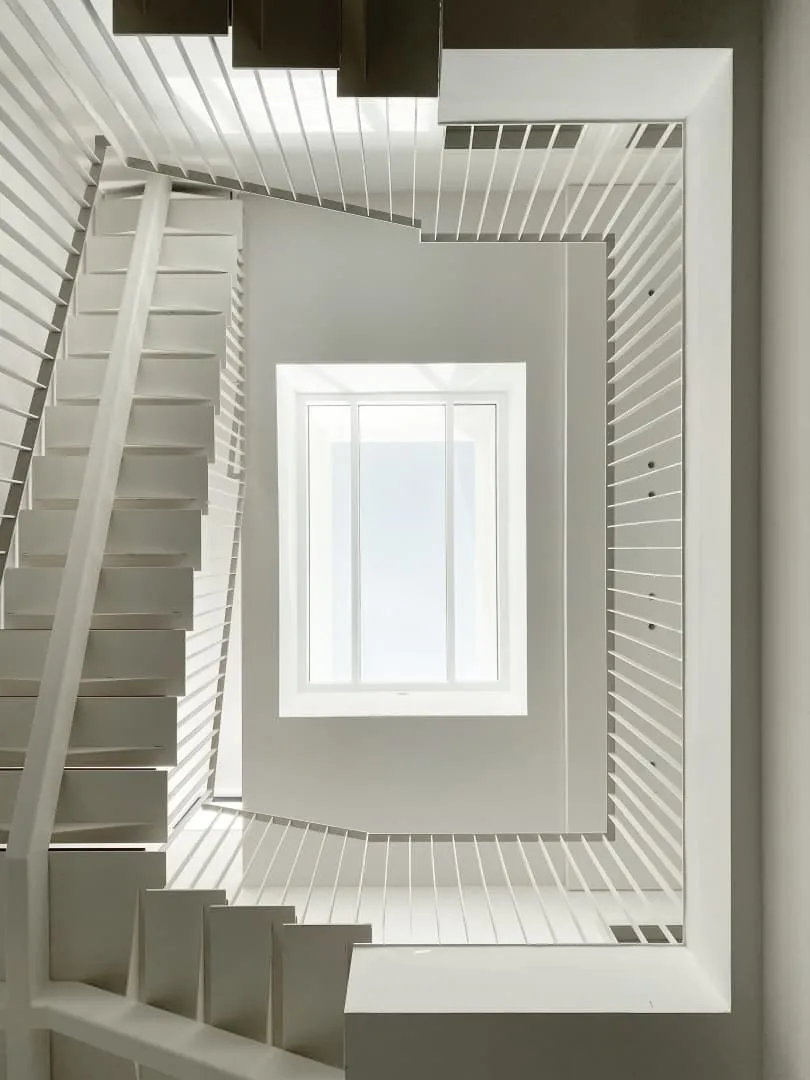 Photo © David Ben David