5 Architectural Elements of a Modern School
Learning conditions directly affect the quality of education students receive. Although you can study even in an underground bunker, a pleasant environment makes the learning process more comfortable. Teachers, administration, and staff also benefit from working in a healthy, modern building.
Modern schools are designed so that their architecture directly supports the goals of educational institutions. Unlike the traditional model of corridors and closed classrooms, architects use modern research to create spaces that promote creativity, collaboration, and safety.
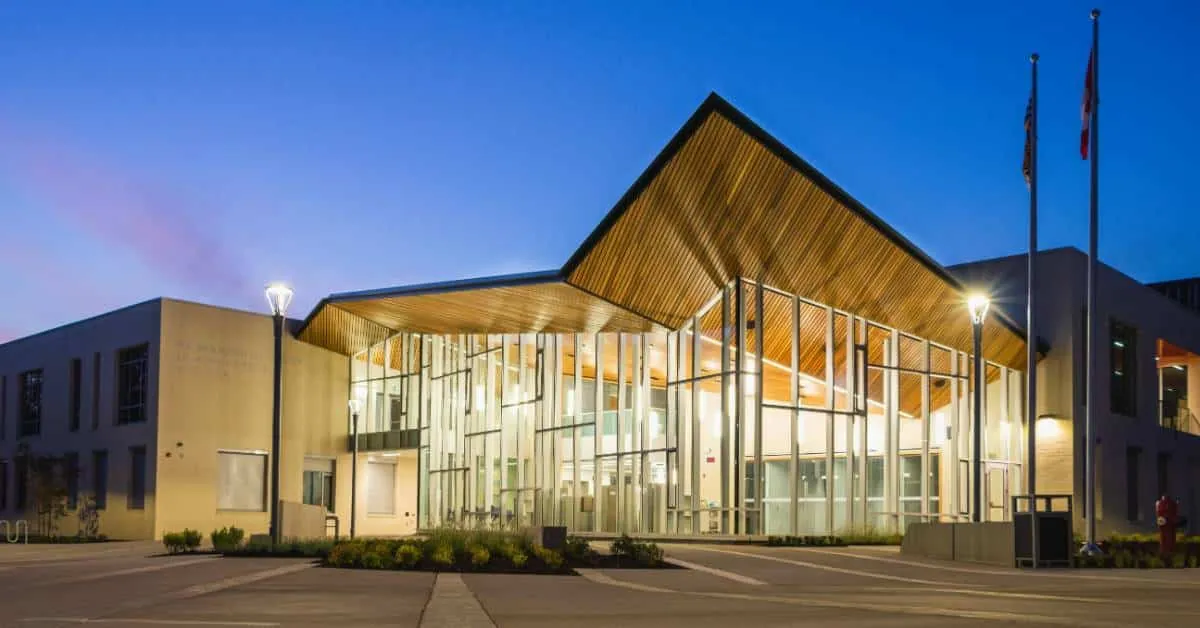
Here are five elements architects include in modern schools.
1. Technology Integration
As technology evolves, so do its applications in education. Many schools require computer labs for students who don't own personal devices or lack internet access at home. These spaces should be centralized with room for adults to supervise them.
Besides computer labs, modern schools spread technology throughout the building. With increased internet connectivity, spaces that were once purely functional can now serve as innovative classrooms. For example, empty walls and projectors can transform hallways or even staircases into temporary learning spaces.
The flexibility of modern technology means students can collaborate and learn effectively in unexpected places just as much as in traditional classrooms. Architects must closely work with teachers and school leaders to determine which technologies best support student learning goals.
2. Student Connectivity
Over the past century, teaching styles have significantly changed. Classes used to face one wall with teachers standing and instructing students at desks. However, this classroom orientation is shifting due to research showing that students learn best through collaboration and hands-on learning.
Modern schools include laboratory spaces where students can experiment, build, and collaborate through active engagement with learning materials. Some schools even use glass panels in interior spaces to help students feel connected to other classrooms and observe the continuity of their education.
Since collaboration is so important, many teachers choose mobile furniture. Lightweight and flexible elements allow them to rearrange classrooms for different lessons and changing focus areas. Modern architects design classrooms with this need for flexibility in mind.
3. Outdoor Spaces
While time outdoors has always been part of the educational process, new studies emphasize the value of outdoor learning and play areas. Architects must work with educators to create external spaces that stimulate movement and inspire creativity.
Many modern schools add covered outdoor classrooms to their buildings. This is especially effective for younger students who are still learning about weather and need more movement and novelty throughout the day. However, all classrooms can benefit from the restorative effect of outdoor learning.
Certainly, schools should also build playgrounds that allow students to have fun and prepare their minds for serious study. Design elements will vary depending on the location of the playground and grade level, but selected features should encourage motor skills and inspire imaginative play.
4. Safety Features
Unfortunately, school violence continues to occur every year. Architects play a key role in protecting students and staff from external intruders. For example, some educational institutions are designed with bulletproof glass so students and staff can take shelter inside if the building entrance is breached.
School layout must also be planned to ensure doors and corridor patterns protect students. Adding more glass to the building increases visibility, helping teachers communicate during emergencies. Of course, installing effective fire suppression systems is also necessary in case of a fire.
Thoughtful architecture in educational buildings can also protect students from one another. Unfortunately, bullying among peers is common and many students struggle with self-esteem and learning ability due to how they are treated at school. Some educators increase transparency in hallways and staircases to protect students from bullying.
5. Light and Air
Access to natural light improves mood, concentration, and sleep quality. Additionally, fluorescent lighting has been shown as a stress factor for some individuals. When students experience stress, their brains lose creative and memory capabilities.
Since lighting plays an important role in learning, architects strive to maximize natural light in modern schools. Creative designs and interior glass panels can enhance the impact of natural light throughout the building. Beyond mental clarity, natural light may reduce energy costs.
Architects must also optimize air quality in educational facilities. Many building materials emit toxic chemicals over time, which can pollute the air. Choosing eco-friendly construction materials and installing quality ventilation systems ensures student health and focus on learning.
Modern Educational Environments
Indeed, learning can happen anywhere. However, modern schools provide students and teachers with an environment that encourages creativity and collaboration. New educational institutions reduce indoor air pollution and aim to connect students with each other and the outside world.
Architects and educators use research to redesign classrooms and expand learning opportunities within schools. While modern architecture can add a vibrant element to school structures, its primary goal is to create spaces where students develop the skills needed for success.