Cracks in Plaster: What to Do?
Plaster Repair
Plaster repair on walls will happen sooner or later. Building settling, improper application techniques, and mechanical damage can ruin the plaster.
Plaster Repair
Plaster repair on walls will happen sooner or later. Building settling, improper application techniques, and mechanical damage can ruin the plaster. However, cracks in plaster can be prevented even during the initial application of plaster on walls.
- Properly mix the mortar (there should be enough binding agent, for example, cement).
- Prepare walls properly (the surface should not be frozen or overly dry; areas differing from the main wall material should be pre-coated with materials of similar water absorption to avoid discoloration during drying).
- Dry plaster at moderate temperature, do not over-dry it.
Repairing monolithic plaster involves more than just filling cracks, which usually form in corners, near windows and doors. Plaster repair may be needed when a large section of plaster is poorly bonded to the wall and risks falling off, or when spots, mold, or mildew appear on the plaster. First, it should be mentioned how to remove the bad layer of plaster.
Cracks on Walls
Removing plaster around a crack is not complicated. The crack is chiseled out – widened and deepened with a spatula, knife, chisel, and hammer or another tool until the plaster stops crumbling. Then, a soft brush removes dust, and the cleaned area is moistened. After some time, several layers of mortar are applied.
Next comes leveling – troweling, to ensure that the repaired area does not stand out as a spot after drying. Subsequent finishing is done with the same materials used for the main wall, such as spackling and painting, but sufficient time must be allowed to prevent new cracks from forming.
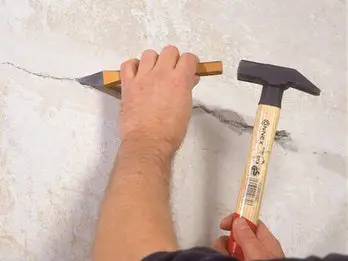
Photo 1 — Removing plaster around a crack
Large Wall Sections Requiring Repair
The approach to removing old plaster from a large area differs slightly from chiseling cracks. To determine how well the plaster adheres to the wall, tap it with a wooden mallet. After identifying areas needing repair, remove the plaster using a chisel.
After thorough cleaning of the area, reinforcement may be required. If the layer thickness exceeds 3 cm, you must decide how to reinforce the plaster. Small areas can be reinforced with wire stretched between nails. Larger sections of several square meters require reinforcement with stainless steel mesh for plastering.
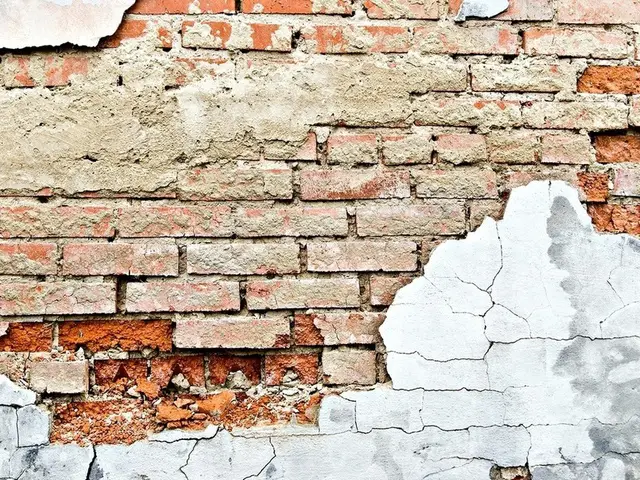
Photo 2 — Removing plaster from a large wall section
Areas with Contamination
To start, try removing stains with a brush and possibly some cleaning agent. It may only require thorough scraping of the paint layer without damaging the plaster. If the stain penetrates deeply into the plaster, further actions should follow principles of crack filling and large area plaster repair. After cleaning the wall from contaminated plaster, it may be necessary to treat the masonry with a mold and mildew-resistant composition.
Plaster with Crack Effect
During renovation, decorative plaster can help hide wall irregularities and create the appearance of a particular coating. For example, 'Old Castle' plaster, whose cracks evoke the atmosphere implied by its name.
Decorative 'Old Castle' plaster, with its rough textured surface resembling stone, adds an aged and mysterious tone to the room.
The coarse structure of the plaster allows for other visual effects. 'Old Castle' plaster usually requires a final finish coat, and the coating is universal and eco-friendly.
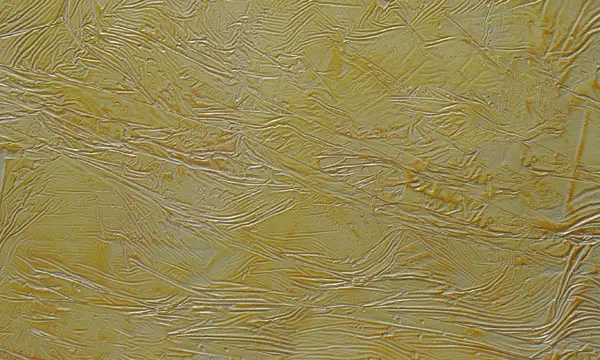
Photo 3 — Decorative 'Old Castle' Plaster