Self-Installation of Gas Stove
Gas stove installation must be performed within 4 meters of a rigid gas pipe. IMPORTANT!
Self-installation of gas or electric stoves is not allowed.
General Installation Rules
Gas stove installation must be performed within 4 meters of a rigid gas pipe.
IMPORTANT! A dielectric insert must be installed between the gas valve and the hose.
Modern gas stoves must include electric ignition and oven lighting. These elements must be connected to the electrical network by connecting them to a grounded socket.
IMPORTANT! If there is no grounded socket near the stove installation area, electrical wiring must be installed to power these elements openly (a 3*1.5 cable will suffice). An RCD with a 16A rating must also be installed in the electrical panel. The same rules apply for installing a combined gas stove (electric oven instead of gas).
Flexible gas hose for stoves can be made using the following types of hoses:
- rubber-tape - a soft and flexible hose that does not conduct electricity, but is inferior to other hoses in terms of mechanical stiffness;
- rubber hose with metal mesh - one of the optimal options for a safe gas connection;
IMPORTANT! Unlike water supply hoses, where gas hoses can be mistaken, the gas hose has yellow markings on its mesh, not red and blue like in water systems.
- metal bellows hose - the stiffest type of hose, considered the most reliable, but also the most expensive.
IMPORTANT! Metal bellows hoses are recommended by current regulatory documents.
Regardless of the type of hose chosen for installation, the inner diameter of the hose must be 10 mm or more.
IMPORTANT! A thinner hose cannot ensure gas flow to all burners and the oven.

Figure 1 - Metal bellows hose for gas supply
If the last two types of hoses are used for gas supply to the stove, insulating dielectric inserts must be installed.
IMPORTANT! It is better to use a real dielectric insert. When selecting a metal bellows hose, buy one with yellow dielectric coating over the metal, not just an 'naked' hose. Some manufacturers apply this coating purely for aesthetic reasons (it makes cleaning easier). However, such coatings provide dielectric properties that prevent current flow through the hose.
Installation Rules for Gas Stove
Standard instructions for installing a gas stove:
1. Shut off the gas valve. The handle must be raised to the stop position perpendicular to the pipe. Disconnect the previously installed stove from the gas supply.
2. Remove old equipment from the kitchen.
3. Bring the new gas stove to its installation location. It is not recommended to remove the protective manufacturing film during installation to avoid mechanical damage to the stove surface.
4. Remove the cardboard packaging. Extract all components of the stove - tray, grill, rack, utility box (tray) and other parts.
5. Secure the adjustable feet (they should come with the stove). It is better to do this in pairs: one worker lifts the stove, the other secures the elements to the base.
6. Place the stove in its intended location, leaving a gap from the wall sufficient for convenient gas connection to the apartment's gas system.
7. Install a metal mesh gasket at the connection point between the stove and the hose (this element is usually included in standard gas stove kits). This gasket protects the stove from contamination and extends the lifespan of household appliances.
8. Tighten the connection with two box-end wrenches.
IMPORTANT! The joint's tightness can be checked by soaping:
- Prepare a thick soap solution in a small container;
- Open the gas valve by turning the handle parallel to the gas supply pipe to maximum;
- Thoroughly soap the connection with a brush.
If bubbles appear on the surface of the soap film, shut off the gas and retighten the joint with two box-end wrenches.
9. After sealing the connection, the stove can be mounted to the wall, maintaining recommended clearances from the manufacturer.
IMPORTANT! The stove must be leveled horizontally using a construction level during installation. Most modern gas stoves are designed to be installed on uneven surfaces, so users do not have to use shims (boards, compressed paper, tile fragments, etc.). The stove feet are equipped with adjustable height systems.
10. If the stove has electric elements (electric oven, electric ignition, oven lighting), connect it to a socket.
IMPORTANT! If the gas stove has an electric grill or electric oven, the apartment's electrical network must be rated for 3 kW. Otherwise, using these elements is unsafe not only for the appliance but also for the room.
11. Install additional equipment on the stove: tray, grill, rack, etc.
The installation diagram must be included with the appliance.
IMPORTANT! When purchasing gas stoves, pay attention to the equipment that most gas installation companies use. Among the most popular manufacturers of gas and electric stoves are Ardo, Ariston, Beko, Bosch, Candy, Hansa, Indesit, Kaiser, LG, Zanussi and Gorenje.
The room where a gas stove is to be installed must meet the following requirements:
- The ceiling height in the kitchen must be at least 2.2 meters.
- There must be a window or ventilation duct under the ceiling with an open grille.
- The internal volume of the kitchen must be at least 8 m³ for a 2-burner stove, 12 m³ for a 3-burner stove and 15 m³ for a 4-burner stove.
- Gas stoves can also be installed in kitchen areas or rooms adapted for kitchens, provided they have no windows but have a ventilation duct and an exit to an adjacent room with a window.
IMPORTANT! Regulations prohibit installing gas stoves in basement rooms.
- Gas stoves can be installed in corridors if the distance between the stove and the wall is more than 1 meter, which is enough for free passage. These rooms must also have a window with a ventilating opening.
When choosing a gas stove, there is no difference whether it will be installed in an apartment or on a vacation home. The installation requirements for gas stoves in city apartments and country houses are the same. Special rules only apply to stoves operating on propane (tank gas).
IMPORTANT! If the area of a country kitchen does not exceed 20 m², only a 2-burner stove is permitted.
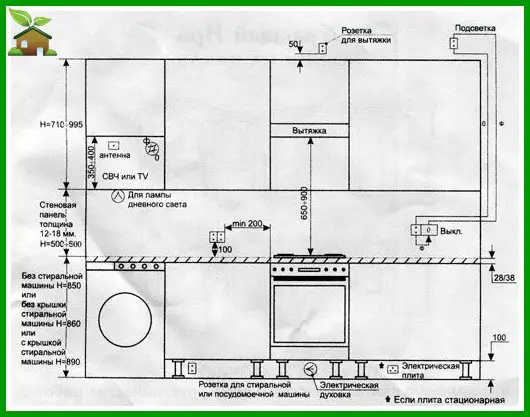
Figure 2 - Kitchen setup according to accepted standards
Installing a gas stove in a wooden house requires signing a technical maintenance contract with the relevant regulatory authority at the location of the object.
Installing an Electric Stove: Main Requirements
It is not allowed to install an electric stove or electric cooktop by oneself due to the complexity of setting up safe electrical power for such a powerful appliance. These works should not be performed without experience in electrical installations and proper qualifications.
Installing an Exhaust Fan
The minimum height for installing the exhaust fan above a gas stove is 65 cm, and for an electric stove, it's 47 cm. This distance is sufficient for safety purposes when the exhaust fan surface heats up.
In ideal conditions, the exhaust fan should be installed 80 cm above a gas stove and 70 cm above an electric stove.
The height of the exhaust fan installation must also be convenient for the user. The exhaust fan should be mounted so that its control panel is accessible.
Besides height, the width of the exhaust fan is also important. According to all installation rules, the width of the exhaust fan must equal or exceed the width of the stove for proper ventilation above the stove.
IMPORTANT! The exhaust fan must not be narrower than the installed stove.
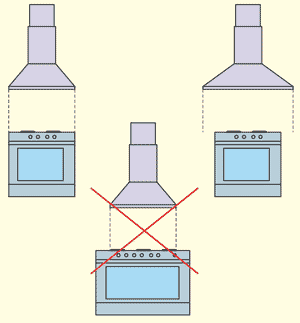
Figure 3 - Exhaust Fan Installation Relative to the Stove
Installing an Exhaust Fan Over a Stove: Main Requirements
- The exhaust system should consist of straight short sections;
- Minimize the number of bends when installing the exhaust fan;
- If the exhaust system changes direction, use bends with a large radius of curvature made from the same material;
- The inner surface of the exhaust system must be smooth;
- If necessary to change the diameter of the exhaust system, use adapters for mounting to the exhaust fan, and reduce the size by no more than one step (e.g., from 150 mm to 120 mm, but not to 100 mm).
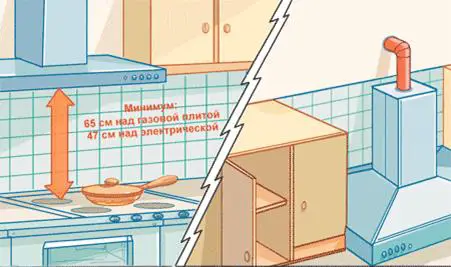
Figure 4 - Exhaust Fan Installation Standards
It is forbidden to install the exhaust system by oneself: it is impossible to set up proper ventilation in the area above the stove without experience and qualifications for such work.
VIDEO. Installing a Gas Stove
$ Installing a Gas Stove: Price
How much does it cost to install an exhaust fan?
Average price is between $20-$40.
- Installation cost in Kiev: from 160 UAH.
- Installation cost in Moscow: from 1,200 RUB.