There can be your advertisement
300x150
Build a Banya by Yourself
A great, durable sauna built with your own hands is a dream that truly comes true. You can assess the complexity of step-by-step construction by watching the video.
Also, the advantages of building a log cabin with your own hands include:
- substantial savings;
- acquiring valuable experience;
- confidence in quality.
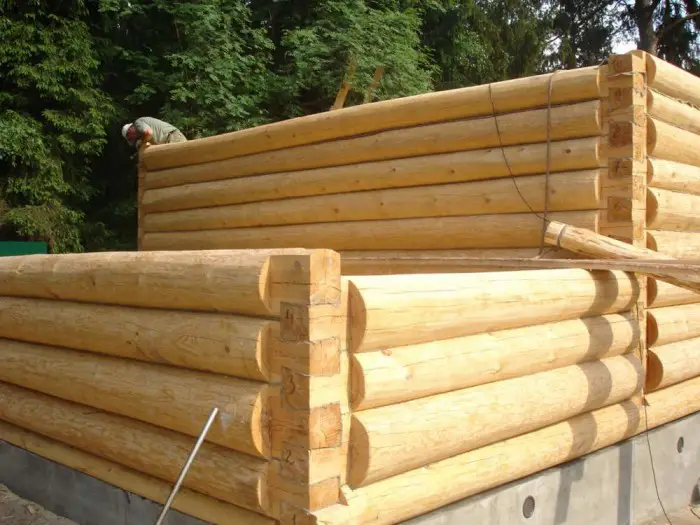
Photo 1 - Building a sauna yourself
Cost Savings
If you hire a professional company to build your desired log cabin, you’ll not only need to purchase materials but also pay for construction services. Today, construction costs start at $150 per square meter.
It’s easy to calculate significant budget savings if you decide to assemble the structure yourself.
Experience
The first time may be challenging. You’ll need to design a project, source or prepare materials, follow construction stages, choose a building method (in a notch or a lap), and complete finishing work.
But think: once you master this craft, you can help friends and family build saunas. In fact, you can even make a living from it!
Quality
You won’t need to monitor construction, since you’re building it yourself:
- you’ll design the project according to your preferences;
- you’ll select high-quality materials;
- you’ll complete each stage correctly;
- the finishing will be done exactly as you wish.
Self-built Sauna from Log Cabin – Video
A great, durable sauna built with your own hands is a dream that truly comes true. You can assess the complexity of step-by-step construction by watching the video.
How to Build a Sauna by Yourself
To build a sauna yourself, you need to go through several key stages. Let’s review the most important ones.
Project Planning
The project includes:
- selecting the site;
- planning the number of floors;
- planning the number of windows;
- selecting equipment;
- choosing materials;
- selecting a design;
- calculating the total cost.
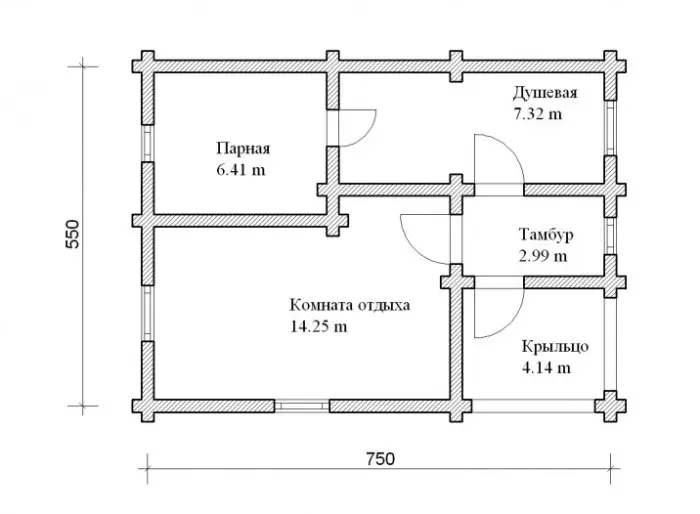
Photo 2 - Log cabin project
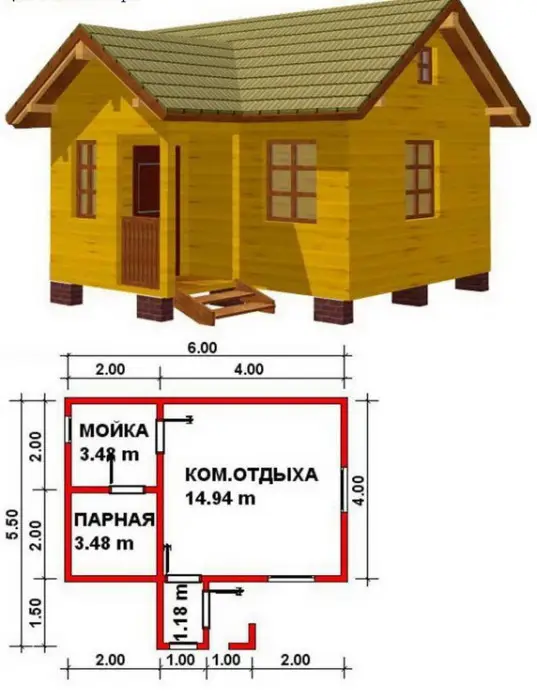
Photo 3 - Project of a sauna made from timber
Learn more about log cabin sauna projects: Saunas from Log Cabins: Photo Projects
Preparatory Work
Preparatory tasks include preparing for the foundation: marking the site, digging the pit, trenching, removing soil, and installing utilities.
Foundation
Installing the foundation is a critical step. Use only high-quality materials.
IMPORTANT! Foundation strength determines the building’s durability.
Walls and Openings
Walls are built from your chosen material: profiled timber or solid logs. Openings for windows and doors must be planned during construction.
IMPORTANT! The material will determine the construction method.
Roof
The roof is also a complex and important stage. Due to natural settlement, roofing materials must be high-quality and properly prepared.
Chinking
After completing construction, finishing the settlement period, and installing the roof, you must perform chinking – the final step in building the sauna. Chinking is the finishing of insulation joints.
Finishing
There are many finishing options for saunas. Choose the one that suits your preferences and budget.
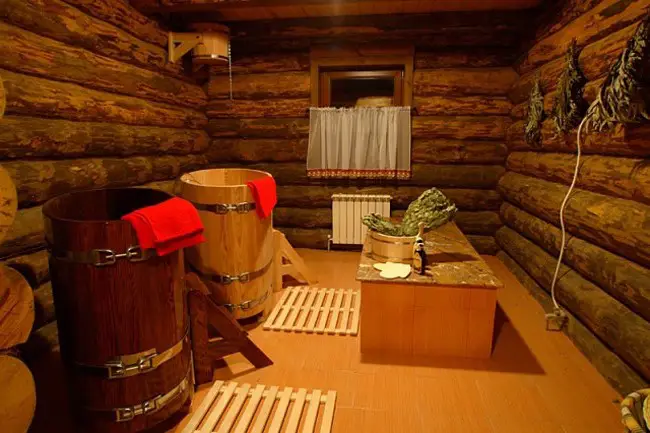
Photo 4 - Sauna finishing option
How to Build a Sauna by Yourself – Video
Log cabins are made from logs or timber. This video shows the assembly of a sauna made from timber.
Foundation for a Log Cabin Sauna
There are two popular foundation types for wooden saunas:
- column foundations;
- strip foundations.
Choose the foundation type based on soil type at the site and the construction material.
Column Foundations
Require accurate calculations and are ideal for small saunas. Suitable for clay, silt, and sandy soils. Best choice when using logs or timber.
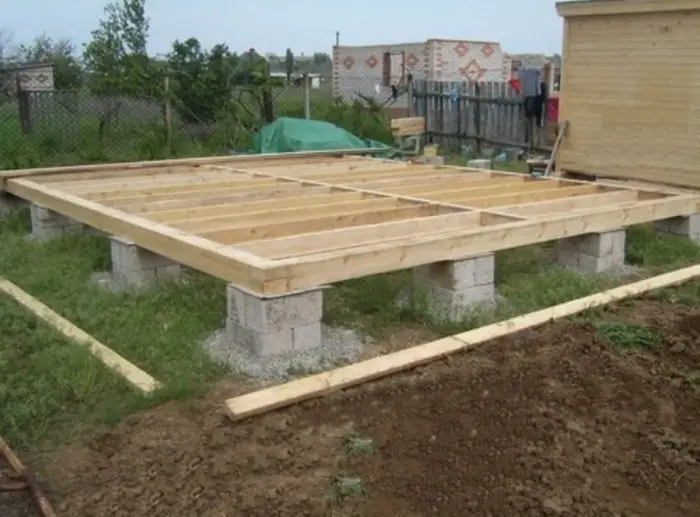
Photo 5 - Column foundation for a log cabin
Strip Foundations
Recommended for larger saunas. Suitable for forest or garden soil. Materials: logs, timber, bricks, blocks.
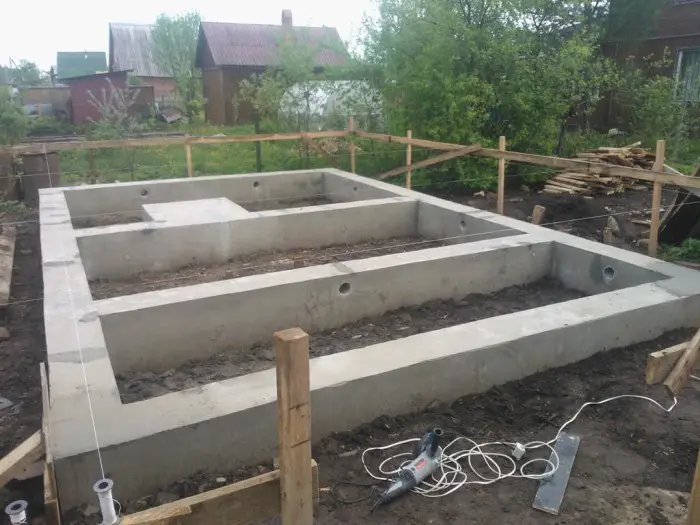
Photo 6 - Strip foundation for a log cabin
Strip foundations are divided into:
- deep placement;
- shallow placement.
How to install a strip foundation is up to you. Deep placement is more expensive and ideal for large-scale projects with basements. Shallow placement is more affordable and commonly used for sauna construction.
Which Foundation Is Best for a Log Cabin Sauna?
To determine the best foundation type for a sauna built from a log cabin, compare the most popular foundation types.
Column Foundation
Advantages:
- cost-effectiveness;
- easy installation;
- high durability;
- usable on silt, sandy, and frost-heaving soils;
- quick construction.
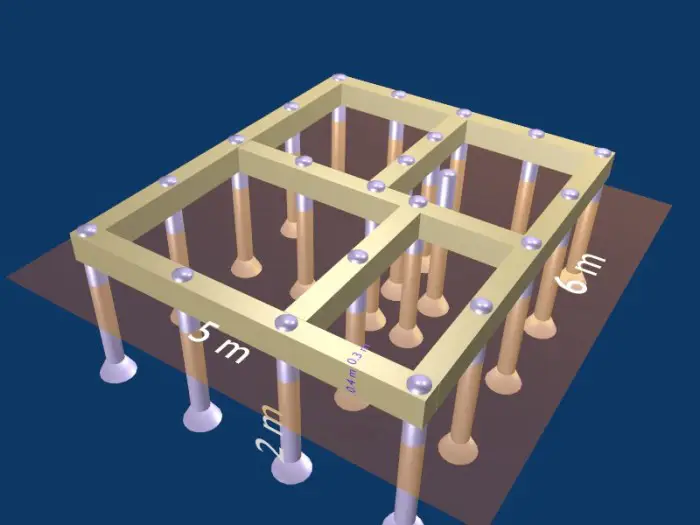
Photo 7 - Column foundation for a sauna
Disadvantages:
- cannot build a basement or cellar;
- floor insulation required;
- drainage system needed.
Strip Foundation
Advantages:
- can support heavier loads;
- allows for basements, cellars, or garages;
- ideal for frost-heaving or unstable soils;
- increased longevity.
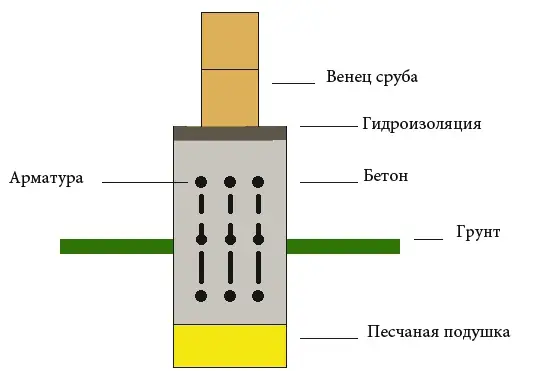
Photo 8 - Strip foundation for a sauna
Disadvantages:
- higher cost;
- longer construction time.
IMPORTANT! You must also build a foundation for the basement wall. Also, remember to include a foundation for the traditional sauna stove.
How to Build a Log Cabin Sauna
You can build a solid log cabin yourself if you follow each simple construction stage, use proper tools, and high-quality materials.
If the design is ready and the foundation is selected and built, you can begin the main wall construction. Choose your method:
- notching (in a notch);
- lapped joints (in a lap).
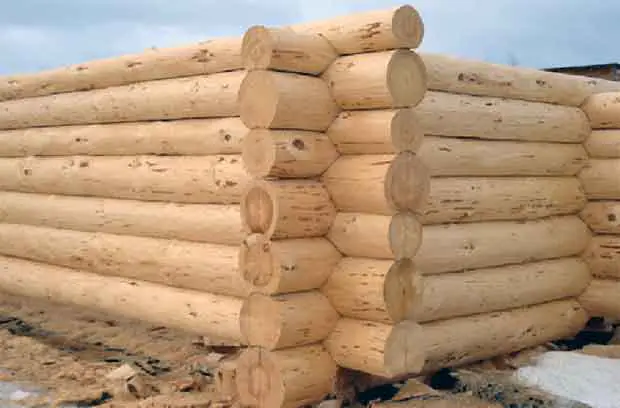
Photo 9 - Notching (in a notch)
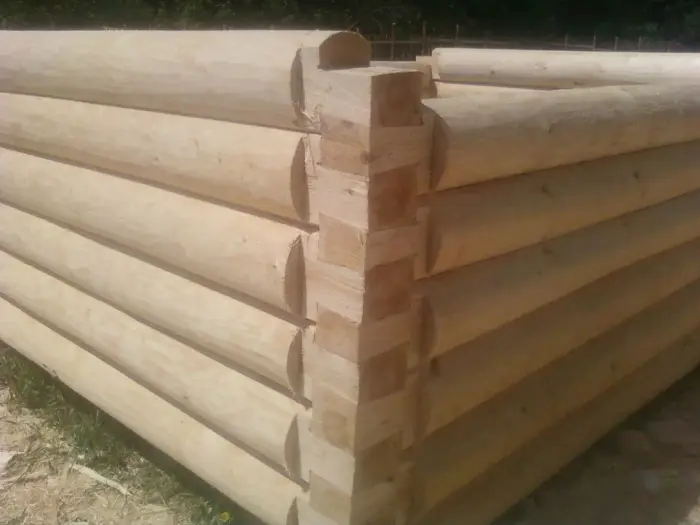
Photo 10 - Lapped joints (in a lap)
Notching is used only for pre-processed, round logs. Lapped joints are suitable for unprocessed logs and timber.
The sauna structure is built in courses (layers), secured using various methods. The first course uses thicker logs or timber. The base course is placed on a properly prepared foundation, already covered with a special waterproofing material.
The top course – the wall plate – supports the roof. Therefore, use strong, high-quality material for this layer.
During any log cabin construction, you must plan for windows and doors. Also ensure proper insulation and interior finishing.
Chinking is performed if you used moss or traditional packing (pakylya) for insulation.
$ Log Cabin Sauna – Assembly Cost
The cost of assembling a log cabin for your desired sauna depends on the structure’s dimensions. If you hire a professional company, the starting rate is $150 per square meter.
Prices vary depending on construction method and log/timber size. Larger logs increase assembly costs.
Costs also include equipment, tools, and specialized machinery like cranes and trucks. Additional transport fees for workers and materials are also included.
Video: Assembling a Log Cabin Sauna
Assembly using specialized equipment is fast and efficient.
Insulating a Log Cabin Sauna
Insulation is essential for wooden saunas to maintain proper temperature year-round.
After construction, the sauna settles, which may cause unwanted gaps between logs. Therefore, insulation materials must be used during construction:
- moss;
- hemp;
- pakylya (traditional packing).
After settling, you must perform chinking – a simple process to finish insulation joints.
Main insulation steps:
- lay insulation material directly on logs or timber during wall construction;
- seal joints;
- after settling, pack insulation starting from the bottom, first course.
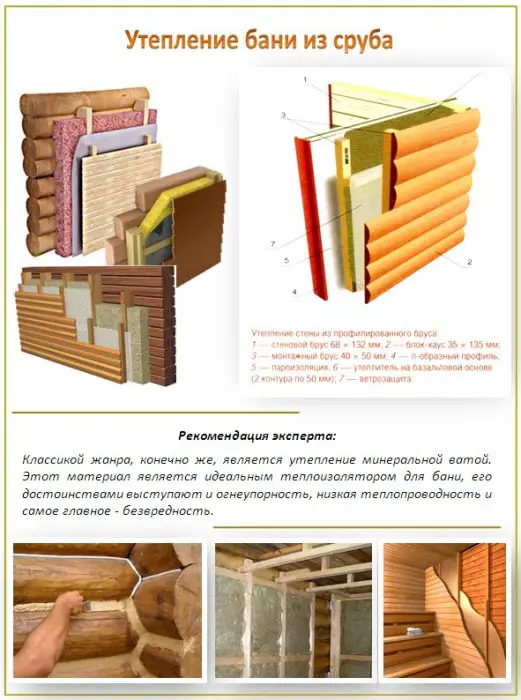
Photo 11 - Insulating a log cabin
IMPORTANT! Insulating the sauna includes insulating floors, walls, and ceilings, for example with Panoterm material.
Building a Sauna from a Log Cabin
Remember, no matter how complex or labor-intensive it may seem, building your own sauna from a natural log cabin will definitely pay off with cozy warmth and invaluable health benefits!
More articles:
 Landscaping and Site Development
 Roof Greening
 How to Make Your Bedroom Cozier: 8 Fashion Trends
 Narrow Corridor: 8 Effective Techniques to Increase Space
 Small Bedroom in a Khrushchyovka: How to Avoid Feeling Crowded
 Repair in Practice: Which Material to Choose for Ceiling Finishing
 Painting Kitchen Walls: Benefits of Choosing and Useful Tips
 Look Underfoot! 5 Unusual Floor Coverings