There can be your advertisement
300x150
Mirrors in the Living Room: 5 Tips, 50 Examples
The history of mirrors traces back to Greek mythology, where Narcissus fell so deeply in love with his reflection in a stream that he transformed into a flower. As people became more fascinated with their own image, the era of handheld mirrors began. These were polished stone fragments. Later, the tradition passed to metal mirrors made from copper, bronze, gold, and silver. Only centuries later did mass production of glass mirrors begin in Venice.
Today, mirrors are widely used in interior design—they’re one of the favorite tools for designers. With mirrors, you can easily add depth to a room, create optical illusions, alter volume or shape, and multiply the number of visible objects. In this article, we’ll explore different types of mirrors for the living room and how to use them effectively.
Mirrors Above the Fireplace or Dresser
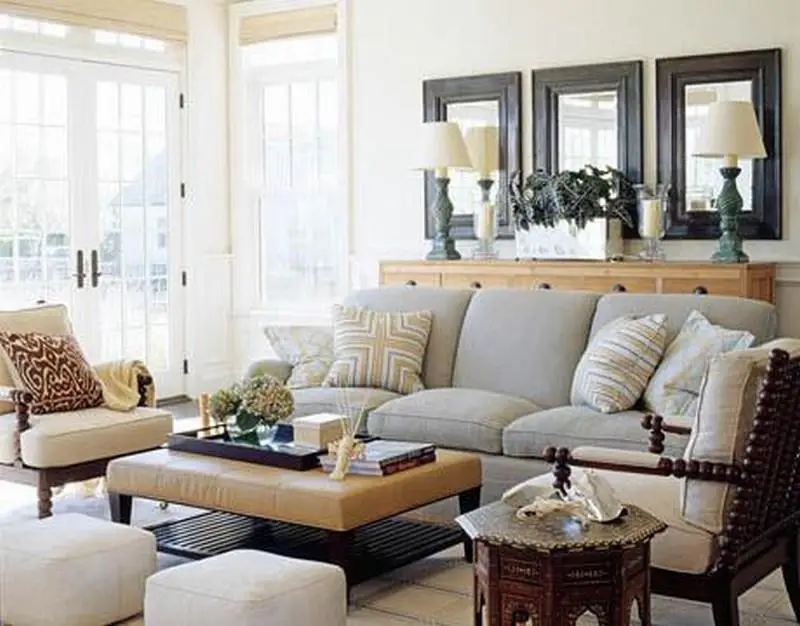
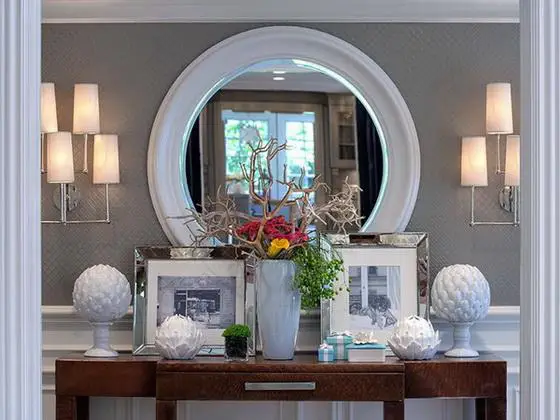
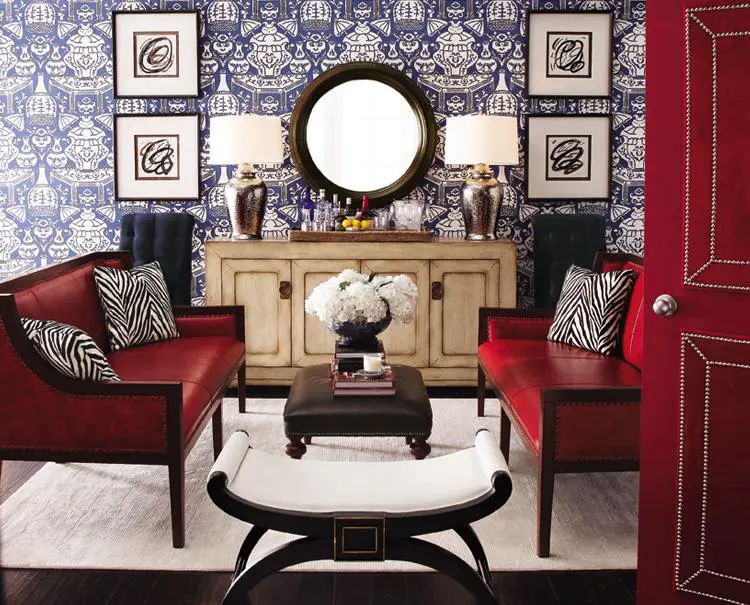
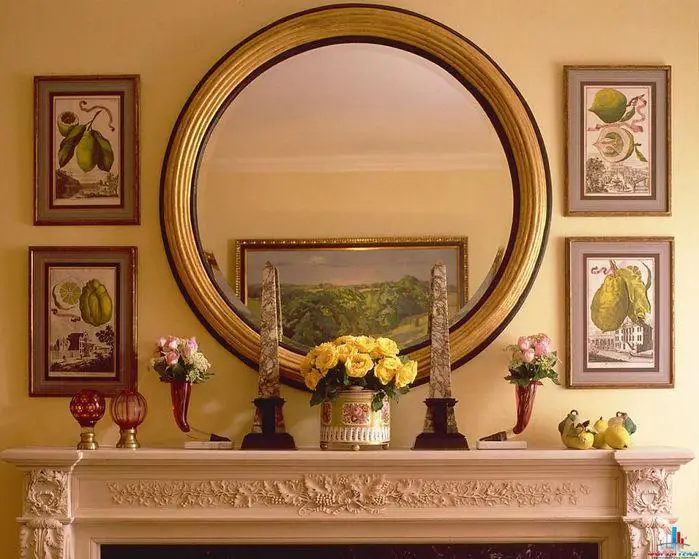
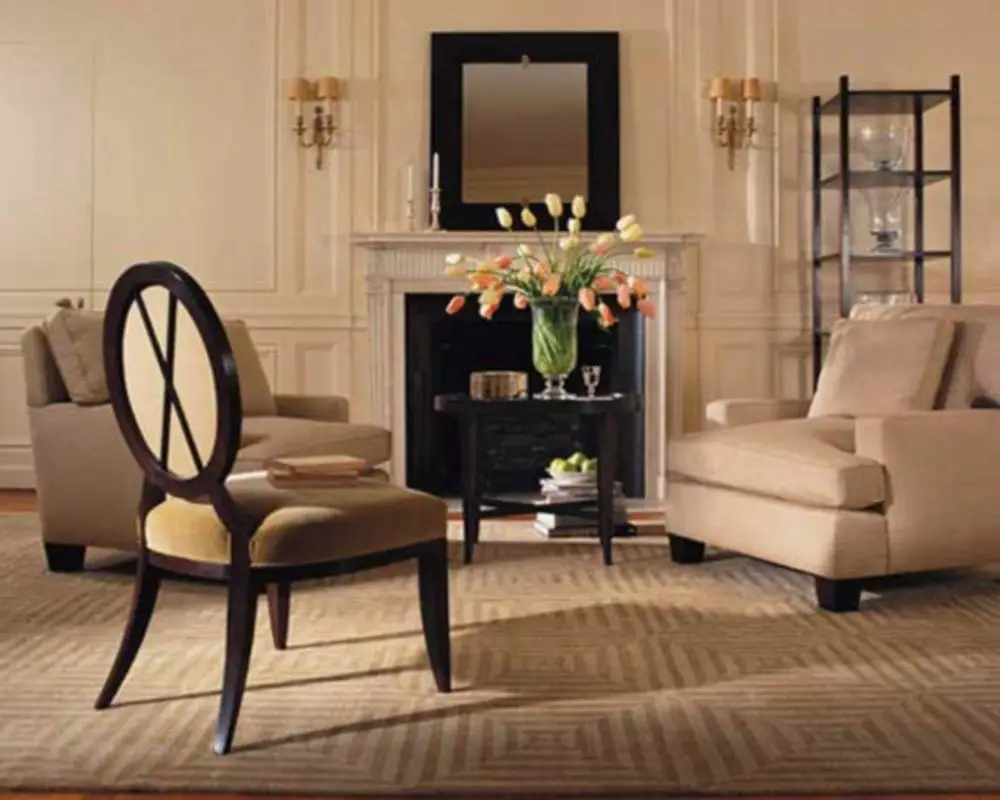
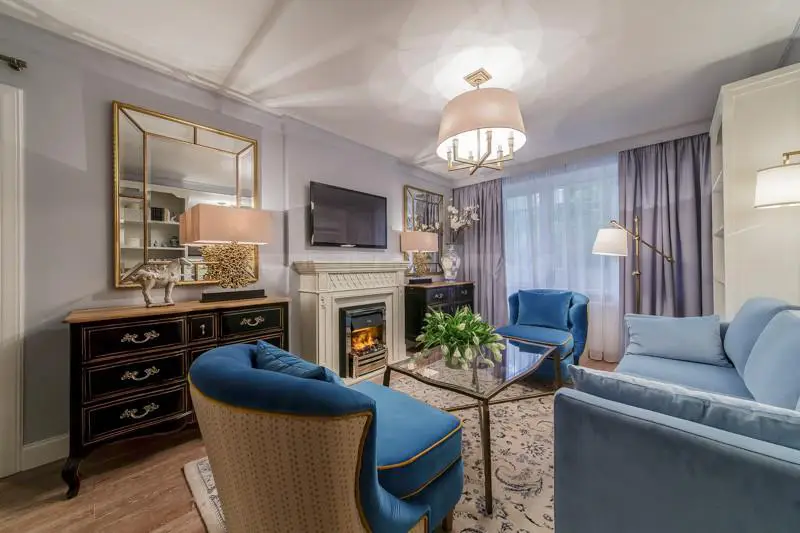
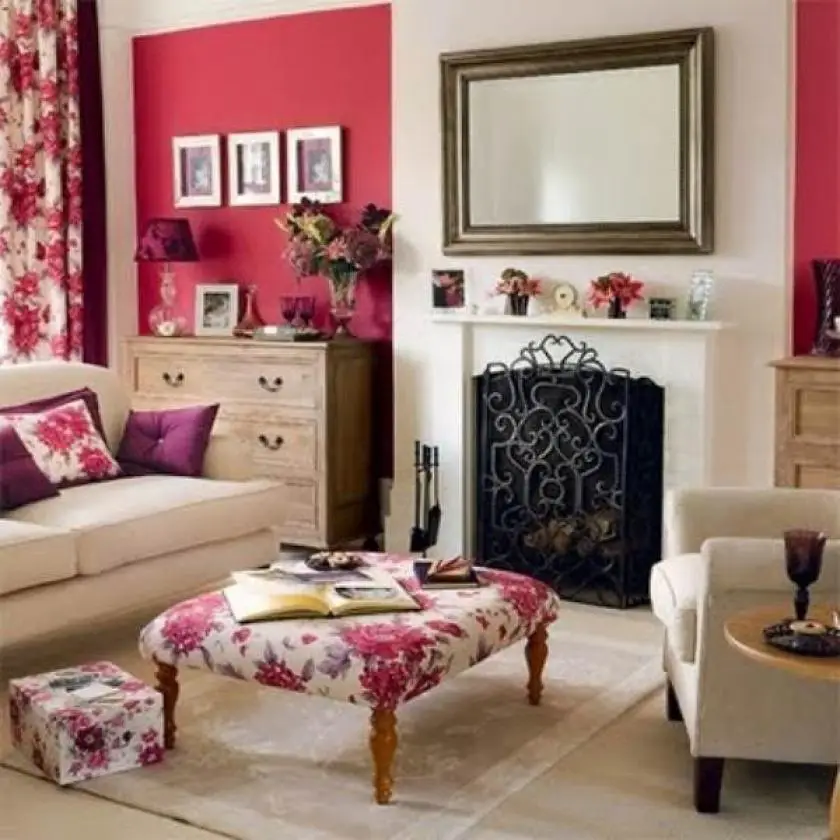
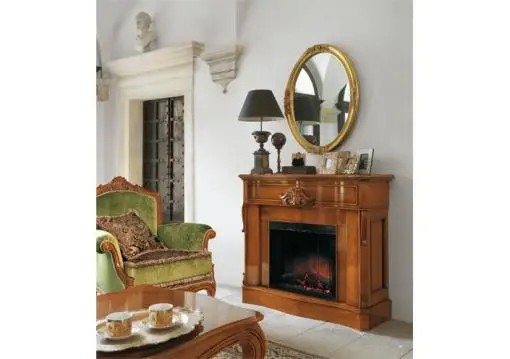
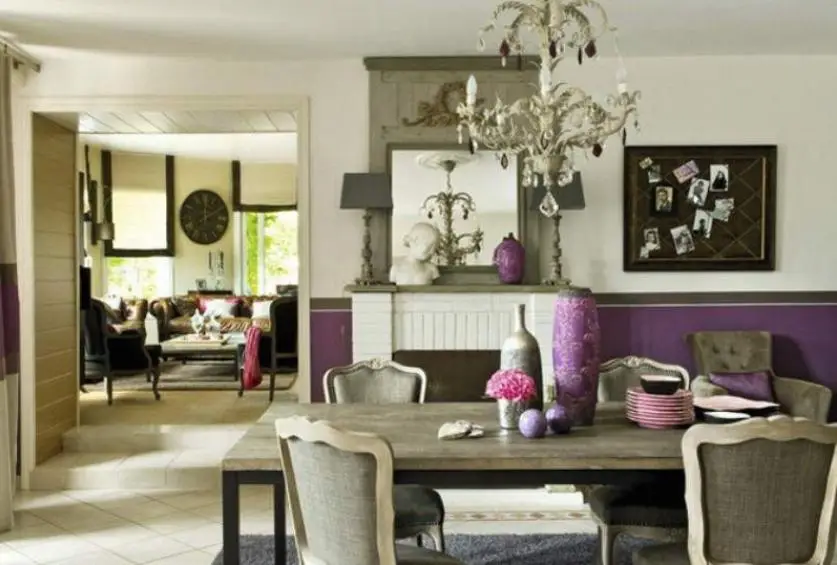
It’s common to place a mirror above a fireplace in a living room. While not a strict rule, it has become a long-standing tradition. A mirror above a fireplace, especially when paired with symmetrical lamps, adds romantic charm and helps define the room’s focal point.
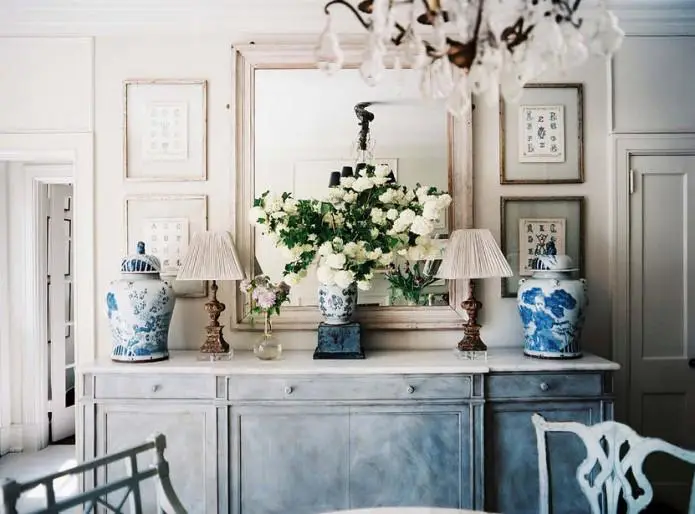
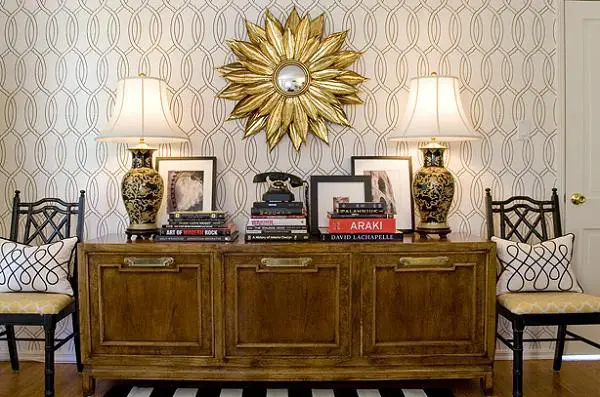
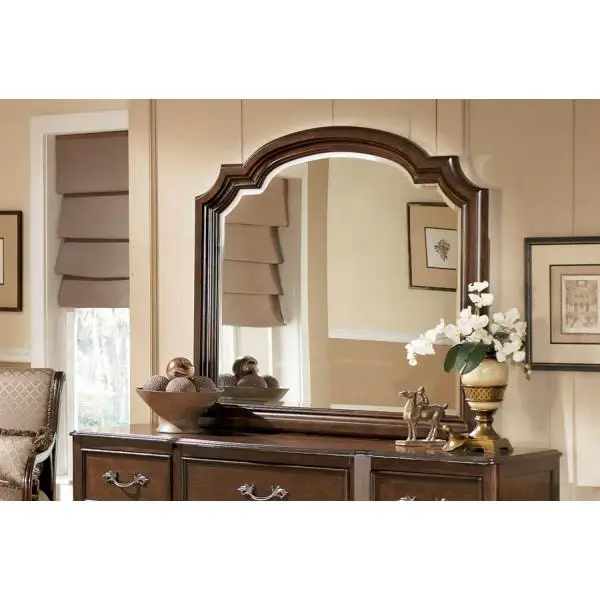
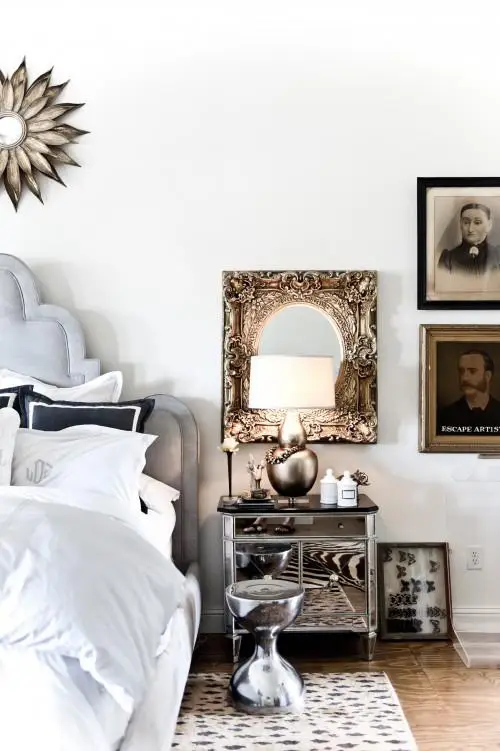
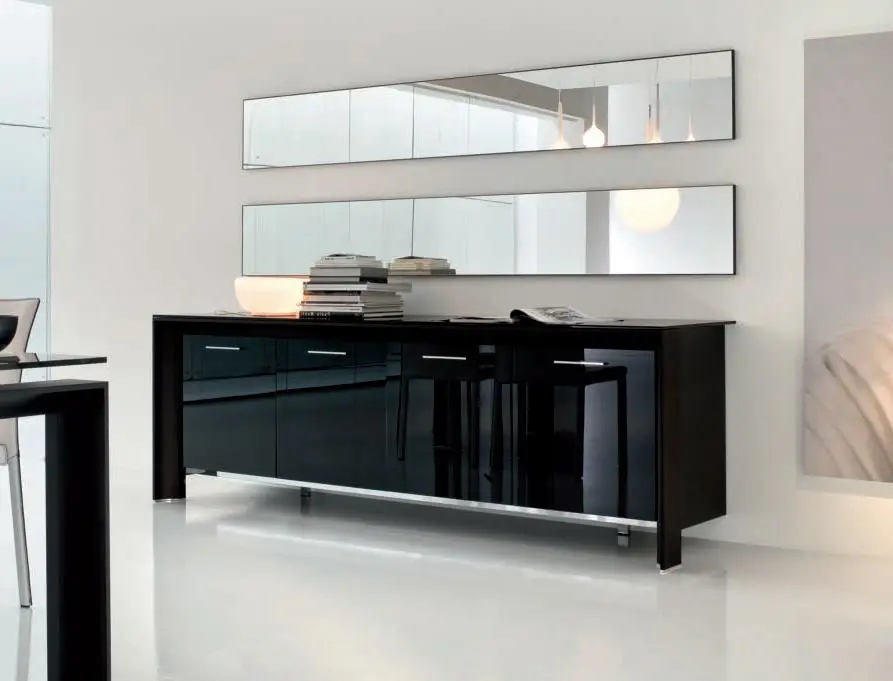
If you don’t have a fireplace, a dresser can serve as a perfect alternative. Remember one simple rule for harmonious pairing: in a "mirror + fireplace/dresser" combination, the mirror should be slightly narrower than its partner. This simple trick can instantly enliven your space and set the right mood—not just in the living room, but even in a hallway or transitional zone.
Wall of Mirrors
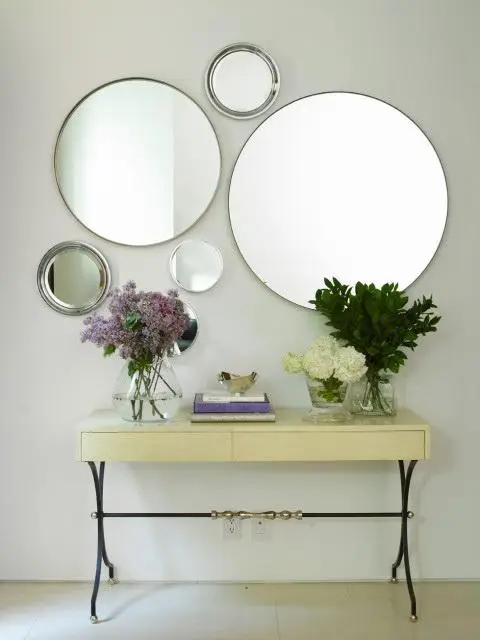
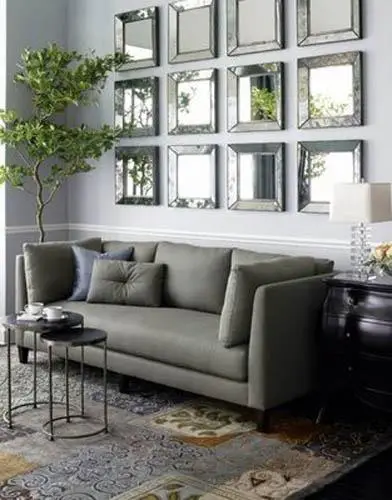
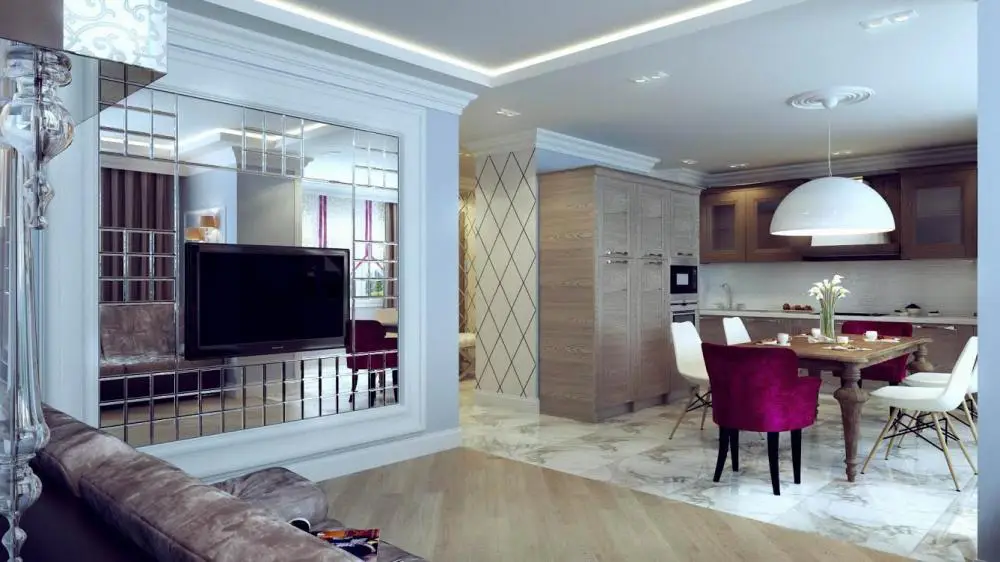
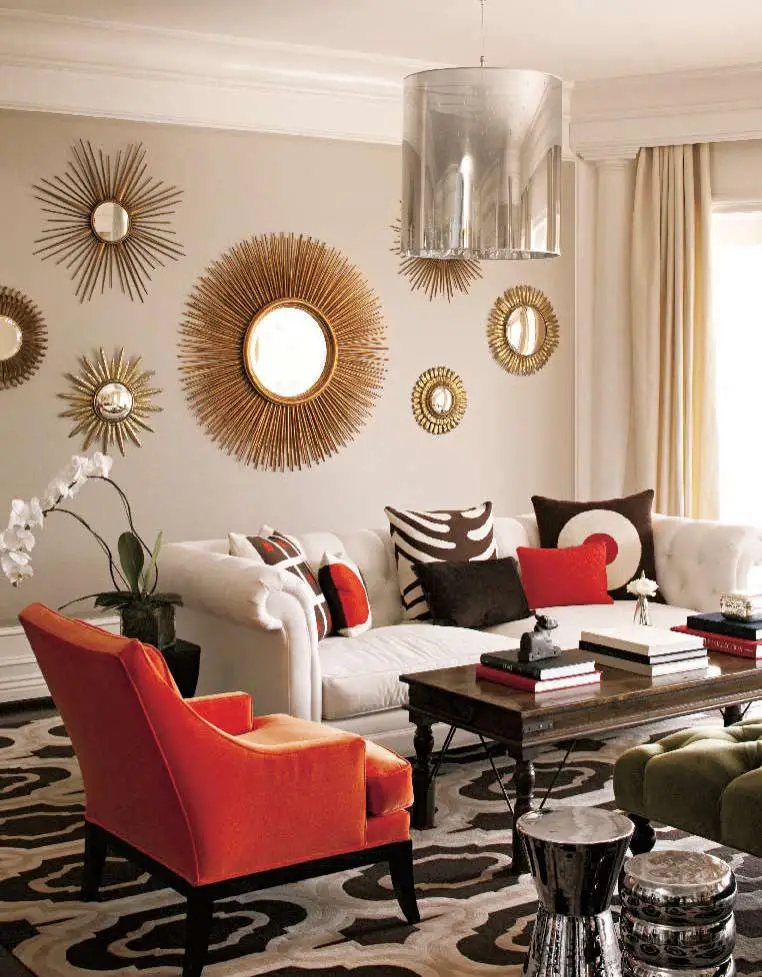
Best results come from mirror panels—individual mirrors of varying sizes arranged into a pattern. These panels add lightness and festivity to a room, which is ideal for a living space. Ideally, place a mirror wall opposite a window so that natural daylight reflects and makes a small room appear larger and brighter.
You can also use a mirror wall to multiply the visual presence of furniture and light, and even create the illusion of a perfectly shaped room. Note: adding backlighting won’t enhance the light effect—mirrors reflect, not amplify.
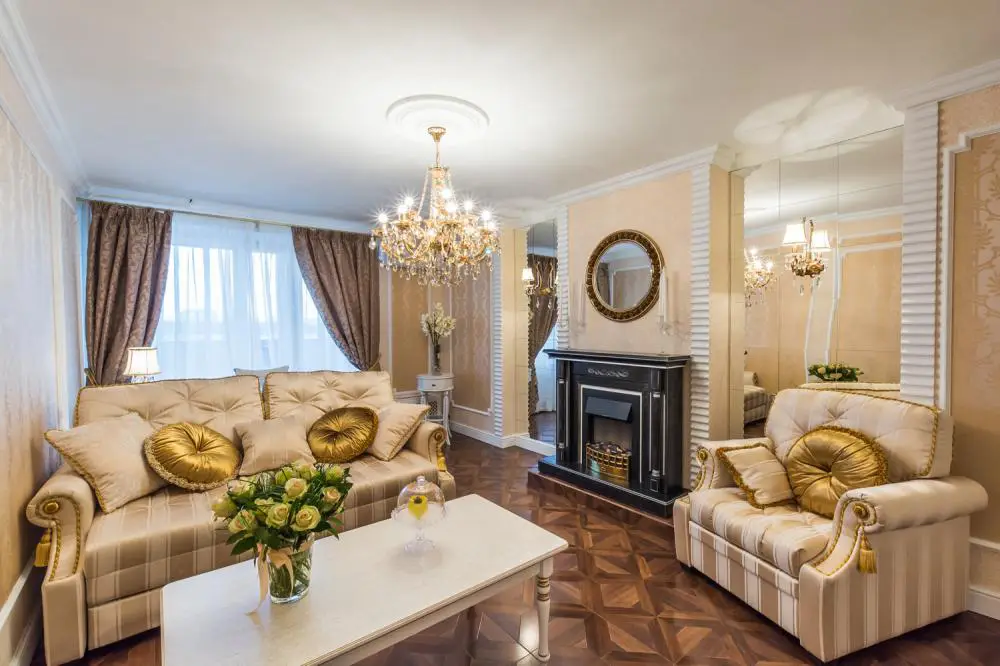
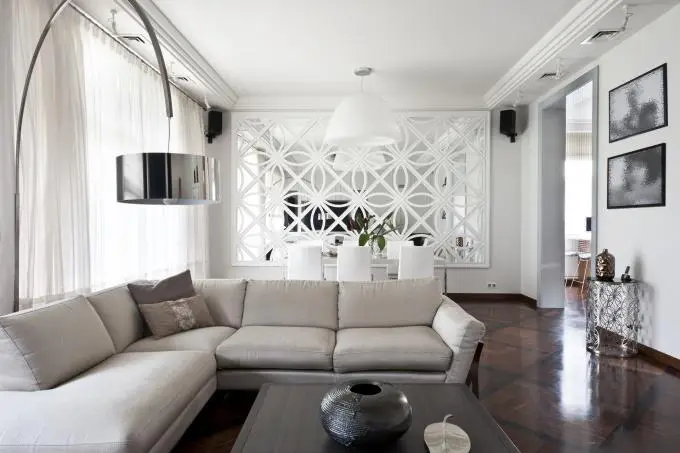
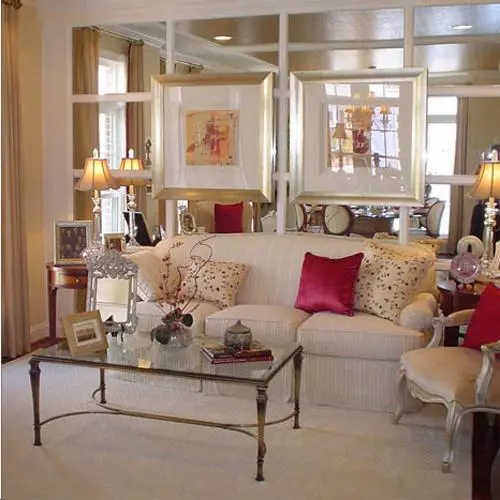
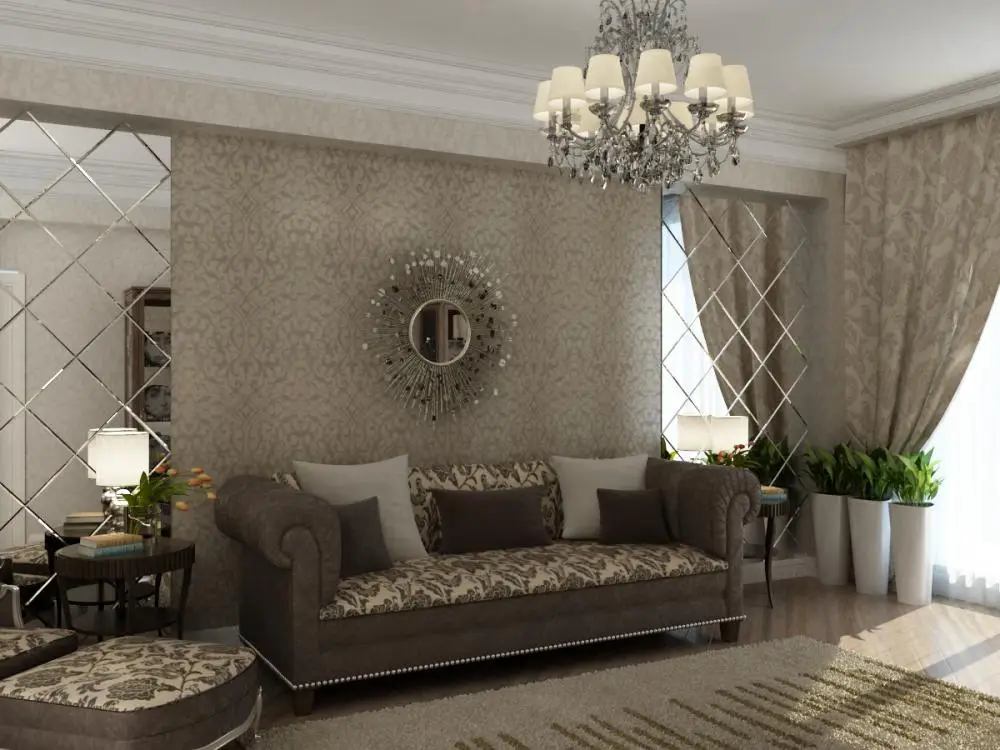
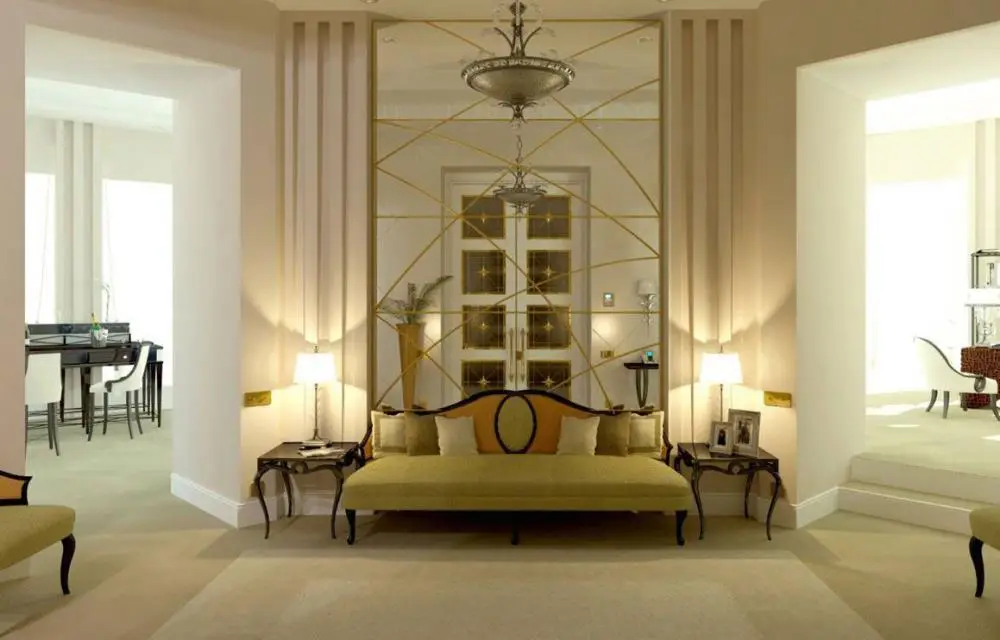
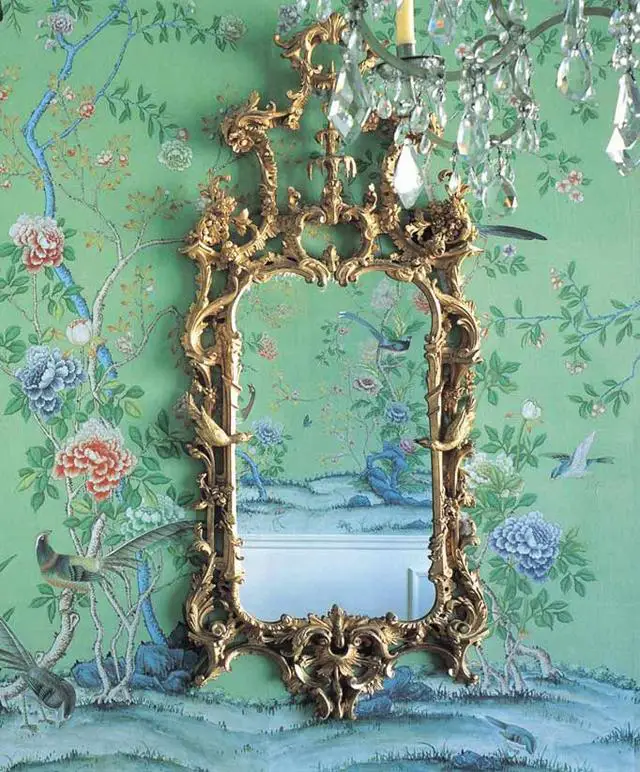
The shape and frame of a mirror should match the overall style of your living room’s interior.
Classic Style
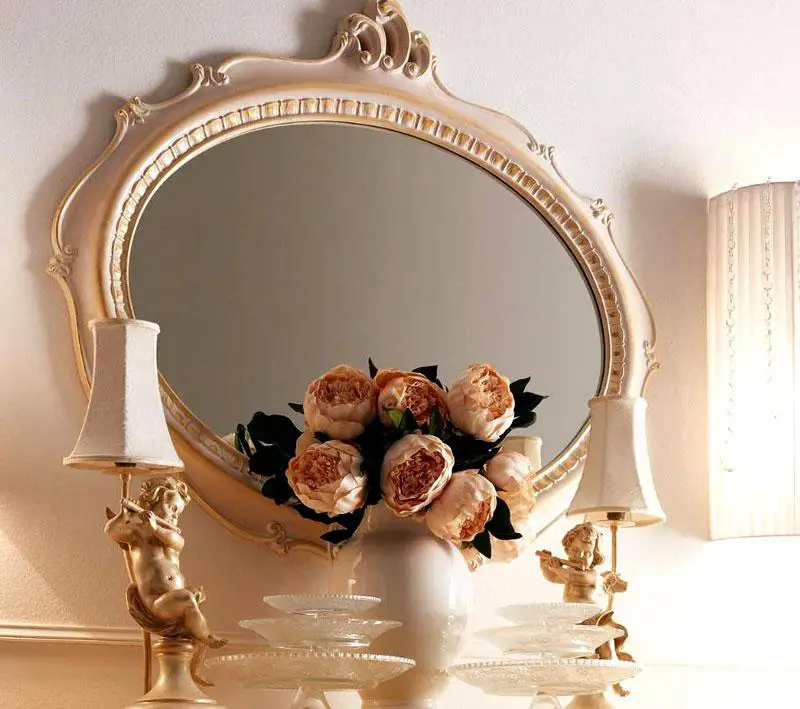
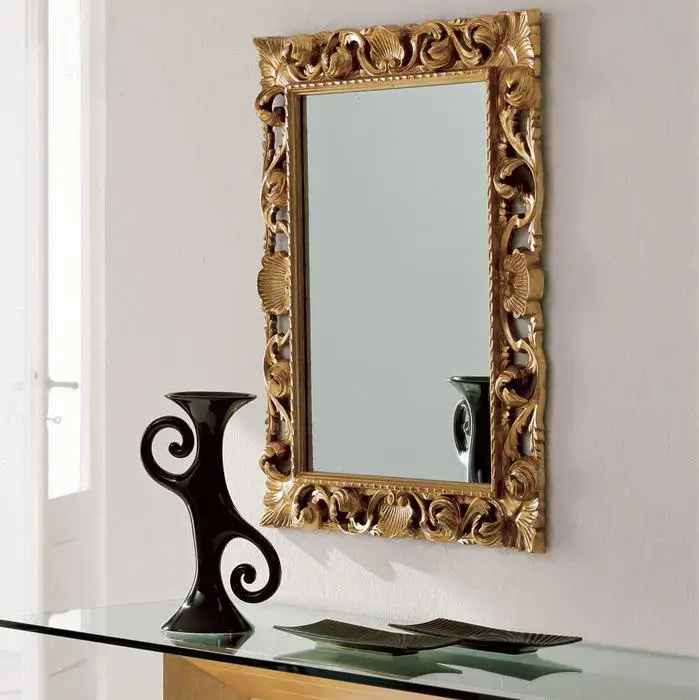
In a classic setting, a mirror with a carved wooden frame and faceted edge on the glass surface creates a harmonious look.
Countryside (Country) Style
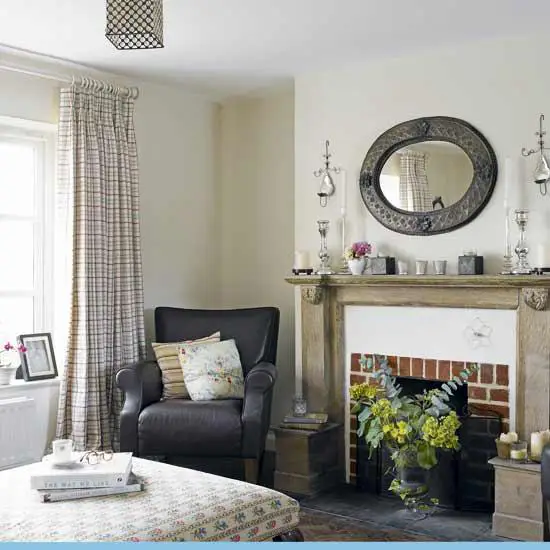
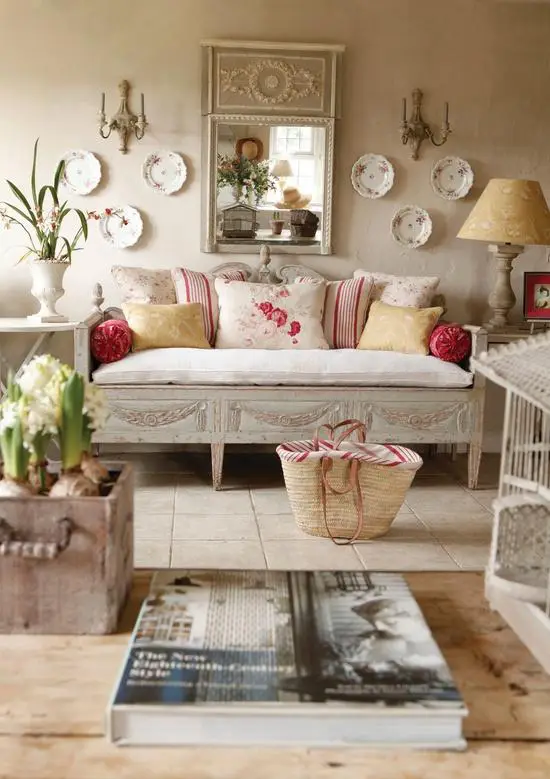
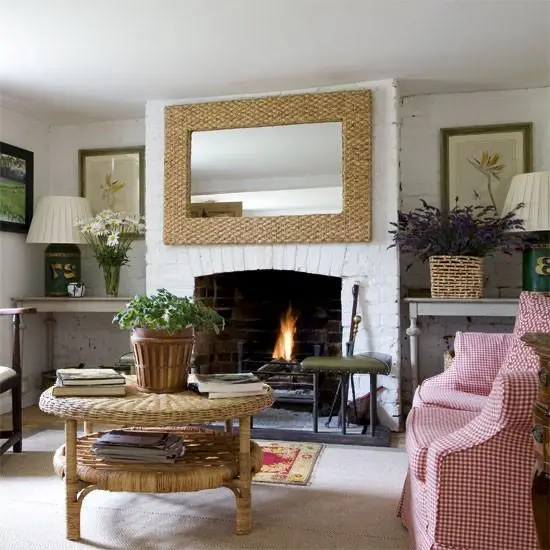
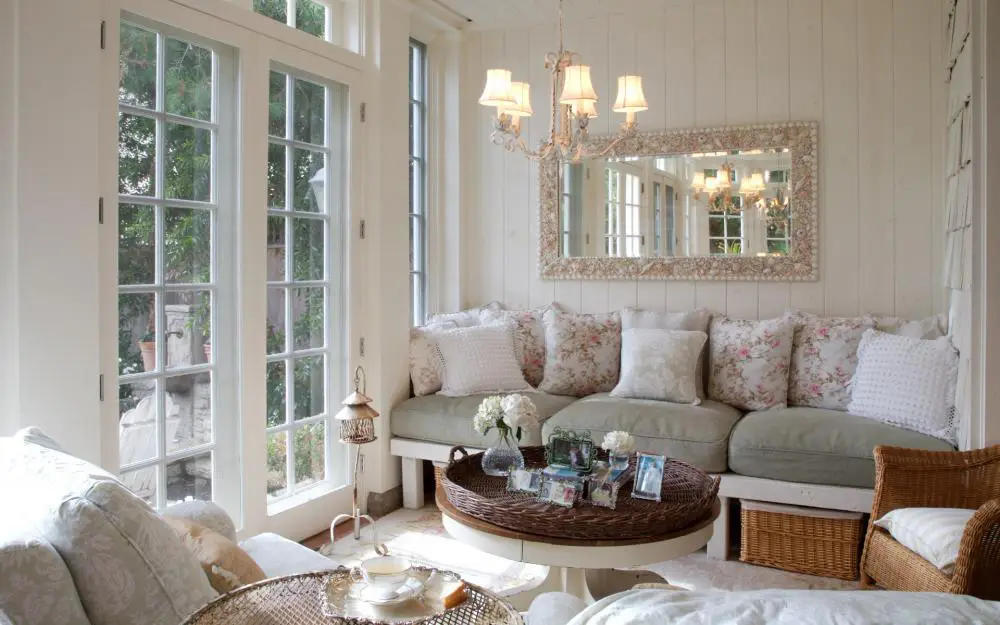
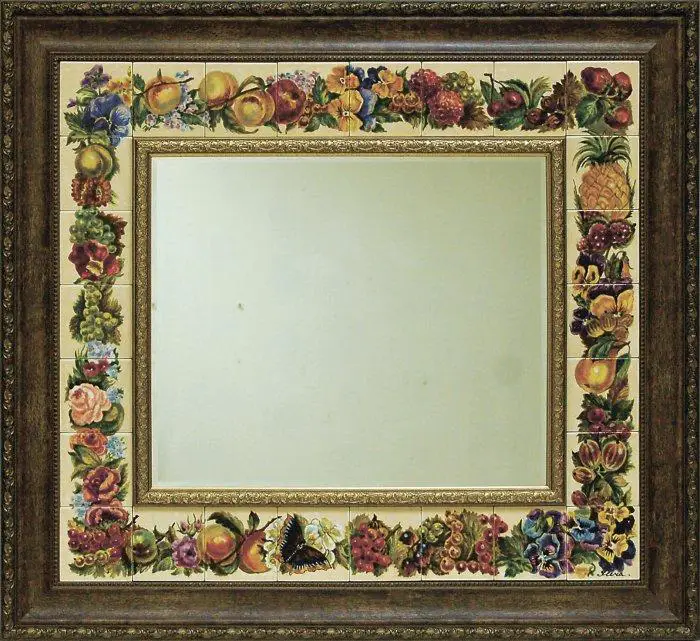
Simple geometric shapes in natural frames work well for country-style interiors. Frames can be wooden, hand-carved, made from rattan, twigs, or decorated with broken or whole ceramic tiles, or seashells.
Art Deco Style
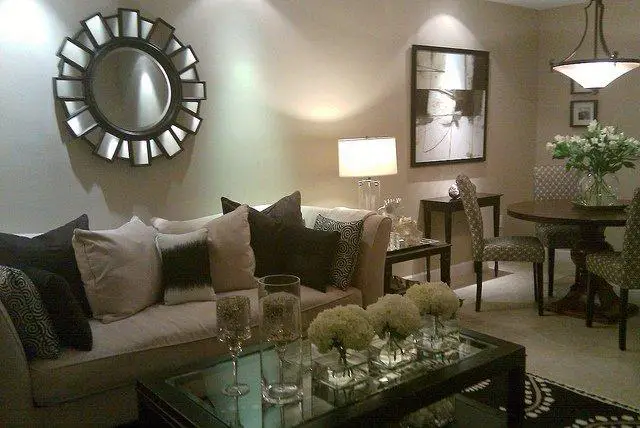
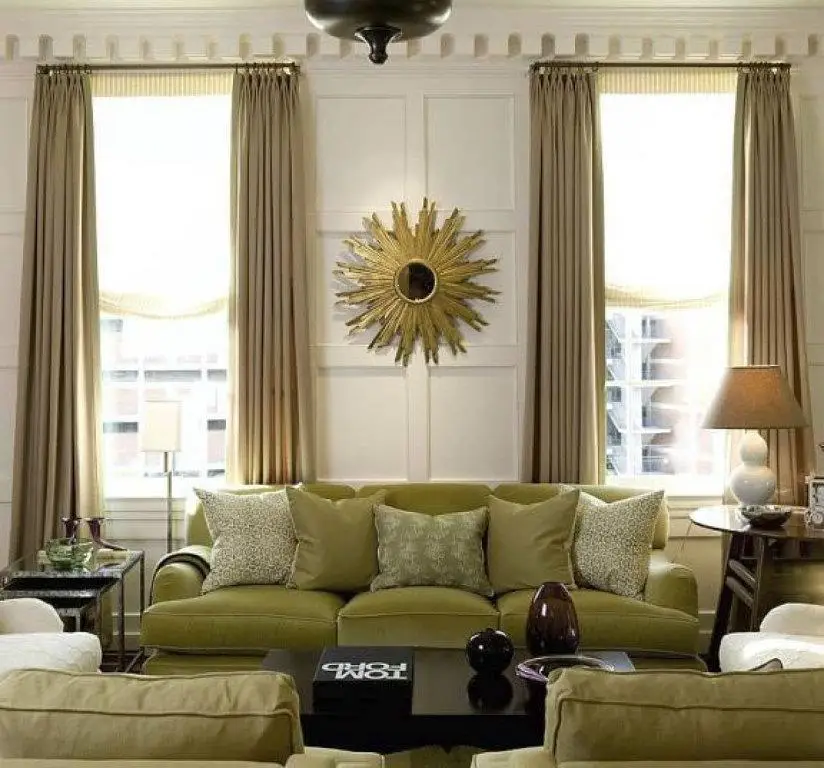
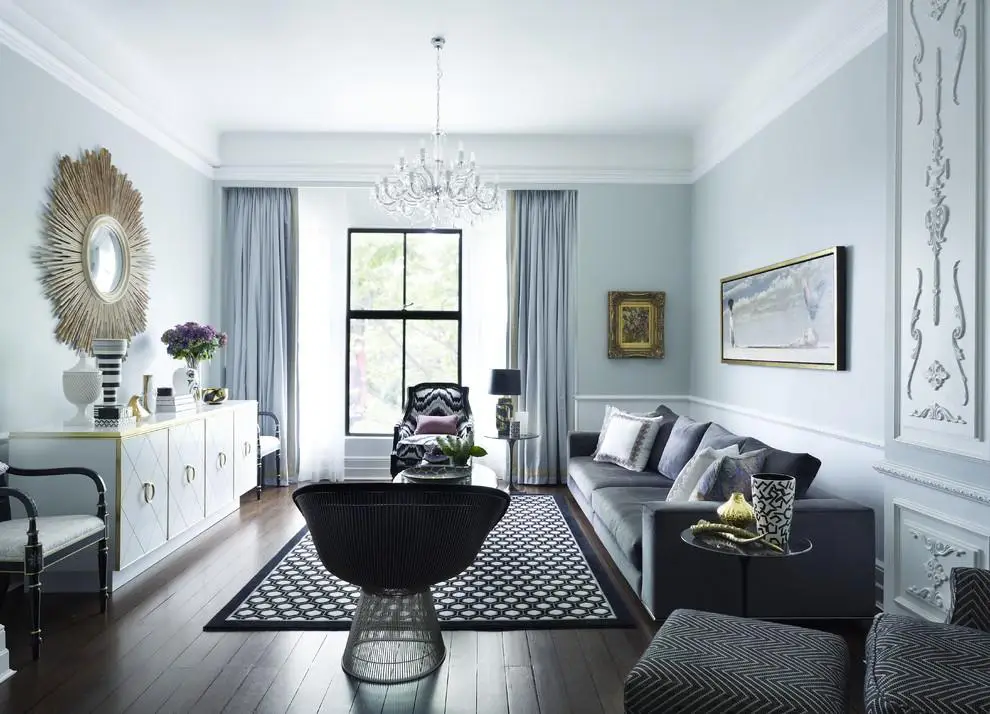
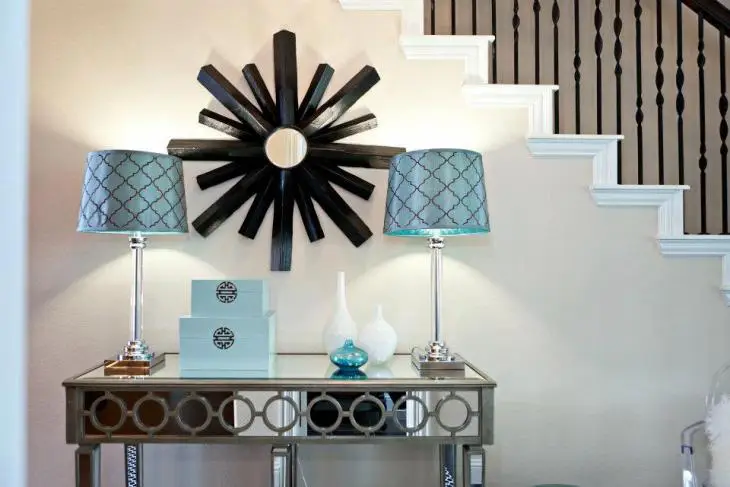
A large circular mirror shaped like the sun with numerous rays fits perfectly into a living room decorated in Art Deco style.
Modern Style
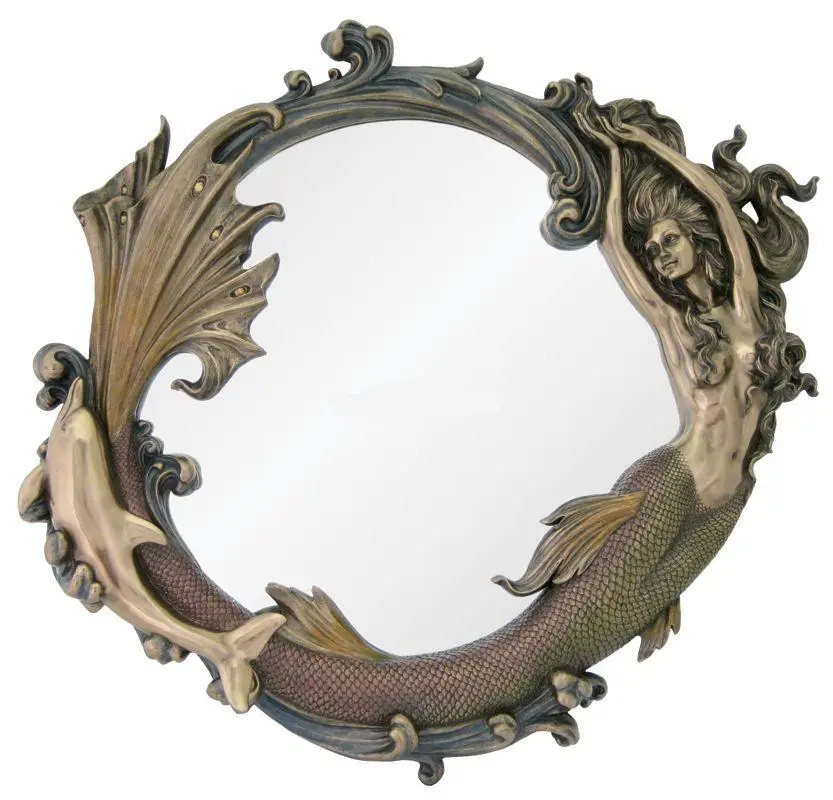
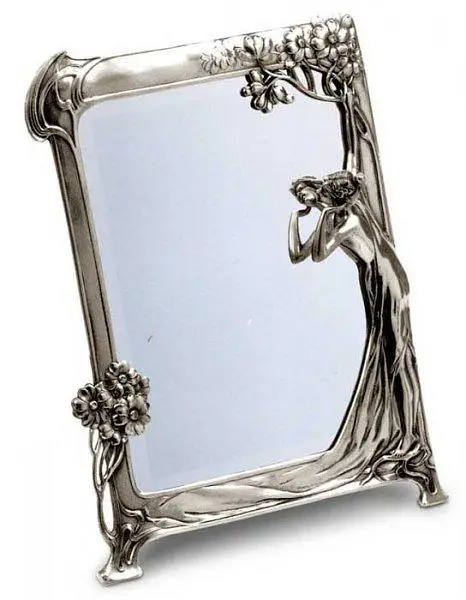
Mirrors in modern design often feature natural themes, soft lines, and rich decoration: intricate details, plant motifs, and swirls that enhance the overall ambiance of the room.
Minimalism
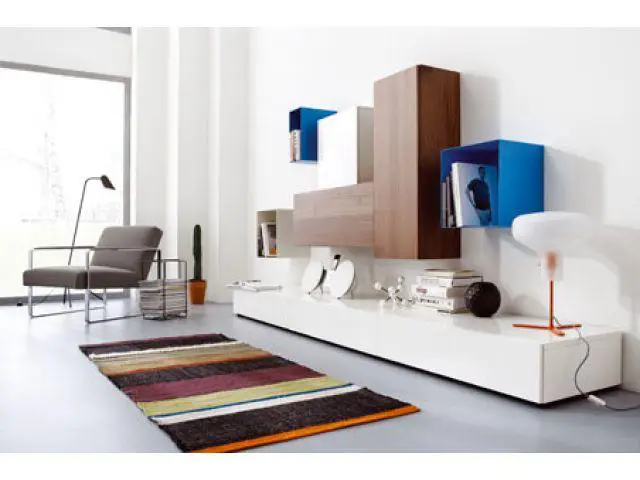
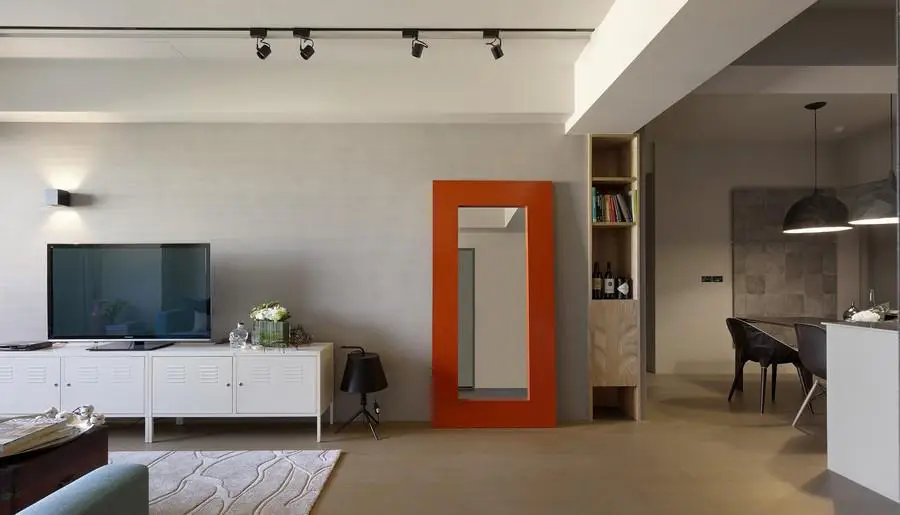
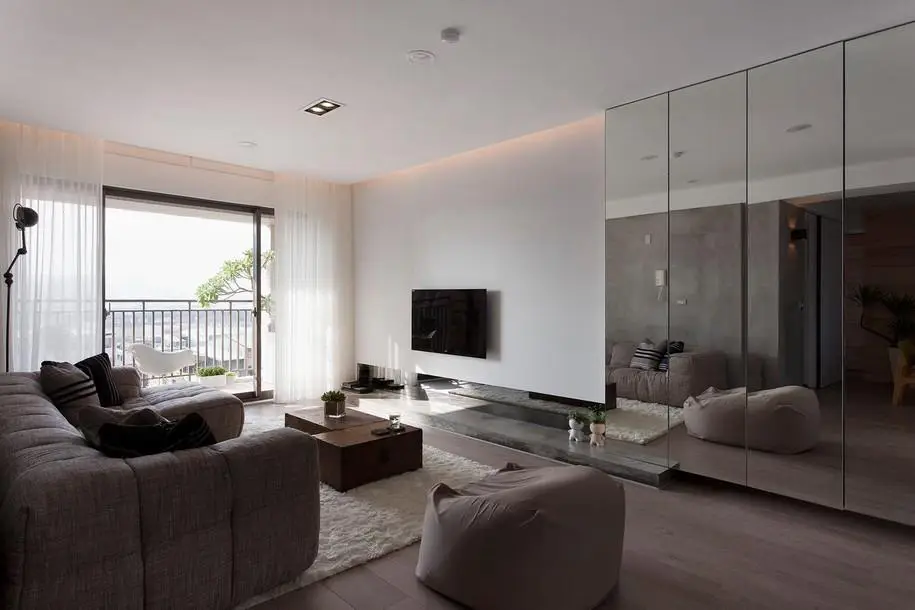
Minimalism avoids excess detail and favors practicality. If you choose a mirror, go for one large one—ideally spanning from floor to ceiling. Alternatively, consider a built-in mirror in a walk-in closet.
Hi-Tech Style
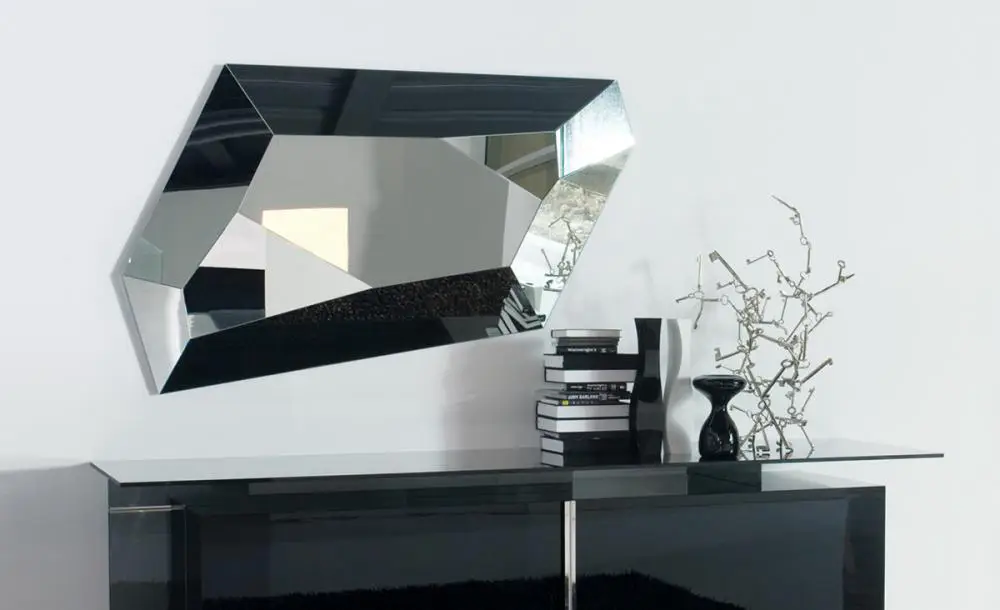
Hi-Tech design emphasizes simplicity and clean lines. Oval, square, or rectangular mirrors without decoration—set in plain wooden or metal frames, or frameless—blend seamlessly with minimalist furniture.
Mirror Furniture
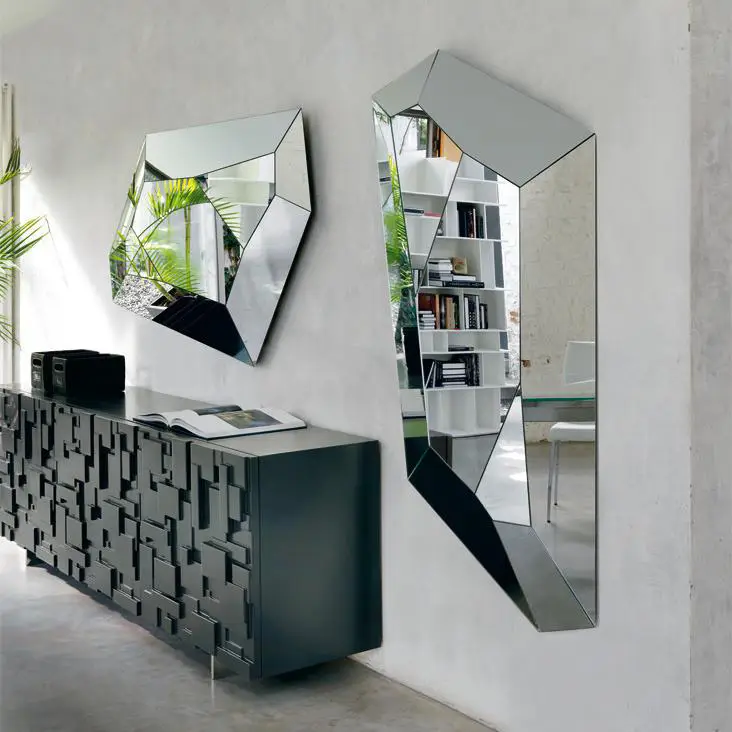
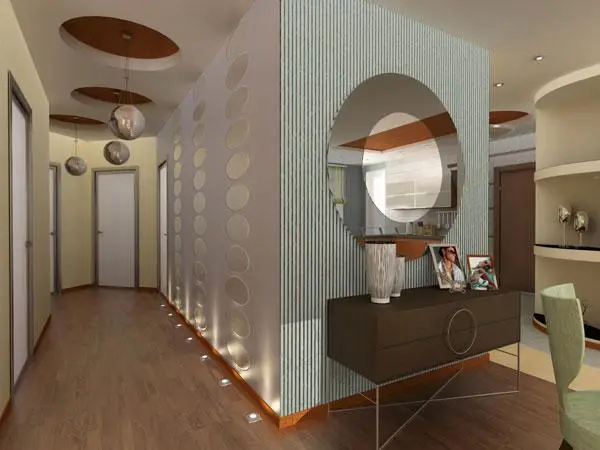
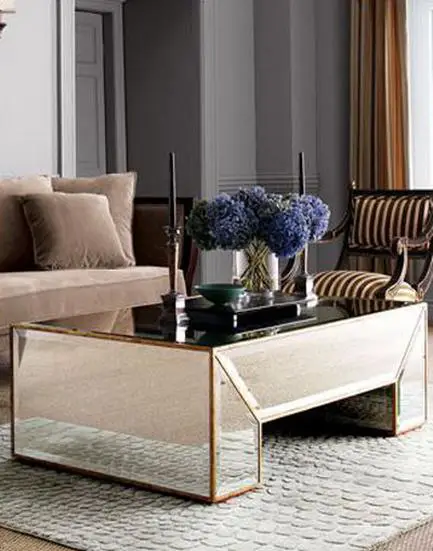
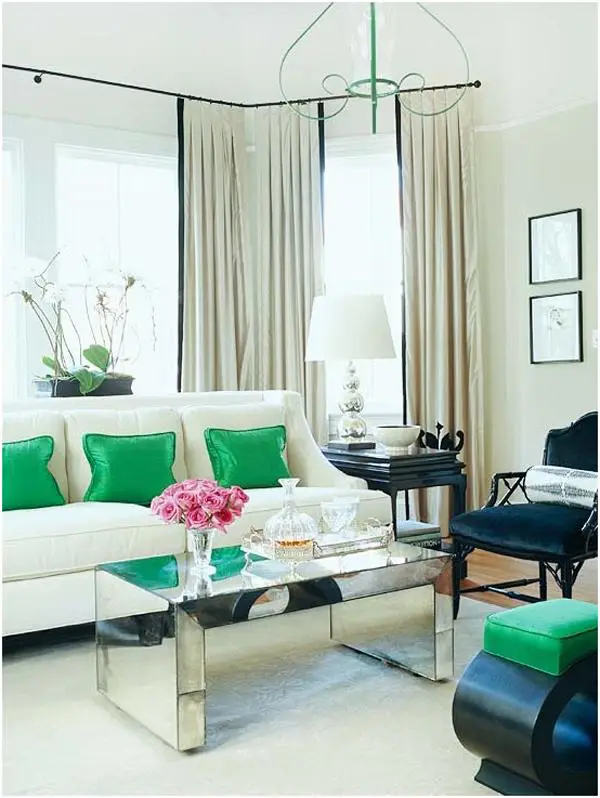
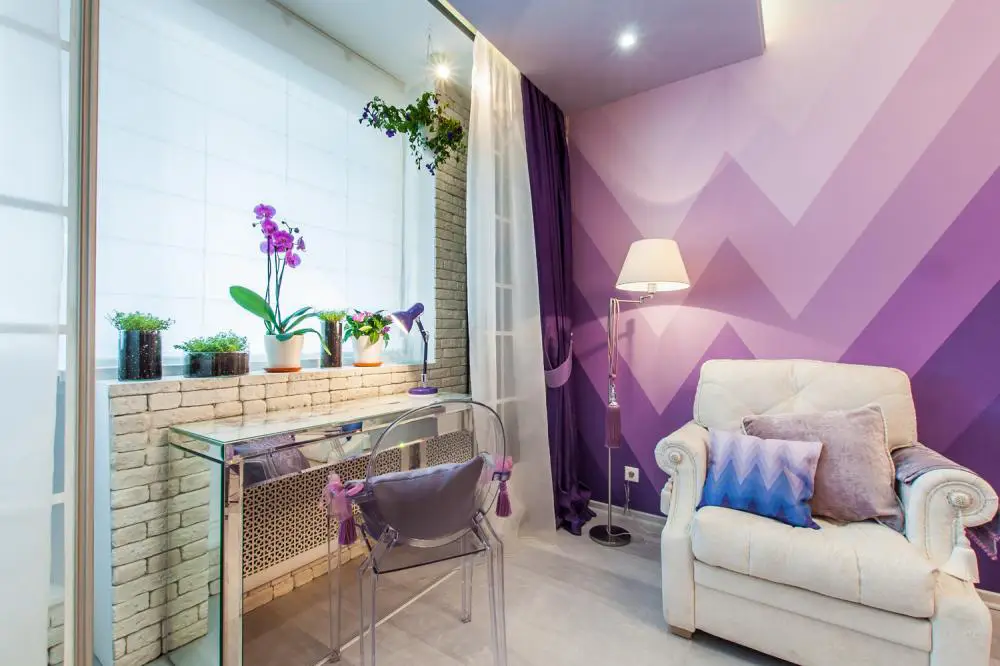
Mirror surfaces reflect real objects, adding visual volume to a space. Mirror furniture is versatile and striking in any interior, adding elegance and luxury.
The tradition of mirror furniture dates back to Venice, where mirror production began in Europe. Mirrors were used to cover wardrobes, dressers, and side tables. Later, in the Art Deco era, full mirror furniture became popular.
Mirror Compositions
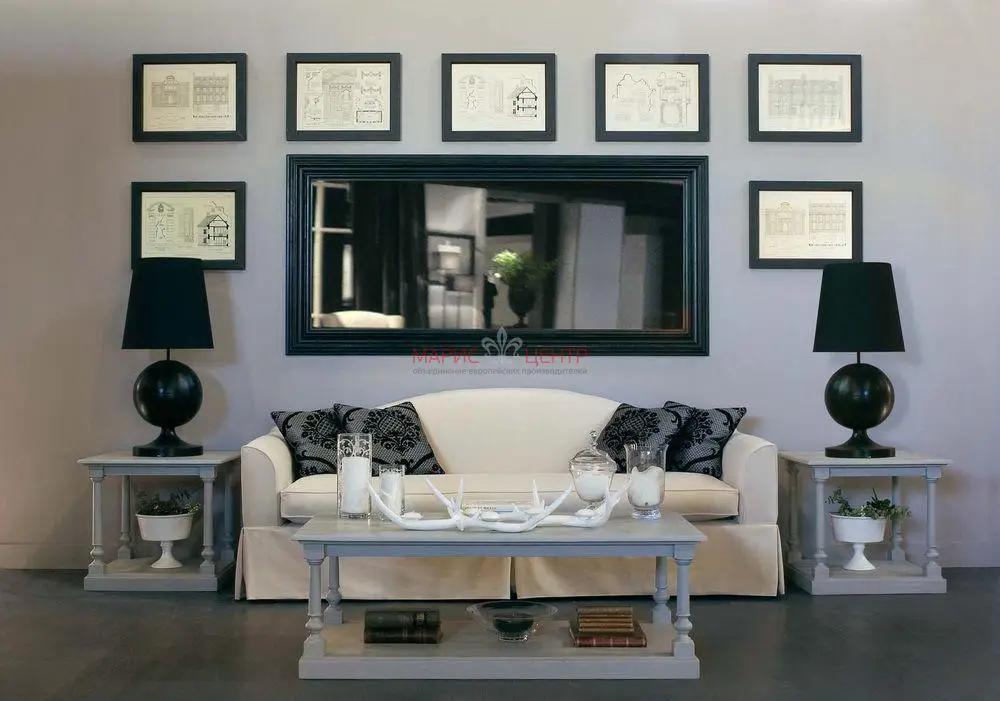
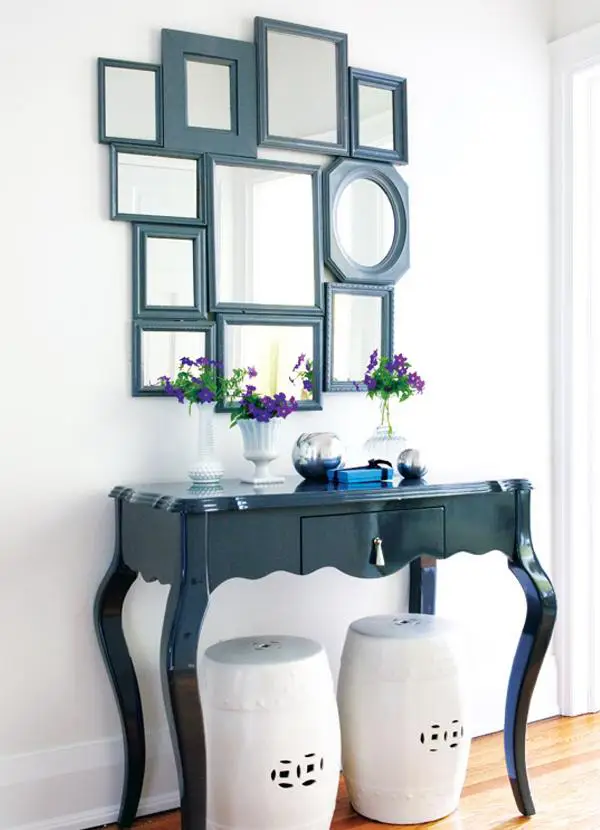
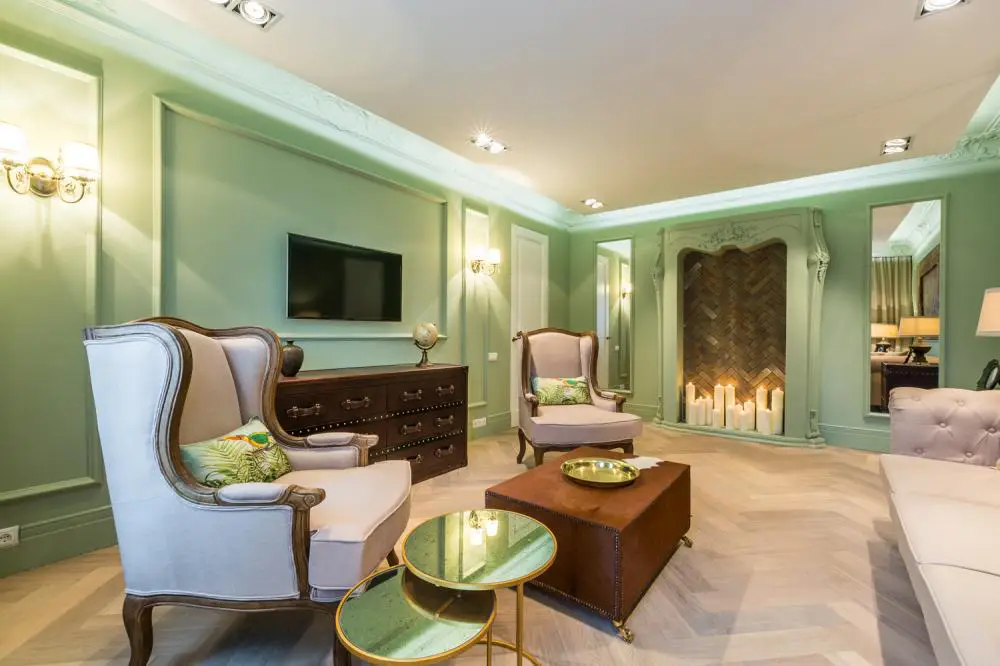
You can frame small mirrors in identical simple frames and hang them on the wall alongside photos. Alternatively, a large mirror surrounded by photo frames of different shapes and sizes—yet matching the style—creates a stylish look.
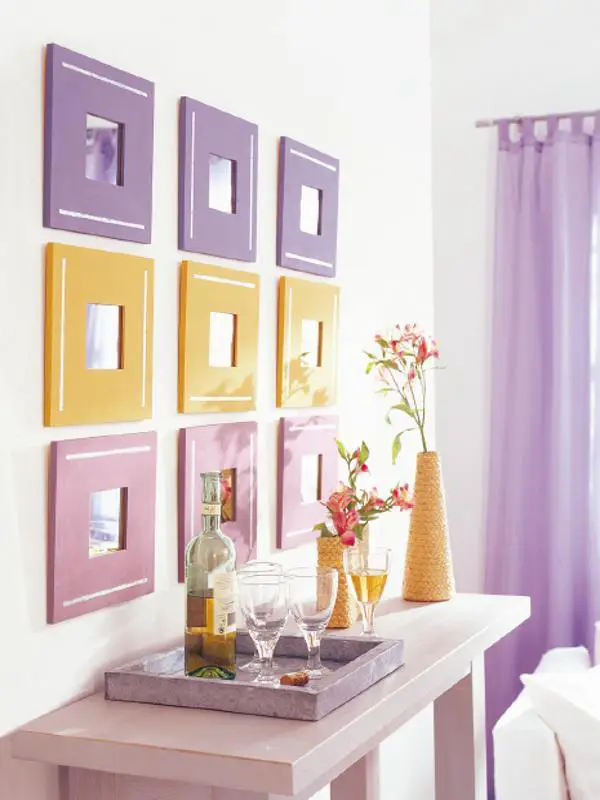
If you plan to place four square or rectangular mirrors, use ones with a large faceted edge (6 cm) or mirror frames, which are currently very trendy. This way, you can create your own artistic compositions. With such mirrors, your living room will become striking and a true highlight of your interior design.