Choosing Decking Boards for a Terrace: Exotic Woods, Alternatives + Expert Tips
What affects the durability of the surface, which wood species to prefer and what else to consider when choosing terrace boards — in this post
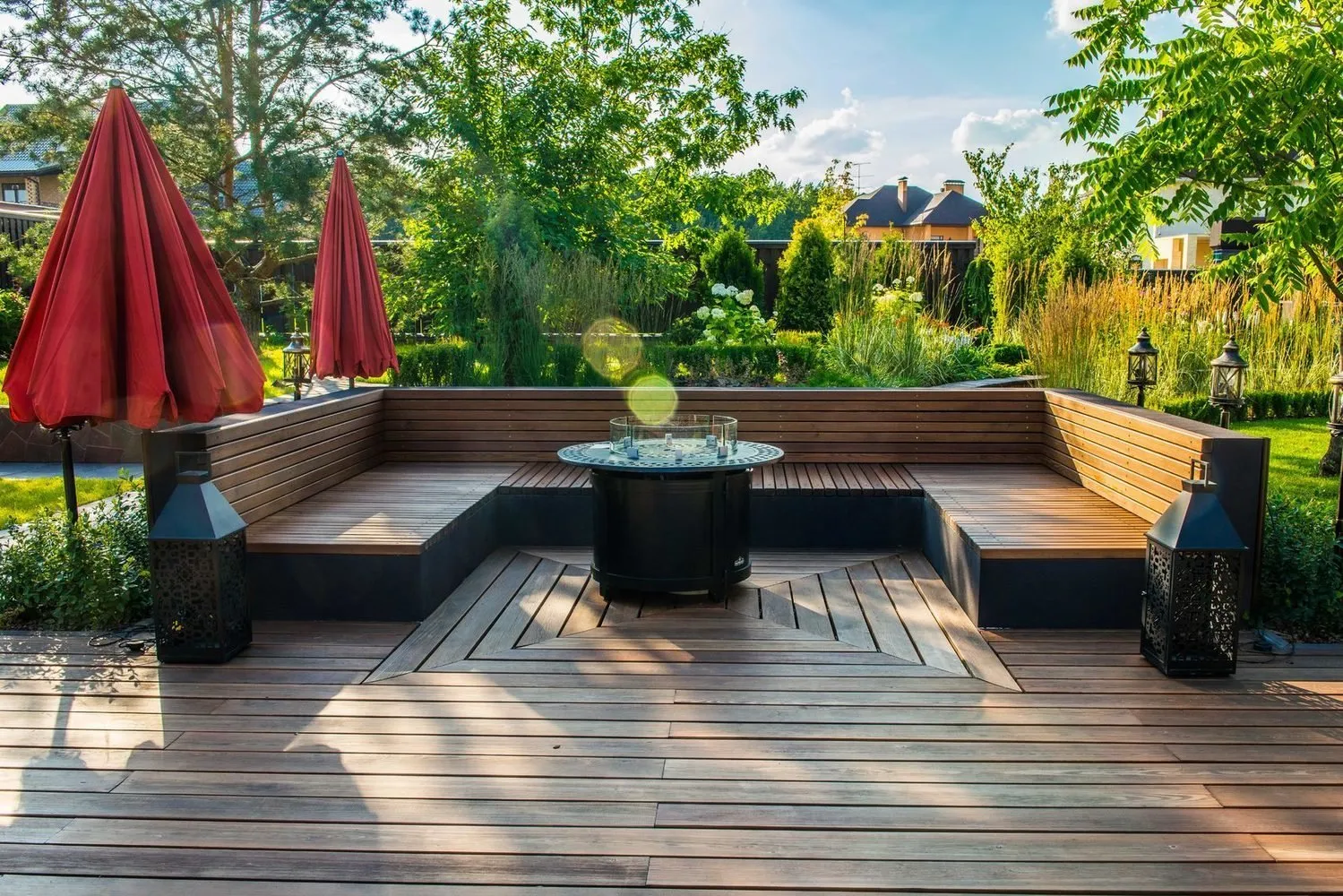
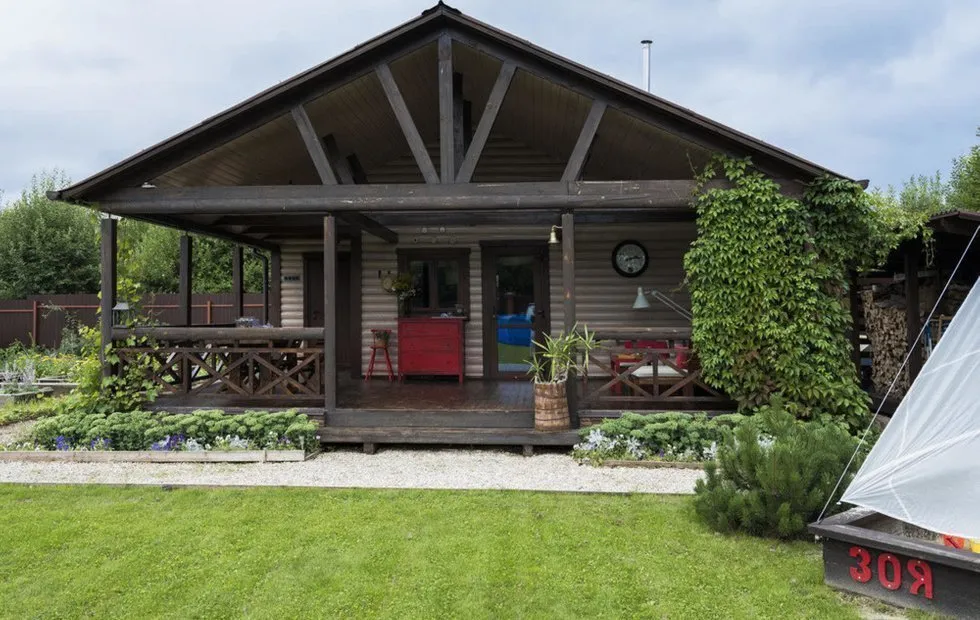
Patio, veranda and terrace — excellent options for relaxing outdoors in any season with home comfort. Of all parts of the terrace, the deck suffers the most from rain, wind, and insects.
When selecting material for its finishing, wood obviously leads: it is eco-friendly, aesthetic and reliable. But how to choose not just a beautiful but also the most durable option for the surface? We asked an expert.
Sergey Baturin — expert and head of EKZO Floor, the largest supplier of decking boards made from exotic wood species
Which wood species to choose?
It determines the color and texture of the board — but above all, its useful properties.
Here are the best quality options:
- wood from regions with harsh climates;
- woods from tropical areas: they also possess strength and longevity due to essential oils and antiseptics in their composition.
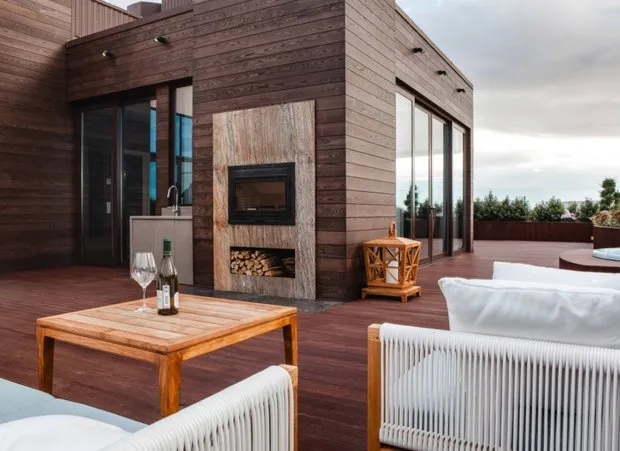
Exotic wood requires a certain level of craftsmanship in processing and installation — but it will pleasantly surprise with its service life.
Now let's look at each species in more detail.
Tick
A classic material used in shipbuilding for its water resistance and ability to withstand heavy loads when in contact with water. Naturally, tick is also visually impressive. The service life of such decking boards exceeds 50 years!
Paduk
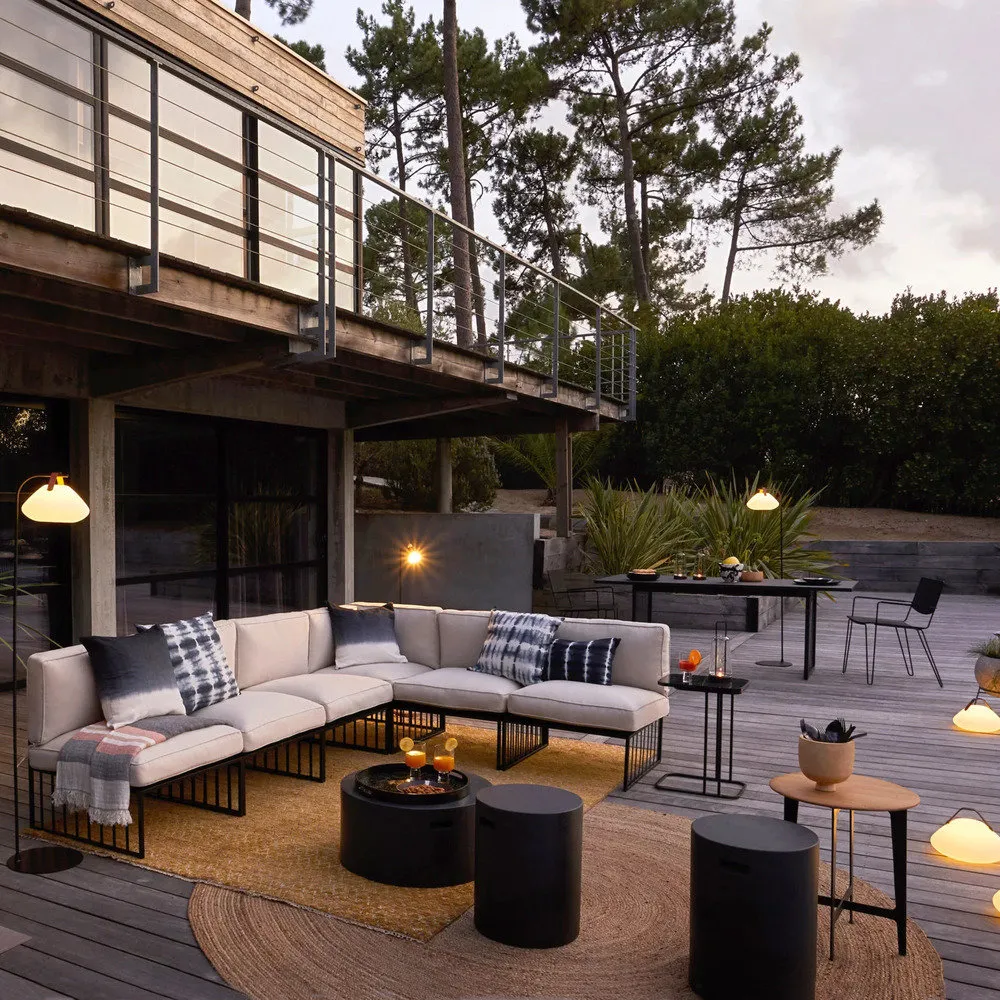
The natural chemical composition of this wood extends the service life of boards to up to 25 years. Paduk decking is immune to bacteria, fungi, and mold. A great investment.
Balu
This wood also contains resins that prevent moisture and mold damage. It is also resistant to acids, so in Asia, it is used for floor finishing at chemical plants.
Mebura
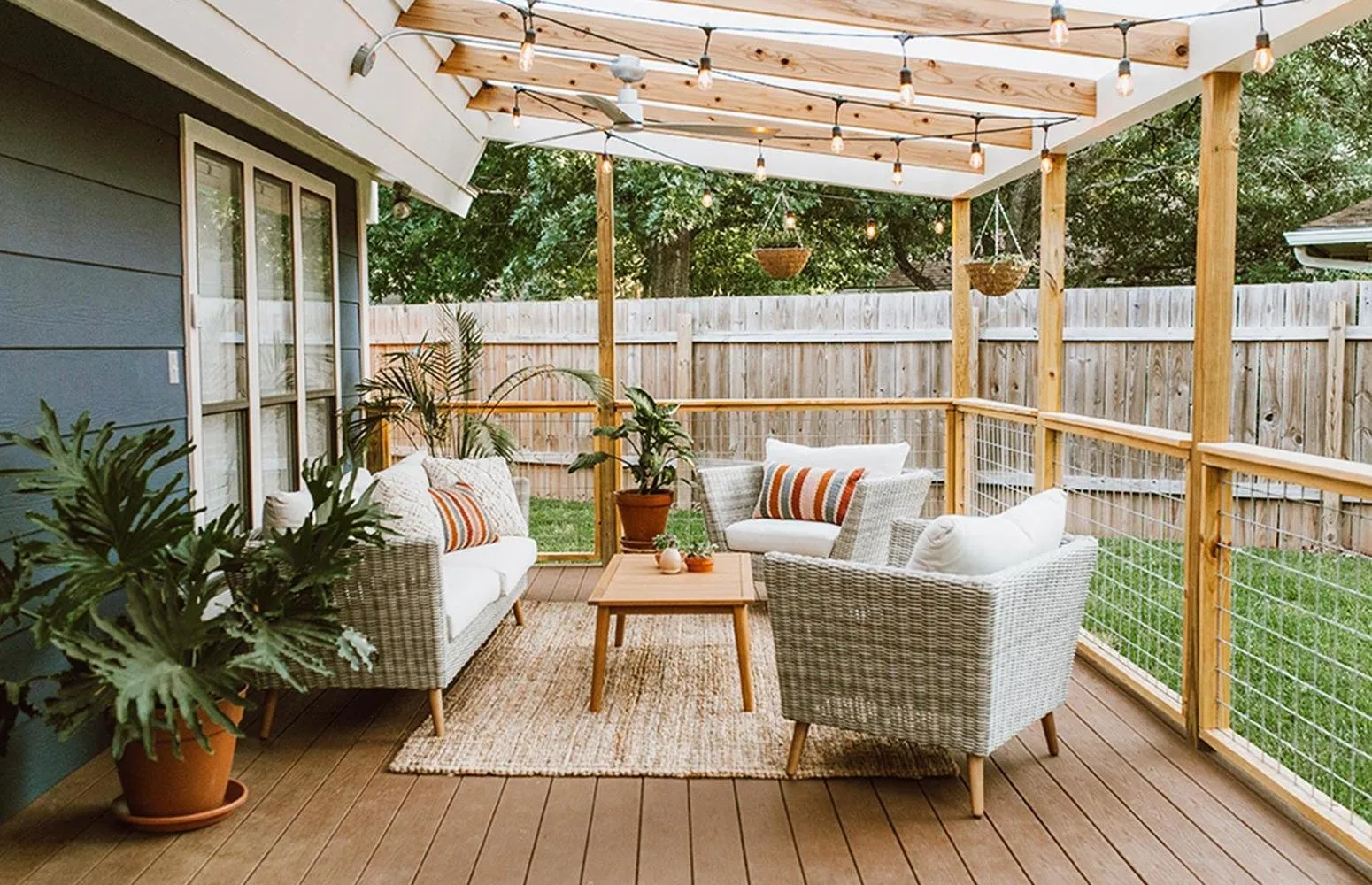
The main competitor of oak. The wood with a dark red hue and unique yellow streaks is immune to rot and pests.
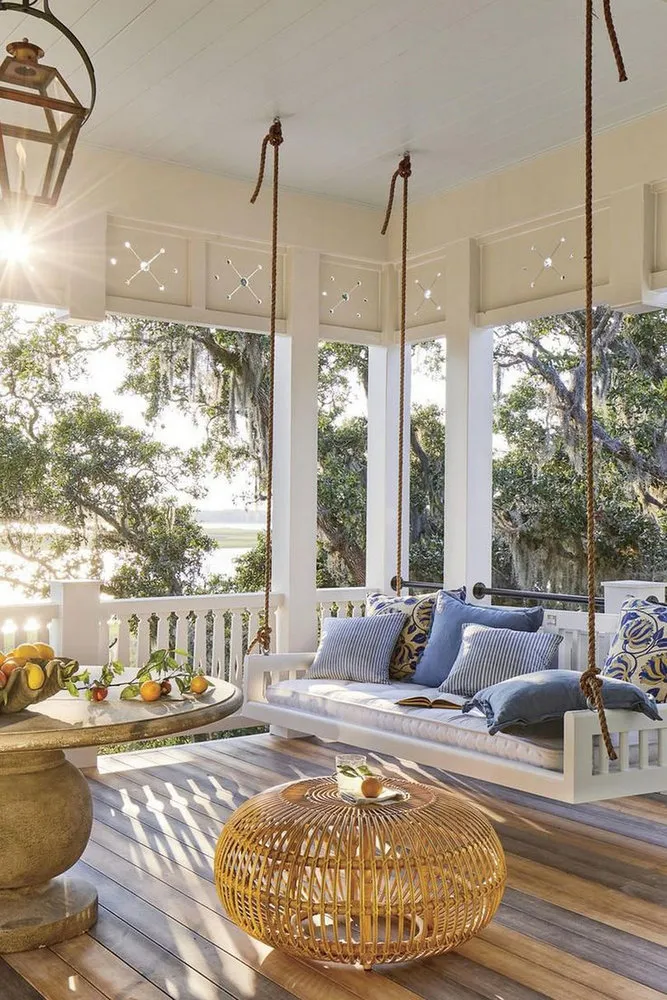
Ormosia
This type of wood is often used for flooring in restaurants and other public places with high foot traffic due to its attractive texture and excellent wear resistance. It resists wet cleaning and household chemicals.
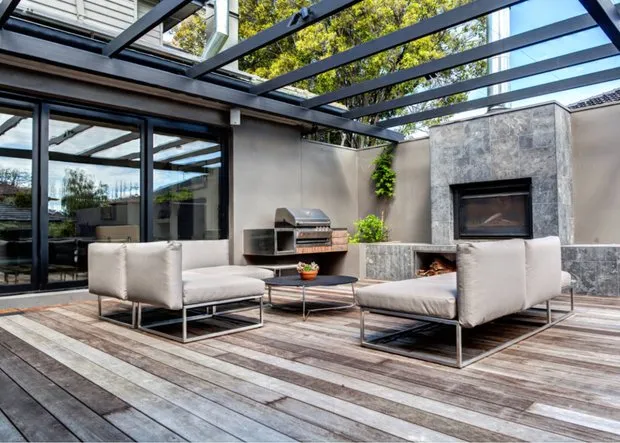
Kempas
A heavy wood with a beautiful color of the solid. Resistant to decay. Kempas is used to make floor mosaics: boards are easy to drill, glue, nail, and polish.
By the way, this wood ages beautifully: time only accentuates its fiery tone.
What are the alternatives to solid wood decking boards?
Although solid wood remains the most popular and in-demand material for terrace finishing, the expert recommends paying attention to two other types of terrace surface: composite and thermally modified wood.
Composite
Many think it's a cheap alternative to wood — and they're wrong. The material consists of 80% wood dust and composite binder, yet it looks like solid wood.
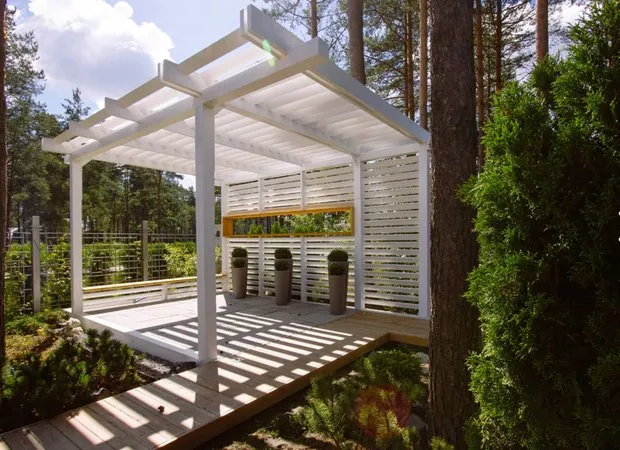
This is a product of modern technology and requires no detailed maintenance, with its quality characteristics surpassing those of 'live' wood.
Composite is resistant to sunlight, moisture, chemicals and temperature fluctuations. Such a surface can be locally repaired without worrying about deformation.
Thermally Modified Wood
In the 1990s, Finland developed a technology for steam thermomodification at high temperatures. Here's what this treatment provides:
- increases wood’s resistance to moisture, fire and mechanical damage,
- improves its ability to retain shape,
- extends service life.
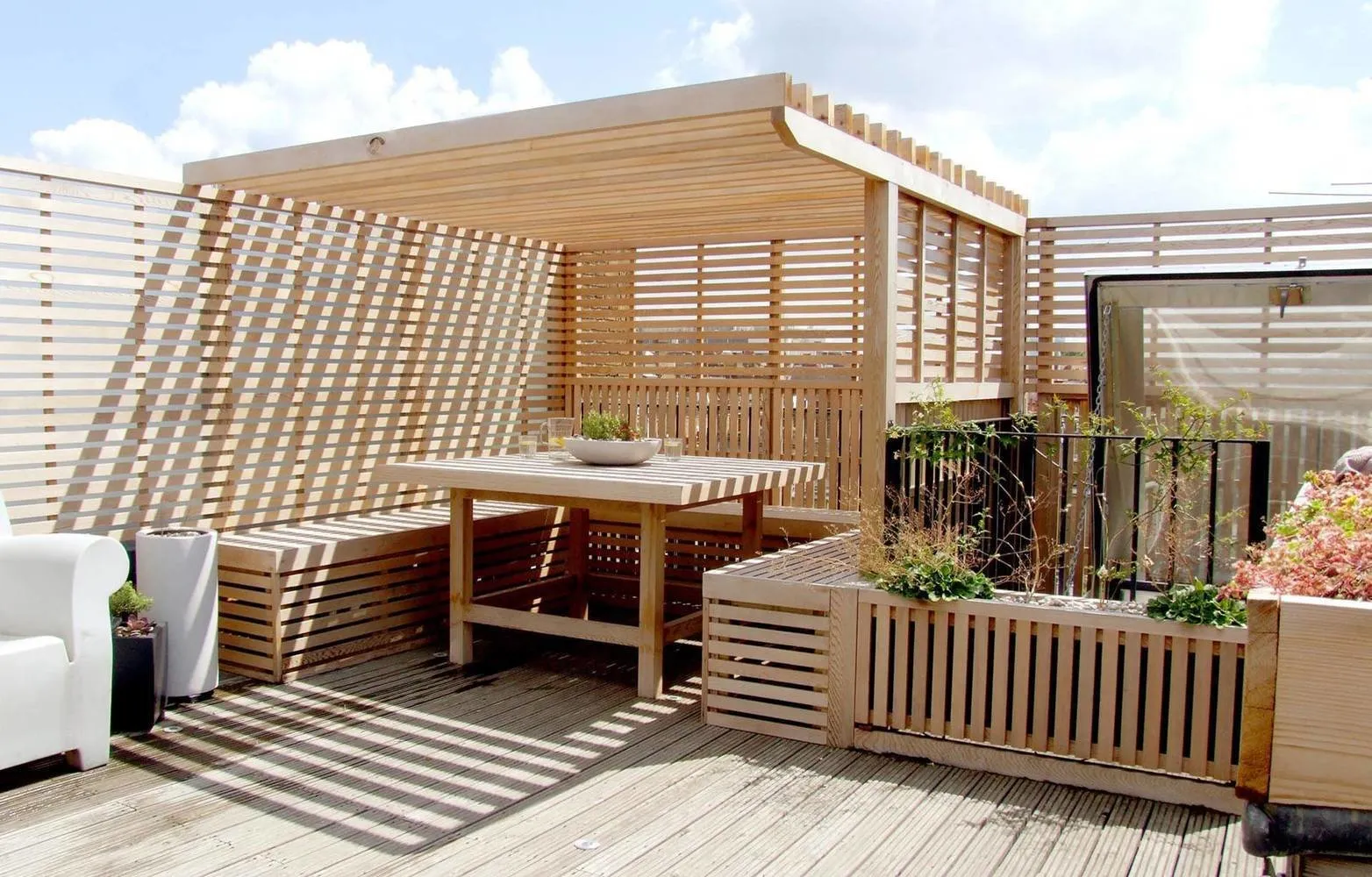
6 Tips for Choosing and Installing Terrace Boards
Choose certified products from well-known brands
Because manufacturing quality terrace boards is a complex, multi-stage and technology-intensive process that requires expensive equipment.
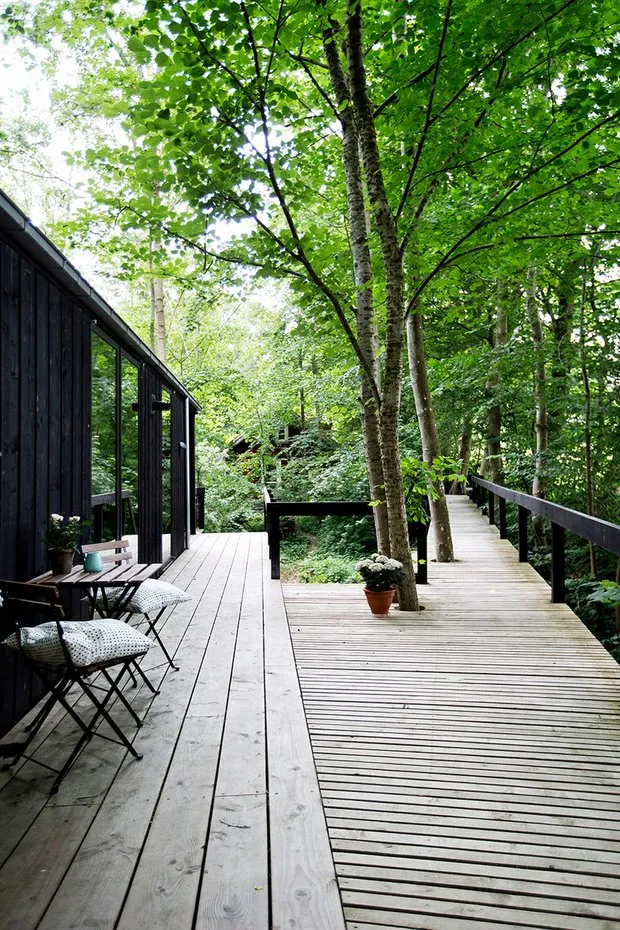
Don’t skimp on the surface
Although the base of finished decking is the most expensive part of the production process, cutting, transportation and processing add their markup to the final product. Therefore, the cost of quality wooden material is always quite high.
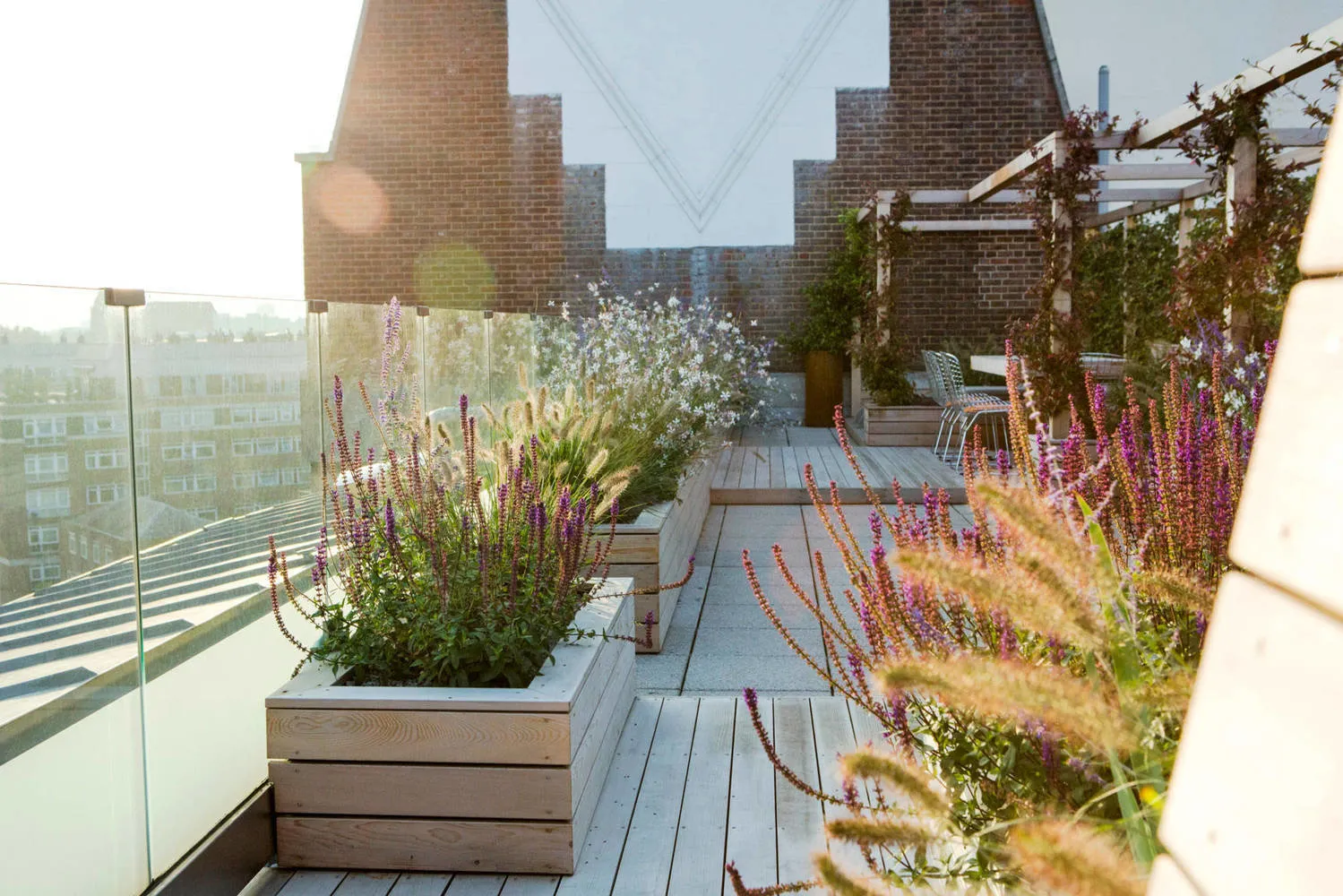
Approach the choice of installer carefully
They must not only know how to work with wood, but also have experience working with quality products and understand the nuances of working with modern finishing materials.
Choose boards with higher density
The higher the density, the less moisture the surface absorbs and the stronger and more durable it is.
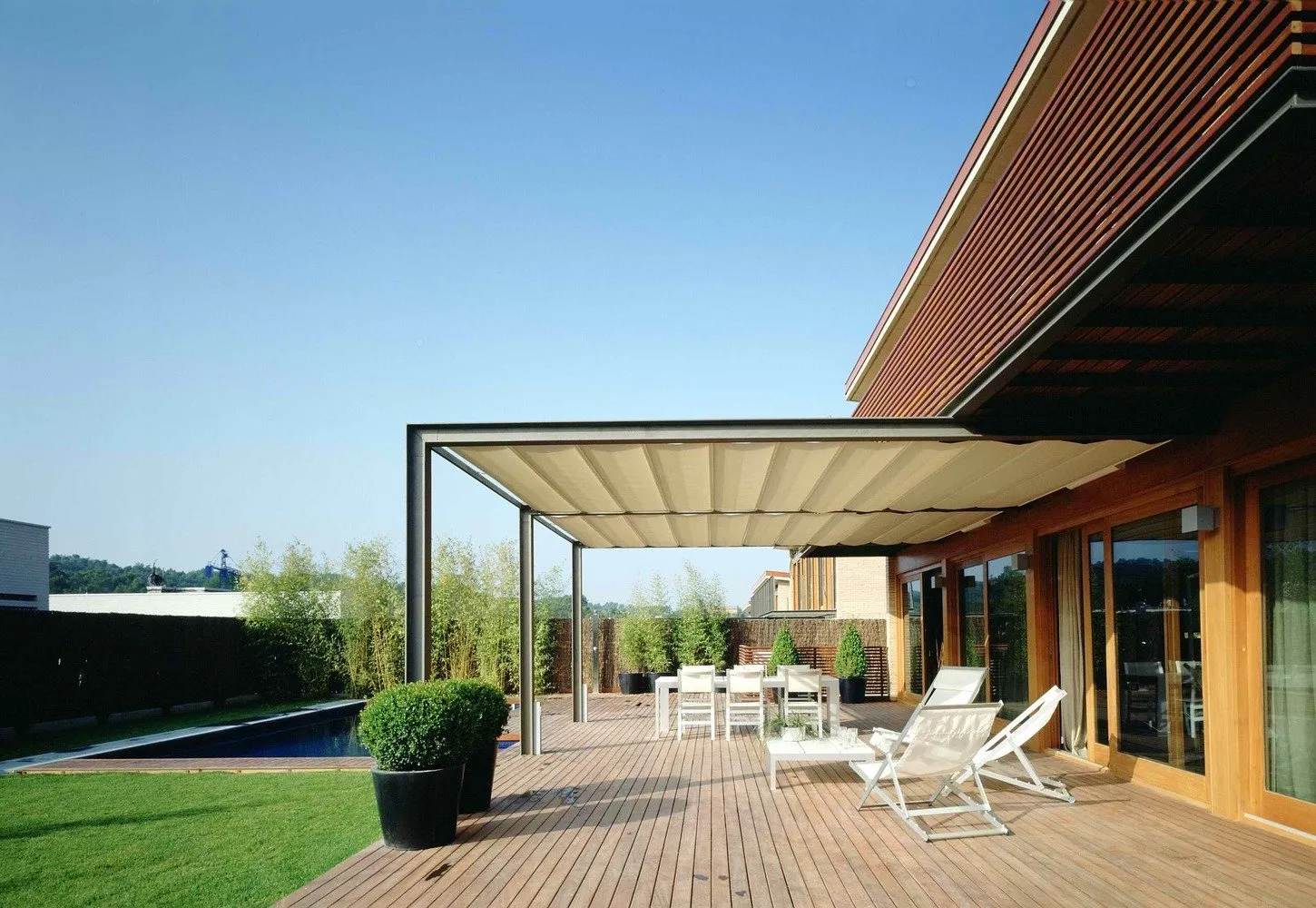
Pay attention to the installation system
For example, seamless boards require a ventilation gap between the foundation and support beams. Technological gaps in the installation of jointed material ensure faster water drainage, so it's important to understand their significance and know the operating conditions.
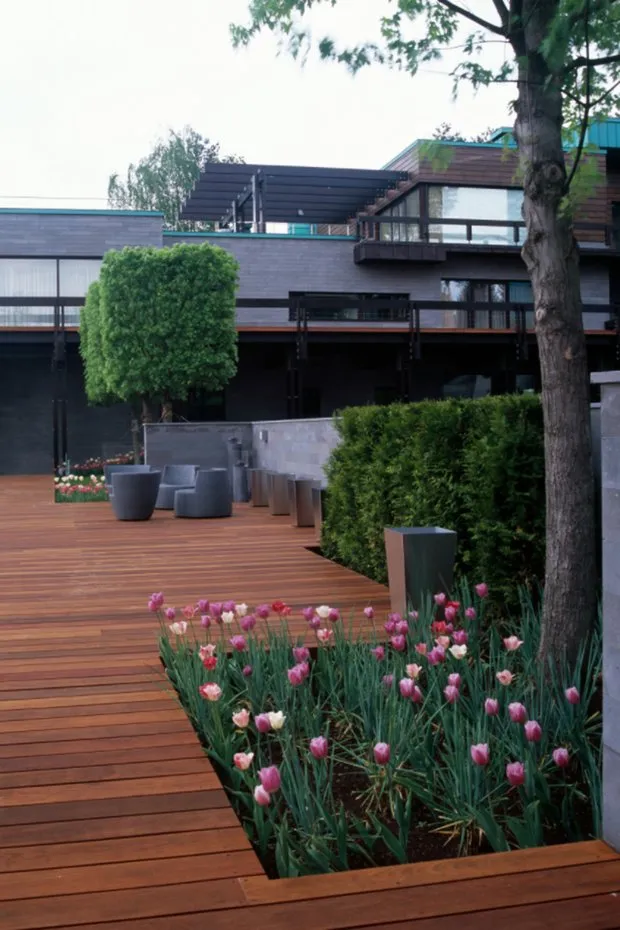
Smooth or matte? Choose the texture depending on the purpose of the surface
For a poolside area, it's better to choose boards with anti-slip properties. For classic terrace use, a smooth board is preferable as it is safer from a hygiene and sanitation perspective.