How to Beautifully Hide Radiators in a Room: Decoration Ideas
Although we may want our living space to look spacious and free of technical elements, this is unrealistic in conditions. Pipes and radiators will always be permanent residents of our homes. The difference is that modern designers and manufacturers offer dozens of ways to hide heating system elements under a beautiful "outfit" or "makeup".
Efficiency of heating and beauty: what to choose
A radiator is not a decoration element in interior design. In most cases, heating appliances need to be masked.
With today's state of the construction and finishing market, there are no obstacles: choose, buy, install any "decorations". But homeowners have strong beliefs that any obstacle on the path of heat from the radiator will significantly reduce the room temperature, cause cold feet and higher bills in utility "fees".
Heat engineers reassure: proper installation of decorative elements on the heat source can even increase the heating level!
According to interior designers, the finishing of radiators is justified by the following factors:
- decorations can hide age or defects of the heating system;
- "befriend" plumbing fixtures with the most refined interior;
- protect old, small (and four-legged) inhabitants of the house from burns;
- protect the heating element itself from unwanted impact.
Important note: clumsy attempts at self-decoration of radiators by homeowners can worsen the situation: air circulation is disrupted, aesthetic flaws become more pronounced. Contact professionals. To begin with, study how interior specialists hide radiators in the photos.
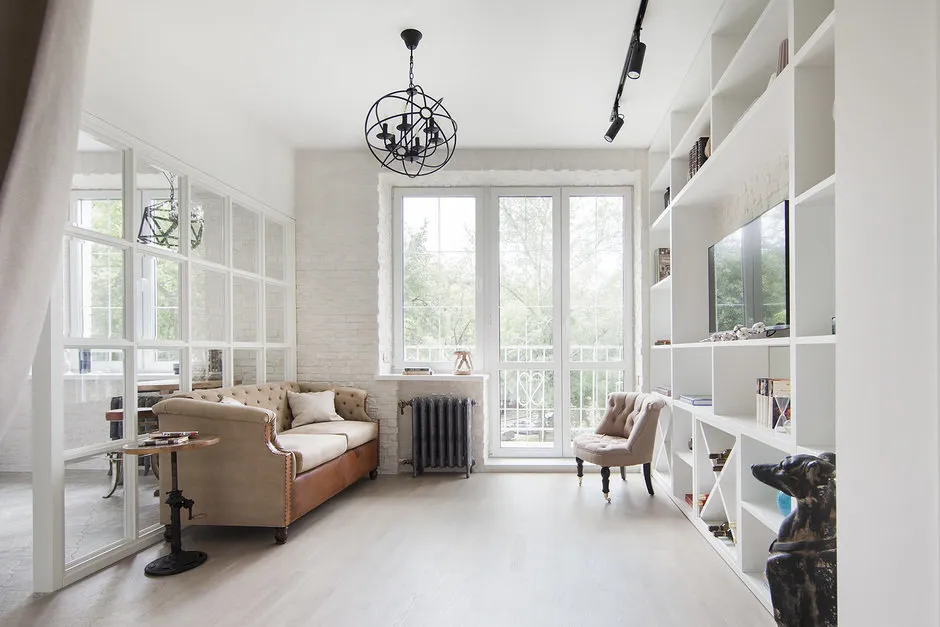
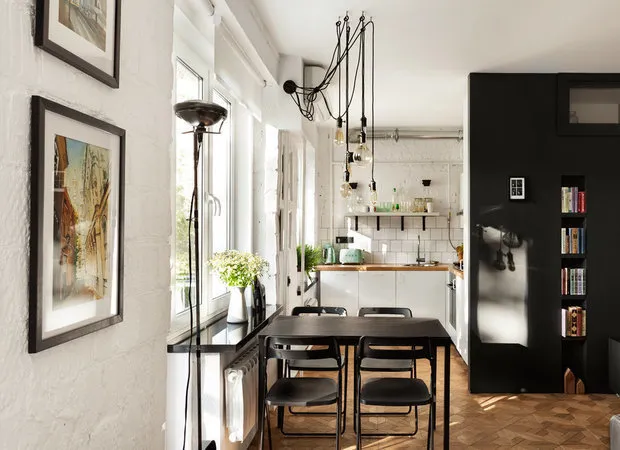
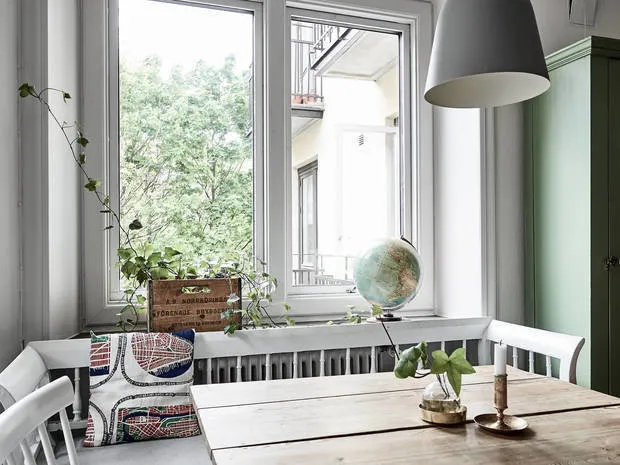
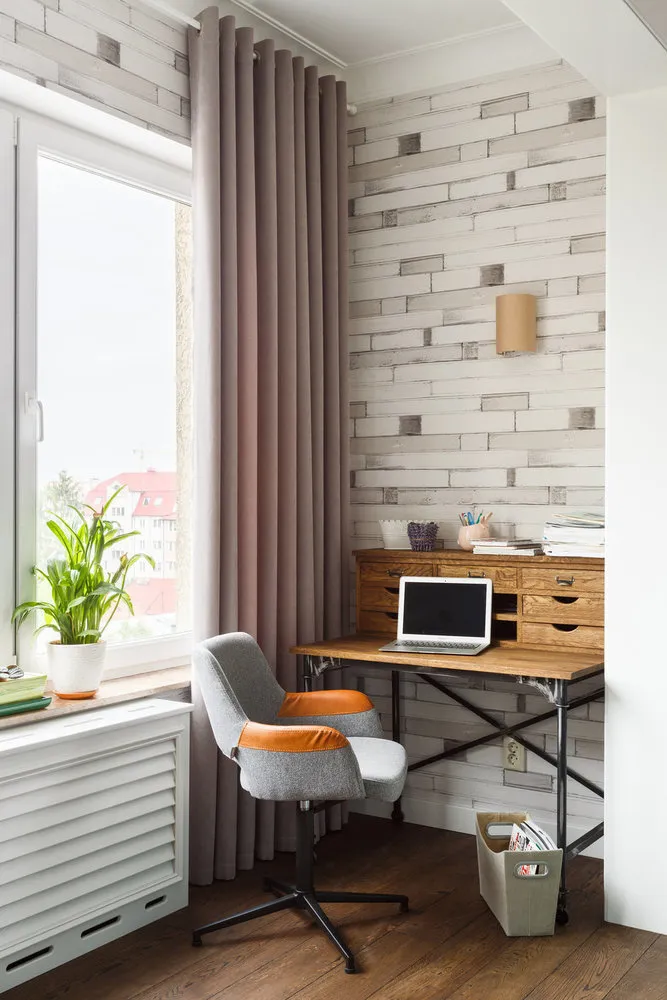 Design: Shperling Design Studio
How to Cover a Heating Device Without Reducing Heat Output
Solving this task requires recalling school physics. The main thing that radiators do in our homes is transfer temperature from the heat carrier to the room atmosphere. This happens through convection and thermal radiation.
Convection involves heating air as it passes near a hot radiator. To make the air "flow" better, the design includes special guide ribs, but they won't solve the task alone. The key in this process is free air outflow and inflow.
Returning to the textbook: when air temperature changes, it moves up and down. Therefore, there should be no covers or bottoms above and below the radiator. If the design requires a cover, it should have as many holes as possible. It's better if they occupy more than half of the surface area.
Going down to the floor. A sufficient tunnel for air passage is also needed here.
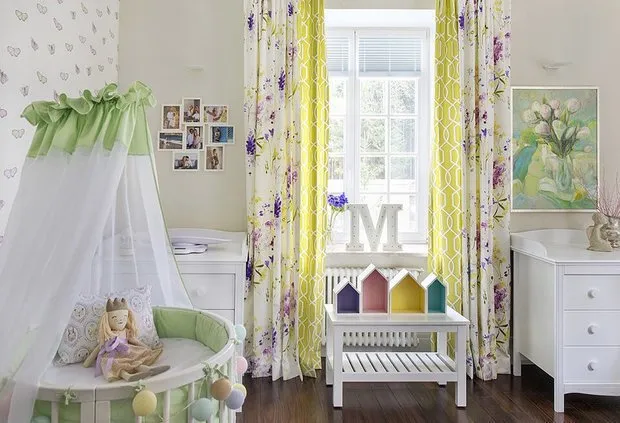
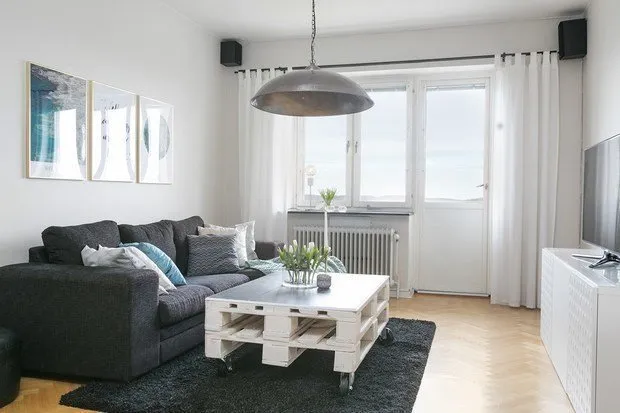
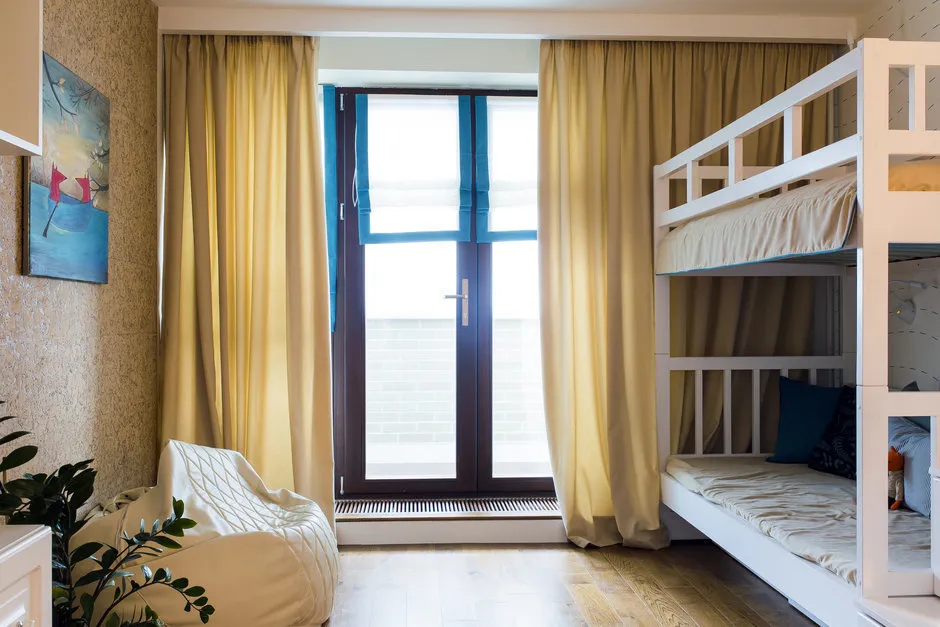 Design: Flatforfox Studio
The distance from the floor to the beginning of the decorative screen should be at least ten centimeters. These are recommendations, not SNIPs. Therefore, you can leave no gap but increase the number of holes in the vertical surface.
Extra bonus for owners of newly built or majorly renovated housing: provide a few extra sections during installation and no decorations will harm the comfortable temperature.
We have learned to preserve heat output, now let's try to increase it. Two methods are used, as effective as they are simple.
- Ordinary construction foil attached to the wall behind the radiator will reduce heat losses fivefold. A special foamed insulator with a foil layer - twenty times!
- Painting the invisible side of the screen in dark (ideally black) color will act as a heat accumulator - it will absorb heat first and then release the necessary "degrees with plus" into the room.
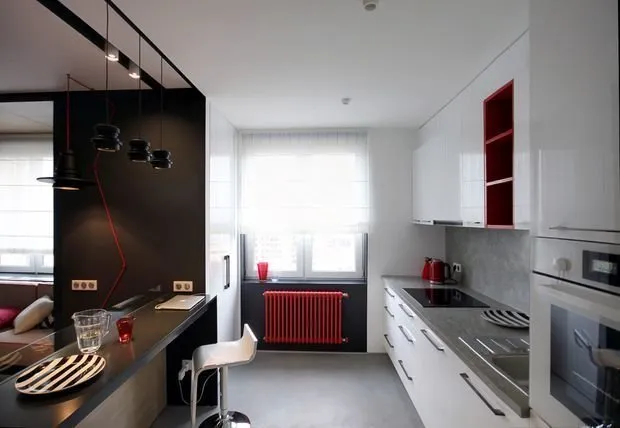
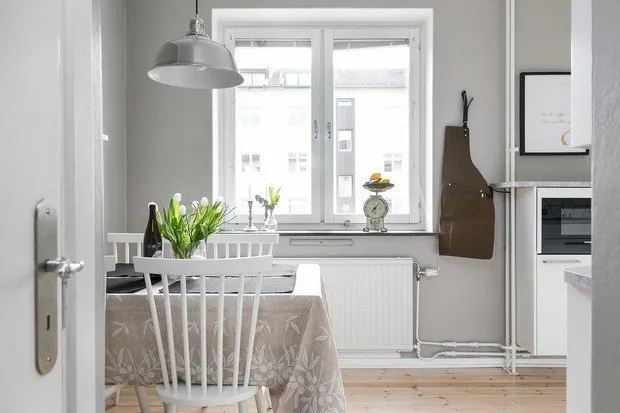
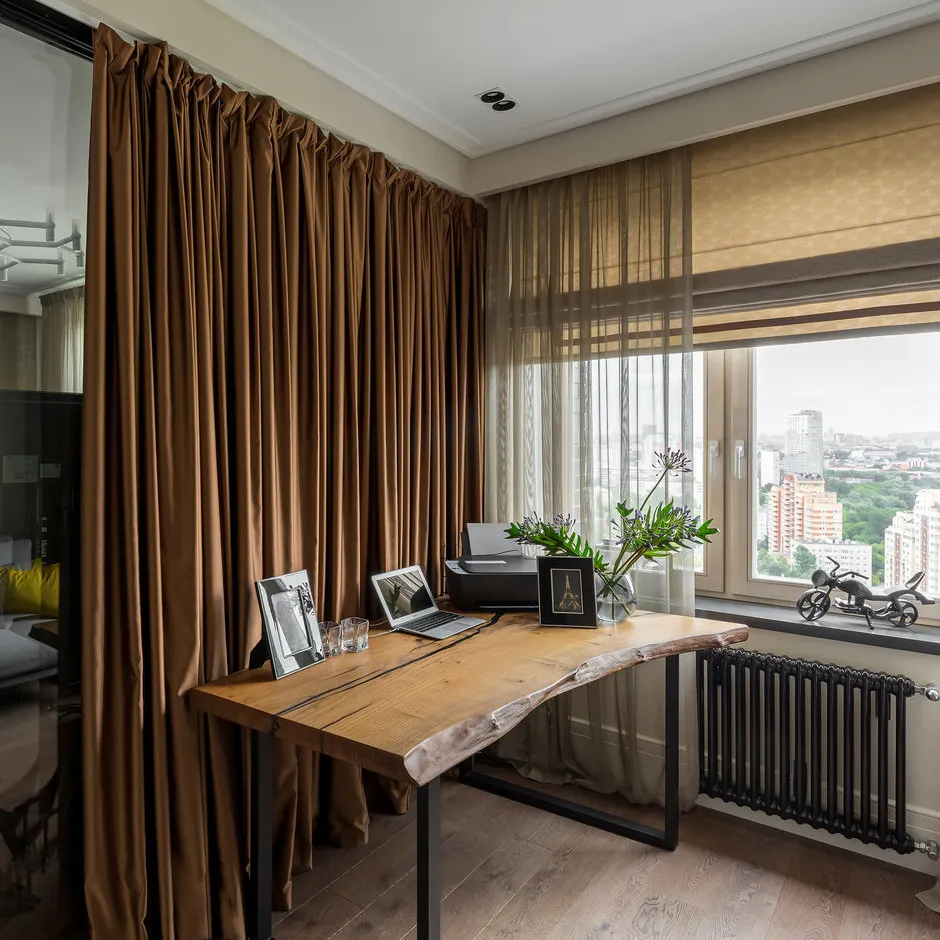 Design: Tatyana Breever
How to Cover a Radiator Without Hindering Maintenance
Careful planning and quality materials do not guarantee eternal service of the heating system. The heat carrier is technical water. Even in a kettle, where we pour filtered water, sediment forms over time - what to expect from the internals of a radiator? For this reason, pipes and radiators are flushed. When planning the future design of the radiator, provide free access to system nodes.
Another reason to compromise the screen is when the radiator itself fails. Without listing all possible malfunctions, we can say that properly planned access to the radiator will relieve you of the burden of the problem, shifting it to a professional plumber.
The decorative screen should be removable or adjustable when needed. This task should be set by the owner before an interior designer. Professionals usually find a compromise between beauty and utility.
A special case is the use of a gypsum board screen. Specialists do not advocate for this material in this context and recommend at least equipping the screen with a door made of lightweight plastic where the system nodes are located.
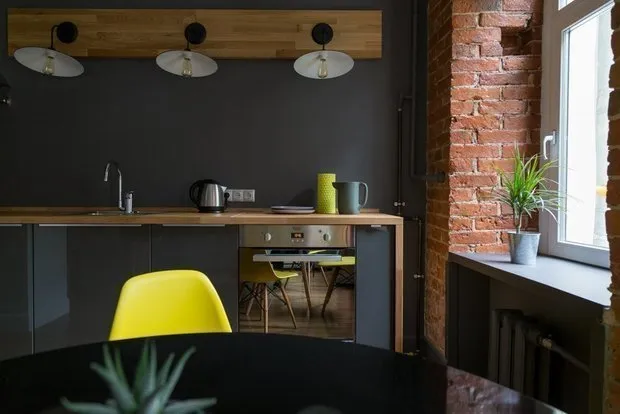
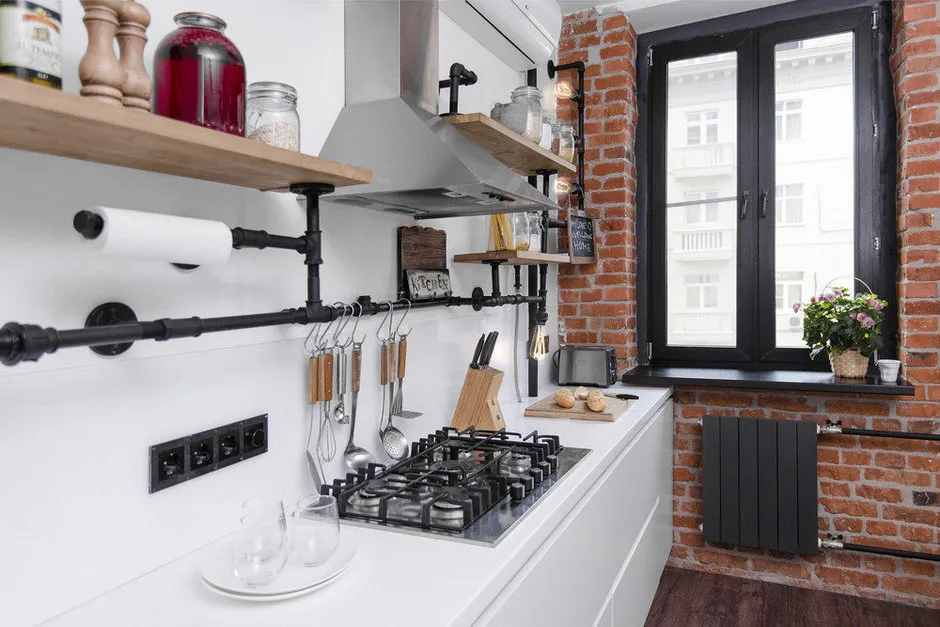 Design: Evgenia Razueva
Process of Decorating Heating Radiators
How to cover a heating radiator - an engaging but secondary question. What matters first for design is not to harm communications.
Hide the radiator - don't get lost, as it were, hiding it and disappearing... Experience of our predecessors in the design of communication will help avoid financial losses and disappointment.
- The first and main mistake is to "save" on the number of holes in the front panel of the screen (box, false wall), which leads to disruption of convection.
- Installing a box with a solid lid can be considered a misstep - heated air gets cramped above, like in a steam room, rather than warming the room.
- A solid metal casing loses a quarter of all thermal radiation and is unsuitable for fulfilling two functions.
- It's unwise to sacrifice convenience for decorativeness - refusing to use the radiator area as a bench or shelf.
- In the case of a frame, the gap between the strips should be wider than the strips themselves, otherwise the room will lose part of its deserved heat.
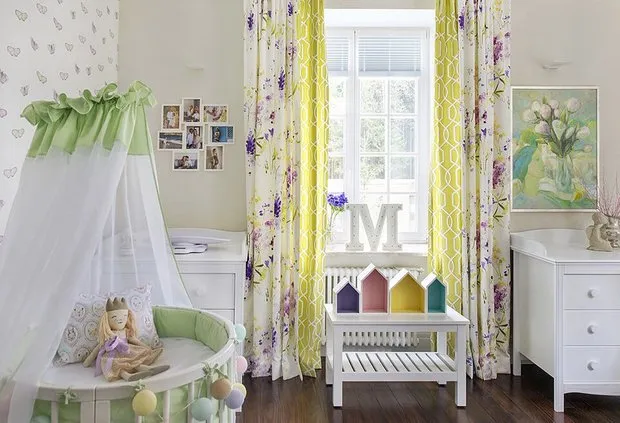 Design: Zhenya Zhudanova
Ideas for Decorating Heating Radiators
Today, interior designers have dozens of popular options for decorating radiators in their portfolios. Let's consider all of them, but first a few words about the most important: health and money. The cheapest way to hide a radiator is with a plastic panel. But not every polymer can withstand high temperatures without releasing dangerous "chemistry" into the air. Is such a saving justified if (besides expensive glass and scarce glazing!) there are many worthy and affordable ways to mask heating elements?
Painting. If your motto is: "We don't shy away from communications!" - paint and a brush are all you need to make the radiator less noticeable. If the radiator matches wall colors - perfect. Contrasting colors are left for another occasion. Choose heat-resistant paint for metal.
Painting. With this method, it's important to know the limits. Enough talent to paint radiators in a white-blue kitchen "like Gzhel" - wonderfully. If unsure, use stencils or thermal decals for decoupage.
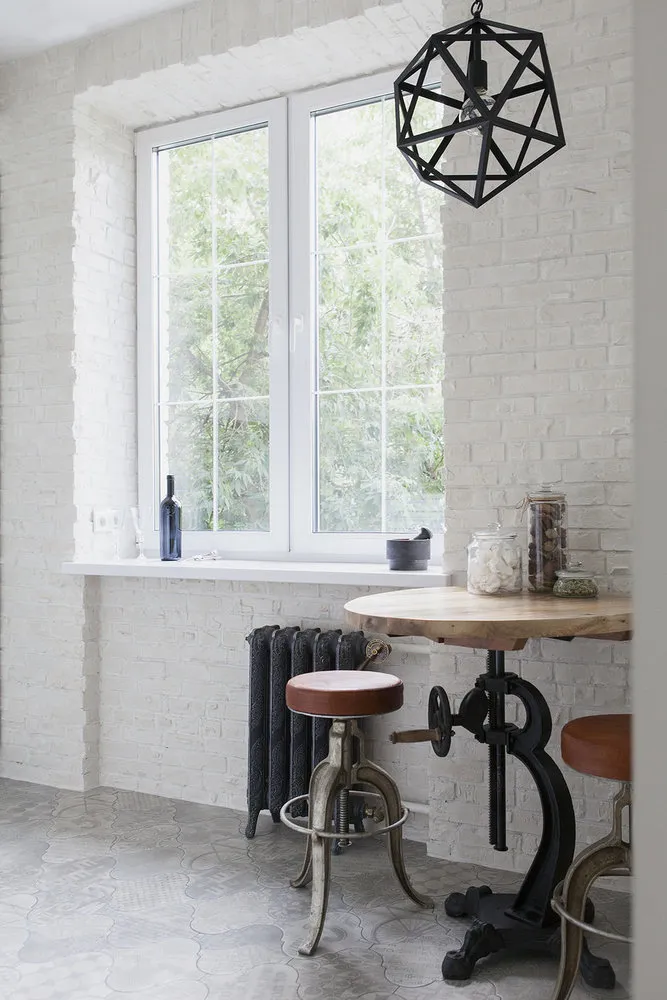 Design: Maria Dadiane
Wooden screens. A warm option in every sense. Flexible wood allows making screens with patterns that blend well with classic-style furniture. Cracks may appear over time due to drying.
MDF and particle board screens. MDF panels are cheaper than wood and more resistant to temperature fluctuations. They can be covered with veneer or laminated. When buying, don't confuse them with particle board panels that use harmful formaldehyde in production.
Box screens. Good because they can become a separate piece of furniture, saving space in a small room. In a children's room, the box screen easily transforms into a toy shelf, in an office - into bookshelves.
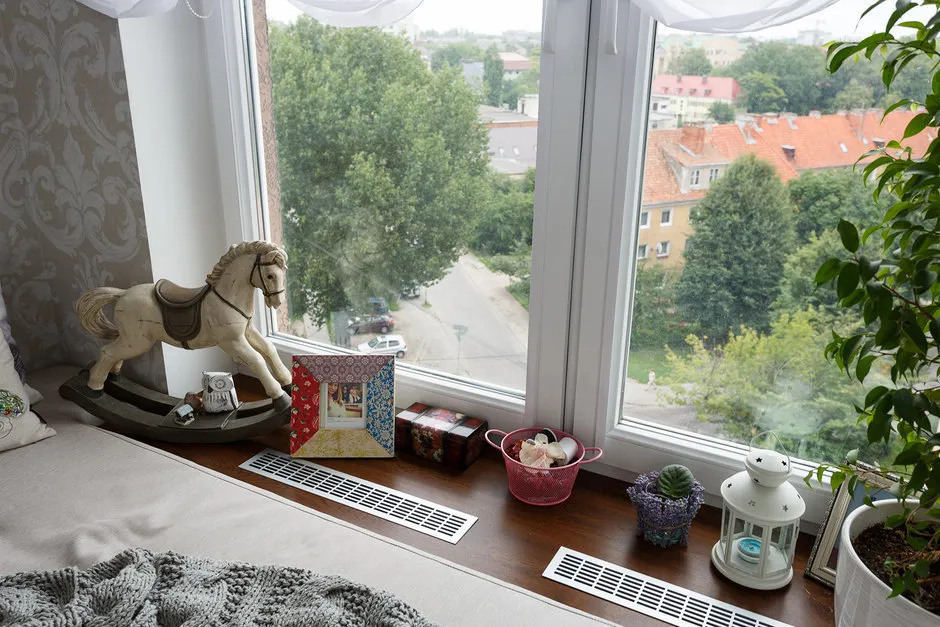 Design: Shperling Design Studio
Glass screens. A modern and safe option. Glass coating with photo printing makes the interior more contemporary, and glazing - more fairy-tale. Fear should not be of glass fragility but the price of the item.
Mounted screens. This (often metal) variant is good for simple installation, free air convection, and quick heating. It can be matched to any interior style, whether made of cast iron or stainless steel.
Plastic grills. Good news for those with limited funds: plastic is available that withstands high temperatures. Carefully study the documentation when purchasing. But it's better to use such panels and grills in bathrooms and toilets.
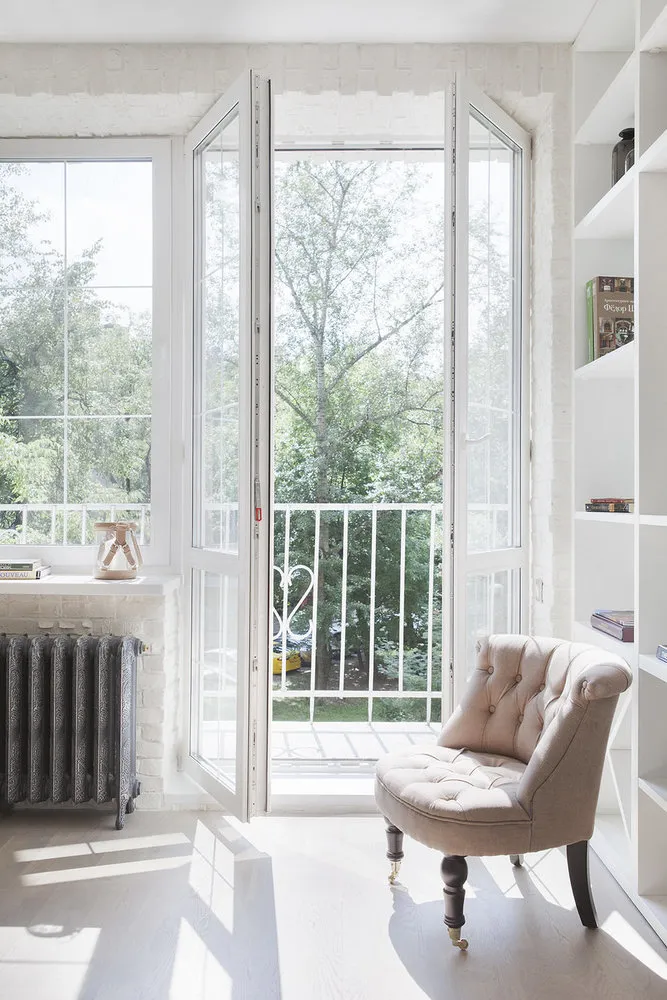
False wall with a niche for the radiator. A radiator protruding beyond the windowsill is a direct indication to create a false wall. It will take more space, but you can fantasize, for example, build a false fireplace that actually gives heat.
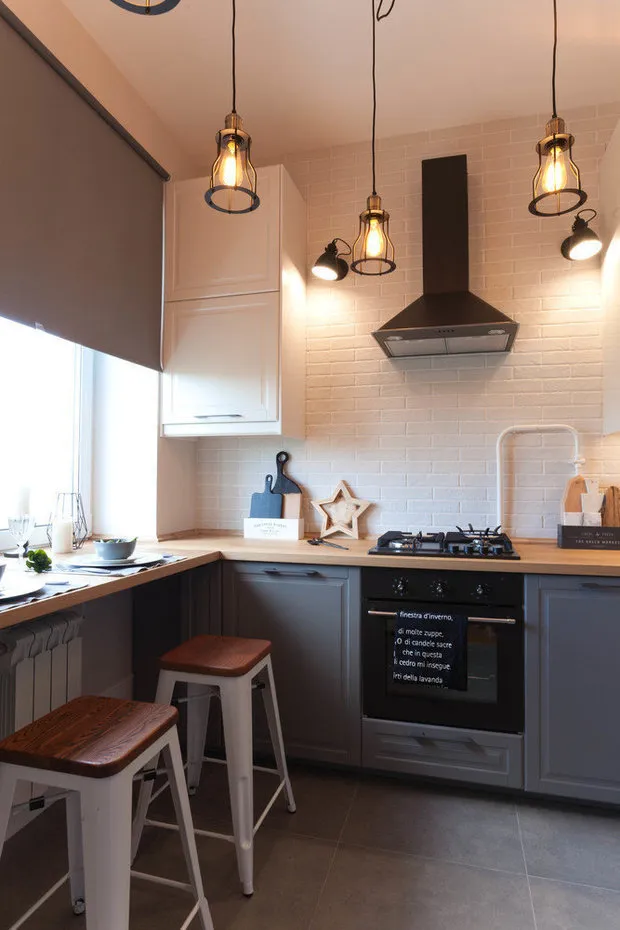 Design: Anna Sukhaya
How to Decorate Heating Pipes
In recent years, engineering solutions for living spaces have become more friendly to apartment owners. Now in new buildings, heating pipes can be almost invisible. Unlike older buildings where heating structures proudly jut out from all corners, not hesitating to reveal their simple appearance.
Since not everyone can (and wants) move to new buildings, you must plan how to decorate heating pipes so they match the style, color scheme, and overall design of the room.
Technically, it is not as difficult or risky to implement a "decorative revolution" in pipes as with radiators.
There are several affordable and time-saving ways to hide or decorate vertical supports. The pipe can be:
hidden behind a cabinet or other tall furniture;
covered with curtains (in certain interiors - rugs);
just painted (for complete "mimicry" - in wall tone);
not just painted (in "birch" or "bamboo").
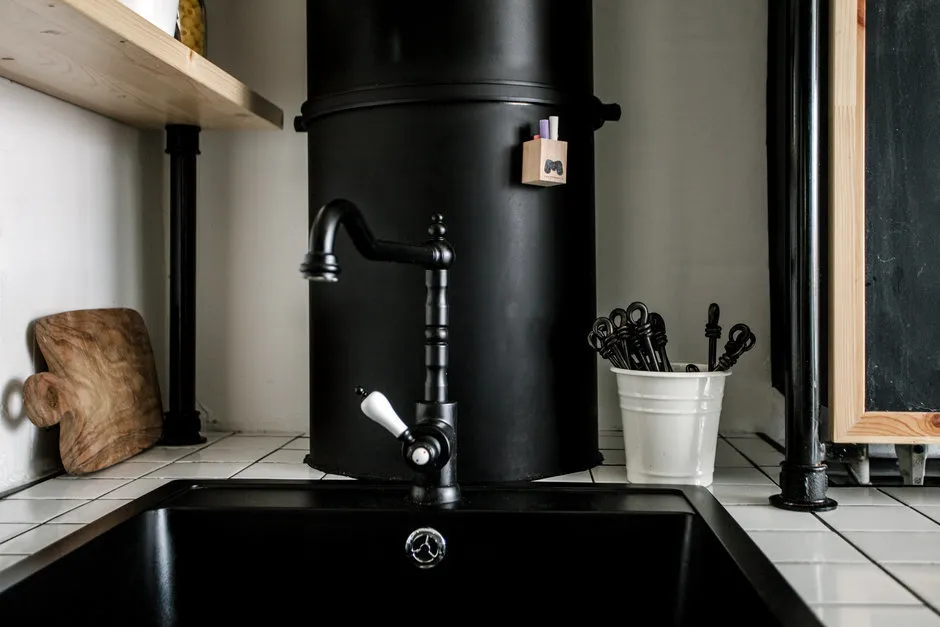 Design: Architect Boris Denisюk
A more labor-intensive option is to hide pipes behind a specially made decorative box. Materials used include: parquet boards, laminate, gypsum board (most often), PVC panels (cautiously!), or MDF sheets.
Gypsum board is called a "material for all" by finishers. It allows creating structures of any configuration and easily decorates them with paint or covering.
Jute (hemp, bark, any natural material) rope will beautifully decorate a room in the country style. This approach slightly reduces heat output, but for example, on the kitchen it's not as important.
Glazing inserts in a special structure will turn an unattractive corner with pipes into a work of applied art, adding color to the room.
Some unconventional ideas:
A cabin in a nautical style will be decorated with pipes wrapped in rope.
In a "tropical" living room, bamboo pipes (split lengthwise) can be worn on the uprights.
On a kitchen or in a child's room, pipe trees (changing leaf color by season!) would be appropriate.
A temporary variant, found only in winter - a Christmas tree can be placed near the pipe! (Just not too close, otherwise the needles will shed before the end of the holidays).
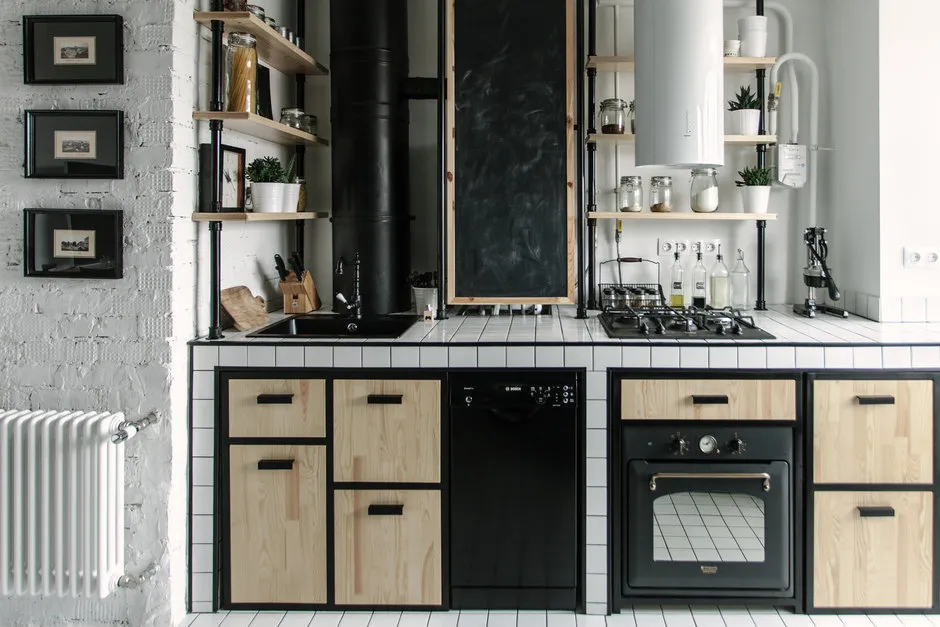 Design: Architect Boris Denisюk
The above-mentioned options for hiding radiators should be sufficient for the most demanding homeowners. If you want something unprecedented - contact professionals. An exclusive design variant will be created specifically for your apartment.
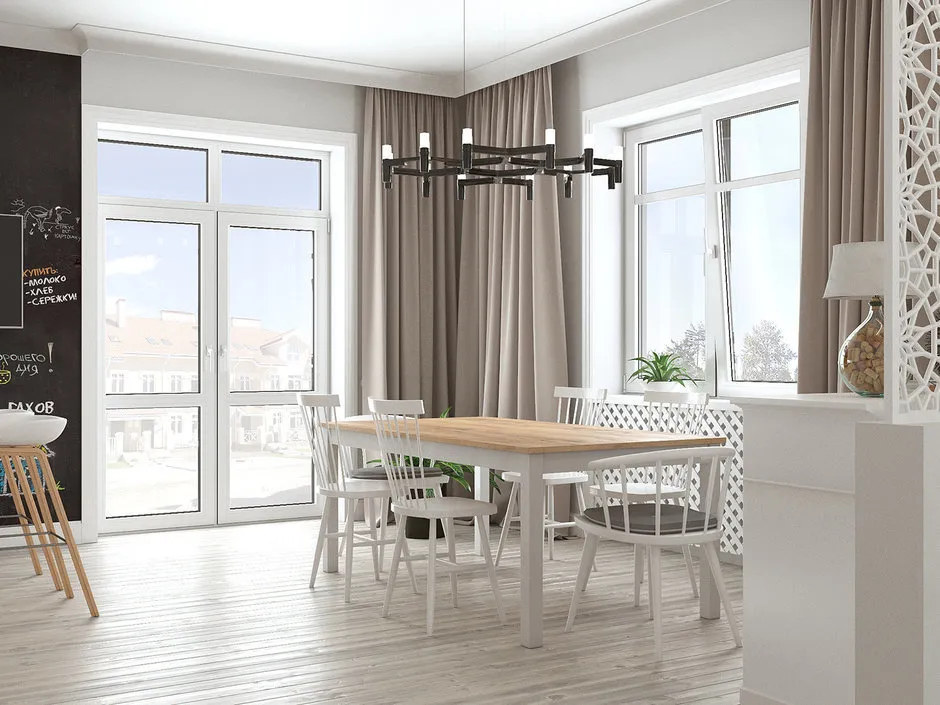 Design: Anna and Daniil Shepanovich, Subiq Studio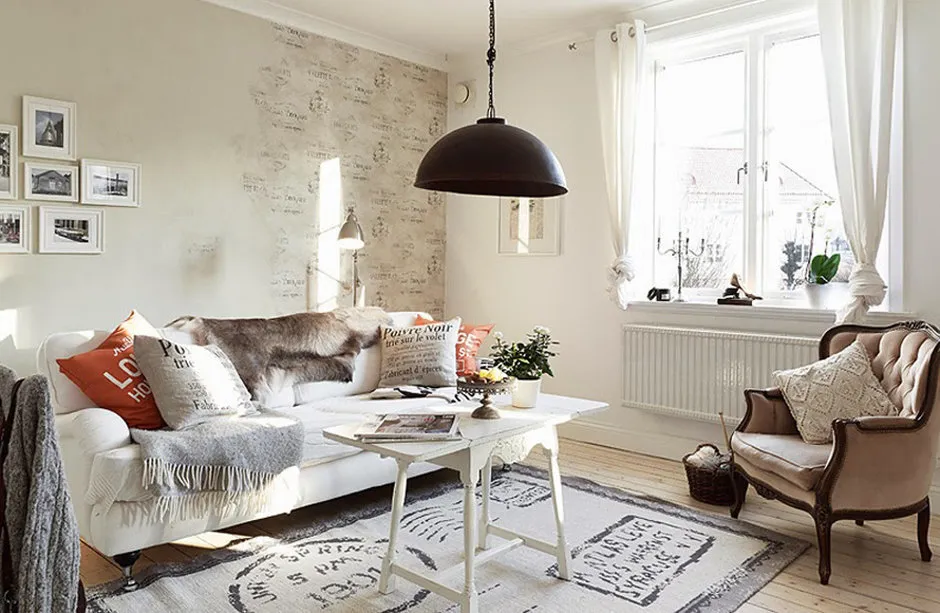
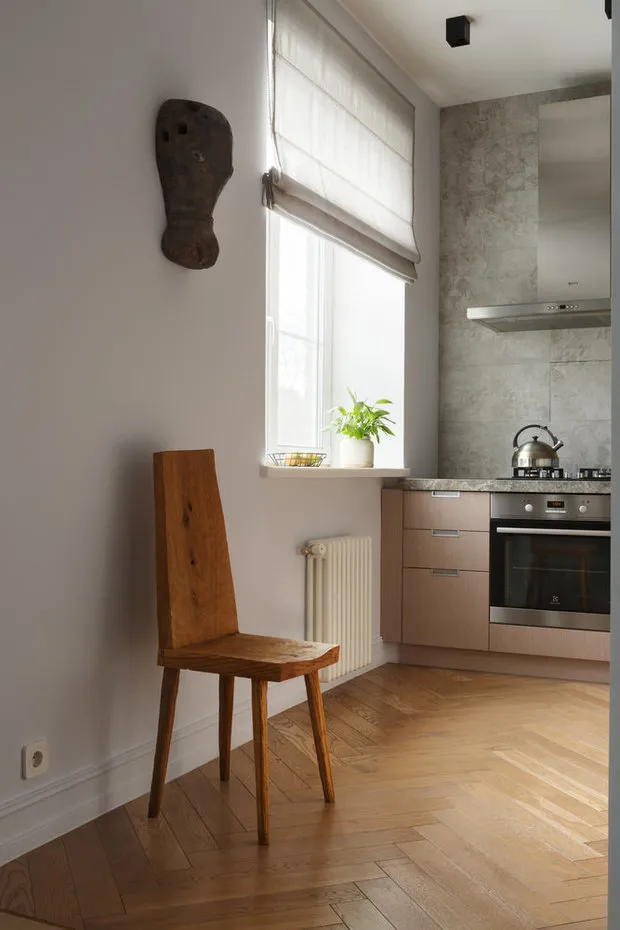
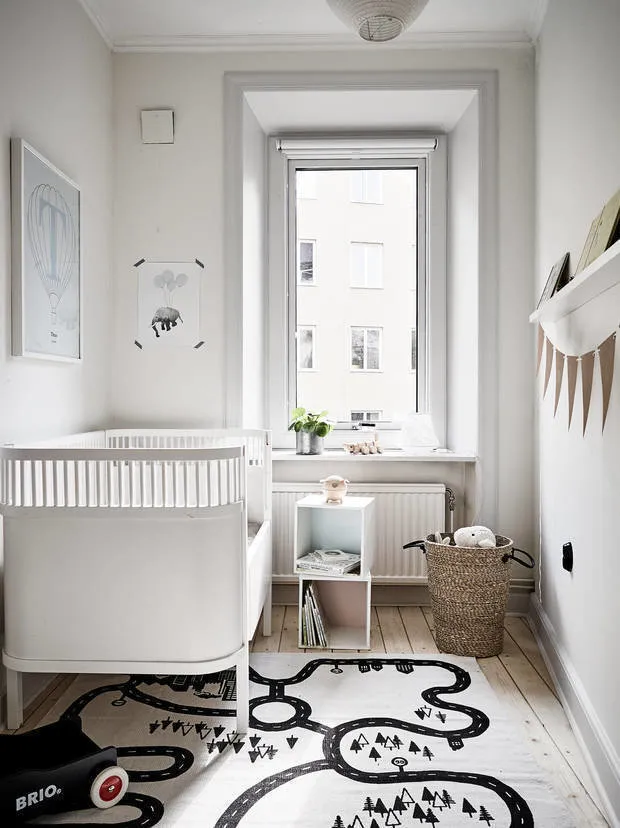
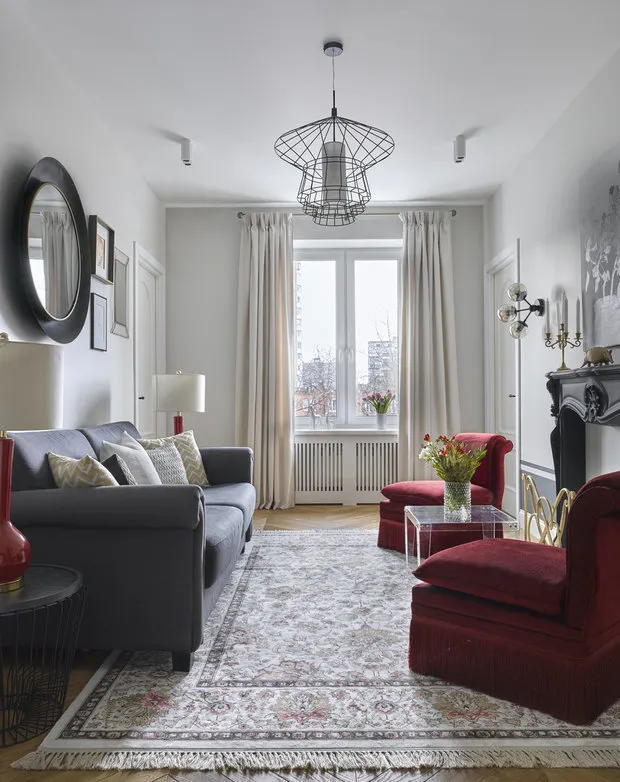
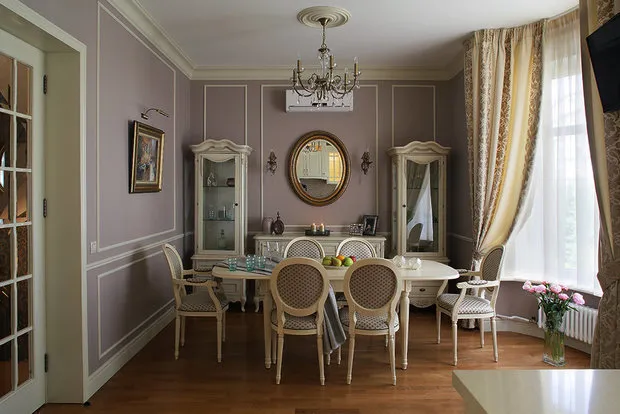
On the cover is a design project by Inna Velichko.