There can be your advertisement
300x150
Living Room Design: 5 Secrets of Comfortable Layout
How to combine the living room with the kitchen? How to properly arrange furniture and create a comfortable and cozy space for all family members? You will find the answers to these and other questions in this article.
The living room area is one of the most important parts of interior design. However, we often encounter problems with its arrangement and a whole set of questions arise in our minds: should the living room be combined with the kitchen, and is it possible to do so? How to properly arrange furniture, create a harmonious space, and ensure comfortable conditions for all family members – we explain today.
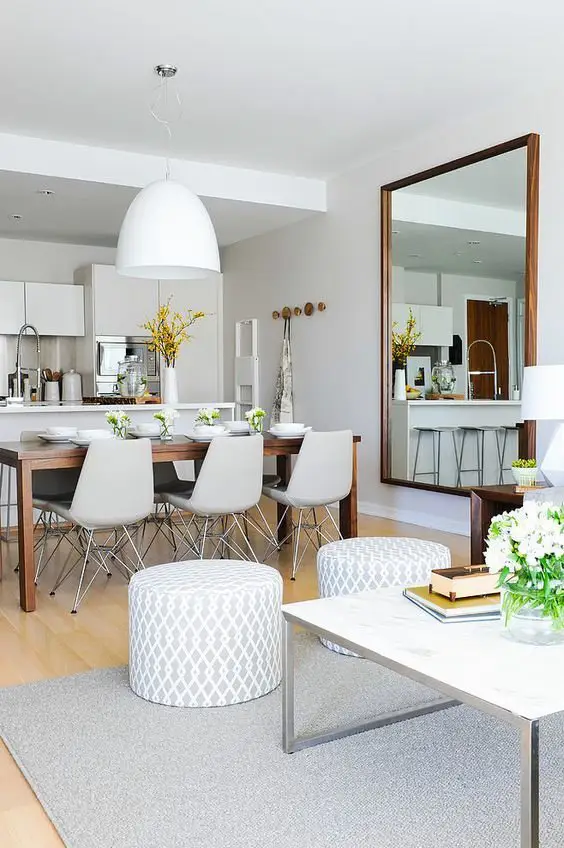
1. Should the Kitchen Be Combined with the Living Room?
To make the right decision, first find out whether such a reconfiguration is possible in your apartment?
The matter is that there are several restrictions according to SNIPs and GOSTs related to combining the living room with the kitchen:
- If you have to break a load-bearing wall, such a layout is practically impossible to approve; at best, you can agree on an opening from the kitchen to the living room. If your kitchen has a gas stove and a gas riser, then according to norms, the kitchen must be enclosed and have a partition. In this case, you can install a glass folding partition and enjoy life in a large combined living room-kitchen.
If there are no issues with approval and you have the opportunity to combine two zones, go ahead! This will visually increase the area of your rooms. As we all know, free space and time are our most precious treasures today.
Most likely, you may have a logical question: what about odors? When cooking, smells will spread to the living room. The best thing you can do is invest in a powerful exhaust fan.
2. How to Arrange Furniture in the Living Room?
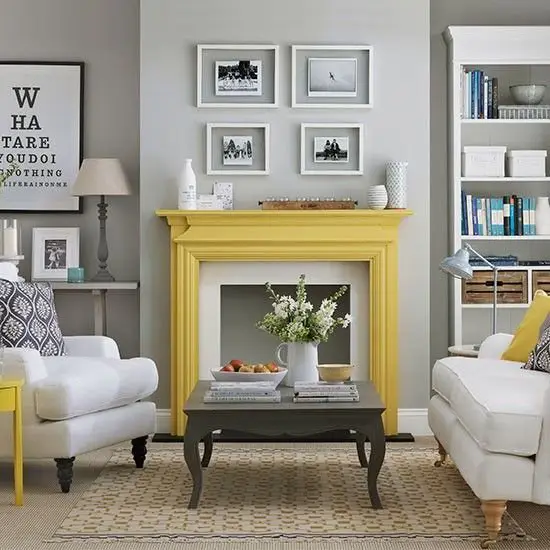
Before starting to arrange furniture, determine the center around which all furniture items will be arranged. Keep in mind that the «center» doesn't have to be the center of the room. In Russia, for example, the TV is often the central element in a living room. If your living room is a place for conversation by the fireplace, then that should be the center.
3. How to Mount a TV?
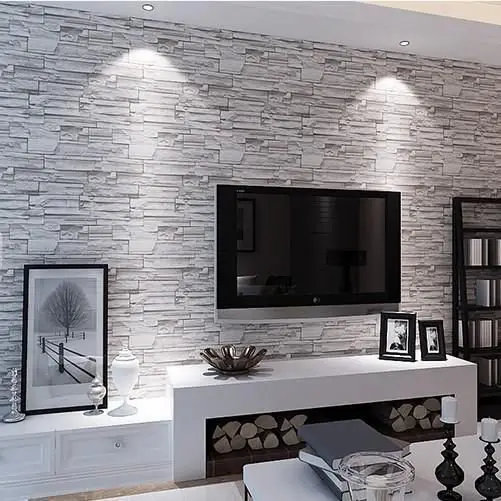
If you have chosen the TV as your compositional center, below you will find several effective tips for its placement.
- It's best not to place the TV in a passage. Think about how you and your spouse will move around the room (draw arrows on the plan) and see if anyone will be blocking the view. Do not mount the TV opposite a window – otherwise, you'll encounter problems with glare. On the south side, there is a lot of sunlight and light, which can play a cruel joke on your TV viewing experience. Of course, if there's no other option, the problem is solved with curtains or blinds. If you're hanging a TV or placing a projector, plan how high the screen will be positioned. If you mount the TV too high, you'll have to watch it with your head tilted back, which is quite uncomfortable, as you agree.
4. What Shape Should the Sofa Be?
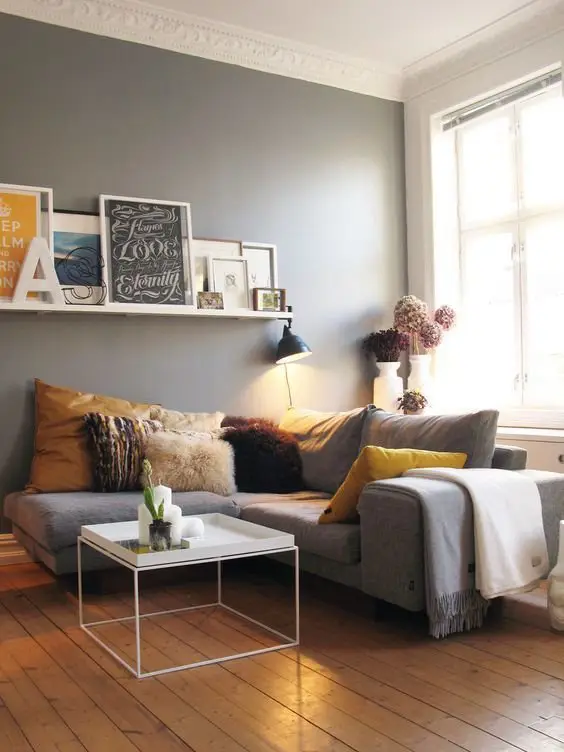
In reality, there are many options — you can choose a straight, corner, or L-shaped sofa. First of all, answer yourself: what is your goal? To seat as many guests as possible or perhaps watch TV comfortably?
Let your imagination guide you. Imagine what processes will take place in the room. What will you be doing when guests come, where will you seat them? How do you picture watching TV, reading a book, or working on a laptop?
What shape to choose for the sofa is only a matter of your lifestyle and how you interact with the interior. Analyze all the information and combine it with room capabilities and space, then make a decision.
5. How to Hide Storage Units in the Living Room?
Usually, a lot needs to be stored in the living room. But how do you not clutter the space with wardrobes and want to remove everything that distracts from relaxing and resting your eyes? There are two effective methods.
1. If the room is elongated, use the smaller wall for storage. By occupying the entire wall (with shelves, wardrobes, or a wardrobe), you make the space more square and balanced.
If you place wardrobes as separate elements, each one will be perceived as furniture that takes up precious space in the living room. But if you use storage systems from floor to ceiling — visually, it will appear as a wall inside which something is stored (a niche). The room remains spacious and free of unnecessary furniture.
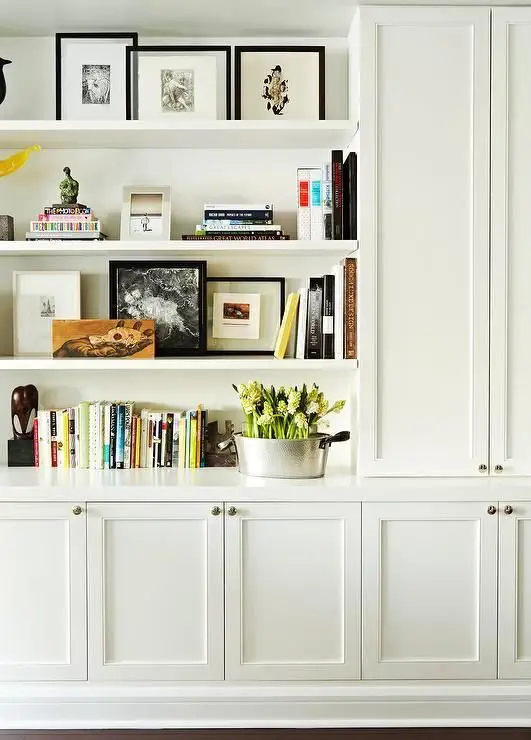
2. The second interesting approach is to hide the wardrobes. Build a column in the center of the wall where you can place the compositional center (fireplace, mirror, TV). On both sides, niches form that can be used to mask the wardrobes. Although we are actually reducing room space, visually the room appears free and uncluttered, with nothing unnecessary: it's spacious and nothing hinders.

More articles:
 How to Repair the Kitchen Without Going into Debt: 9 Useful Tips
 Summer Season Garden: How to Furnish a Wooden Cabin with a Summer Terrace
 Preparing Your Garden Plot for the New Season: 7 Simple Steps
 7 Signs of Coziness: Check Your Interior
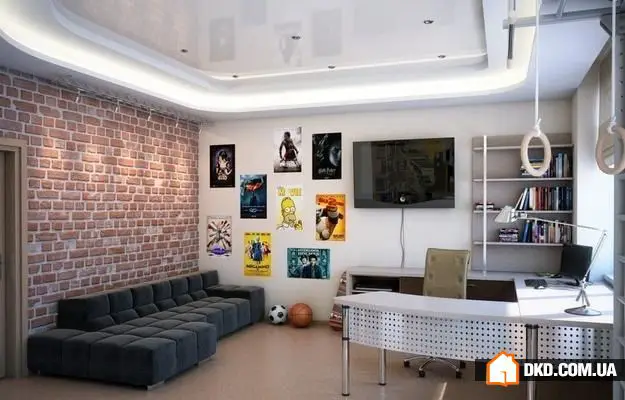 Should You Install a Multi-Level Ceiling in Your Apartment: Pros and Cons
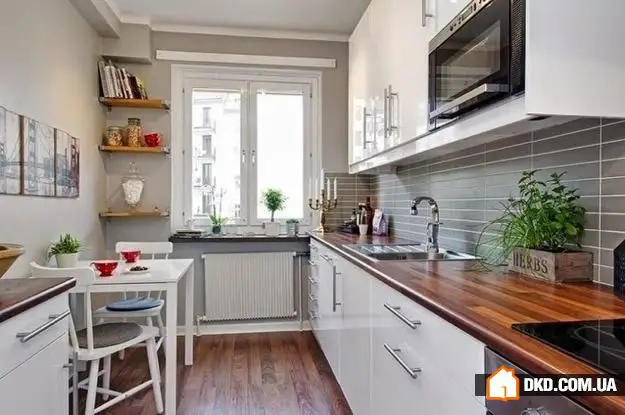 4 Layout Options for a Narrow Rectangular Kitchen
 Choosing a Sink for the Bathroom: 7 Options from Different Materials
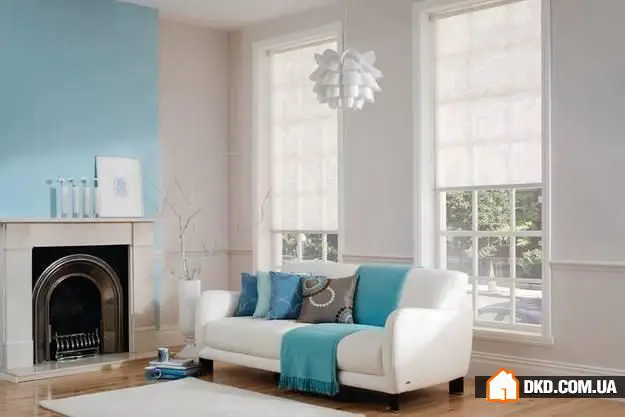 Without Curtains: 10 Original Ideas for Window Decoration