Parquet Sanding
Especially if it's a beautiful parquet floor.
Natural parquet has long ceased to be an affordable flooring option and is increasingly considered exclusive. This is undoubtedly due to the constantly rising cost of natural finishing materials and installation work. If a client has decided to spend a significant amount on laying parquet or parquet boards in a home or apartment, then regular maintenance and care of this beautiful floor covering is absolutely essential.
One of the most complex, dusty, and critical operations possible on natural parquet is sanding. This must be performed by highly skilled specialists, as the quality of sanding and the equipment used directly determine the final appearance of the entire floor. So, how exactly is parquet sanding carried out?
Simply Explained: Parquet Sanding
First, it should be noted that the purpose of sanding as a standard, scheduled procedure on parquet is to remove the top layer of wood along with any scratches that may have formed during floor usage and remnants of old varnish. In traditional terms, sanding is most similar to planing.
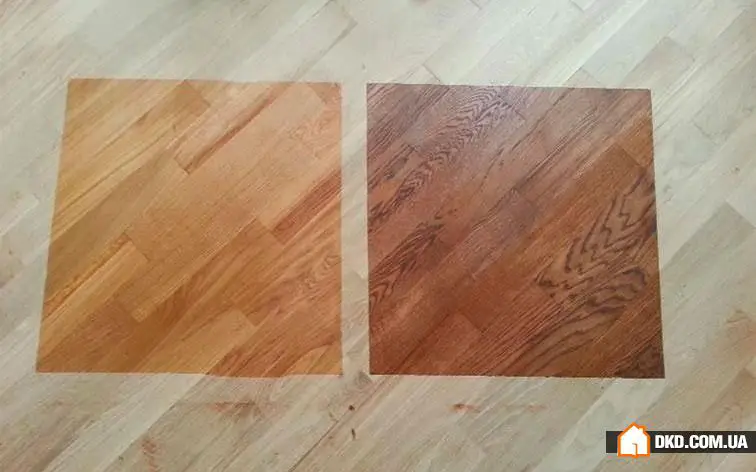
Sanding is a necessary step in preparing the parquet floor for the application of a final varnish layer. It is during sanding that the floor’s surface is finally leveled, the natural wood texture is enhanced and emphasized, and the pattern of wood fibers is refined. An experienced sanding specialist, using various types of equipment and sanding techniques, can transform the same parquet board into two, or even three, entirely different floor finishes.
The sanding process varies depending on the type of parquet material: softer wood species require gentler machine settings, while harder and denser woods require more aggressive sanding modes.
The recommended maximum number of sanding operations on the same parquet is five times for boards with a thickness of 15 mm or more, and three times for thinner parquet (up to 8 mm).
Hand or Machine?
Parquet can be sanded by hand using ordinary sandpaper. This process is extremely labor-intensive and highly sensitive—any slight deviation in the direction of sanding will damage one or more boards, as the parquet pattern will immediately change.
As an alternative, machine sanding offers a simpler, faster, and less labor-intensive solution. The only drawback is the high cost of the sanding machine itself—buying one just for a single home or apartment is economically impractical.
The most practical options for machine sanding are either hiring a specialist who brings their own equipment, or renting a sanding machine with a deposit equal to its full value. The cost of parquet sanding varies significantly and depends primarily on the floor’s initial condition and the parquet grade: higher-grade parquet results in more expensive work.
Tools and Techniques for Sanding
The principle of manual sanding resembles that of a planer: a wooden handle with a rigidly fixed blade. Blade widths vary, but 4–6 cm is considered most convenient. A narrower blade slows down the process due to reduced efficiency, while a wider one becomes harder to handle.
To ease manual sanding, it is recommended to lightly dampen the floor with water beforehand. Once absorbed into the wood, water helps loosen the top fibers, increasing sanding speed. The sanding process itself should be done with back-and-forth motions along the wood grain, applying even pressure to avoid height differences caused by uneven material removal.
After sanding, the parquet must be polished. This can be done using a sanding machine, an electric floor polisher (like those used in hotels), or by attaching sandpaper cut to the correct size to its rotating disks. However, the simplest and most effective tool for parquet polishing remains the master’s feet. A piece of sandpaper is attached to the sole using ordinary rubber glue. Polishing with feet is very convenient—your full body weight presses down on the surface, greatly increasing work efficiency.