Urban Cottage Design by CoLab Architecture in Christchurch, New Zealand
Project: Urban Cottage Design
Architects: CoLab Architecture
Location: Christchurch, New Zealand
Area: 861 sq ft
Project: Urban Cottage Design
Architects: CoLab Architecture
Location: Christchurch, New Zealand
Area: 861 sq ft
Photography by: Steven Goodwin
Urban Cottage Design by CoLab Architecture
The 'Urban Cottage Design' project is an impressive interpretation of cottage design by CoLab Architecture. Located in central Christchurch, New Zealand, it offers approximately 860 square feet of living space. The building is constructed using basic materials with the concept of creating a small, modern detached cottage for a young family.
The idea of the 'Urban Cottage Design' emerged from the shared interest of the architect and client in historical worker cottages of colonial times, as well as an appreciation for their charm and scale within the existing urban context of Central Christchurch. Traditionally, such buildings were small in scale but rich in volume, constructed using basic materials available at the time. The design process developed this idea to create a small modern detached home suitable for a young professional family. Unlike its historical predecessor, it is oriented towards the sun from the north and open to external connections—a house that speaks of its colonial references while adapting to its Pacific environment. Additionally, it must be sturdy (due to high seismic activity in the Canterbury region), cleanly linear, and economical in construction.
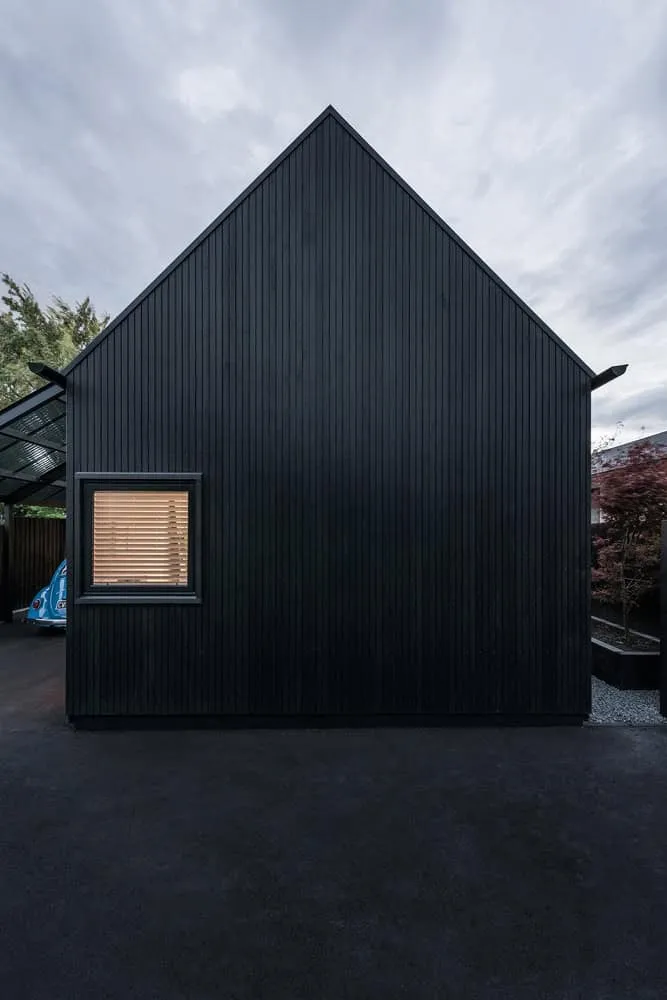
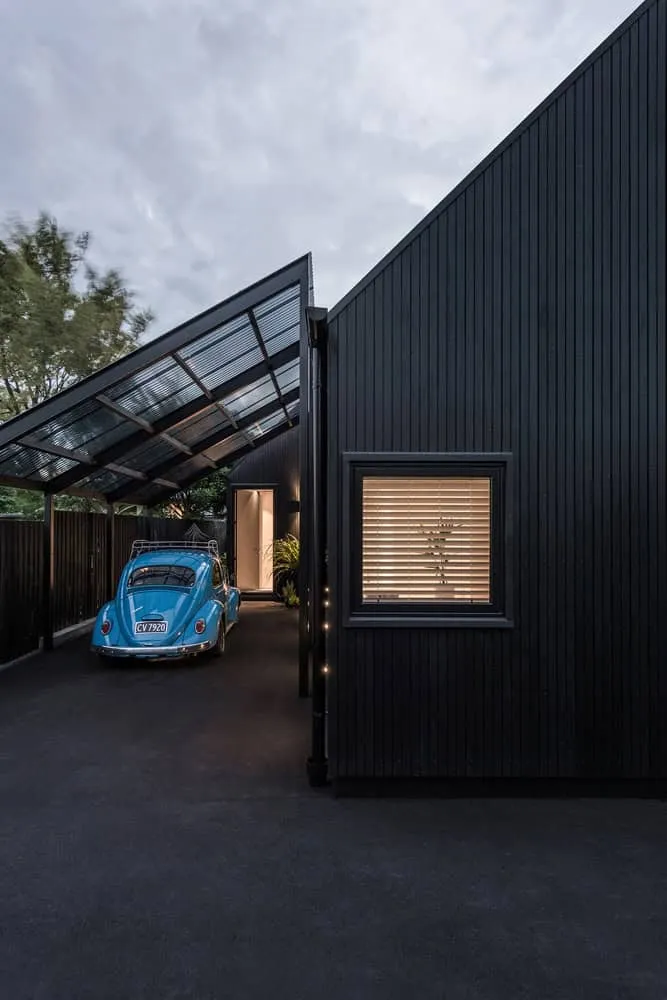
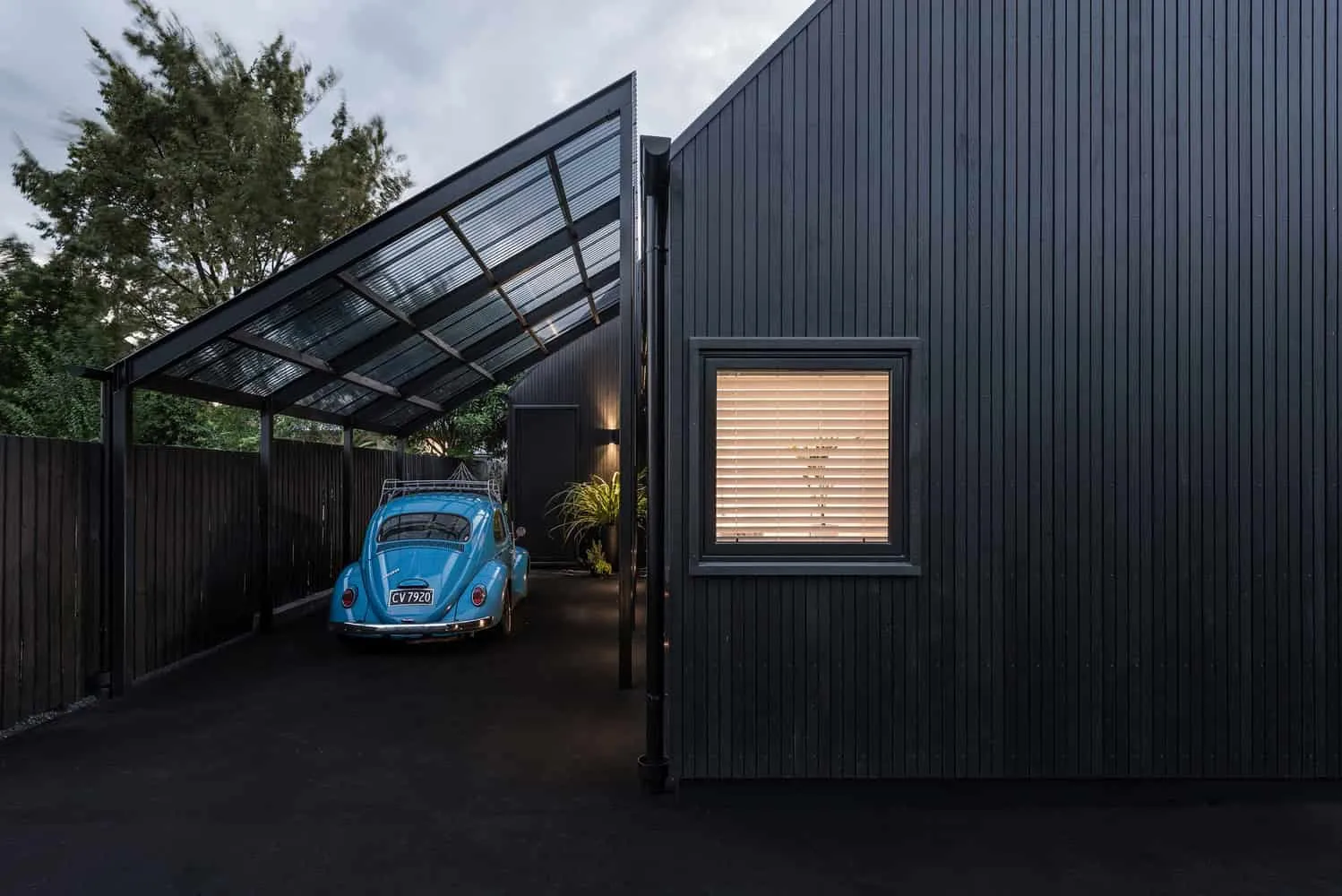
The driving force was a small lot measuring 20 meters long and 10 meters wide. The traditional rectangular plan of a worker's cottage was divided in half and rotated to form a rectangular layout. These two forms were further offset to accommodate car parking to the south and an open relaxation area to the north, ensuring access to sunlight throughout the day for main living areas. The 'back of the house' canopy, characteristic of many historical cottages, was raised and enclosed with a semi-transparent roof to create shelter for parking and covered pedestrian entrance while allowing sunlight to pass through.
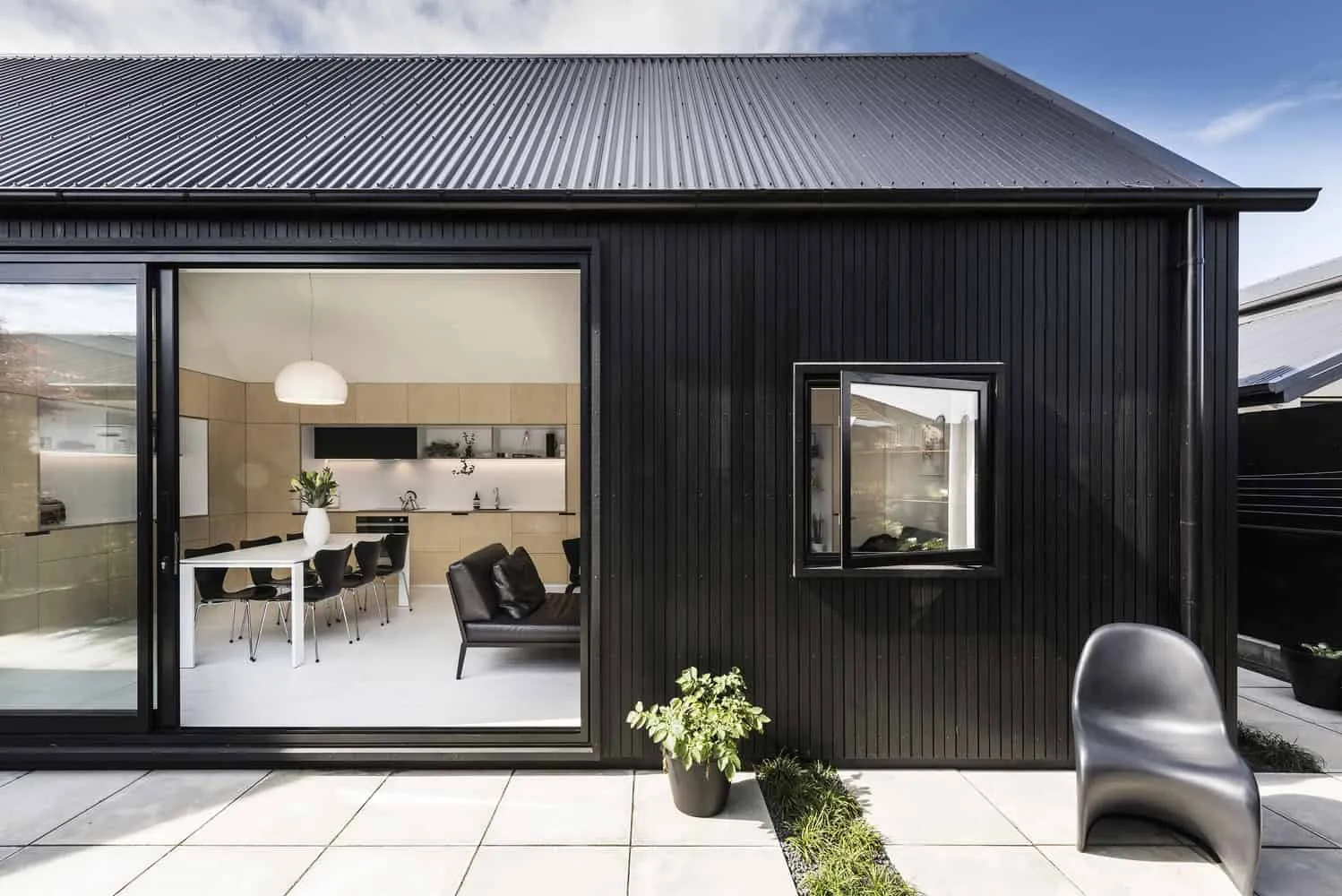
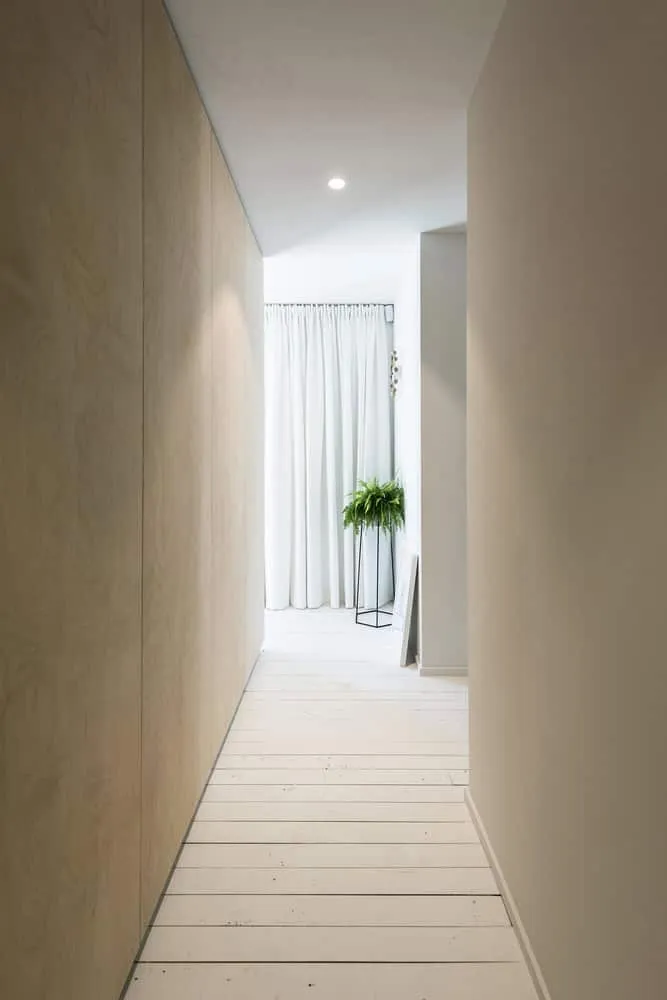
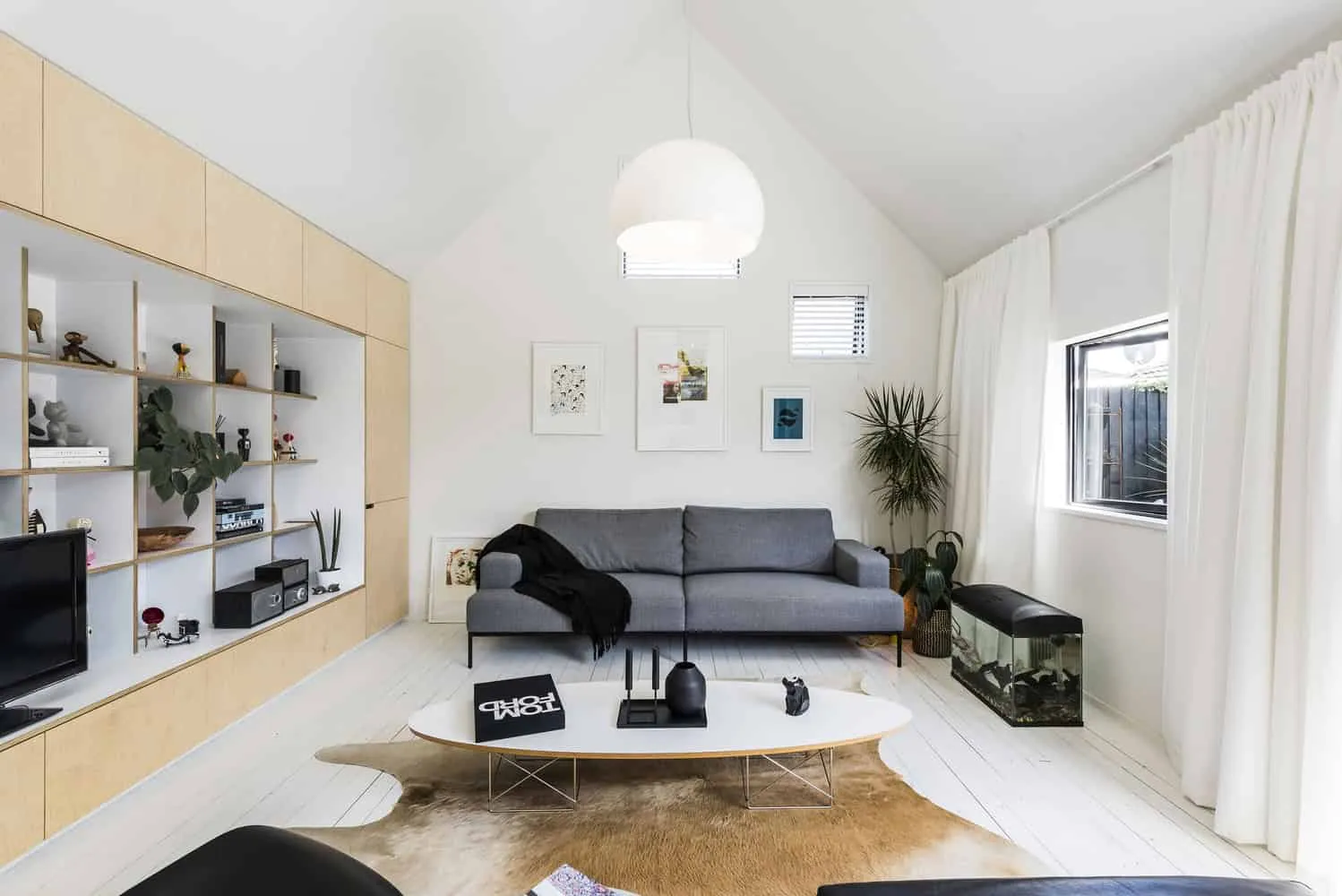
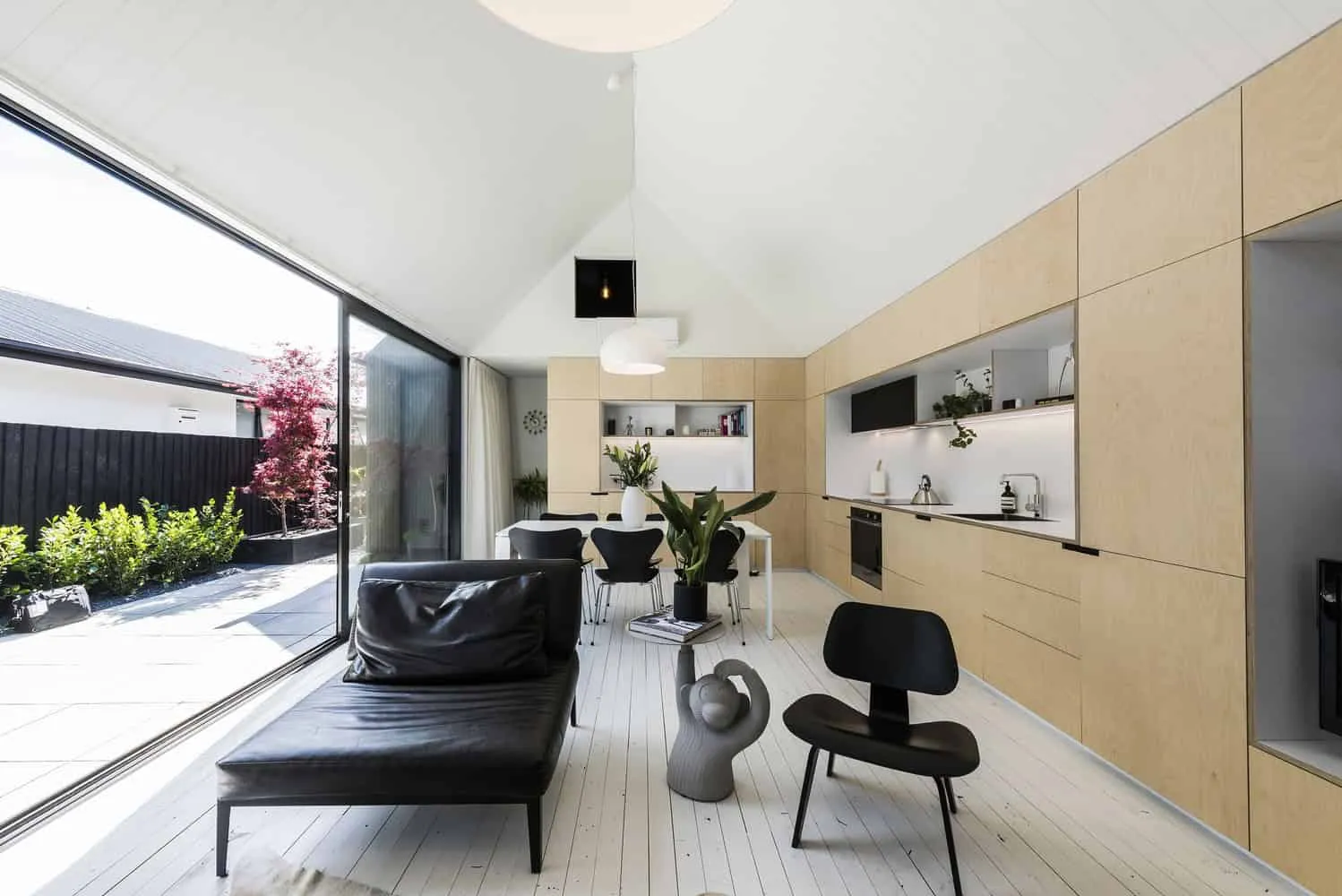
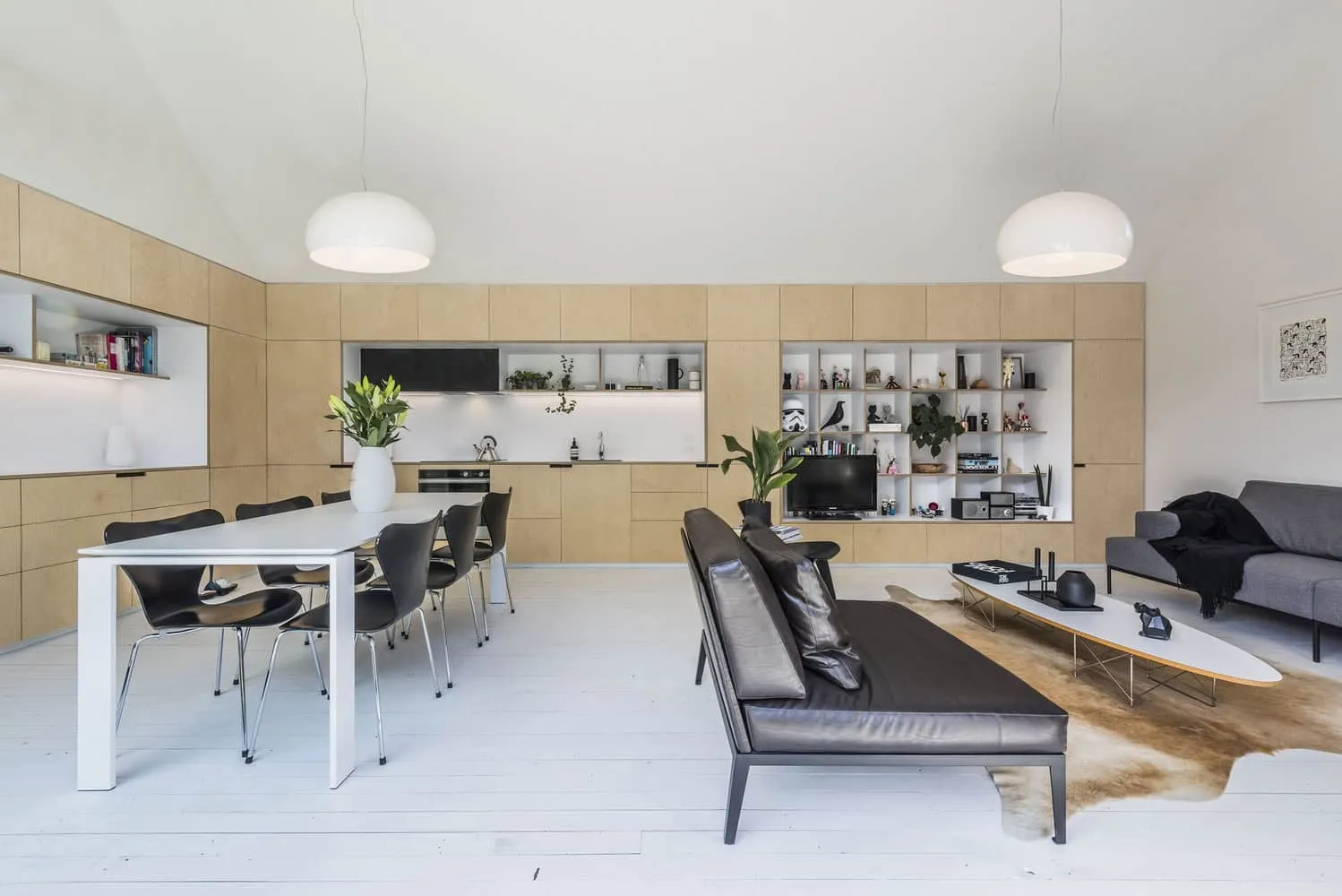
Inside, a central entrance hall serves as a transitional space and visual barrier between public leisure areas and private bedroom. Steep gabled roofs and high ceilings are used to create a sense of spaciousness that seems larger than its modest 80 sq m area. Large west-facing windows draw in evening sunlight and utilize reduced boundary restrictions from the property line. Gentle nods to traditional colonial cottage materials are interpreted in a modern style, such as timber cladding from logs, pronounced window surrounds, and installed wooden floors.
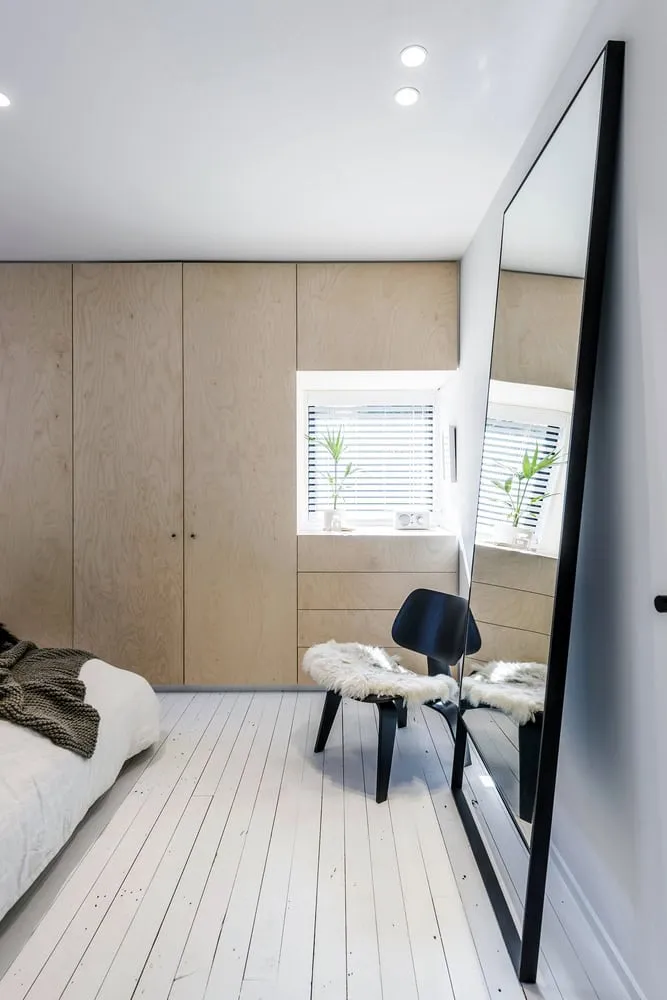
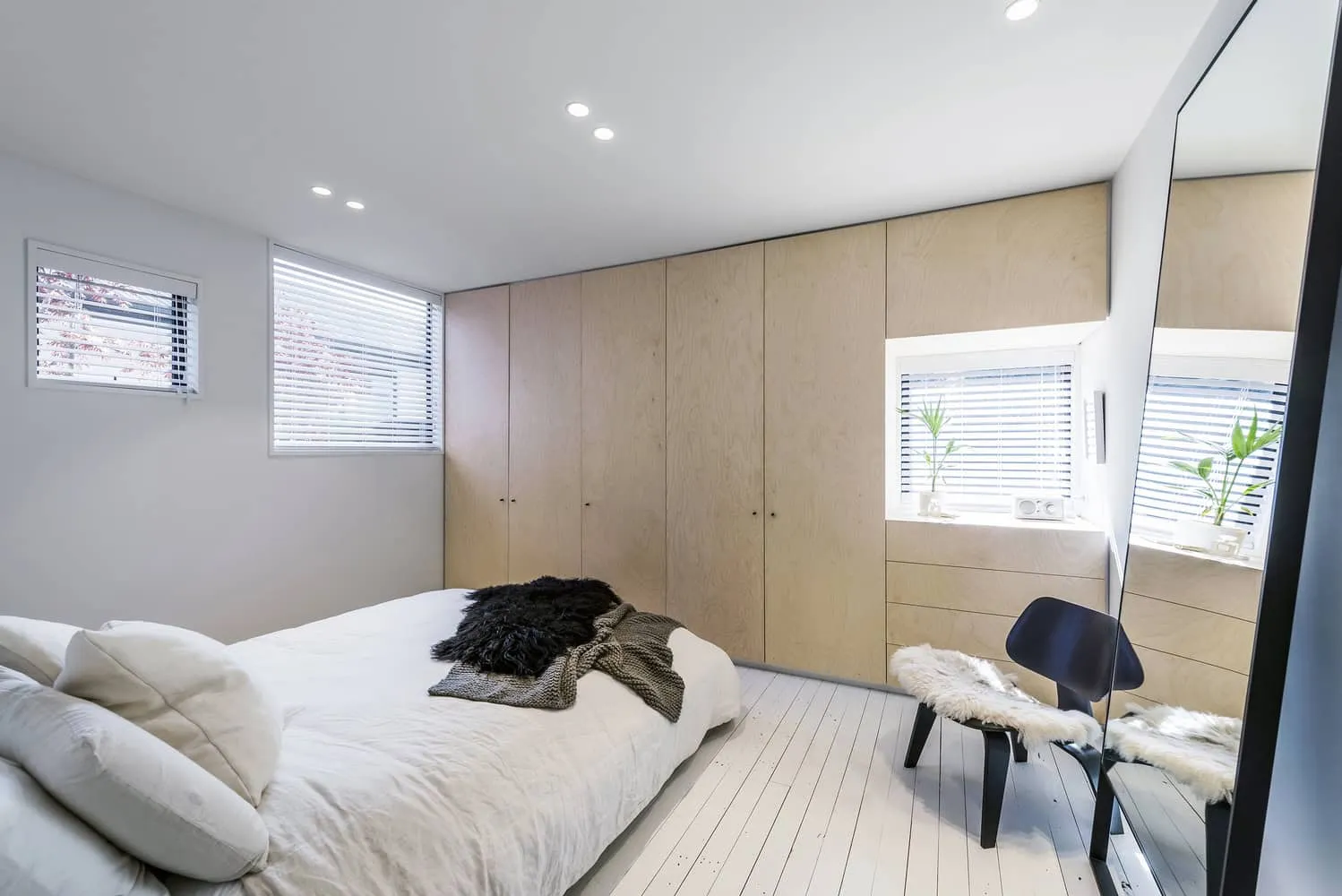
The dark black exterior contrasts with a bright white interior executed with absolute discipline on the theme of monochrome. Birch tongue-and-groove timber is used in its natural state for all connecting elements, including the dividing wall between the leisure area and main entrance.
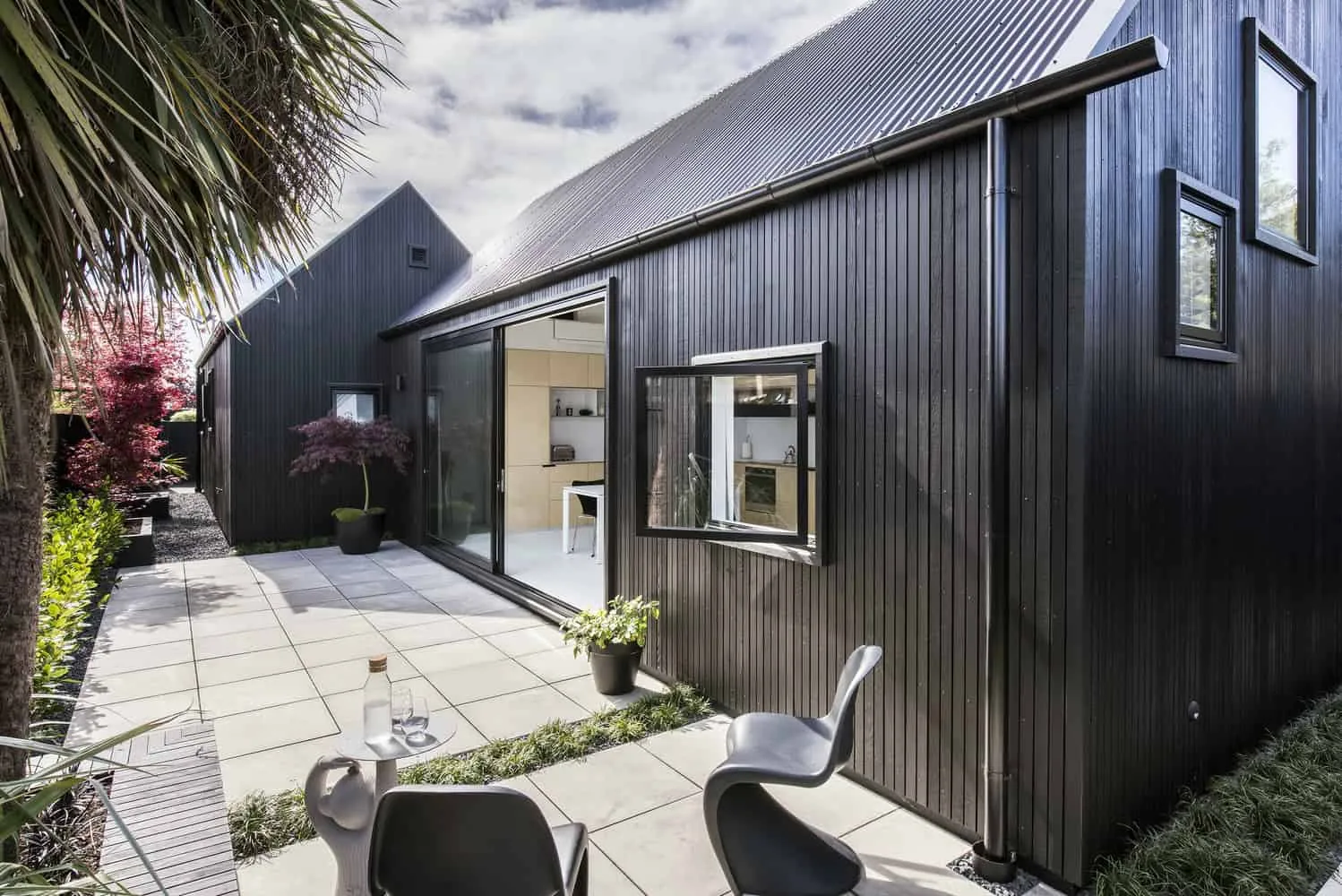
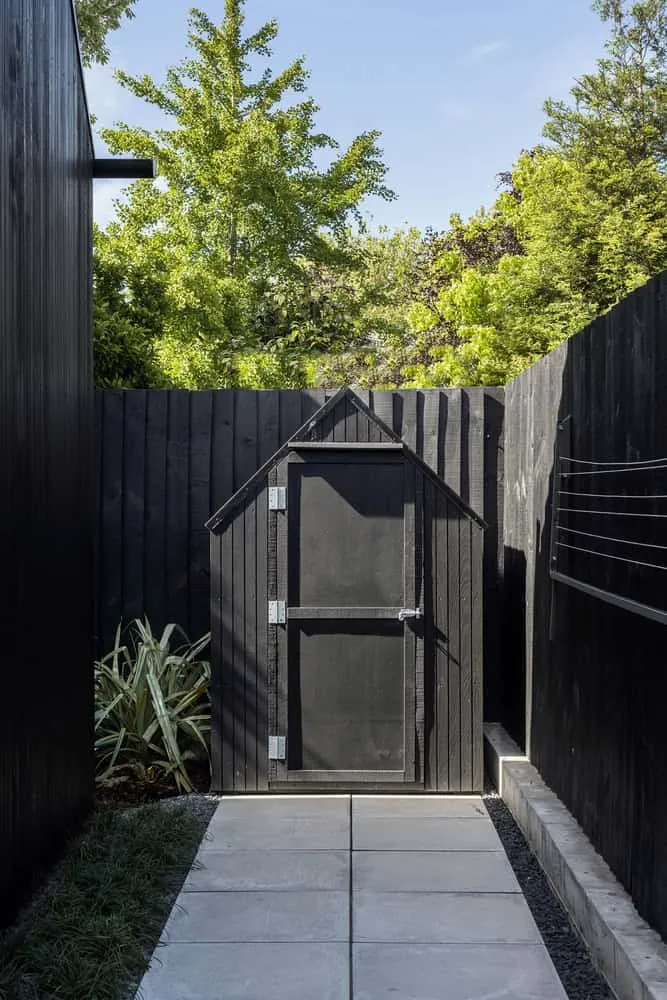
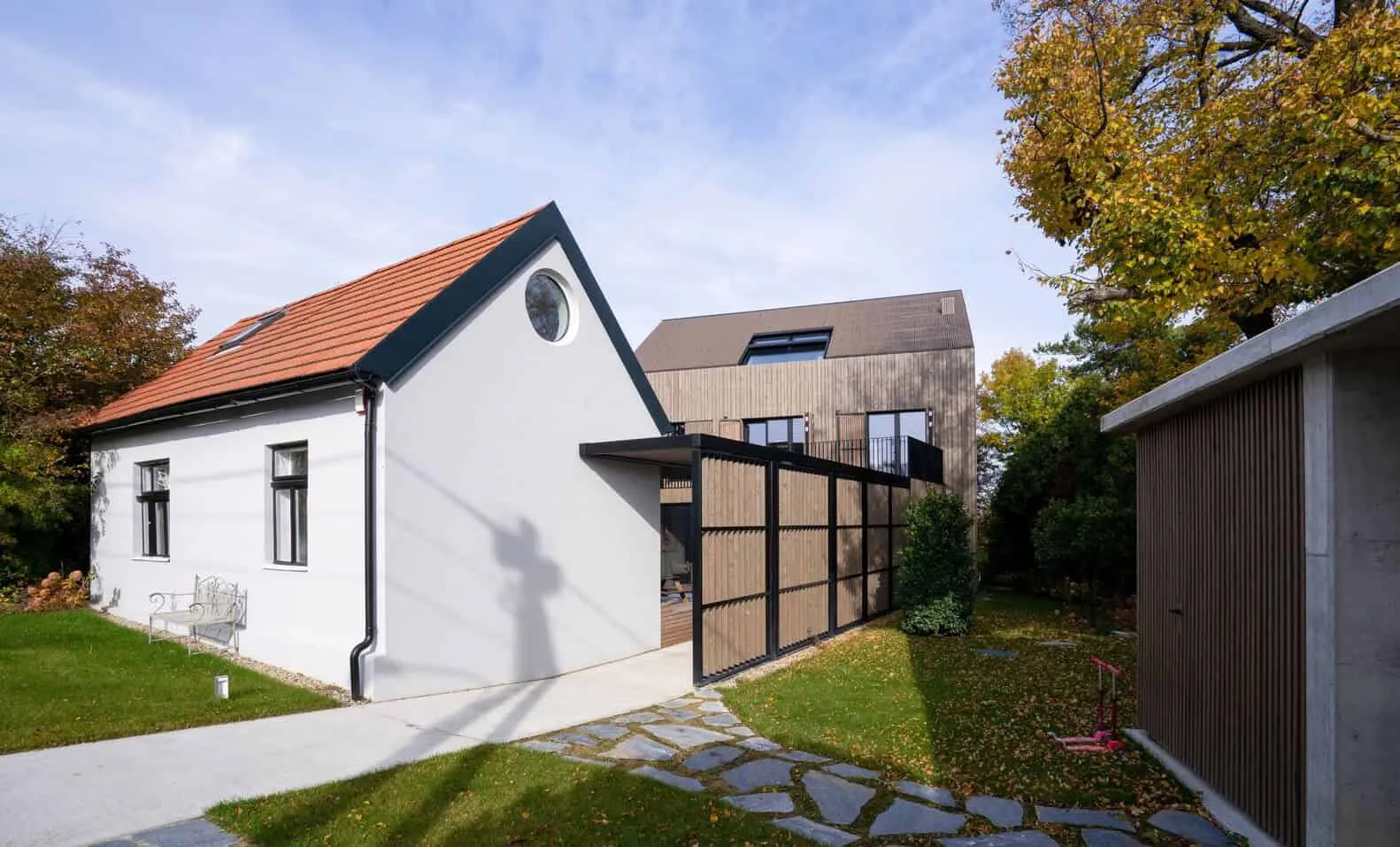
Traditionally, worker cottages in Christchurch were clad with brick and horizontal timber boarding. Considering the poor soil quality on this site and high seismic activity in the Canterbury region, a lightweight cladding system was employed. The architect chose square profile western red cedar vertical tongue-and-groove boarding (by Herman Pacific) to reference traditional building materials while giving the house a cleaner, more modern look. The exterior surface was painted with Resene Waterborne Woodsman CoolColourTM in a 'Pitch Black' shade. The Resene CoolColourTM technology was used to minimize heat buildup caused by dark coloring, reducing movement in the timber cladding.
-CoLab Architecture