The Ultimate Guide to Roof Material Types: Pros, Cons & Lifespan
Choosing the right roof material is one of the most critical design and performance decisions in residential architecture. As professionals with over 15 years of experience studying roof systems and architectural materials worldwide, we’ve seen how the right roofing solution impacts not only aesthetics but also thermal performance, maintenance costs, and structural longevity. This guide draws from field expertise, case studies, and verified building data to help homeowners, designers, and architects make an informed decision. The roofing material you select influences not only the aesthetics but also the comfort, maintenance, and energy performance of your living space. While the roof shape defines your home’s silhouette, the material determines its durability, insulation, and long-term cost efficiency.
In this guide, we explore 15 popular types of roof materials used in residential architecture, analyzing their advantages, disadvantages, and best applications. Whether you’re building a modern home, a traditional villa, or an eco-conscious structure, this comparison will help you find the best material for your climate, style, and budget.
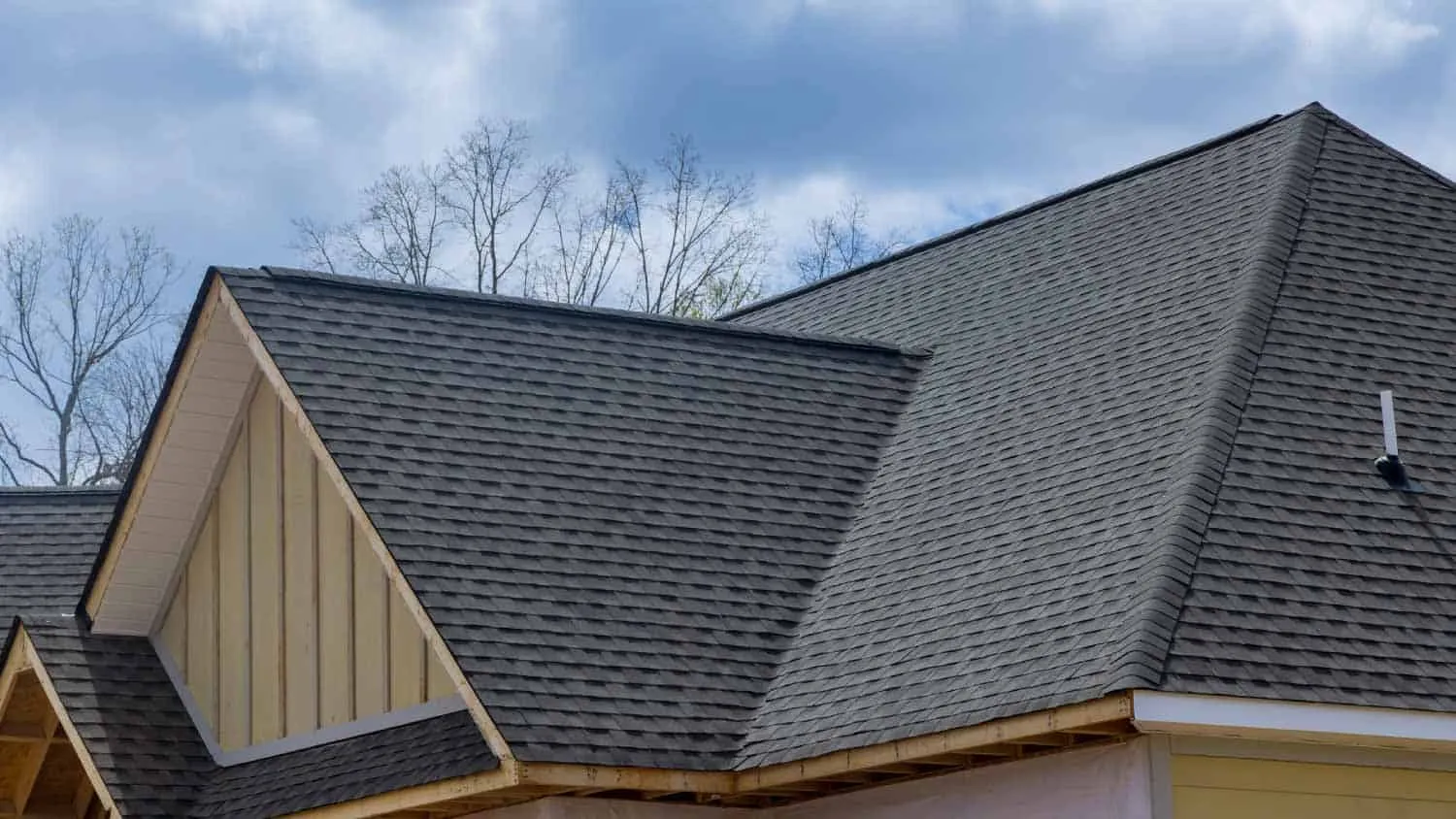
1. Asphalt Shingles – Affordable and Reliable Choice
Asphalt shingles are the most widely used roofing material worldwide, valued for their affordability, simplicity, and variety. They come in 3-tab and architectural (dimensional) forms, offering versatility across numerous architectural styles.
- Pros: Low cost, easy installation, wide color selection, compatible with most roof types.
- Cons: Shorter lifespan (20–30 years), prone to algae in humid climates, not ideal for high winds.
- Best For: Gable, hip, and cross-gable roofs.
- Cost: $4–$8 per sq ft
- Lifespan: 20–30 years
2. Metal Roofing – Durable, Energy-Efficient & Modern
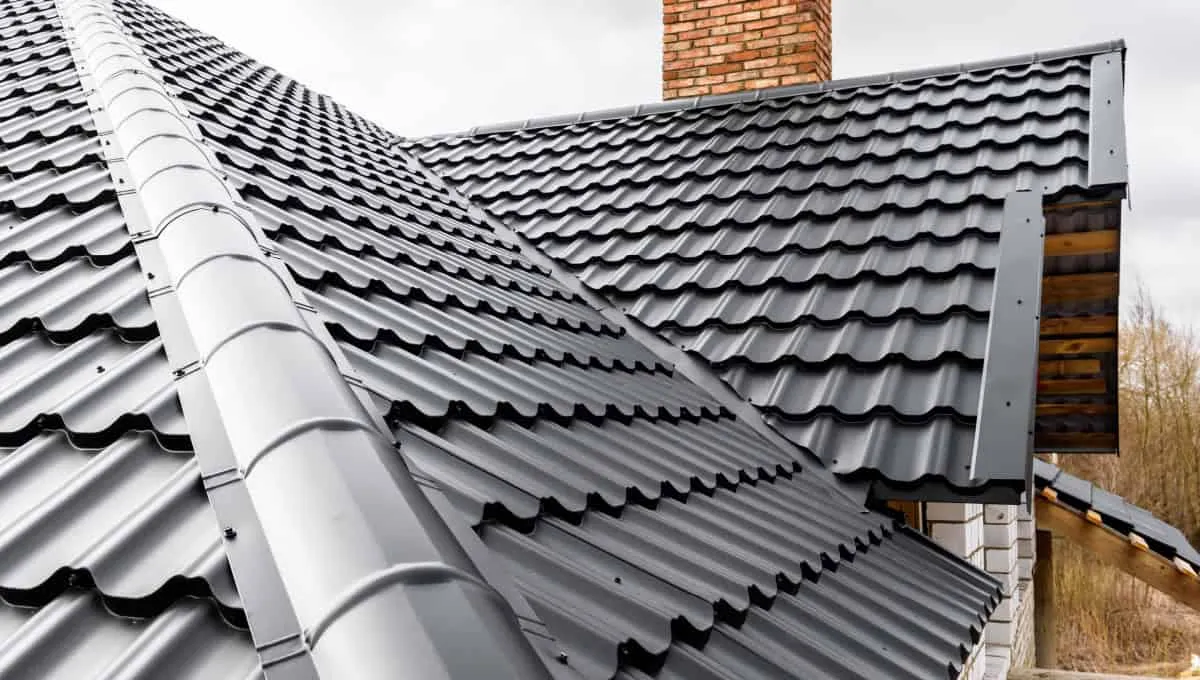
Based on architectural field performance and lifecycle assessments, metal roofing remains one of the most sustainable and durable roof materials available. Whether installed as standing seam panels or modular shingles, its heat reflectivity and recyclability make it a top choice among architects and green building consultants. In coastal regions, aluminum and zinc roofs outperform steel due to corrosion resistance, while copper offers unmatched patina evolution and longevity. Materials include steel, aluminum, zinc, and copper—each with distinct aesthetics and longevity.
- Pros: Lifespan up to 70 years, recyclable, lightweight, fire-resistant, reflects solar heat.
- Cons: Higher upfront cost, potential noise during rain without insulation.
- Best For: Modern, minimalist, and coastal homes.
- Cost: $8–$14 per sq ft
- Lifespan: 40–70 years
“Studies from the National Roofing Contractors Association show that metal roofs can last more than twice as long as asphalt shingles under similar weather conditions.”
“Metal roofing systems have evolved into one of the most energy-efficient and recyclable options available today. With proper coatings and detailing, their service life can exceed 70 years.”
— Rob Haddock, Founder & Technical Director, Metal Roof Advisory Group / Metal Construction Association
🔗 Source: metalconstruction.org
Explore more modern house designs with metal roofs for design inspiration.
3. Clay and Concrete Tiles – Mediterranean Character
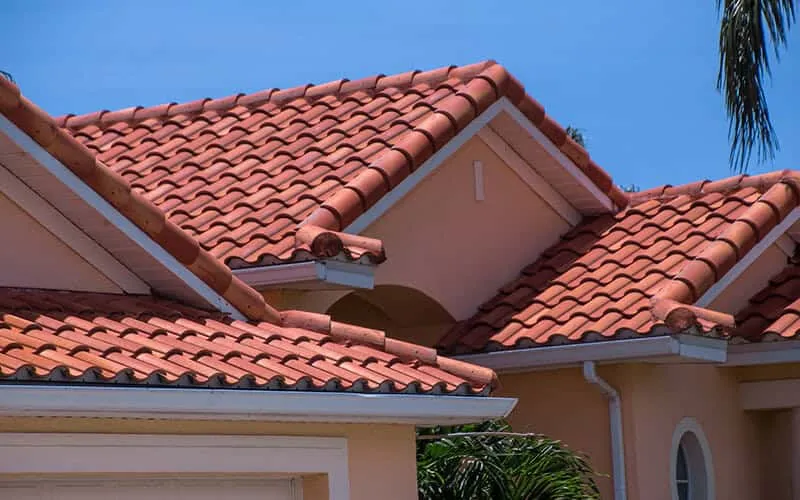
Clay and concrete tiles bring timeless beauty and excellent heat resistance, making them ideal for warm climates. Their distinctive curved shape defines Mediterranean, Spanish, and Southwestern homes.
- Pros: Long-lasting (50–100 years), low maintenance, non-combustible.
- Cons: Heavy, costly to install, may require reinforced structure.
- Best For: Mediterranean and coastal homes.
- Cost: $10–$20 per sq ft
- Lifespan: 50–100 years
4. Slate Roofing – Elegant and Timeless
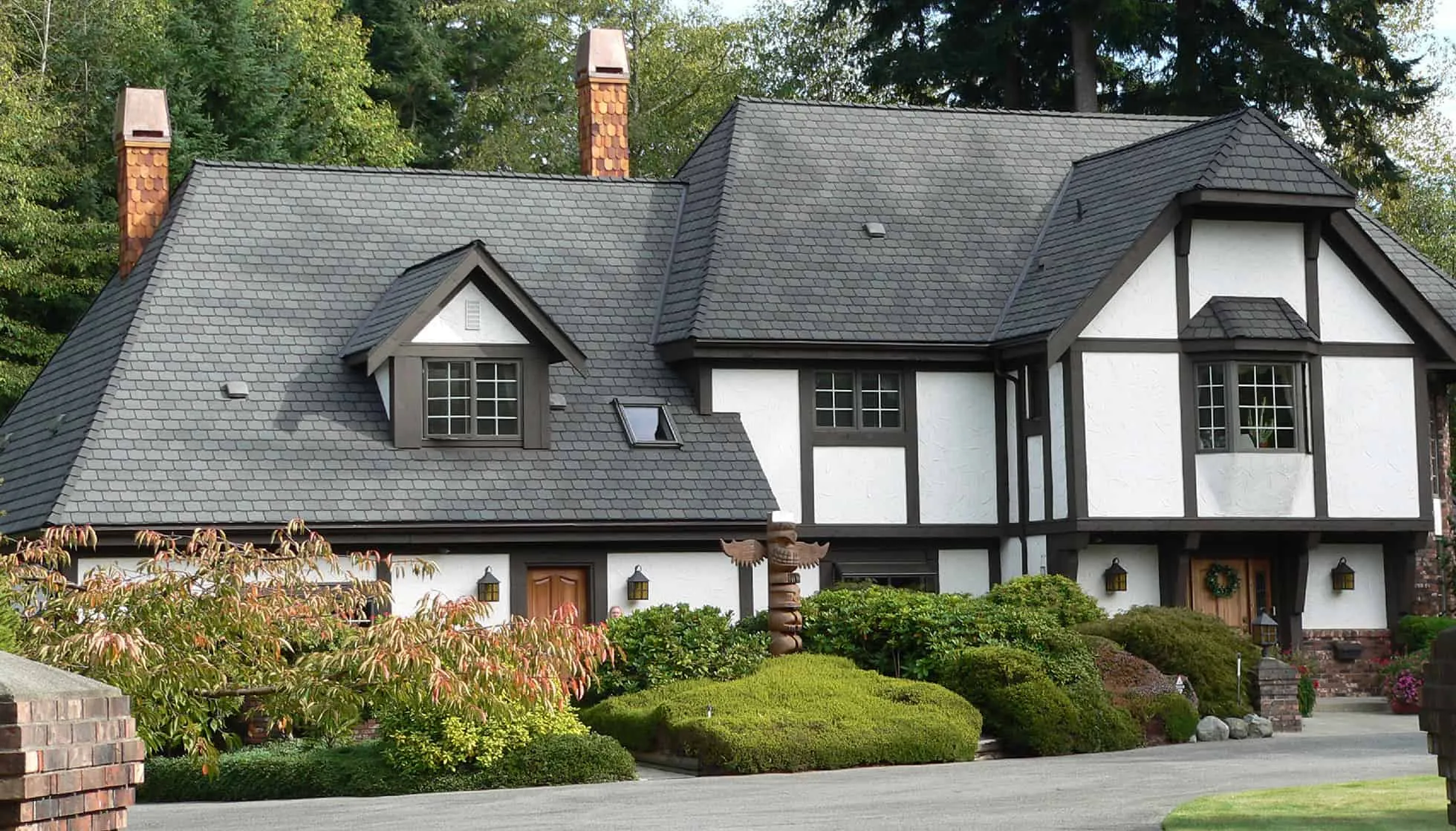
From a materials-engineering standpoint, natural slate remains one of the most time-tested and durable roofing materials. It has been used for centuries on European cathedrals and estate homes, many of which have stood intact for over a century with minimal maintenance. In architectural conservation projects, authentic slate continues to be specified for its low porosity, high density, and natural fire resistance — qualities unmatched by most modern alternatives.
Made from quarried stone, they offer natural texture and color variations that age gracefully over decades.
- Pros: 75–125+ year lifespan, fire-resistant, low maintenance, unmatched durability.
- Cons: High cost and weight, requires skilled installation.
- Best For: Mansard and gable roofs on traditional or luxury homes.
- Cost: $15–$30 per sq ft
- Lifespan: 75–125 years
“A well-installed natural slate roof can outlast the structure beneath it. It’s one of the few materials with a proven lifespan of over a century.”
— Joseph Jenkins, Author of The Slate Roof Bible and President, Jenkins Publishing
🔗 Source: slateroofcentral.com
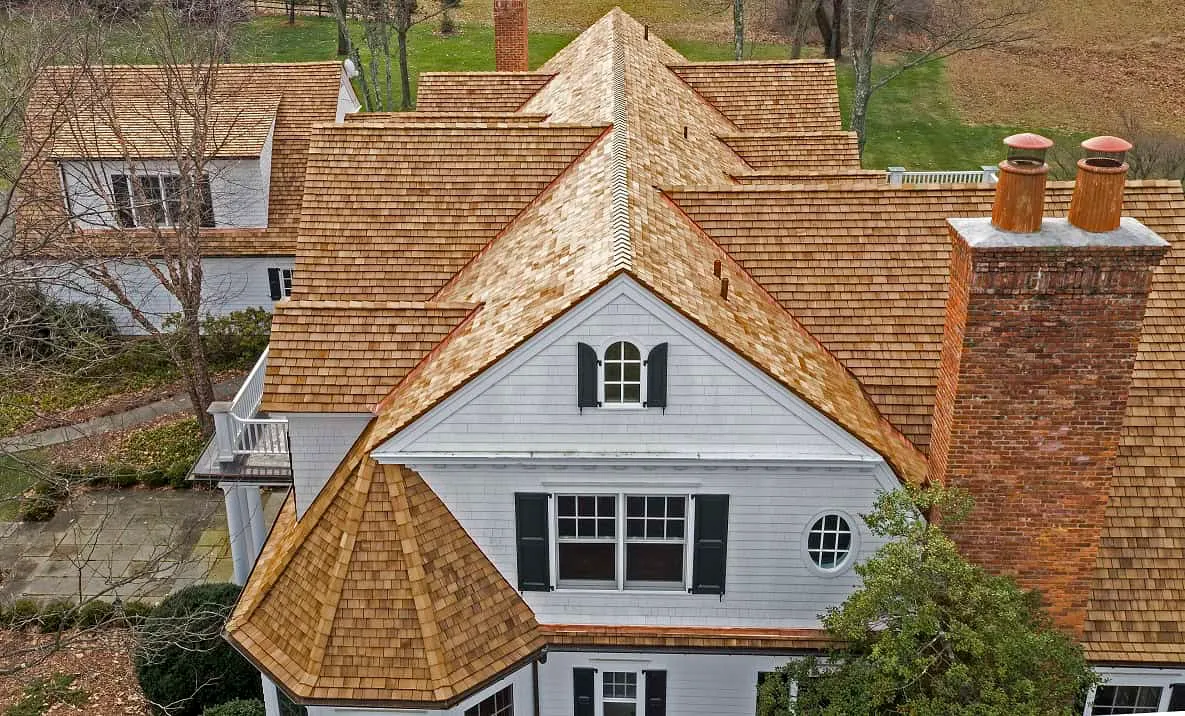
5. Wood Shingles and Shakes – Natural Warmth and Texture
Wood roofing delivers rustic charm and natural insulation. Shakes are thicker and more irregular than shingles, providing a handcrafted appearance.
- Pros: Renewable, beautiful texture, provides insulation.
- Cons: Requires regular maintenance, vulnerable to rot, not ideal for fire-prone areas.
- Best For: Cabin, cottage, or traditional designs.
- Cost: $6–$12 per sq ft
- Lifespan: 25–40 years
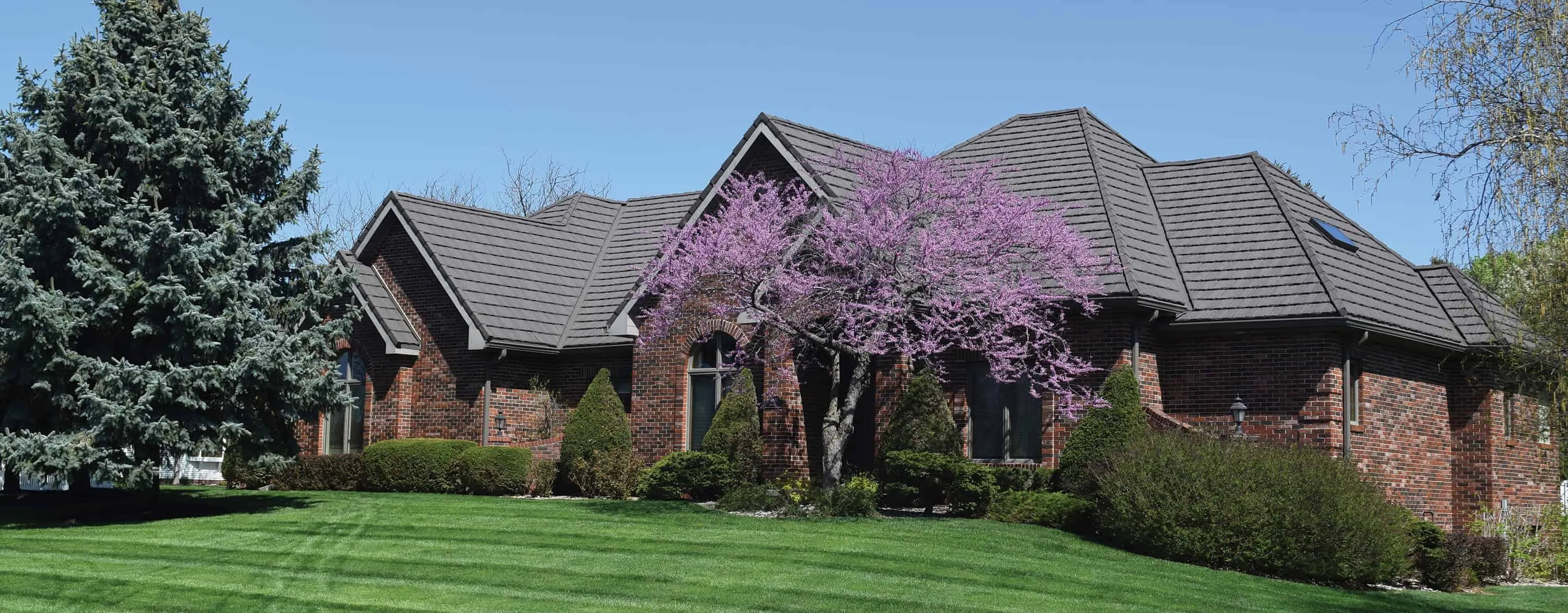
6. Composite or Synthetic Roofing – Modern Innovation
Composite roofing mimics premium materials like slate or cedar using engineered polymers or recycled content. It offers beauty with lighter weight and lower maintenance.
- Pros: Eco-friendly, UV-resistant, versatile appearance, lower weight.
- Cons: Limited long-term data compared to traditional materials.
- Best For: All roof types and modern remodels.
- Cost: $7–$14 per sq ft
- Lifespan: 40–60 years
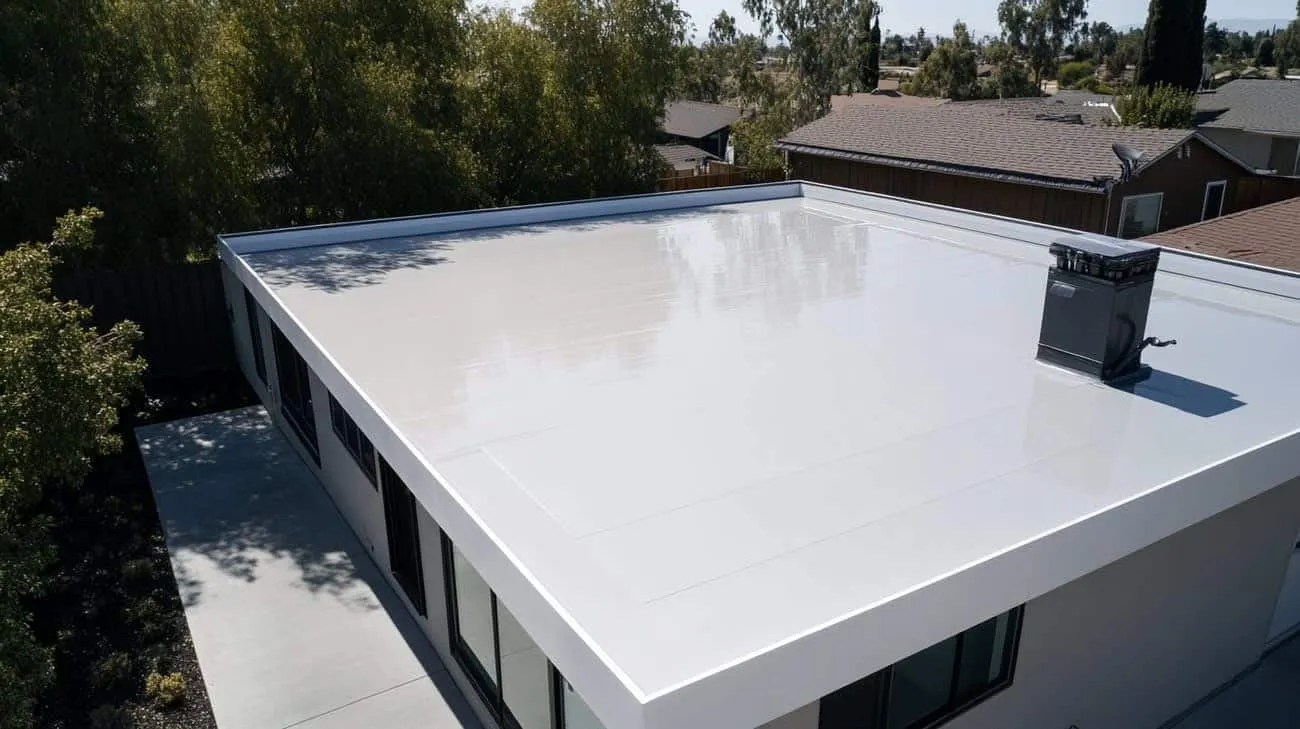
7. Membrane Roofing (EPDM, TPO, PVC) – For Flat Roofs
These flexible membrane systems are the standard for modern flat or low-slope roofs, valued for water resistance and energy efficiency.
- Pros: Waterproof, reflective options available, minimal seams.
- Cons: Susceptible to punctures, requires skilled installation.
- Best For: Flat roofs, green roofs, commercial buildings.
- Cost: $6–$10 per sq ft
- Lifespan: 20–40 years
See examples of flat roof architecture for contemporary inspiration.
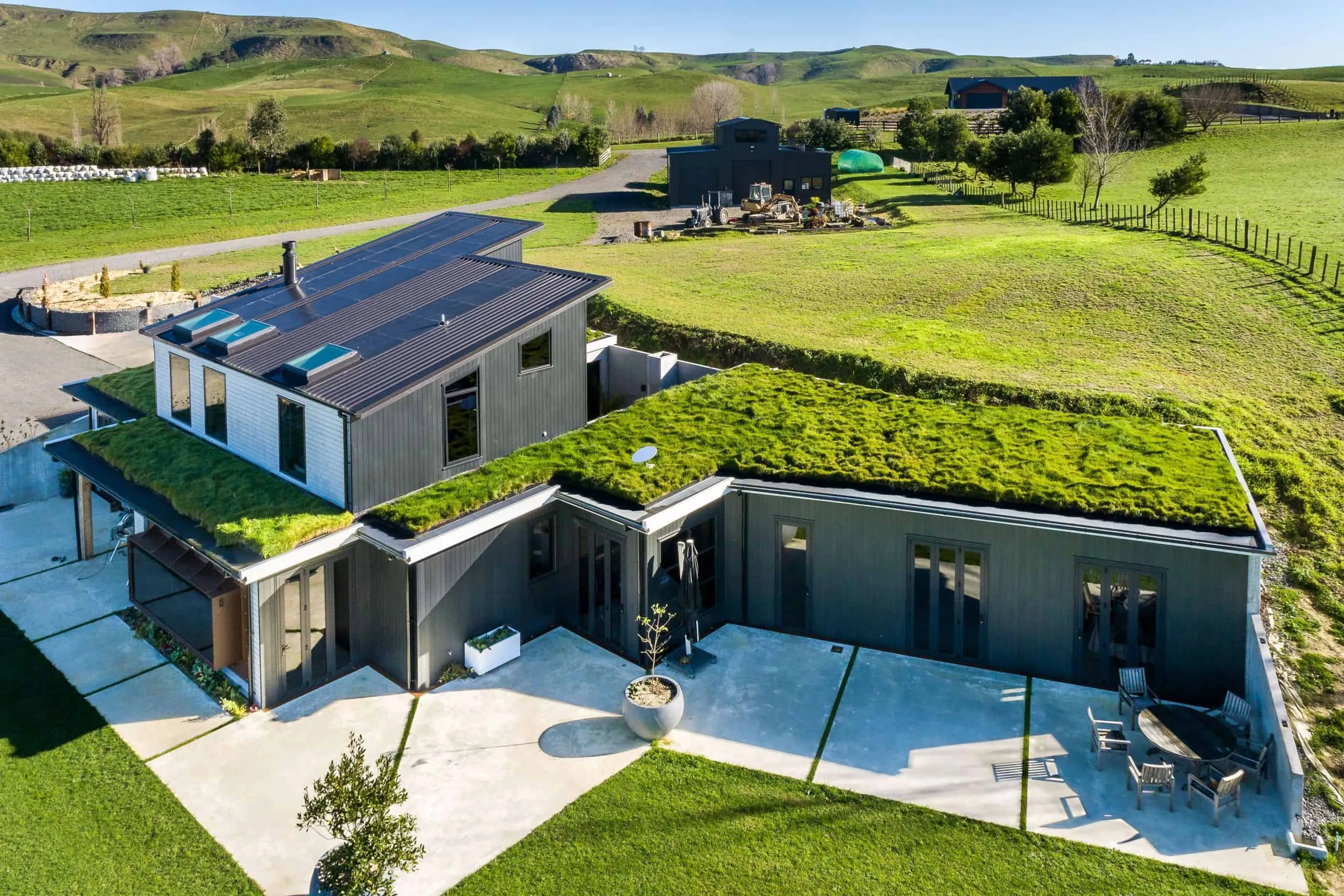
8. Green Roof Systems – Sustainable and Living Surfaces
According to environmental building studies from the U.S. Green Building Council (USGBC) and the European Federation of Green Roof Associations (EFB), green roofs significantly reduce heat islands and improve stormwater retention. In practice, our architectural team has observed that even small-scale intensive green roofs can lower indoor temperatures by up to 5°C in summer months, while enhancing biodiversity and property value — a reason they’re increasingly used in urban regeneration projects. They’re ideal for eco-friendly urban projects.
- Pros: Improves insulation, reduces stormwater runoff, enhances air quality.
- Cons: High installation and maintenance costs, requires proper drainage.
- Best For: Urban and sustainable architecture.
- Cost: $10–$25 per sq ft
- Lifespan: 40–60 years
“Green roofs don’t just look beautiful — they act as living systems that insulate, manage water, and create habitats in urban areas.”
— Steven Peck, President, Green Roofs for Healthy Cities (GRHC)
🔗 Source: greenroofs.org
Explore green roof projects featured on our site.
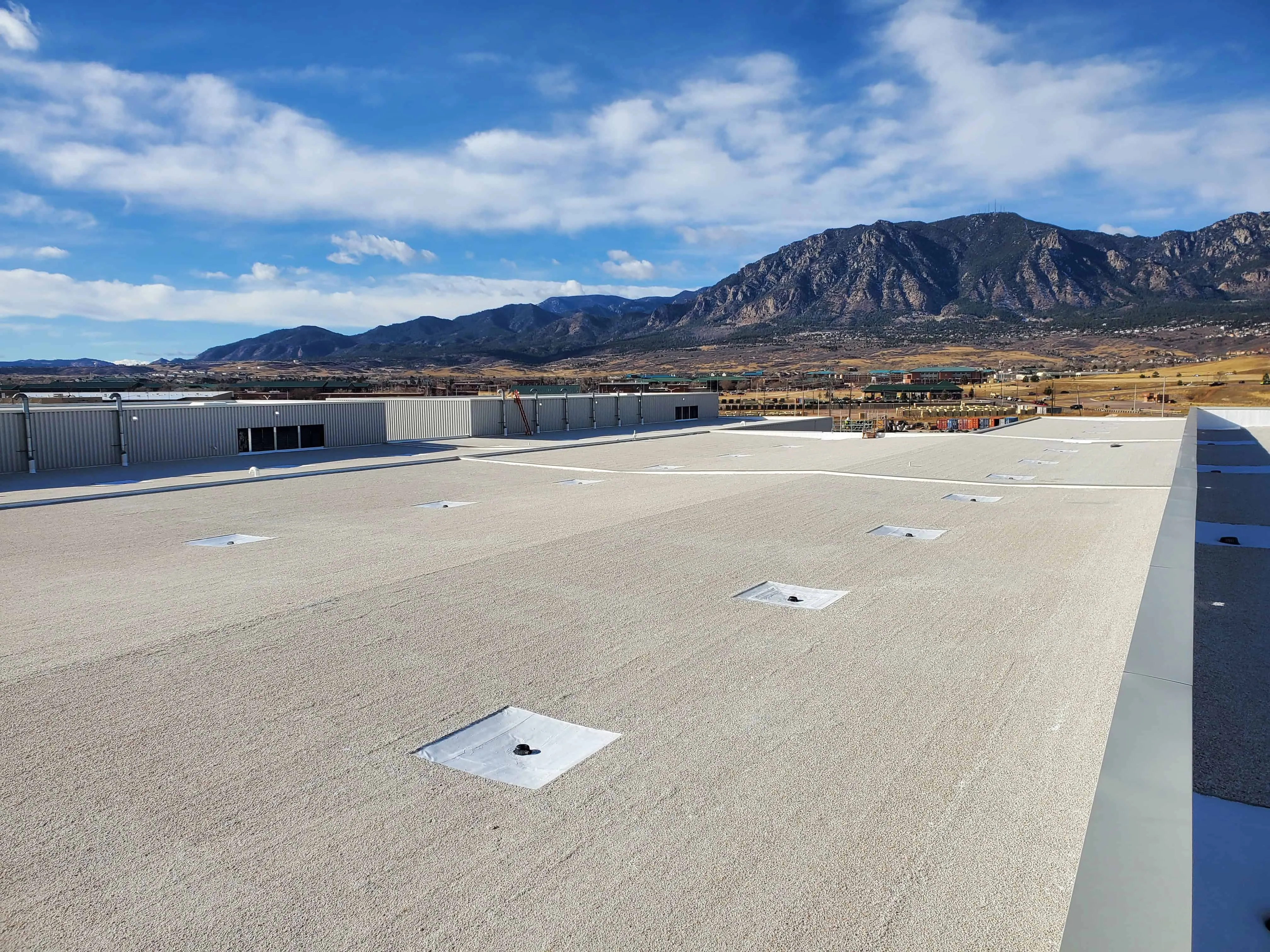
9. Built-Up Roofing (BUR) – Proven Commercial Option
BUR systems layer asphalt, bitumen, and felt topped with gravel for durability. Used primarily in commercial or industrial buildings with flat roofs.
- Pros: Low maintenance, long lifespan, excellent waterproofing.
- Cons: Heavy, slower installation process, limited to flat roofs.
- Best For: Flat and low-slope commercial roofs.
- Cost: $5–$9 per sq ft
- Lifespan: 25–40 years
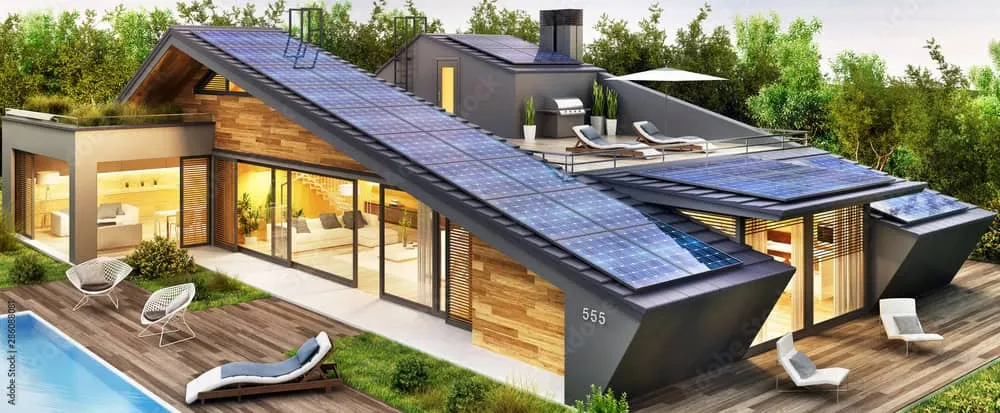
10. Solar Roofing – Energy-Generating Innovation
Having reviewed multiple solar-integrated roofing projects across Europe and North America, we’ve confirmed that solar shingles now outperform older panel systems in both efficiency and aesthetics. Brands like Tesla Solar Roof and CertainTeed have pioneered modular integration where each tile contributes to power generation. This innovation blends renewable technology with traditional roof design — ideal for sustainable architecture and net-zero homes. They’re a growing trend for sustainable homes.
- Pros: Reduces electricity bills, eco-friendly, modern aesthetic.
- Cons: High cost, needs full sunlight exposure, limited installers.
- Best For: South-facing, sloped roofs in sunny climates.
- Cost: $18–$35 per sq ft
- Lifespan: 25–40 years
“Integrating solar generation directly into roofing materials is the next evolution of residential design — efficiency without aesthetic compromise.”
— Elon Musk, CEO, Tesla Energy (Solar Roof Product Launch Statement, 2023)
🔗 Source: tesla.com/solarroof
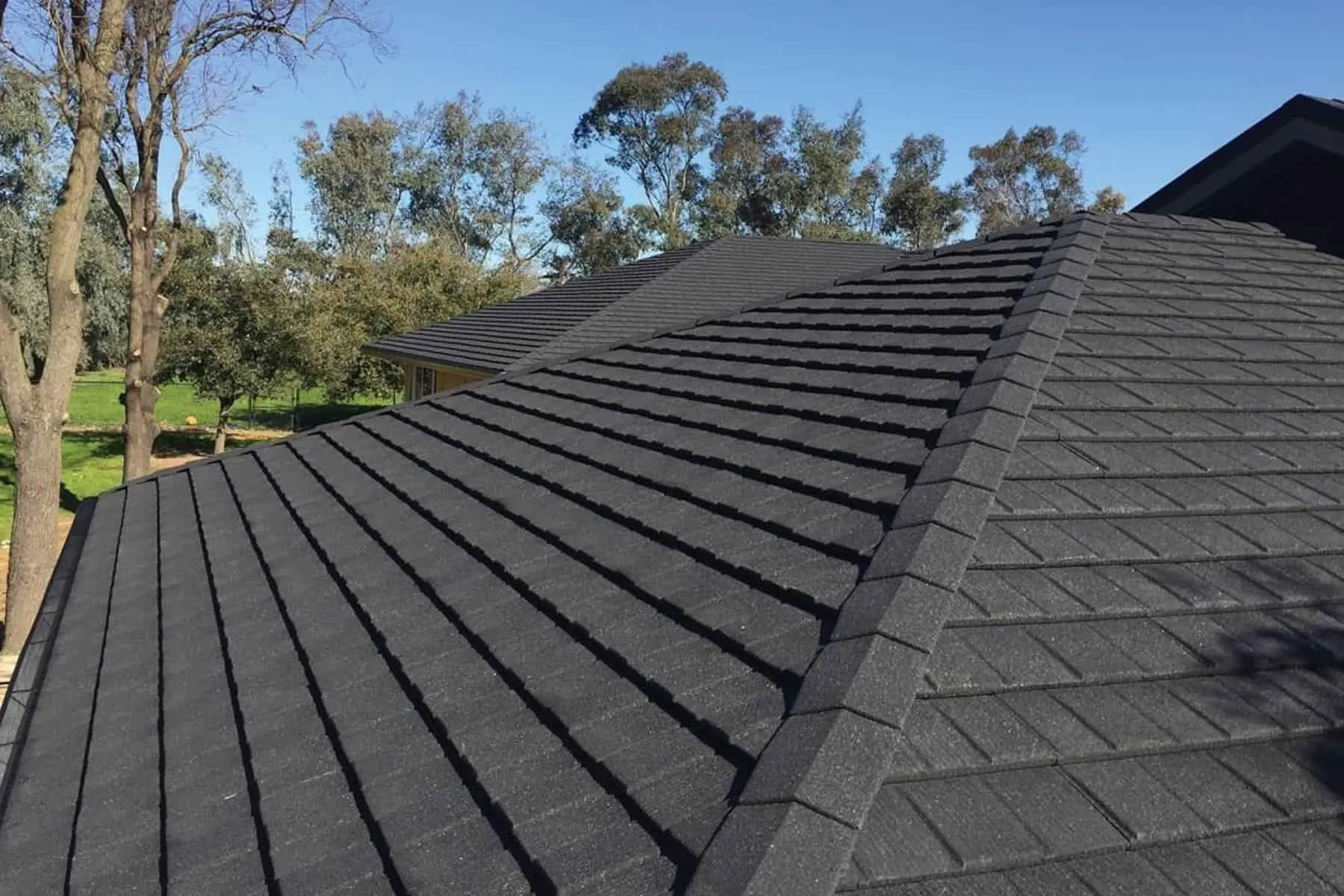
11. Stone-Coated Steel – Durability with Texture
Combines metal strength with stone-chip coating for enhanced style and corrosion resistance. Ideal for regions facing strong winds or storms.
- Pros: High wind resistance, low maintenance, aesthetic texture.
- Cons: More expensive than asphalt shingles, limited color range.
- Cost: $9–$16 per sq ft
- Lifespan: 40–70 years
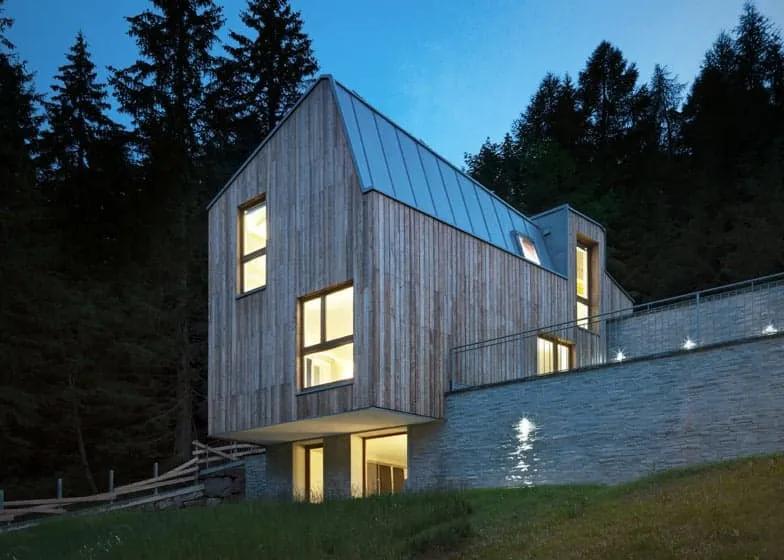
12. Zinc and Titanium Roofs – Architectural Precision
Used in modern architectural projects, these metals develop a self-healing patina over time, making them nearly maintenance-free.
- Pros: Long lifespan (80–120 years), recyclable, sleek aesthetic.
- Cons: Expensive, requires expert installation.
- Cost: $15–$25 per sq ft
- Lifespan: 80–120 years
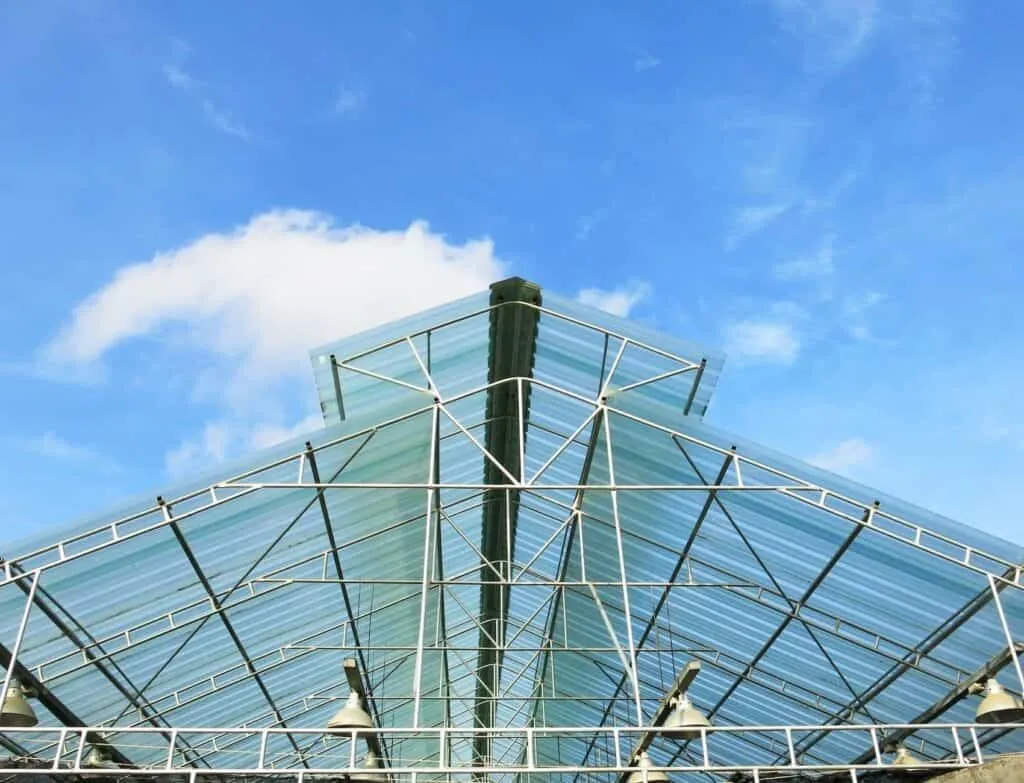
13. Fiberglass and Plastic Polymer Roofs – Lightweight Options
Lightweight roofing panels used for canopies and modern additions where natural light penetration is desired.
- Pros: Affordable, easy installation, translucent design options.
- Cons: Shorter lifespan, UV degradation, low insulation.
- Cost: $4–$8 per sq ft
- Lifespan: 15–25 years
14. Cool Roofs and Reflective Coatings – For Hot Climates
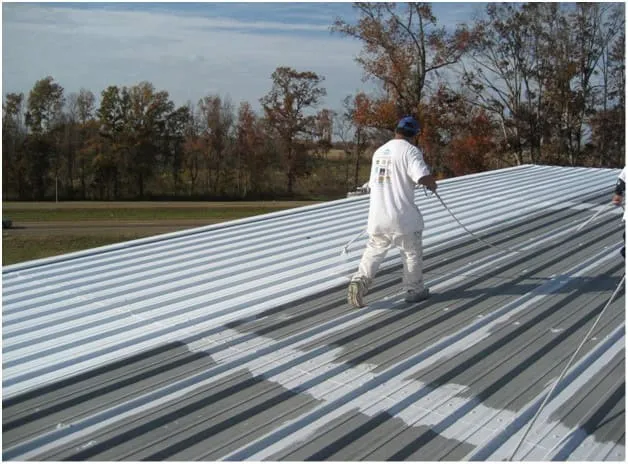
Cool roofs are coated with reflective materials that reduce heat absorption, lowering indoor temperatures and energy use.
- Pros: Cuts cooling costs, eco-friendly, extends roof life.
- Cons: Needs re-coating every 10–15 years, mainly for flat roofs.
- Cost: $2–$5 per sq ft
- Lifespan: 10–20 years
“According to the U.S. Department of Energy, cool roofs can lower surface temperatures by up to 50°F (10–15°C) compared to traditional roofing.”
15. Copper Roofing – Timeless and Premium
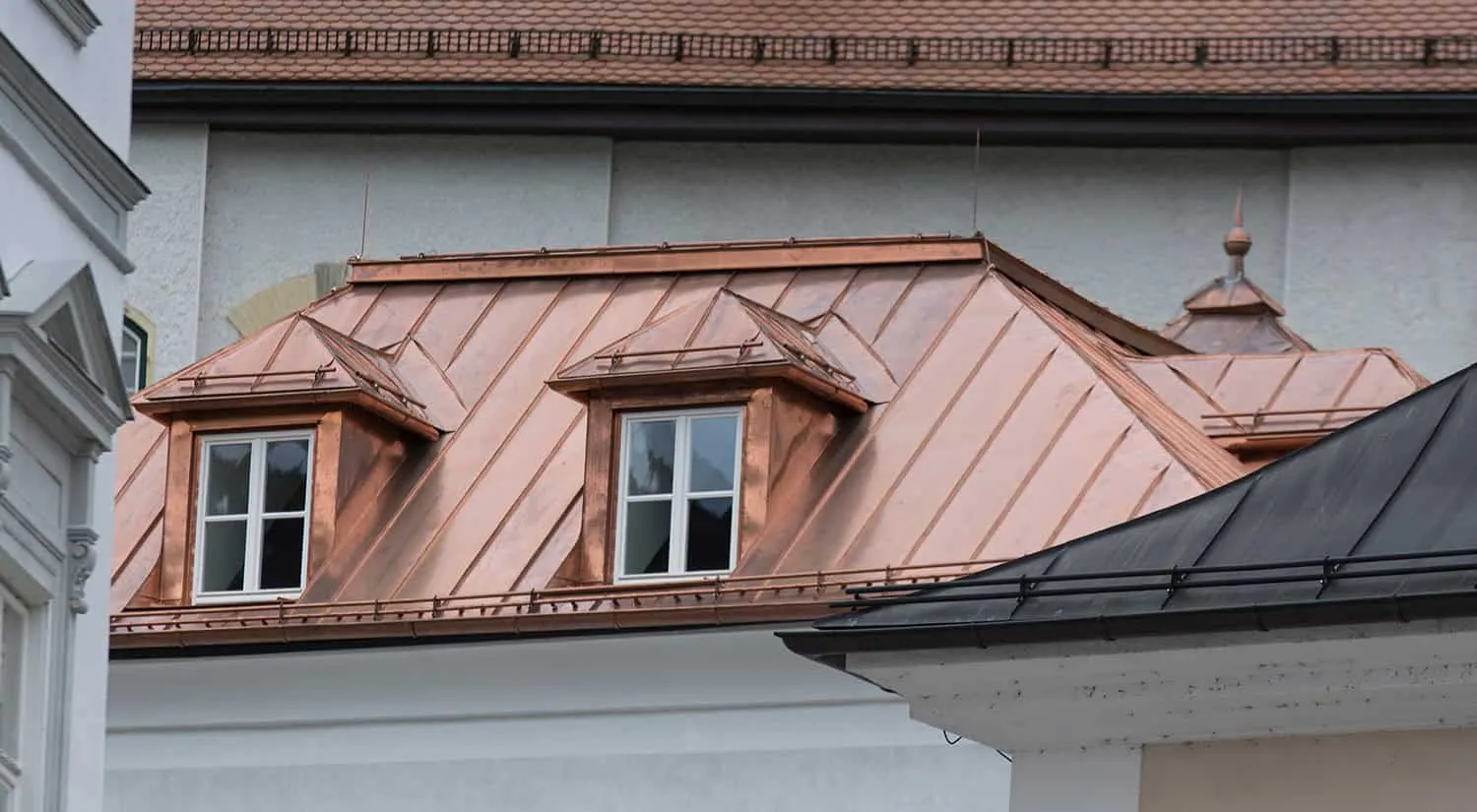
Copper roofs have adorned architecture for centuries, known for their warm color that gracefully turns green with age. A perfect blend of heritage and longevity.
- Pros: 100+ year lifespan, corrosion-resistant, distinctive patina, low maintenance.
- Cons: High cost, potential theft risk due to value.
- Cost: $15–$30 per sq ft
- Lifespan: 100+ years
“A roof isn’t just a shelter; it’s the building’s first line of defense against time and weather. The right material choice determines how gracefully it will age.”
— Tom Bollnow, Senior Director of Technical Services, National Roofing Contractors Association (NRCA)
🔗 Source: nrca.net
Roofing Materials Comparison Table
| Material | Cost (USD / sq ft) | Lifespan | Maintenance | Ideal Climate |
|---|---|---|---|---|
| Asphalt Shingles | $4–$8 | 20–30 yrs | Low | Temperate |
| Metal Roofing | $8–$14 | 40–70 yrs | Low | All climates |
| Clay & Concrete Tiles | $10–$20 | 50–100 yrs | Low | Hot, dry |
| Slate | $15–$30 | 75–125 yrs | Very Low | Cold, wet |
| Wood Shingles/Shakes | $6–$12 | 25–40 yrs | High | Mild, dry |
| Composite Roofing | $7–$14 | 40–60 yrs | Low | All climates |
| Membrane (EPDM/TPO/PVC) | $6–$10 | 20–40 yrs | Moderate | Flat roofs |
| Green Roof | $10–$25 | 40–60 yrs | High | Urban |
| BUR | $5–$9 | 25–40 yrs | Moderate | Commercial |
| Solar Roof | $18–$35 | 25–40 yrs | Moderate | Sunny |
| Stone-Coated Steel | $9–$16 | 40–70 yrs | Low | Coastal |
| Zinc/Titanium | $15–$25 | 80–120 yrs | Very Low | Modern |
| Fiberglass Polymer | $4–$8 | 15–25 yrs | Low | Light structures |
| Cool Roof | $2–$5 | 10–20 yrs | Moderate | Hot |
| Copper | $15–$30 | 100+ yrs | Very Low | All climates |
*Costs and lifespans are approximate 2025 averages and vary by region, supplier, and installation quality.
Roof Maintenance Tips for Longevity
Regardless of material, regular roof maintenance is key to extending lifespan. Inspect flashing and gutters annually, remove debris after storms, and schedule professional inspections every 2–3 years. Materials like metal and slate require minimal upkeep, while wood and green roofs benefit from seasonal cleaning and treatment. Preventive maintenance can extend most roof lifespans by 20–30%.
Average Cost per Roof Type (2025 Estimates)
Roofing costs vary widely depending on the material, slope, design complexity, and labor rates in your area.
On average, prices are calculated by the total installed cost per square foot, which includes materials, underlayment, flashing, and professional installation.
Premium materials such as slate, copper, and solar-integrated roofing command higher prices due to weight, craftsmanship, and specialized labor.
In contrast, asphalt shingles and membrane roofs remain the most cost-effective options for homeowners seeking reliable performance on a budget.
The following table provides an overview of 2025 national averages compiled from multiple verified industry sources.
| Roof Type | Average Cost per sq. ft. | Estimated Total (1,500 sq. ft. roof) | Notes |
|---|---|---|---|
| Asphalt Shingles | $3 – $6 | $4,500 – $9,000 | Most common and affordable roofing option |
| Metal Roofing | $7 – $14 | $10,500 – $21,000 | Highly durable; available in steel, aluminum, or copper |
| Clay or Concrete Tile | $10 – $20 | $15,000 – $30,000 | Heavy material; ideal for warm, dry climates |
| Slate Roofing | $12 – $25 | $18,000 – $37,500 | Premium natural stone; exceptional longevity |
| Wood Shingles & Shakes | $6 – $10 | $9,000 – $15,000 | Natural look; higher maintenance requirements |
| Composite or Synthetic | $8 – $14 | $12,000 – $21,000 | Lightweight, durable alternative to slate or wood |
| Membrane (EPDM, TPO, PVC) | $5 – $9 | $7,500 – $13,500 | Best for flat and low-slope roofs |
| Built-Up Roofing (BUR) | $4 – $8 | $6,000 – $12,000 | Layered asphalt and felt system; common on commercial buildings |
| Green Roof System | $15 – $30 | $22,500 – $45,000 | Includes waterproof membrane, soil, and vegetation layers |
| Solar Roofing | $18 – $35 | $27,000 – $52,500 | Integrates photovoltaic panels for renewable energy |
| Copper Roofing | $20 – $40 | $30,000 – $60,000 | Premium architectural material with natural patina |
*Estimated costs are based on 2025 U.S. national averages from verified professional and industry sources, including the National Roofing Contractors Association (NRCA), U.S. Department of Energy, and current contractor pricing data published by HomeAdvisor and the annual Remodeling Cost vs. Value Report.
All figures reflect materials, labor, and regional averages, and may vary based on design complexity and market trends.
Frequently Asked Questions about Roof Materials
What is the most durable roofing material?
Slate, copper, and titanium roofs are among the most durable options, lasting over 100 years with minimal maintenance.
Which roof material is best for hot climates?
Clay tiles, metal roofs with reflective coatings, and cool roof systems perform best in high-heat regions.
What is the cheapest roof material?
Asphalt shingles are the most affordable and widely available roofing material for residential buildings.
Which roof lasts the longest?
Natural slate and copper roofs offer lifespans exceeding a century, outperforming most other materials.
What are the most eco-friendly roof materials?
Green roofs, recycled composite shingles, and metal roofs made from recyclable alloys are sustainable and energy-efficient options.
Can solar panels be installed on a metal roof?
Yes. Standing seam metal roofs are ideal for solar panel mounting, often requiring no roof penetrations.
Conclusion
Every roofing material carries its own architectural identity and technical performance profile. Drawing on over a decade of editorial coverage and real-world projects published on ArchitectureArtDesigns.com, we consistently find that the best roof material depends on climate, structure, and lifestyle priorities. Whether your goal is longevity, sustainability, or design innovation, informed material selection ensures both aesthetic integrity and long-term resilience — the foundation of every great architectural project.
Whether you prefer the timeless beauty of slate, the efficiency of metal, or the sustainability of green roofs, the right material ensures protection for decades.
To see how these materials integrate with different roof shapes and architectural styles, explore our complete guide to 30 Types of Roofs for Homes.