The Importance of Design in Creating Productive Workspaces
In today's fast-paced and competitive world, creating productive workspaces has become a necessary factor for business success. While aspects such as technology, processes, and talent play an important role in optimizing productivity, one aspect often goes unnoticed—the impact of design. Thoughtfully planned workspaces can significantly boost productivity, encourage creativity, and promote employee wellbeing. In this article, we explore the importance of design in creating productive work environments and examine how well-thought-out design elements can positively influence the workplace dynamics.
Enhancing Employee Wellbeing
Natural Lighting for a Healthy and Vibrant Environment
Natural lighting is not only aesthetically pleasing but also has a profound impact on employee wellbeing. Incorporating large windows and skylights into the workspace increases access to natural light, which helps regulate circadian rhythms, enhances alertness, and positively affects mood. Employees who receive adequate natural light report lower stress levels, improved sleep quality, and higher job satisfaction. Workspaces designed with abundant natural light foster a healthier and more vibrant environment.
Ergonomic Furniture and Workstations for Optimal Comfort
Employee comfort is paramount to ensuring their wellbeing and productivity. Investing in ergonomic furniture and workstations is an essential element of design. Adjustable chairs that support proper posture, ergonomic keyboards, and height-adjustable desks can help reduce the risk of musculoskeletal disorders and increase comfort during long working hours. Workspaces designed to be customizable to each employee's needs promote a healthy and ergonomic work environment.
Biofilic Design: Nature Inside the Office
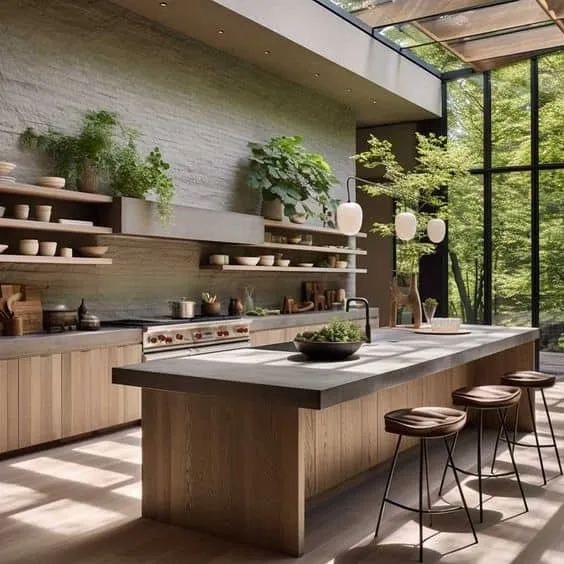
Integrating elements of biophilic design into the workspace has gained widespread attention due to its positive impact on employee wellbeing. Including indoor plants, green walls, natural materials, and nature views can help reduce stress levels, improve cognitive function, and increase overall satisfaction. Biophilic design creates a connection with nature, forming a calm and visually appealing environment that promotes employee wellbeing and productivity.
Facilitating Collaboration and Communication
Open Layouts for Spontaneous Interactions
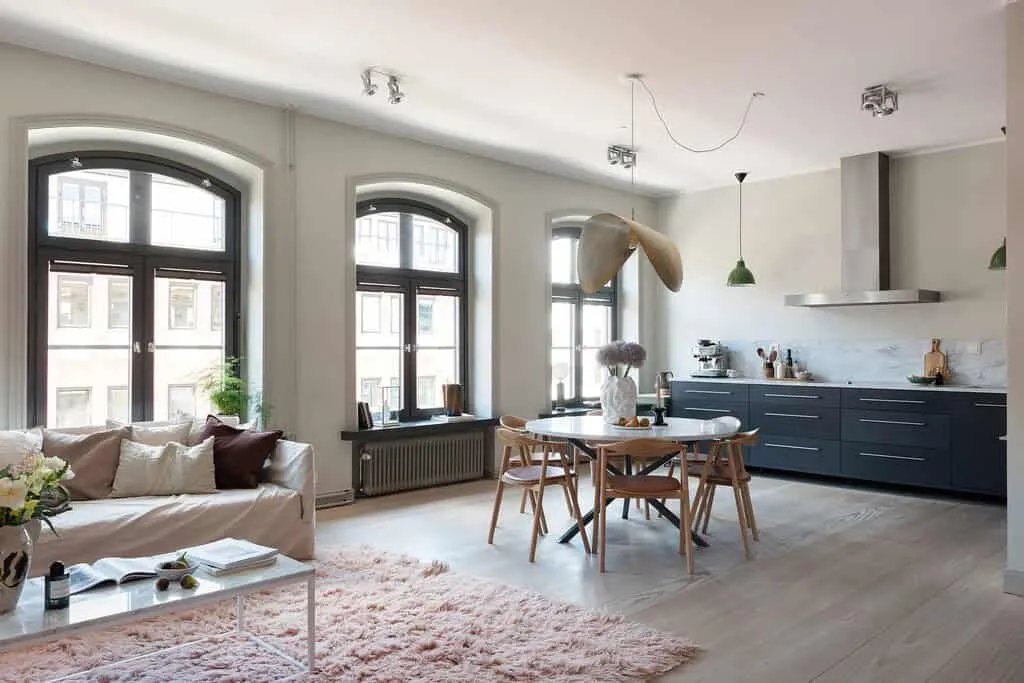
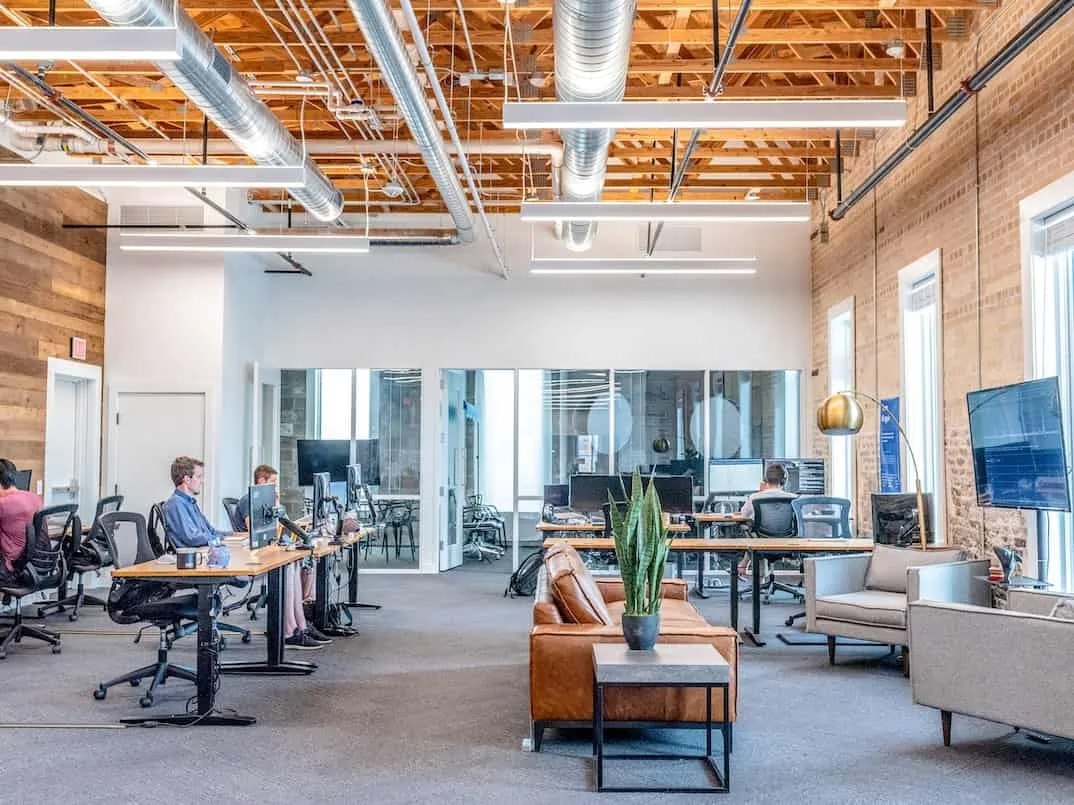
Open layouts have become popular in modern workplace design due to their ability to encourage collaboration and information sharing. Removing physical barriers and creating a sense of shared space facilitates spontaneous interactions among employees. This layout makes it easier to exchange ideas, collaborate in teams, and build social connections, leading to improved collaboration and innovative thinking.
Common Areas for Informal Collaboration
Besides open layouts, including specially designated common areas can further enhance collaboration and communication. Creating cozy break zones, lounge spaces, or cafe-style environments encourages employees to have informal conversations and share ideas. These areas create an inviting and relaxing atmosphere, stimulating creativity and fostering relationships among team members.
Conference Rooms and Collaboration Zones for Structured Discussions
While informal collaboration is important, it's also crucial to provide spaces for structured discussions. Well-designed conference rooms equipped with modern technology, writable walls, and comfortable furniture create an environment for focused and productive meetings. Collaboration zones equipped with interactive tools and brainstorming materials encourage teams to engage in structured problem-solving and idea generation, fostering innovation and teamwork.
Boosting Productivity and Focus
Acoustic Design for Noise Control
Noise distractions can significantly impact productivity and focus in the workplace. For this reason, thoughtful acoustic design is essential. Using sound-absorbing materials such as acoustic panels and ceiling barriers can help reduce noise reverberation, minimizing distractions and creating a quieter atmosphere. Creating designated quiet zones or providing individual workspaces with visual and acoustic privacy allows employees to perform tasks requiring deep focus without interruptions.
Strategic Zoning for Different Work Modes
Creating different zones for focused work, collaboration, and rest allows employees to choose an environment that best suits their tasks. Quiet zones free from distractions provide ideal conditions for tasks requiring concentration, while collaboration zones encourage active participation and teamwork. Designing rest and recovery spaces such as wellness rooms or comfortable break areas enables employees to recharge and maintain a healthy work-life balance.
Ergonomics and Comfort for Sustainable Productivity
Employee comfort plays a key role in sustaining productivity. Well-designed workspaces should provide comfortable seating, proper lighting, and temperature control. Additionally, incorporating break zones with alternative furniture options such as standing desks or cozy corners allows employees to change positions and work environments, reducing fatigue and increasing productivity.
Reflecting Corporate Culture and Values
Aesthetics and Branding for Consistency with Identity
Workspace design can serve as a visual reflection of the company's culture and values. Incorporating branding elements such as logos, corporate colors, and mission statements helps create a consistent and inspiring environment. A cohesive brand throughout the workspace reinforces organizational identity and fosters pride among employees.
Flexible Spaces for Adaptability
Creating workspaces with flexibility allows organizations to adapt to changing needs and future growth. Using modular furniture and movable partitions enables easy reconfiguration of the space, accommodating various team sizes and activities. This flexibility promotes agility, collaboration, and innovation. If you live in Sydney, you know that some of the best coworking spaces in Sydney are designed this way. It's not only great for morale but also aligns with modern trends.
Convenience and Services for Employee Wellbeing
A workspace reflecting the company's values should prioritize employee wellbeing by providing necessary conveniences and services. This includes comfortable break areas, relaxation rooms, well-equipped kitchens, and recreational zones. These measures create a positive and supportive work environment that enhances employee satisfaction and retention.
Inspiring Creativity and Innovation
Integration of Inspiring Art and Visual Stimuli
Art has the ability to inspire, provoke thought, and stimulate creativity. Integrating art into the workplace can create a visually stimulating environment that encourages innovative thinking. Displaying artworks, whether paintings, sculptures, or digital installations, adds a creative touch to the workspace and serves as an inspiration for employees. Art can spark conversations, generate new ideas, and awaken imagination, fostering a culture of innovation.
Creating Creative Zones and Idea Incubators
Dedicated spaces specifically designed for creative thinking can serve as idea incubators within the workplace. These zones may be equipped with writable walls, brainstorming tools, and comfortable furniture, providing employees with a dedicated space to unleash their creativity. Creative zones should have a relaxing and inviting atmosphere, allowing employees to think freely and explore unconventional ideas. By providing dedicated space for creative efforts, organizations encourage employees to go beyond conventional thinking and contribute to innovative solutions.
Embracing Diversity and Collaboration
A workspace design that embraces diversity and encourages collaboration is essential for fostering creativity and innovation. Creating a diverse and inclusive environment encourages employees to share their unique perspectives, experiences, and ideas. Integrating common areas and collaboration zones that facilitate interaction between people from different departments or backgrounds allows organizations to foster idea exchange and create opportunities for innovative thinking.
Supporting Flexibility and Adaptability
Flexible Workspace Design for Changing Needs
Flexible workspace design involves creating modular and multi-functional spaces that can be easily reconfigured according to changing needs. Mobile furniture, movable partitions, and flexible layouts enable organizations to adapt their workspace to shifting team dynamics, project requirements, or technological changes. Flexible design ensures seamless transitions between individual and collaborative work, promoting productivity and efficiency.
Technology Integration
In the era of digital transformation, technology plays a vital role in enabling flexible working conditions. Workspaces with integrated technologies facilitate seamless transitions between physical and virtual collaboration. Providing sufficient power outlets, wireless connectivity, and video conferencing capabilities allows employees to connect and collaborate regardless of their location within the workspace. Technology integration supports remote work, virtual meetings, and flexible project management, fostering collaboration and adaptability.
Creating Spaces for Focus and Flow
While collaboration is important, it's also necessary to provide spaces for focused work and uninterrupted concentration. Designating quiet zones or ensuring closed workspaces with acoustic and visual privacy allows employees to perform tasks requiring deep focus and attention to detail. Including elements such as sound-absorbing materials, noise isolation solutions, and ergonomic furniture enables organizations to create an environment that supports continuous workflow and facilitates the state of flow.
Supporting Employee Wellbeing and Work-Life Balance
Design of Break and Wellness Areas
Employee wellbeing extends beyond physical comfort; it also includes mental and emotional health. Designing specially designated break and wellness areas within the workspace provides employees with opportunities to relax, recharge, and focus on self-management. These zones can be equipped with comfortable furniture, calming lighting, and tranquil elements such as plants or water features. Including meditation rooms, yoga studios, or quiet spaces for mindfulness practices allows employees to take brief breaks and reduce stress, contributing to overall wellbeing and work-life balance.
Prioritizing Health and Safety Measures
In the context of the pandemic, health and safety have become top priorities. Workspaces designed with health measures such as reliable ventilation systems, contactless technologies, and sufficient sanitization stations instill confidence and calm in employees. Implementing social distancing protocols and creating spaces that allow safe interaction further enhance employee wellbeing. A workspace prioritizing health and safety creates a sense of security, allowing employees to focus on work with confidence.
Enhancing Employee Engagement and Satisfaction
Employee-Centric Amenities and Services
A workspace design prioritizing employee satisfaction and engagement includes providing amenities and services that meet their needs. Including conveniences such as comfortable break areas, well-equipped kitchens or cafeterias, recreational zones, or fitness facilities contributes to a positive and engaging work environment. Providing these amenities demonstrates the organization's commitment to employee wellbeing and fosters a sense of community within the workplace.
Personalization and Flexibility in Workspace Design
Considering that employees have different preferences and working styles, offering personalization and flexibility in workspace design can significantly increase engagement and satisfaction. Allowing employees to customize their workspaces, whether through adjustable desks, personalized storage options, or decorative elements, gives them the opportunity to create a workspace that reflects their individuality. Moreover, offering flexible working conditions such as remote work options or flexible schedules shows trust and understanding, leading to higher levels of employee satisfaction and loyalty.
Eco-friendliness and Environmental Responsibility
Using Sustainable Materials and Practices
Creating environmentally friendly workspaces aligns with the growing attention to sustainable development and environmental responsibility. Using sustainable materials such as recycled or renewable resources reduces carbon footprint and promotes responsible consumption. Implementing energy-efficient lighting systems, establishing recycling programs, and designing spaces with optimized natural ventilation and reduced energy consumption contribute to a greener workspace. Prioritizing sustainability in design decisions demonstrates the organization's commitment to environmental management and inspires employees to adopt sustainable practices both inside and outside of work.
Biophilic Design and Energy Efficiency
Biophilic design principles involve using natural elements of the surrounding environment to create energy-efficient and comfortable workspaces. Considering factors such as orientation, natural light, shading, and thermal insulation, organizations can optimize energy efficiency and reduce reliance on artificial heating or cooling. Biophilic design not only reduces energy costs but also creates a more pleasant and sustainable work environment for employees.
Embracing Technology for Seamless Workflows:
Integration of Smart Technologies and Automation
In the era of digital transformation, integrating smart technologies and automation into workspace design can optimize processes and boost productivity. From smart lighting and climate control systems that adapt to occupancy and natural light, to automated task management and collaboration tools, technological integration enhances efficiency and reduces manual work. Embracing technology allows organizations to create a seamless and connected workspace where employees can work more effectively and focus on value-added activities.
Providing Digital Collaboration Tools and Virtual Communication Platforms
In an increasingly globalized and remote world, digital collaboration tools and virtual communication platforms have become essential for effective team work. Workspaces designed to facilitate the use of these tools, such as providing conference rooms with high-quality audio and video capabilities or integrating virtual whiteboards and project management software, support seamless collaboration among team members regardless of their physical location. This technology-supported work promotes efficiency, reduces travel costs, and fosters an inclusive culture.
Prioritizing Data Security and Privacy
As technology evolves, ensuring data security and privacy becomes critically important. Workspaces prioritizing secure networks, encrypted communication channels, and access control measures protect confidential information and maintain trust among employees and clients. Integrating privacy solutions such as soundproof meeting rooms or noise-isolated booths facilitates confidential discussions and sensitive work without interruptions. By addressing data security concerns, organizations create an environment where employees can confidently use technology and focus on their work.
Organizations have the opportunity to create workspaces that prioritize health and safety, employee engagement and satisfaction, sustainability and environmental responsibility, technology integration for seamless workflows, data security and privacy. By considering all these elements when making workspace design decisions, organizations can create a safe environment where employees feel comfortable and encourage collaboration through virtual communication platforms. This is not only beneficial to employees, providing them with a cozy atmosphere, but also helps businesses increase efficiency by leveraging smart technologies. Investing in such measures is necessary for companies that want to stay at the forefront of competition and ensure long-term growth.