Basics of Winter Plant Care You Should Know
Not only you, but your plants become lazy in winter! During this period they enter a dormant state and don't even think about waking up. This plant metabolism during sleep makes them beautiful and strong in spring and summer.
Continue reading the article to better understand what happens with plants in winter, and how to properly care for them during this season.
Not only you, but your plants become lazy in winter! During this period they enter a dormant state and don't even think about waking up. This plant metabolism during sleep makes them beautiful and strong in spring and summer.
What Happens to Plants in Winter?
 Pinterest
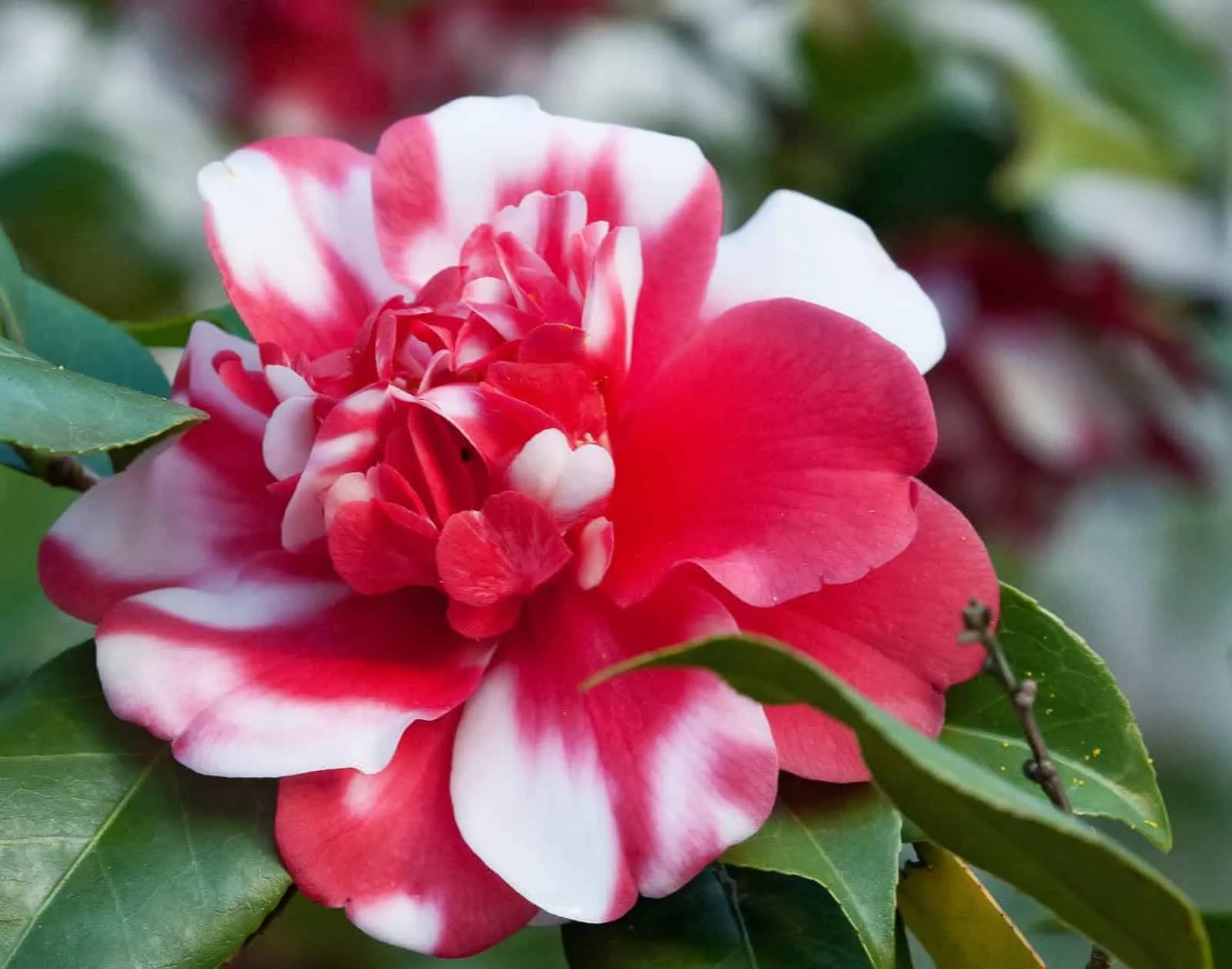
With decreasing temperature and less sunlight, plants enter a dormant or hibernation state. This is a natural trait of plants with a specific purpose. When entering dormancy, plants conserve energy to return fresh in spring. As a result, many plants do not produce new buds, fruits, or flowers in winter, except for species that behave differently during this time.
Therefore, do not try to stimulate your plants with fertilizers hoping they will grow new leaves. This is a big mistake that can lead to unnecessary suffering. Leave the plants undisturbed and don't worry: they will return in spring!
How to Care for Plants in Winter
 Pinterest
Look for Light
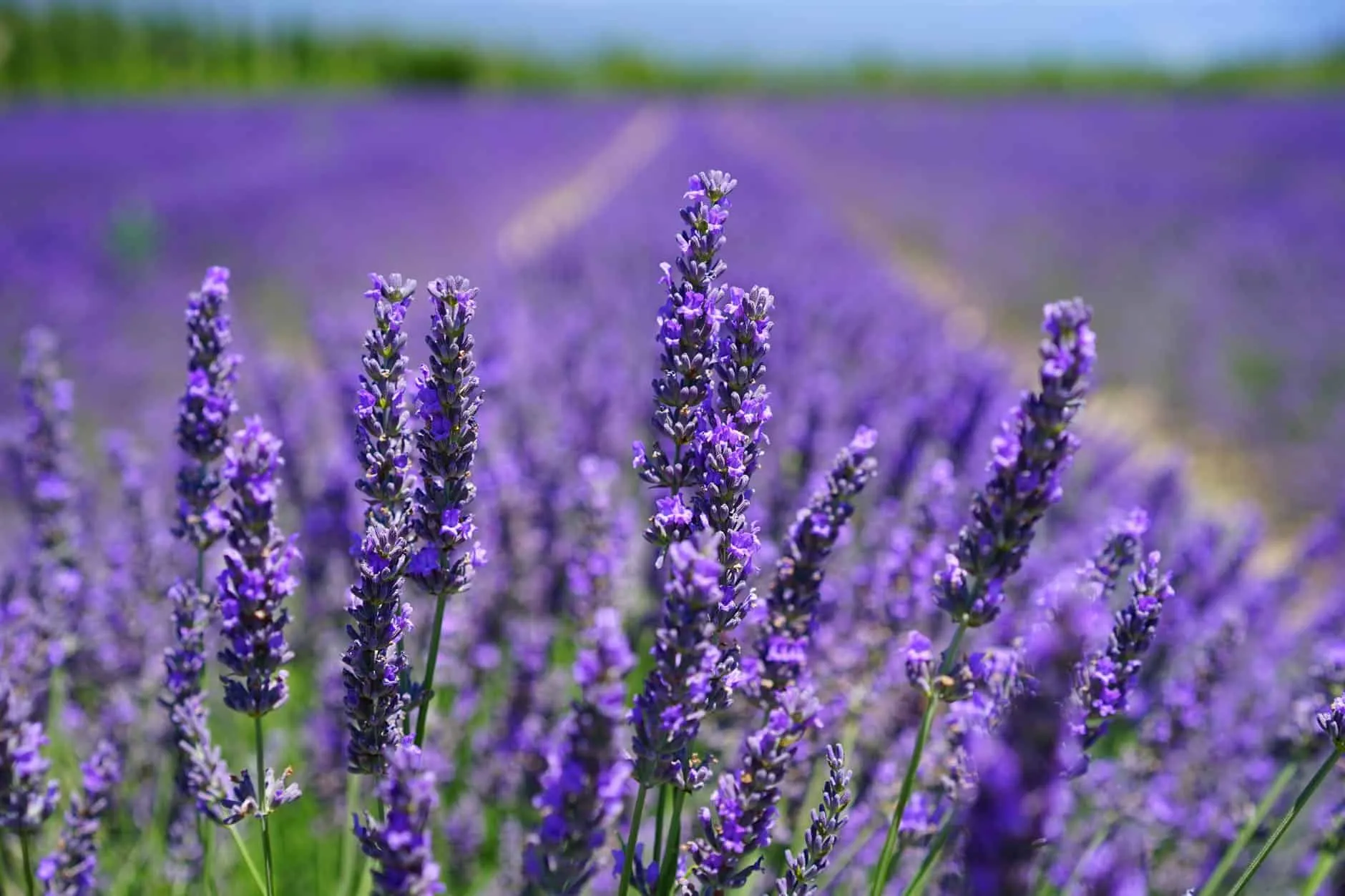
In winter, days are shorter and there is less sunlight. Cloudy weather also affects plant metabolism. As a good caretaker, you should be aware of these changes to continue providing your seedlings with all necessary things. Even in a dormant state, plants still undergo photosynthesis, so they need light.
If your home becomes darker in winter, consider moving pots to a brighter room or even outdoors. Being closer to the light source also helps plants warm up during the day, preventing moisture buildup and thus fungal and bacterial infections.
Colder, Less Watering
Cold makes the environment more humid. This is no exception for plants. Water stays longer in pots, and soil dries out more slowly. During this cold period, plants drink less water, so they need less frequent watering.
Therefore it's recommended to halve the amount of water in winter. If you water pots three times a week in summer, water them only once in winter. Wait until the soil dries out before watering again. Excess moisture is a big problem during this time, as it leads to fungi, bacteria, pests and can damage roots or even cause root rot.
Loosen the Soil
Make it a habit to check the soil in pots during winter. During this time, soil often compacts and hardens, which hinders water penetration and necessary air for the plant.
One way to notice this issue is during watering. If you observe that water takes a long time to soak in, it's time to loosen the soil. In pots this can be done with a spoon handle while always protecting roots. In gardens and vegetable patches, soften the soil using a rake.
 Pinterest
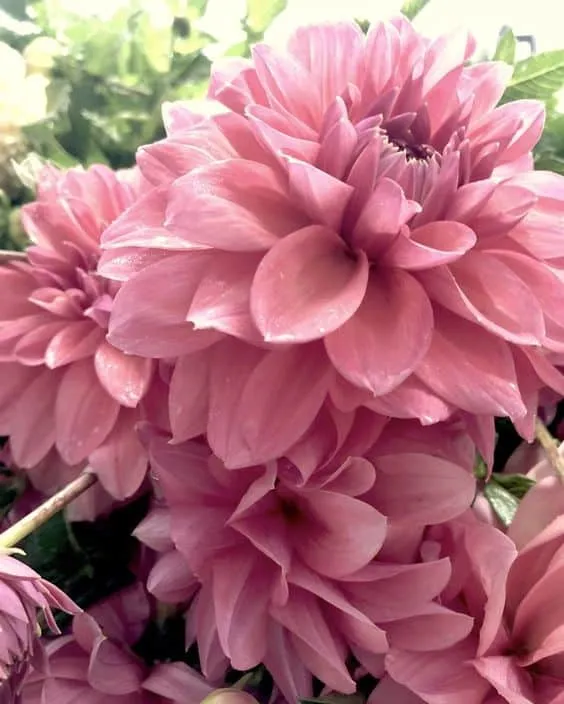
Flowering Plants for Winter Growing
- Camellia;
- Love Perfect;
- Veteran;
- Lavender;
- Jasmine;
- Tulips
- Hydrangea;
- Geranium;
- Dahlia;
- Cyclamen;
Vegetables for Winter Growing
- Lettuce;
- Head Cabbage;
- Celery;
- Parsley;
- Leek;
- Sorrel;
- Spinach;
- Mint;
- Sorrel
Now that you know how to care for plants in winter, check if all is well with your green plants and take advantage of the opportunity to create a new garden.