The Art of Eco-Friendly Housing: Designing Sustainable Homes
In a world where more people are becoming aware of their impact on the environment, the concept of sustainable living has evolved from a trendy fad to a way of life. Architects and interior designers are at the forefront of the green revolution, integrating eco-friendly practices into modern homes. In this study, we immerse ourselves in the art of sustainable living spaces and strive to highlight the fusion of innovative design and ecological consciousness.
The Green Revolution in Architecture
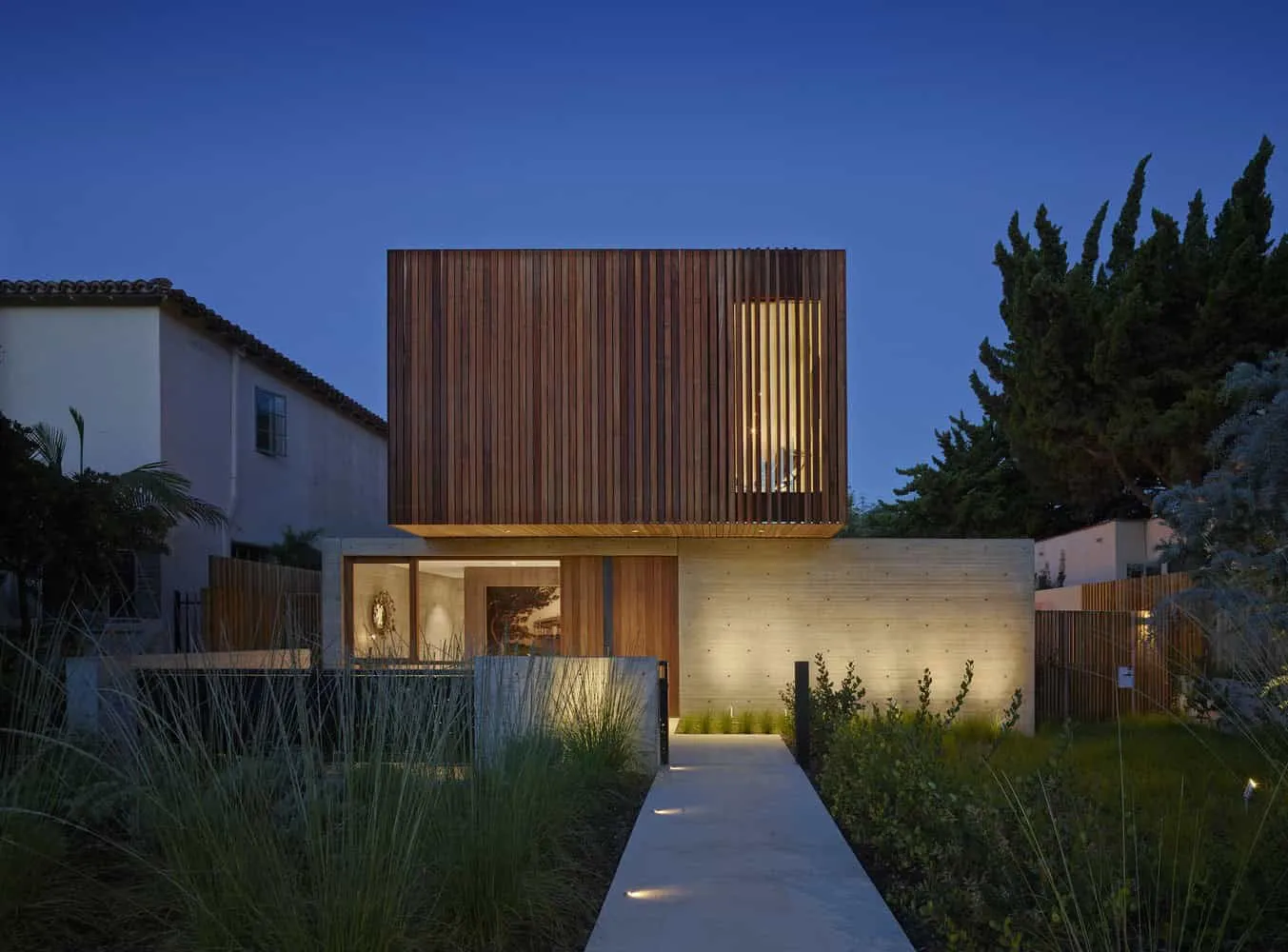
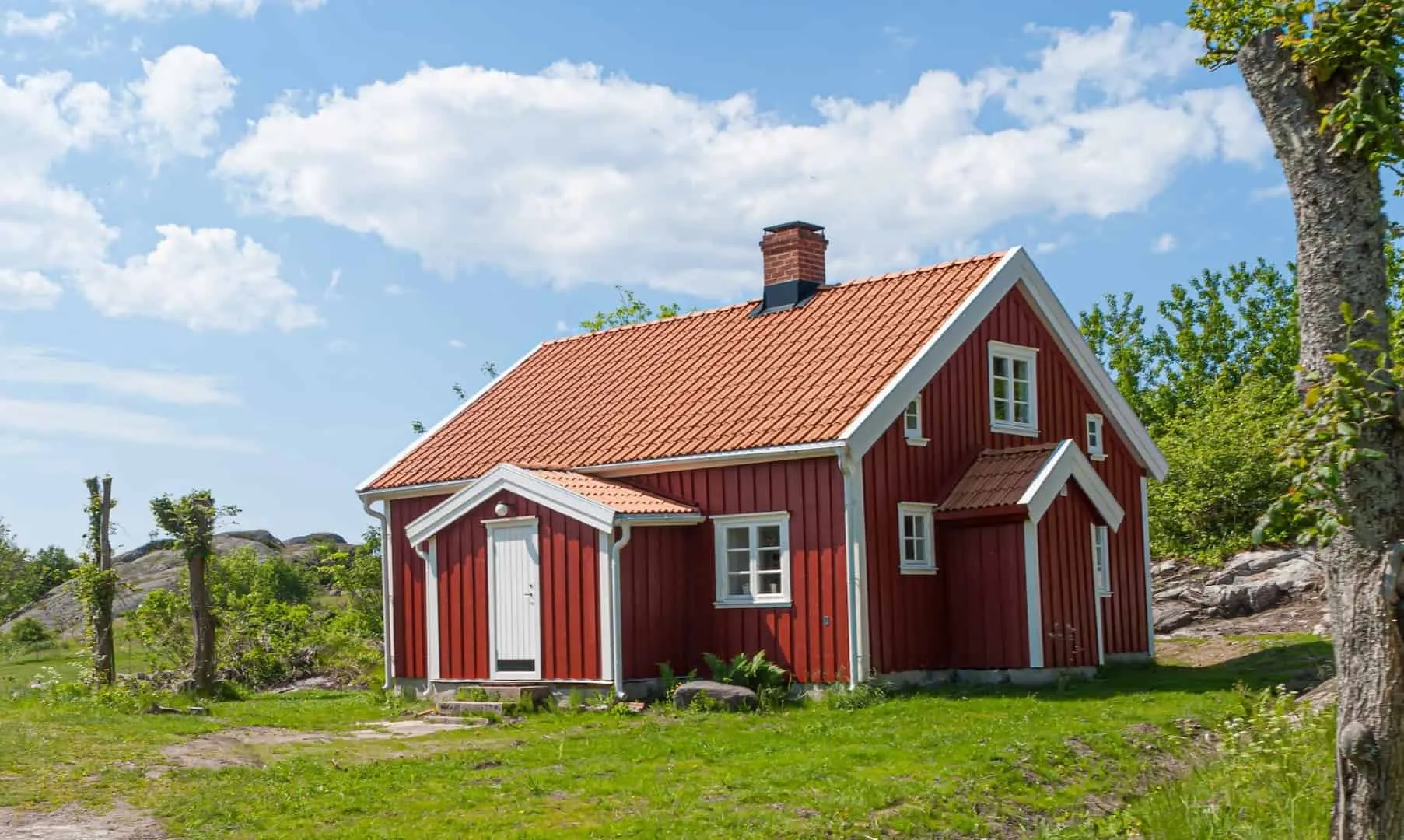
In today's rapidly changing architectural landscape, forward-thinking visionaries are driving a profound shift toward sustainable practices that go beyond mere aesthetic considerations. Today's architects not only design buildings but also shape a movement where ecological awareness becomes the foundation.
Green roofs, once considered avant-garde solutions, have become symbols of this architectural revolution. More than just a visual statement, they serve as living ecosystems that provide insulation, absorb rainwater, and even create urban green spaces. This innovative approach transforms ordinary rooftops into thriving habitats that foster biodiversity right in the heart of our cities.
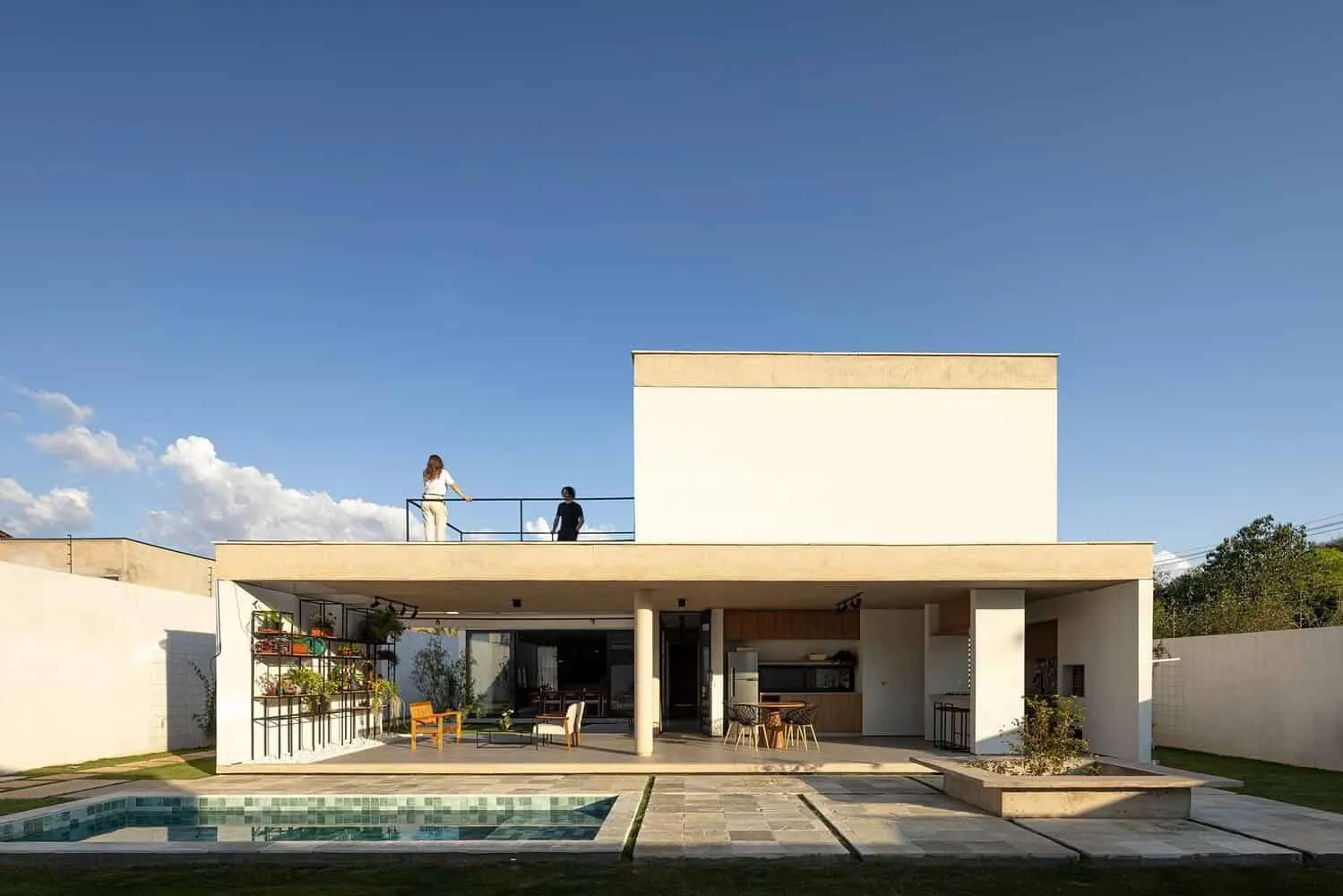
Passive solar design, another hallmark of this green wave, extends beyond traditional energy efficiency measures. Architects strategically harness the power of sunlight to create spaces that maximize natural heating and cooling. Large windows placed strategically, thermal mass usage, and intelligent building orientation—all these elements ensure seamless integration of structures into their ecological context while minimizing dependence on artificial climate control.
Additionally, the use of recycled and reclaimed materials has become a defining characteristic of sustainable architecture. Waste finds new life as part of innovative constructions. Architects embrace the challenge of material recycling not only for its ecological value but also as a testament to creativity and resource-consciousness in an era of responsible environmental stewardship.
Essentially, the goal of this architectural paradigm is not simply to erect buildings but to create structures that harmoniously interact with their environment. Architects aim to build edifices that not only minimize their ecological footprint but also positively impact the environment. The green revolution in architecture is not just a trend—it's an endeavor to shape a more sustainable and harmonious future through conscious and innovative design.
Concepts of Eco-Conscious Interior Design
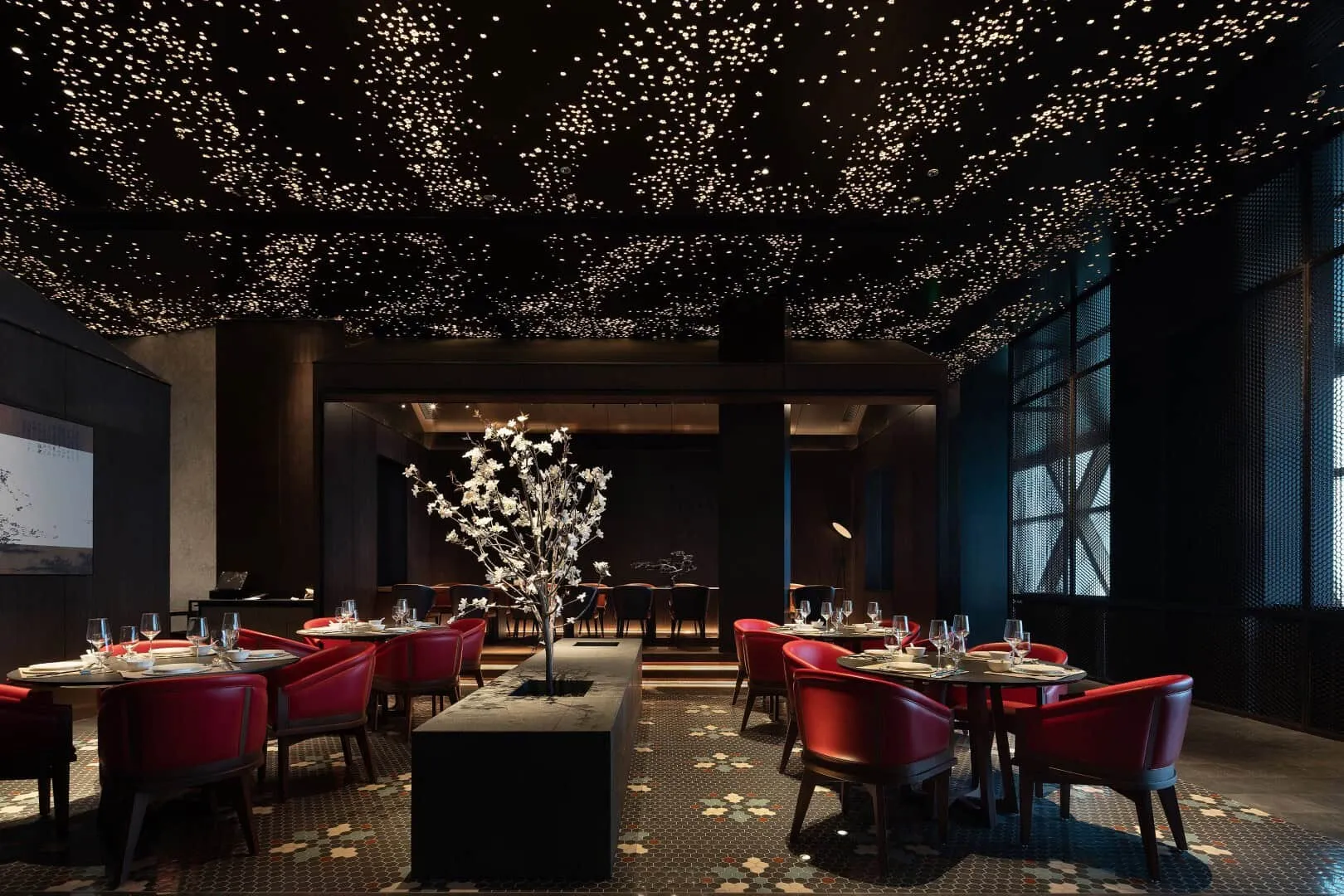
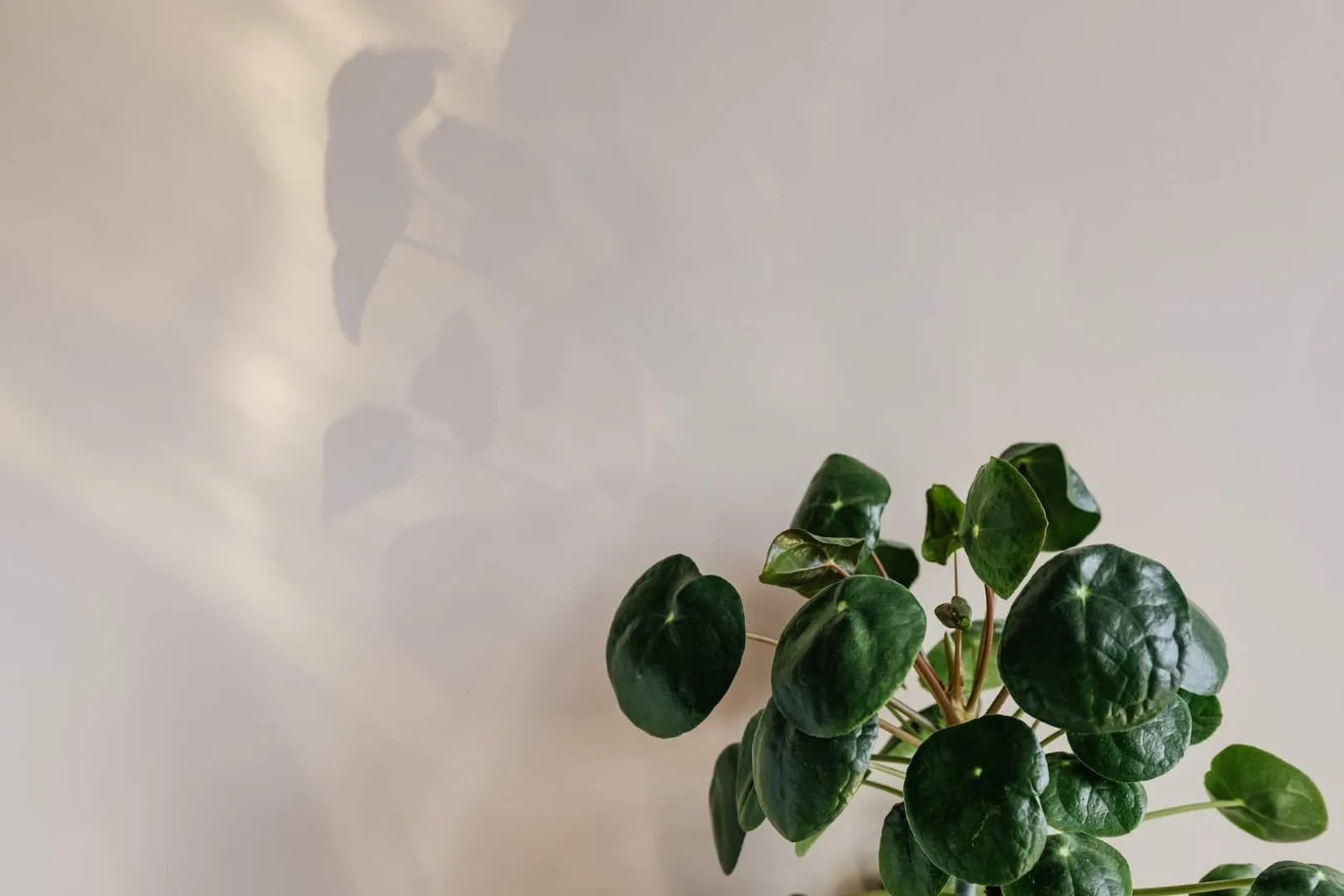
Step into these sustainable sanctuaries where interior design becomes a mindful interaction between aesthetics and environmental responsibility. From the refined simplicity of bamboo flooring to strategic use of energy-efficient lighting, designers create spaces where style and sustainability blend harmoniously. Bamboo, known for its renewability, adds a note of natural grace, while energy-efficient lighting—especially LED bulbs—not only enhances the ambiance but also reduces the ecological footprint.
Moreover, these eco-friendly interiors transcend traditional boundaries through smart home integration. Residents can easily monitor and control their environmental impact. Automated systems regulate temperature, lighting, and energy consumption, harmonizing comfort with resource conservation. In this design domain, every element becomes a mindful choice, creating spaces that delight the eye and enrich life while caring for the planet.
Financial Benefits of Green Living
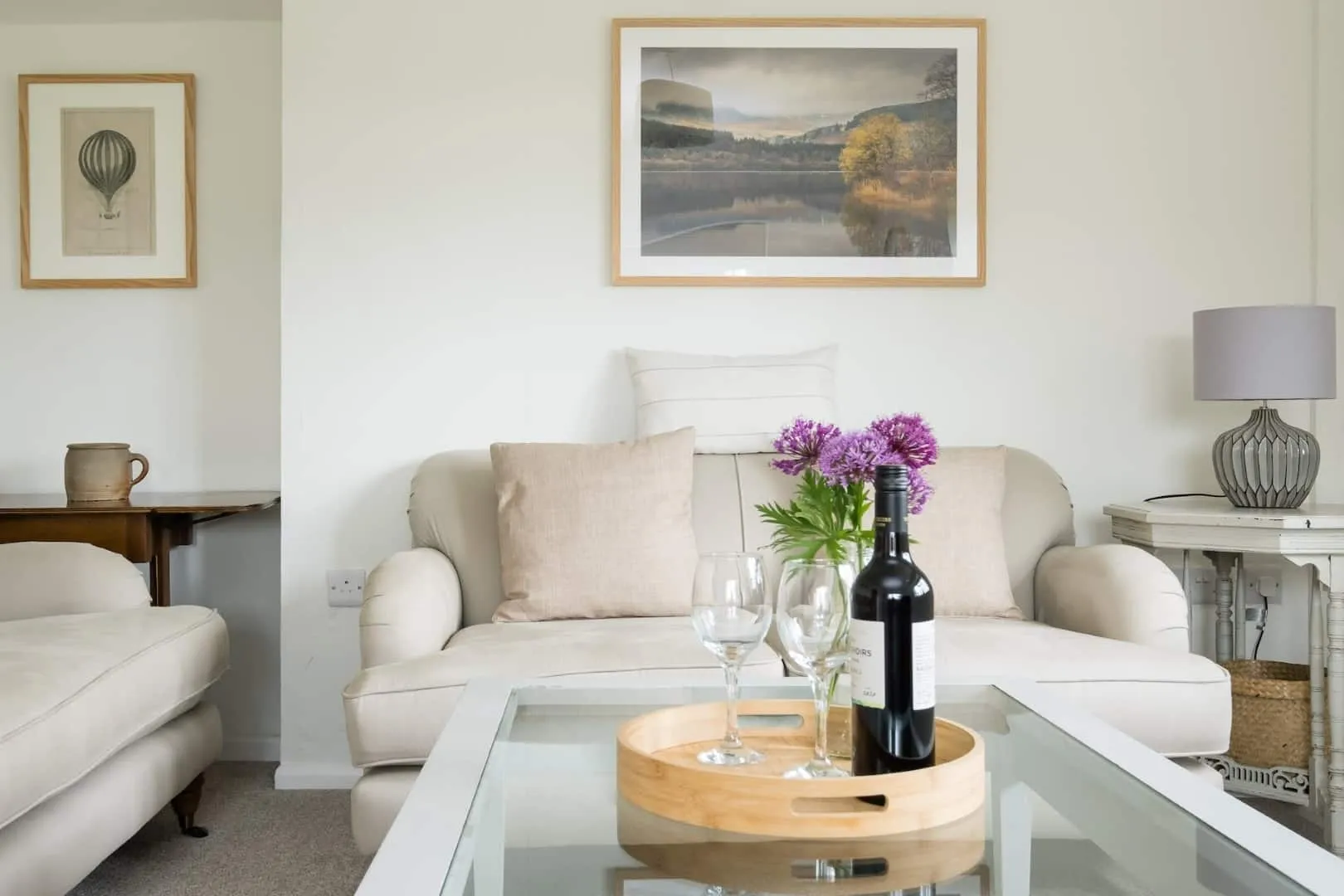
Beyond the obvious environmental advantages, embracing a sustainable lifestyle reveals a whole world of significant financial benefits. Integrating energy-efficient technology and design isn't just an environmental gesture but a practical approach that leads to reduced utility bills and clear economic advantages. Furthermore, the durability of eco-friendly materials contributes not only to environmental preservation but also lowers maintenance costs, sparing homeowners from constant repairs and replacements.
Initial investments in sustainability, often perceived as a conscious choice, eventually become sound financial decisions. As electricity bills decrease and maintenance expenses are minimal, the economic viability of sustainable living becomes evident. Beyond its positive impact on the planet, green living is a sensible long-term strategy that combines environmental responsibility with practical financial management.
Making Green Living Accessible
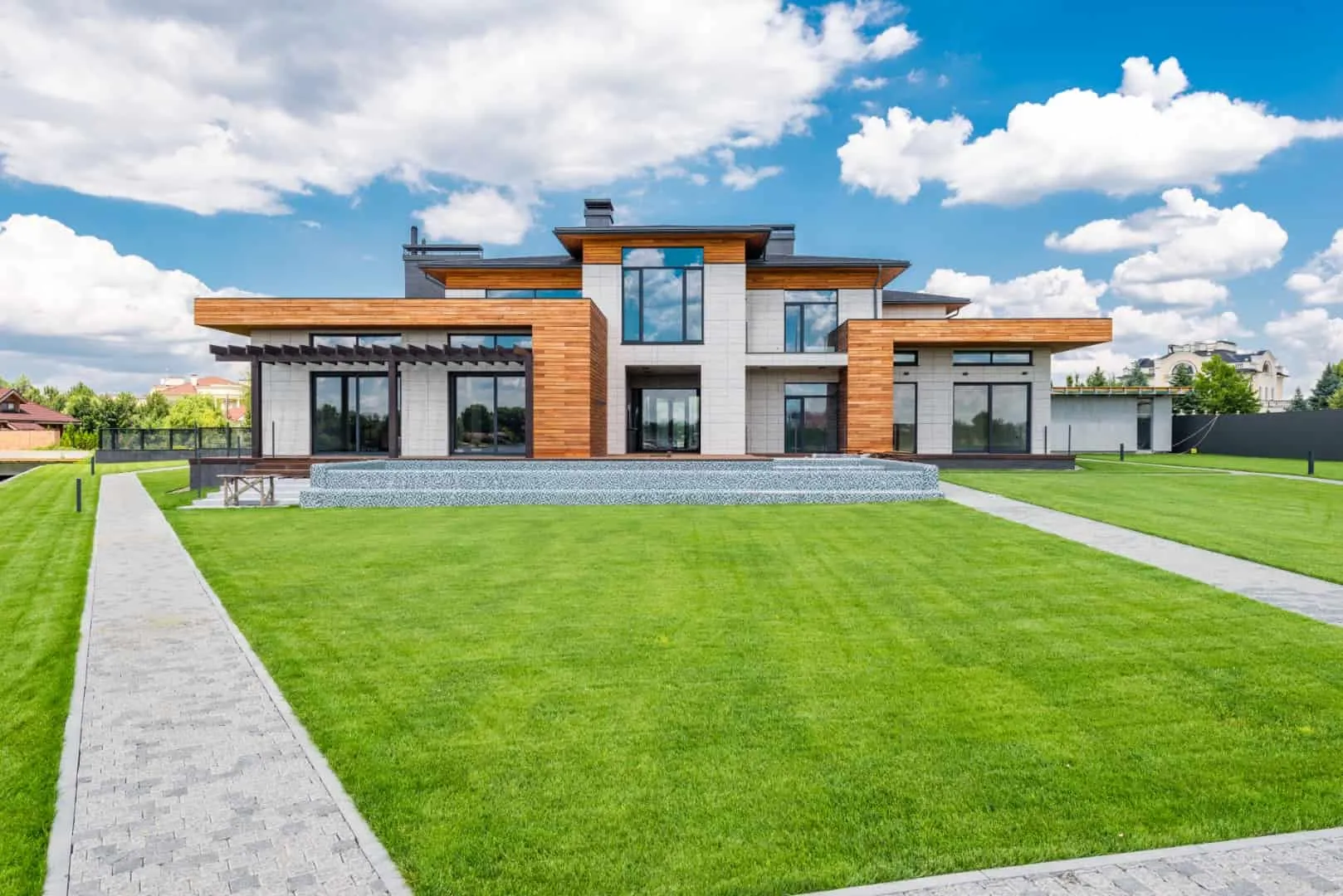
Dispelling a common misconception, embracing sustainable living doesn't require substantial financial investment. Contrary to popular belief, affordable alternatives and budget-conscious approaches to green living are numerous. The spectrum of possibilities ranges from DIY projects using reclaimed materials to tapping into local resources, opening multiple paths for people to adopt eco-friendly practices without financial strain.
Accessibility of sustainable living isn't just a theoretical concept but a reality. Encouraging resource-saving approaches and creativity, individuals can actively participate in environmentally conscious choices without compromising their financial well-being. This shift in perception transforms the idea of sustainability from an exclusive concept to an accessible, inclusive way of life that benefits both individuals and the planet.
Equipping Your Green Home
As you embark on the journey to create your sustainable oasis, careful financial planning is essential. Despite widespread beliefs about high initial costs of green living, there's a transformative path—securing a mortgage tailored to your ecological goals. Various financial institutions recognize the importance of sustainable living and offer specialized loans for green projects. This aligns with your financial capabilities and long-term commitment to environmental responsibility.
Understanding the mortgage application process becomes key to realizing your dream of an eco-friendly home. Navigating this financial landscape requires exploring various lending options. Consider factors such as interest rates, repayment terms, and any ecological incentives provided by lenders. Choose a loan that not only fits your financial plan but also reflects your commitment to sustainable living. Such mindful choices help bring your green home to life while strengthening the connection between responsible financial decisions and a more sustainable, greener future.
Bringing Your Sustainable Home to Life
Concluding this study, achieving the art of sustainable living spaces requires a harmonious blend of responsible lifestyle, modern design, and financial feasibility. It's not just about constructing a physical structure but creating an environment that reflects your commitment to a greener future. Integrating eco-conscious decisions in design and using sustainable materials becomes a tangible expression of your dedication to style and environmental responsibility.
As you take the first important steps toward creating your eco-friendly home sanctuary, envision a space where every detail tells a story of sustainability. Every element—from the flooring underfoot to lighting in rooms—becomes a testament to the fusion of style and ecological awareness. In this endeavor, you're not just building a home but starting a lifestyle that reflects your values and contributes to a more sustainable world.
Explore more articles on sustainable living, discover design tips, and master the landscape of home financing on our website. Begin your journey to an eco-friendly home that not only reflects your aesthetic preferences but also contributes to a greener and more sustainable future.