10 Best Ways to Include a Play Zone in Your Apartment Project
Play zones stimulate physical activity and encourage children to spend time outdoors. Play zones are also great for all ages to relieve stress. Adding a play zone to a residential complex increases its value. Here are several points to consider when designing the space.
1. Start with Design
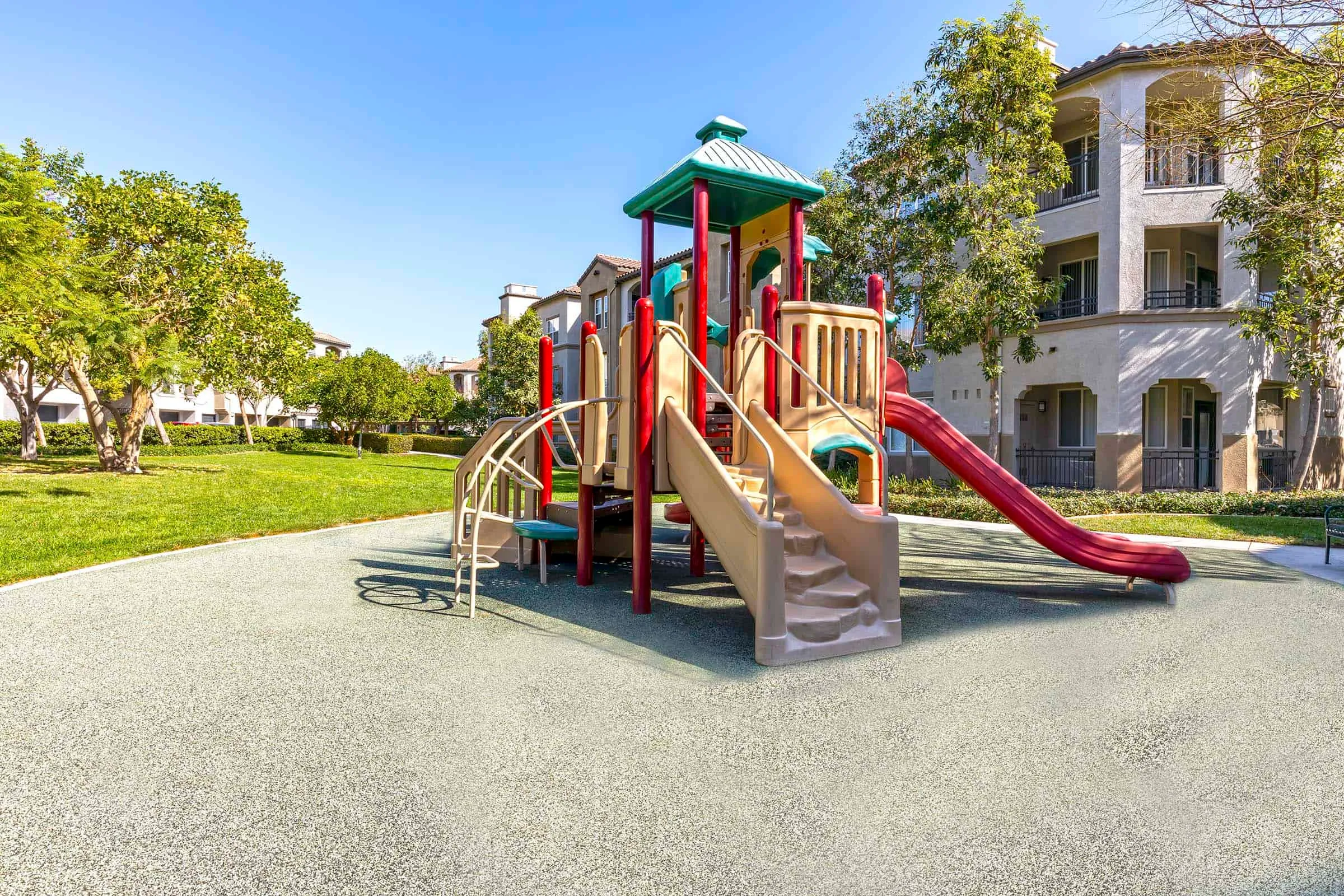
The first step is developing a functional plan. Provide equipment that allows for various styles of play. Create structures with different sounds, visuals, and textures. This can stimulate a child's brain.
Also install a climbing wall to encourage physical activity. To enhance the space, choose a theme that fits the residential complex. For example, if healthy eating is promoted in the complex, place a community garden near the play zone. If you have trouble selecting features, survey parents and children in the building. When purchasing equipment, consider the age of children in the complex. Also take into account the number of children to determine an appropriate size.
2. Make It an Inclusive Space
Ensure the play zone is accessible to all children, especially those with disabilities. Create structures that allow kids to play together. For example, you can build a puzzle ramp or sensory activities.
Here are some additional design suggestions:
- Use inclusive swings, such as zero gravity.
- Include a variety of audio, visual, and tactile sensors.
- Provide isolated rest areas for children.
- Add high-backed seats with armrests.
3. Make Safety a Priority
Follow all local safety standards when creating the space. For example, you may need to clear some trees. Ensure you do not harm surrounding wildlife. It's also important to choose appropriate building materials.
You want soft surfaces such as wood chips or rubber. You need at least 12 inches of this material to meet safety standards. Additionally, provide space between moving parts and areas where children walk. Have an open layout so parents can easily observe the children.
4. Encourage Free Play
Keep in mind that the space doesn't have to be fully structured. Children need opportunities to use their imagination and develop social skills. A more creative approach can also boost self-esteem and confidence.
Think about how to encourage more free play. For example, create zones with minimal equipment so children can use them as backdrops. A small tree trunk could appear like an entrance to the jungle for little ones.
5. Consider Location and Other Key Aspects
You need a proper plan before beginning equipment installation. This can save you stress and money. First, define the landlord's goals. Do they want to offer tenants extra outdoor space? It’s also important to consider who will have access to the play zone and when. Know this information when meeting with local representatives for blueprint discussions.
Next, create a project timeline and the best place to build it. Keep in mind that installation can take several weeks. Therefore, having a deadline helps avoid delays. Find suitable spots for construction. You want areas with shade and good drainage. Also, ensure the entrance is accessible to everyone, including wheelchair users.
6. Use Quality Play Equipment
You want to be sure the materials are safe for children. Therefore, choose a reputable company that uses durable materials and proper installation methods. Read online reviews and get recommendations to find a reliable supplier.
Ensure it is high-quality material such as galvanized steel, and that it comes with a warranty. Meet with the installer to know what to expect in advance. Also look for installers who use eco-friendly materials like recycled plastic.
7. Obtain Required Documents
If you don't own the land, obtain all necessary approvals or permits. Also review local zoning laws and building codes. Check your local labor department website for specific information.
Work with the surrounding neighborhood to identify any restrictions. Having these documents prevents project delays and large fines. Start this process as early as possible.
8. Host a Charity Event
Charity events can be an excellent way to raise a little extra funding. You can come up with a fun name and see if current tenants or community members are willing to contribute. You can also give away free merchandise, such as t-shirts.
Also collaborate with local parks to spread the word. You can also look for grants or support from non-profit organizations. Governments may offer grants for community projects. First, search online local resources and programs. Corporations can also be a source of funding.
9. Add a Fence
Fences can provide privacy and protection for the play zone. They prevent vehicles from entering the area and stop children from running onto parking lots. Check local safety standards before installing a fence.
There are many fencing options available. Metal mesh is the cheapest but offers less visual impact. Wood provides classic beauty, though it's less durable over time.
10. Add Socialization-Friendly Equipment
Time spent in a play zone can be beneficial for children's social skills. These skills can then apply to other areas like school and relationships. Therefore, add elements such as group swings and spinners. There are also platforms with multiple colors and textures to encourage creative play.
These features can promote greater inclusion. This is especially important for shy children who may need encouragement to interact with others. It also gives parents a chance to relax without participating in play with their children.
Adding a Play Zone to Your Apartment
Apartments often offer many amenities. A play zone can be a great addition to encourage physical activity and positive motivation. Follow these steps to create the ideal design.