Environmental Sustainability and Metal Buildings: A Data-Driven Approach to Eco-Friendly Construction
As demand for sustainable construction methods grows, metal buildings are gaining significant attention due to their potential for eco-friendly building. Steel as a construction material is praised for its strength, recyclability, and energy efficiency. These characteristics make it an attractive choice for projects aiming to reduce environmental impact. The construction industry recognizes the importance of sustainable development, considering the enormous resource consumption and waste generation associated with traditional building processes.
Sustainable Design and Construction in Metal Buildings
Innovative Design for Sustainability
Innovative design in metal buildings focuses on minimizing environmental impact while maintaining functionality. Strategies such as modular construction offer ease of expansion and adaptability. The use of pre-engineered components reduces waste and on-site work, leading to less disruption and pollution.
Material and Resource Efficiency
The materials used in metal buildings, primarily steel and iron, offer sustainability advantages due to their recyclability and strength. Design optimization techniques aim at minimizing material usage. Moreover, recycling construction waste and using products with high recycled content have become industry standards.
Energy Efficiency and Climate Control
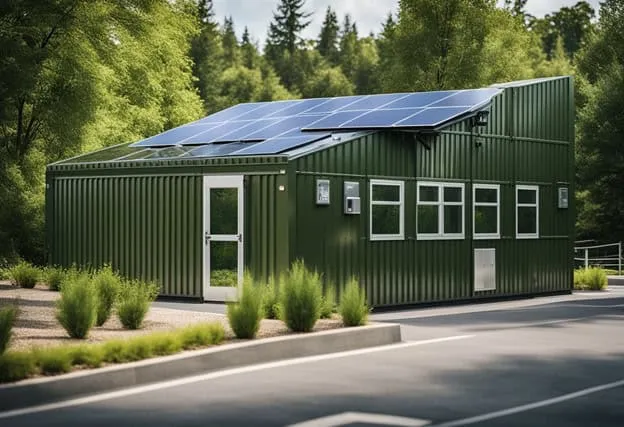
Metal buildings are designed for optimal energy efficiency. Features like reflective roofing coatings minimize heat absorption. Integration of solar panels and effective insulation systems reduce energy consumption for heating and cooling, significantly lowering the building's carbon footprint.
Sustainability and Regulations
Government policies and regulatory standards play a key role in promoting sustainable construction. Standards such as LEED and BREEAM assess and certify buildings based on various sustainability aspects. Compliance with these frameworks ensures that metal buildings meet high levels of environmental efficiency.
Data-Driven Sustainability in Construction
Big Data and Analytics in Eco-Friendly Construction
Big data and analytics are becoming increasingly important in building sustainable structures. Analyzing large datasets allows construction companies to identify areas for optimizing resource use and reducing waste. Innovative big data technologies enable the evaluation of various factors such as material strength, energy consumption patterns, and even the environmental impact of construction methods. The focus includes:
- Energy Efficiency: Using predictive analytics to enhance building design for reduced energy consumption.
- Resource Management: Monitoring raw material usage to minimize waste.
Artificial Intelligence for Building Lifecycle Management
Artificial intelligence (AI) transforms building lifecycle management. It goes beyond construction, including maintenance and demolition, ensuring sustainability from start to finish. AI's role in lifecycle management includes:
- Maintenance Forecasting: AI algorithms predict when building components need repair, thereby extending their lifespan and saving resources.
- Demolition Planning: AI supports material recycling and reuse by identifying the most sustainable demolition methods.
New Technologies for Smart Construction
Emerging technologies lay the foundation for smart construction, a central element in developing sustainable and intelligent cities. Environmental innovation through new technologies aims to minimize the ecological footprint of buildings. Key technologies include:
- 3D Printing: Reducing material waste and enabling the production of complex, custom building components.
- Green Materials: Advances in materials technology lead to more sustainable construction without compromising quality.
Economic and Environmental Impact
Metal buildings have become a significant part of the construction sector due to their sustainability and reduced environmental impact. The economic benefits combined with the ability to reduce carbon emissions and waste make them a valuable asset for a sustainable economy.
Reducing the Carbon Footprint of Metal Buildings
Metal buildings have the potential to significantly reduce the carbon footprint in the construction industry. The use of steel, which is often the primary material in metal buildings, offers advantages in recyclability and thus contributes to lowering greenhouse gas emissions during production.
- Recyclability: The inherent recyclability of steel means less raw material is needed, as old steel can be efficiently reused.
- Energy Efficiency: Modern metal buildings are often designed with energy efficiency in mind, featuring better insulation and reduced thermal bridging, leading to lower emissions from heating and cooling.
Economy of Sustainability in the Construction Industry
Transitioning to sustainability is not only environmentally correct but also economically beneficial. Investing in sustainable practices within the construction industry can drive economic growth, creating new markets and job opportunities in eco-friendly materials and technologies.
- Long-Term Savings: Metal buildings generally require less maintenance, resulting in cost savings over time.
- Job Creation: Demand for skilled workers in sustainable construction technologies supports employment growth in these emerging fields.
Construction Waste Management and Pollution Control
Effective waste management in construction is crucial for minimizing the environmental impact of metal buildings. Focusing on reducing waste generation and implementing pollution control measures can ensure that metal buildings are part of a sustainable economy.
- Waste Reduction: Pre-fabrication of components in controlled factory settings leads to precise construction with less waste on-site.
- Pollution Reduction: Adhering to strict standards and applying advanced pollution control technologies allows the industry to effectively reduce its contribution to land, water, and air pollution.
Integrating these practices, metal building construction can play a key role in maintaining ecological health and driving economic development.
Cases and Global Trends
Singapore's Approach to Sustainable Metal Construction
Singapore, a leader in urban sustainability, is at the forefront of implementing sustainable practices within its construction industry. The country has effectively used technology and innovation to create metal structures aligned with its vision of a sustainable economy. Notably, the Building and Construction Authority (BCA) in Singapore has introduced the Green Mark scheme to promote eco-friendly construction. As a result, metal buildings in Singapore are increasingly constructed using recycled materials, with adaptive reuse and energy-efficient systems incorporated, setting a recurring example for sustainable cities.
Eco-Cities and Eco-Districts Around the World
Eco-cities and eco-districts represent a growing global trend in sustainable urban development. These initiatives prioritize green building practices, often incorporating metal due to its recyclability and strength.
- Fujisawa Eco-City, Japan: Utilizing solar panels and energy storage systems, it embodies the global trends of eco-cities.
- Vauban, Germany: A district in Freiburg that widely uses renewable materials including metal, demonstrating economic development alongside environmental care.
These examples reflect a global shift toward eco-districts, which not only provide sustainable living but also promote broader goals of eco-cities.