Choosing Paint Colors That Expand Small Spaces
Decorating small spaces can be a challenging task, especially when choosing the right paint colors. The choice of paint can significantly affect how spacious a room appears. The correct color can make a small room feel more open and cozy. In this comprehensive guide, we'll explore the art and science of selecting paint colors that expand small spaces.
Understanding the Basics
 Pinterest
Before diving into specific paint colors, it's important to understand some fundamental principles of color perception:
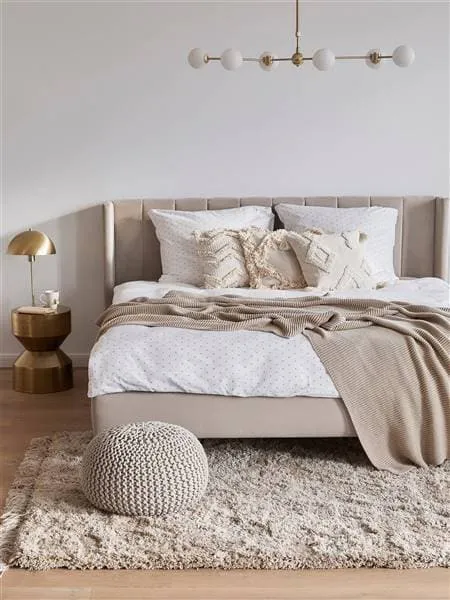
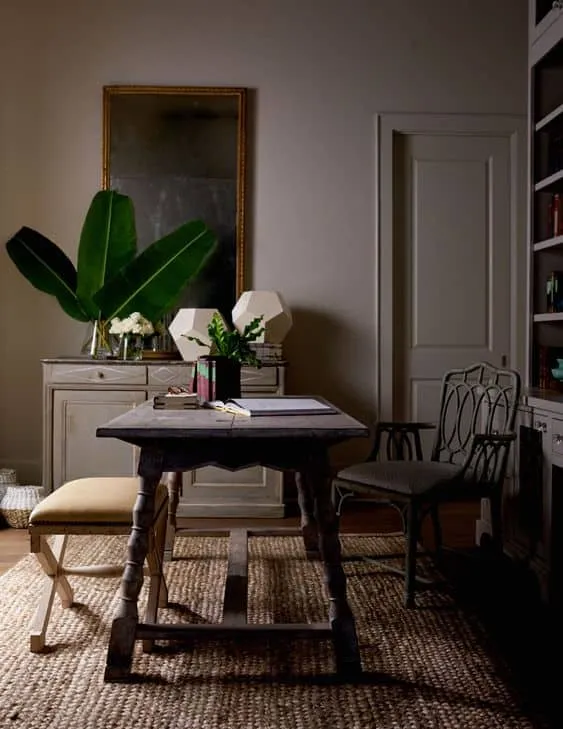
1. Light colors reflect lightLighter shades such as white, cream, and pastels typically reflect light, making a room feel more open and airy.
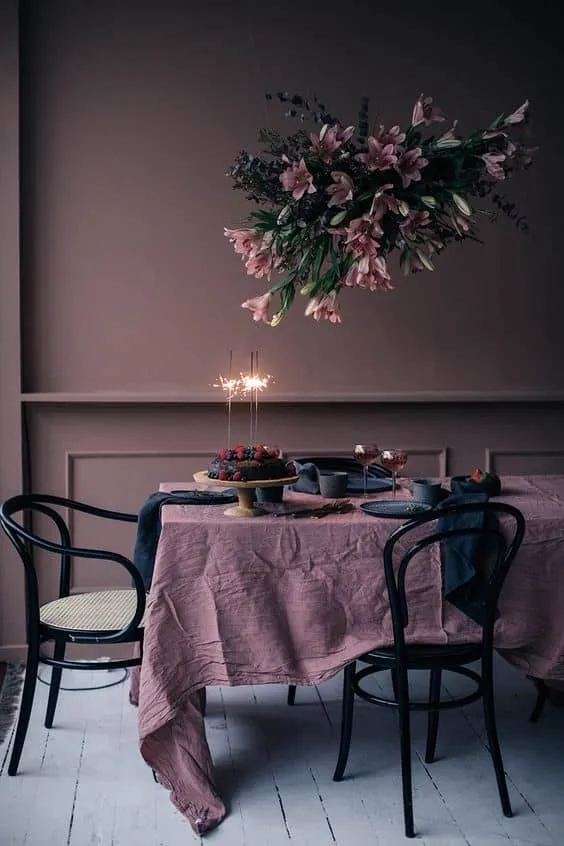
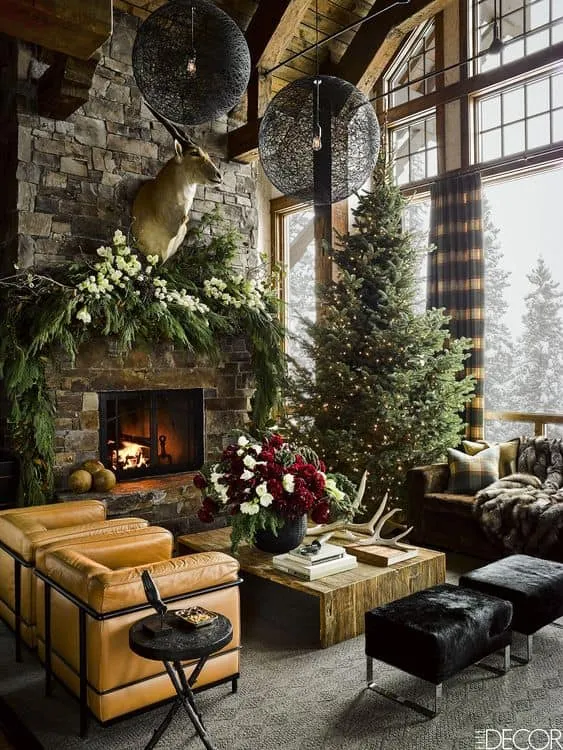
2. Dark colors absorb lightDarker shades absorb light, which can make a room cozy but may also create the feeling of smallness and clutter.
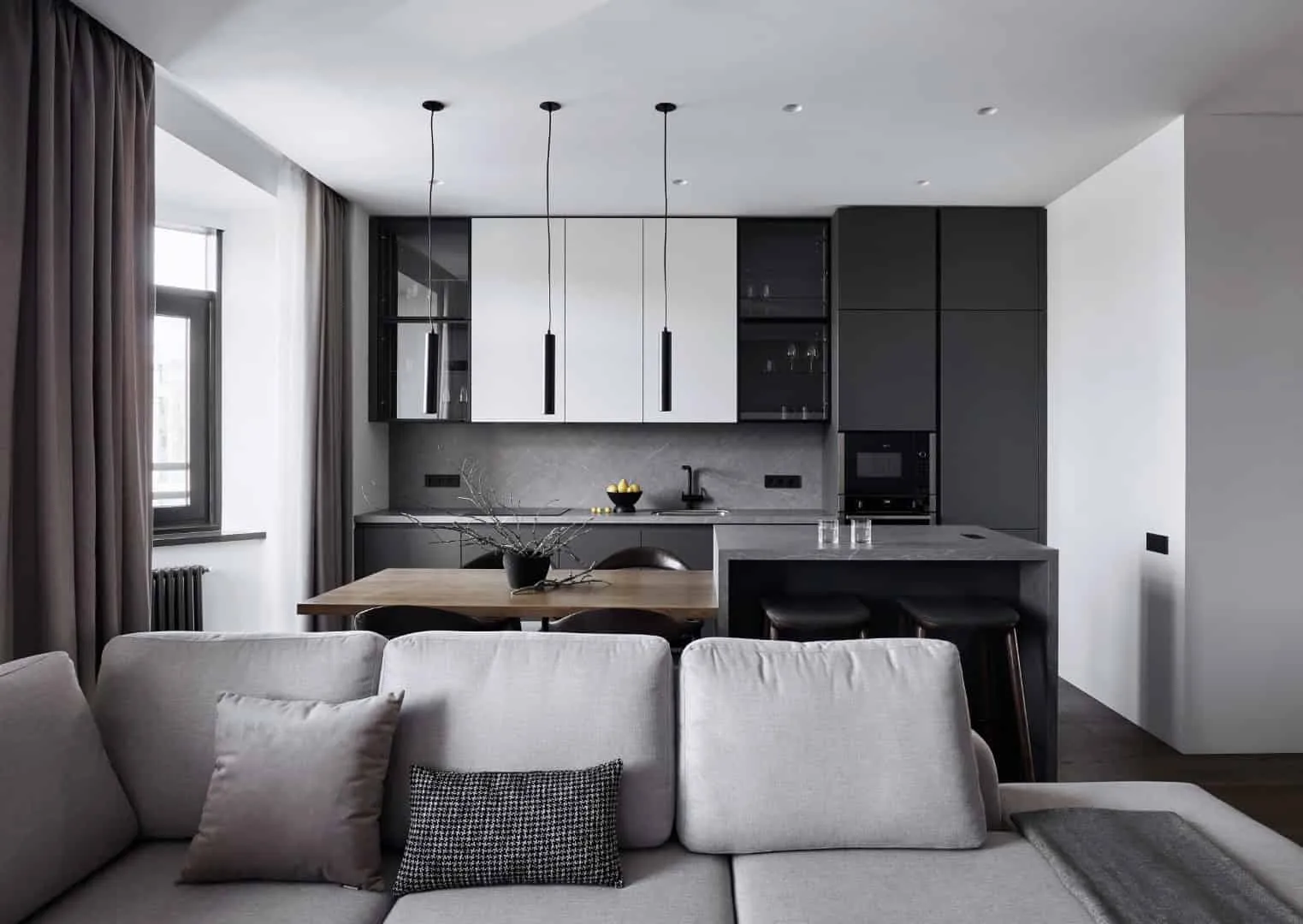
3. Neutral colors add depthNeutral tones such as beige, gray, and taupe create depth without dominating, adding a sense of spaciousness to the room.
Paint Color Tips
 Pinterest
Now that the basics are clear, let's look at several tips for choosing the perfect paint color for a small room:
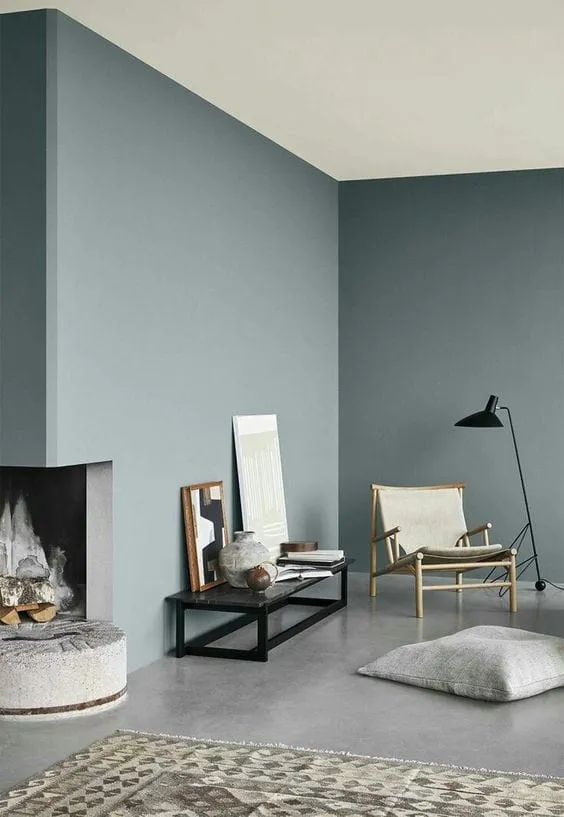
1. Choose lighter shadesLight paint tones such as soft blue, green, or light gray can visually expand space. They reflect light, making walls appear farther apart than they actually are.
2. Use monochromatic schemesMonochromatic color schemes, where you choose different shades of the same color, create a sense of continuity, making the space feel more open and harmonious.
3. Pay attention to neutral tonesNeutral shades such as beige, ivory, or light gray are timeless choices. They provide a neutral background that allows other decorative elements to stand out while making the room feel more spacious.
4. Use bright accents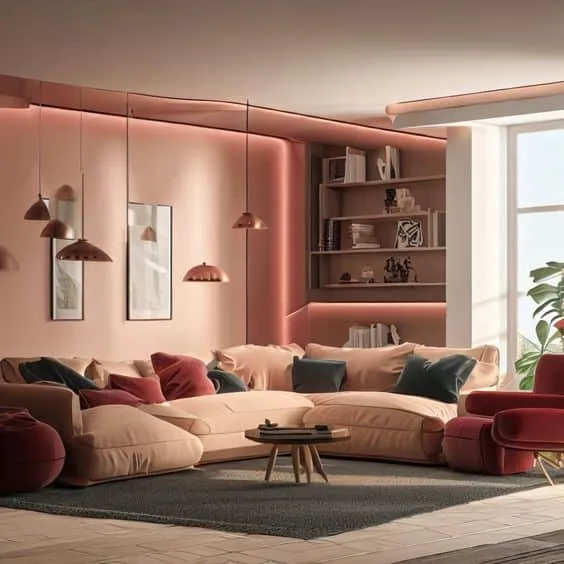 Pinterest
If you want to add brightness, consider using vibrant colors as accents. You can paint one wall in a bold shade or use colorful furniture and accessories to add character without overwhelming the space.
5. Experiment with patternsIf you enjoy a bit of adventure, consider using subtle patterns such as stripes or checkered designs. These can create an illusion of height or width, making the room feel more spacious.
6. Test samplesAlways test paint samples on walls before making a final decision. Paint can look different depending on lighting conditions, so testing samples in various parts of the room and at different times of day is crucial.
7. Consider the finishMatt and eggshell finishes scatter light, making imperfections less noticeable, while glossy finishes reflect light and create a sense of openness. When choosing a finish, consider the wall condition and desired effect.