3 Secrets of Soft Color: Pastel Tones in Interior Design
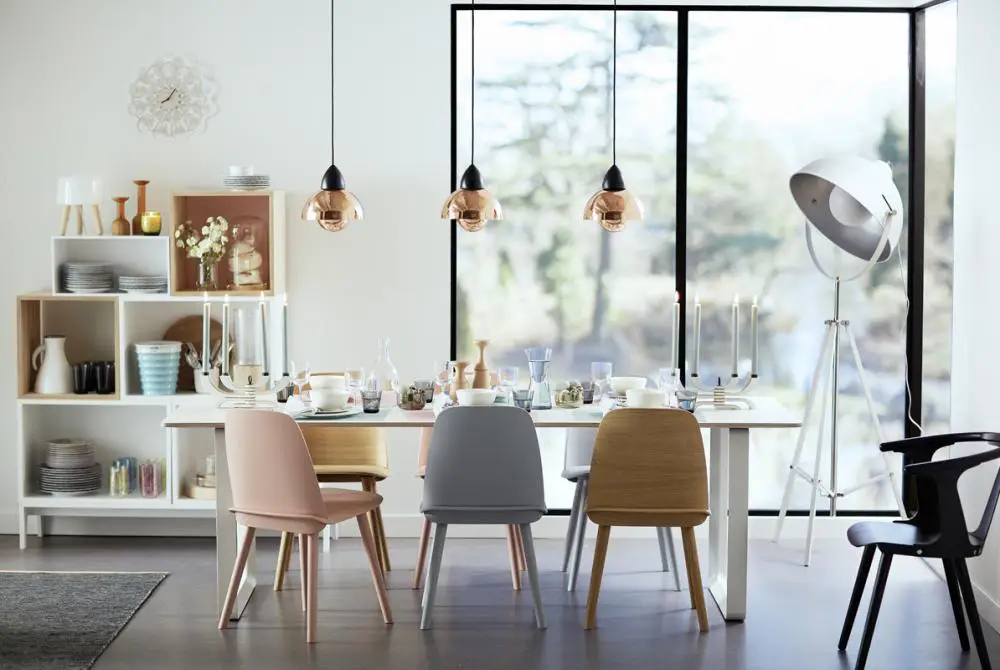
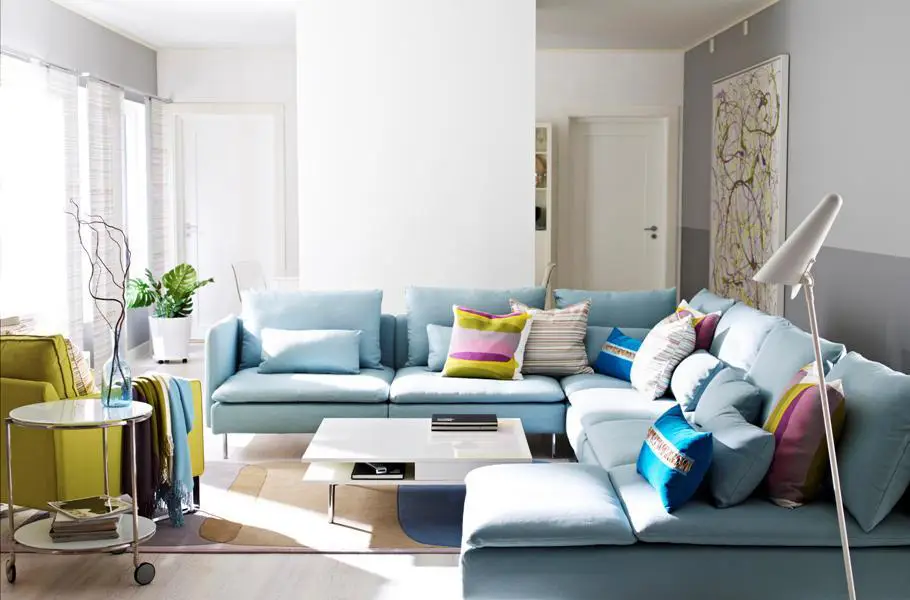
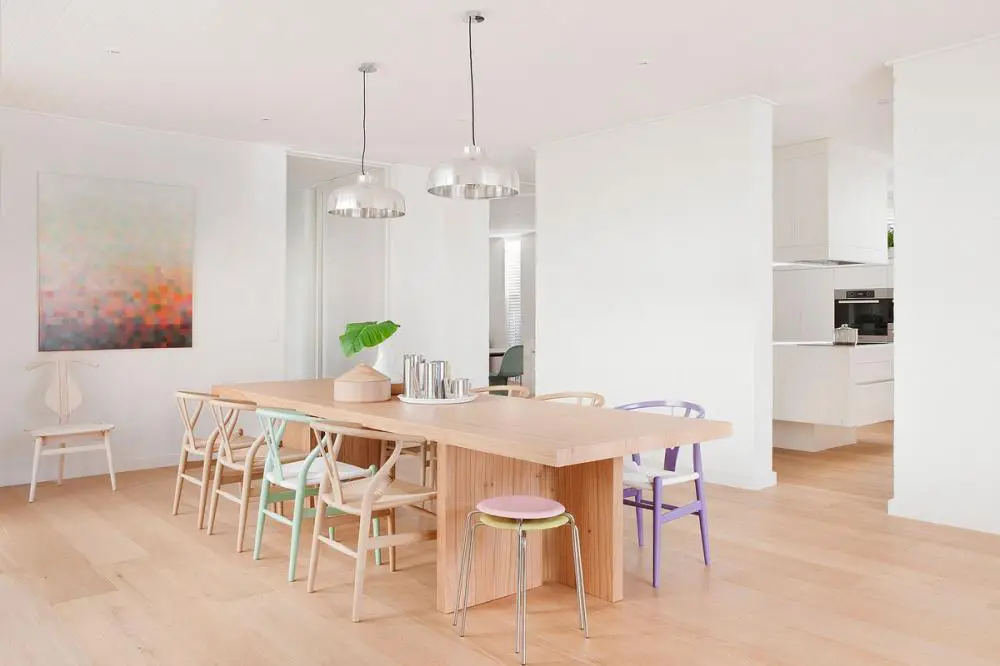
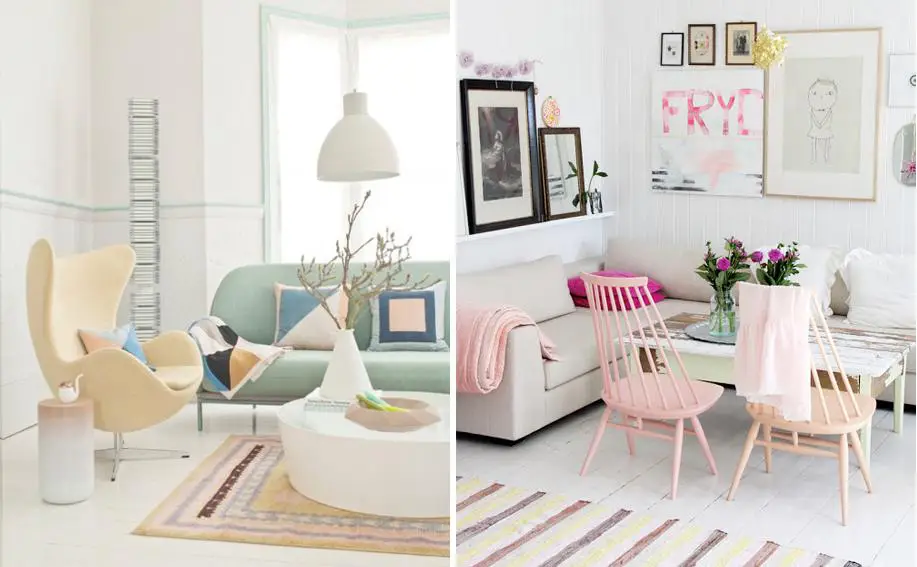
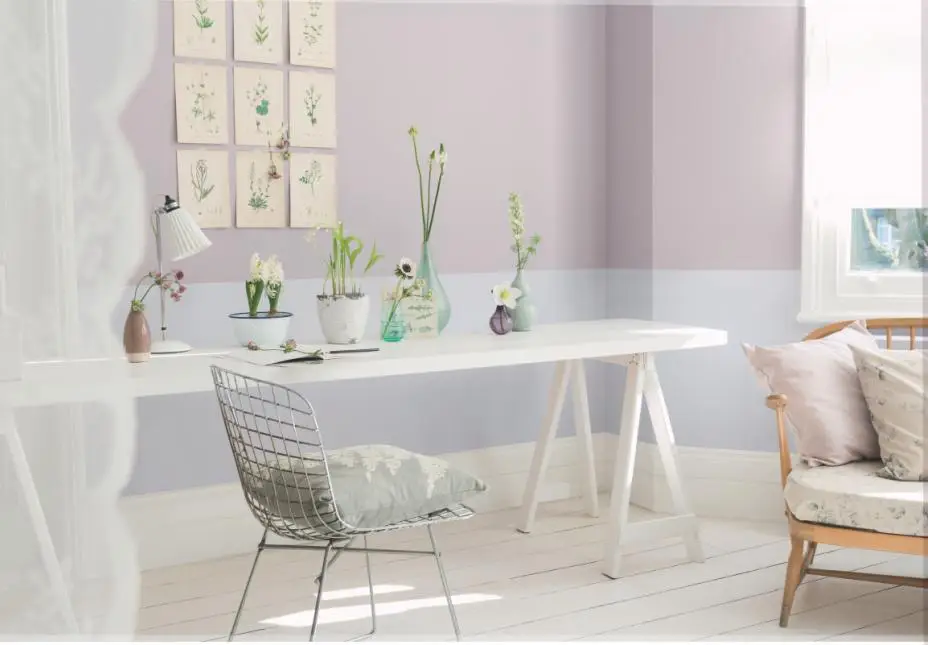
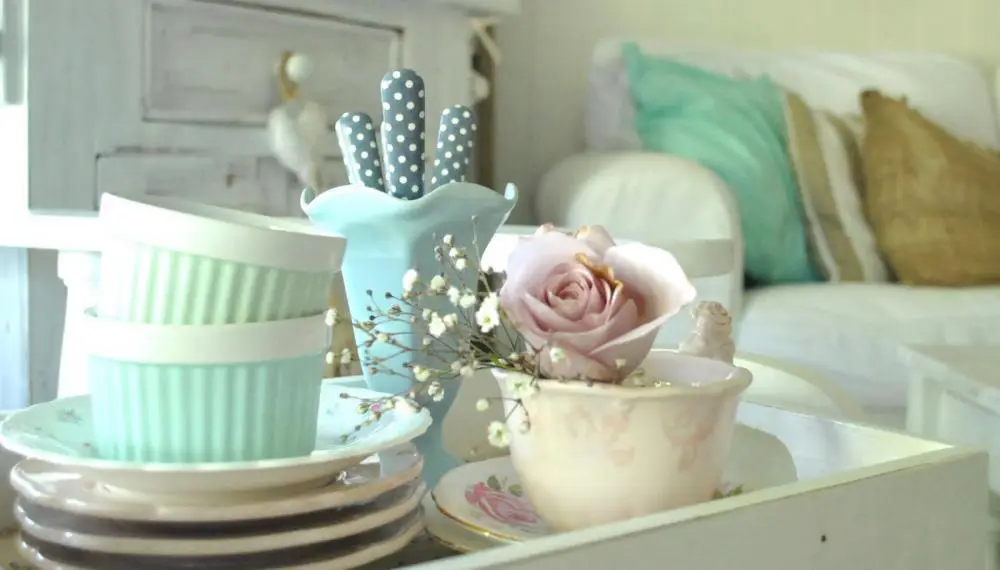
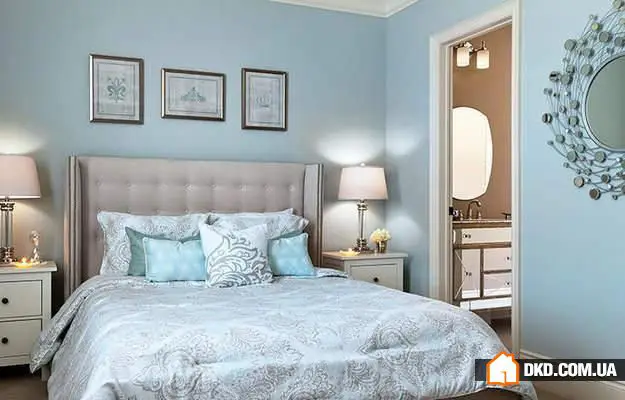
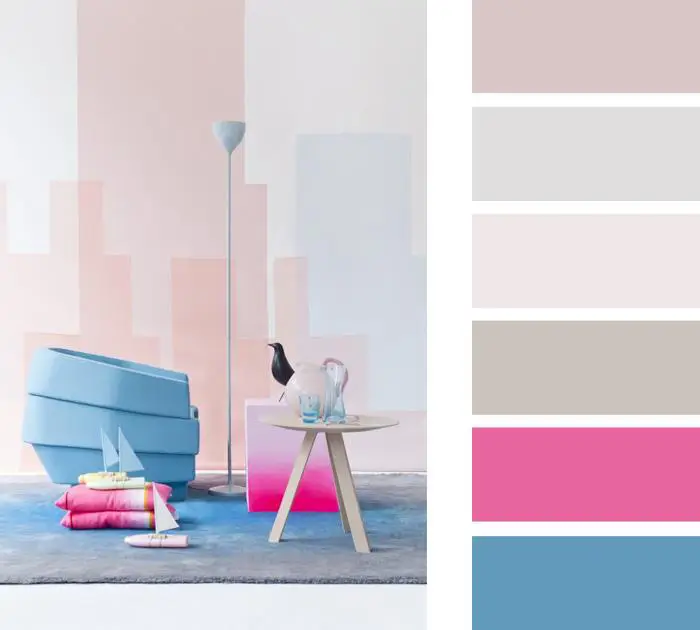
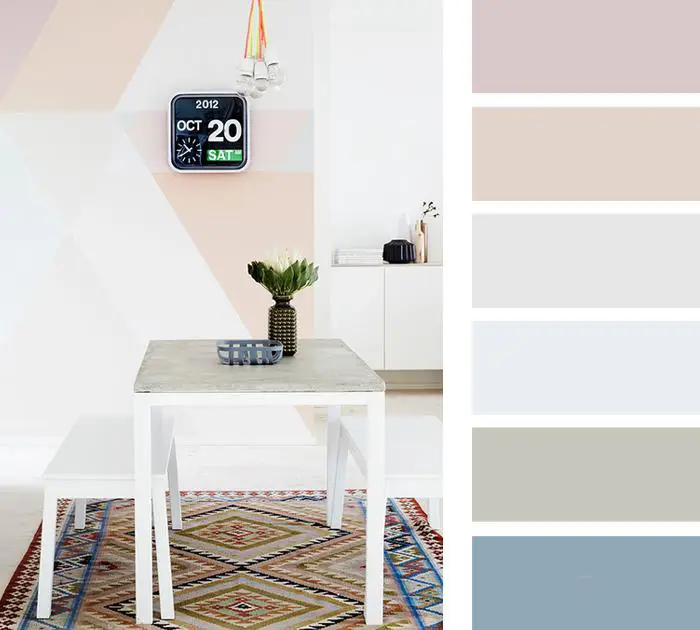
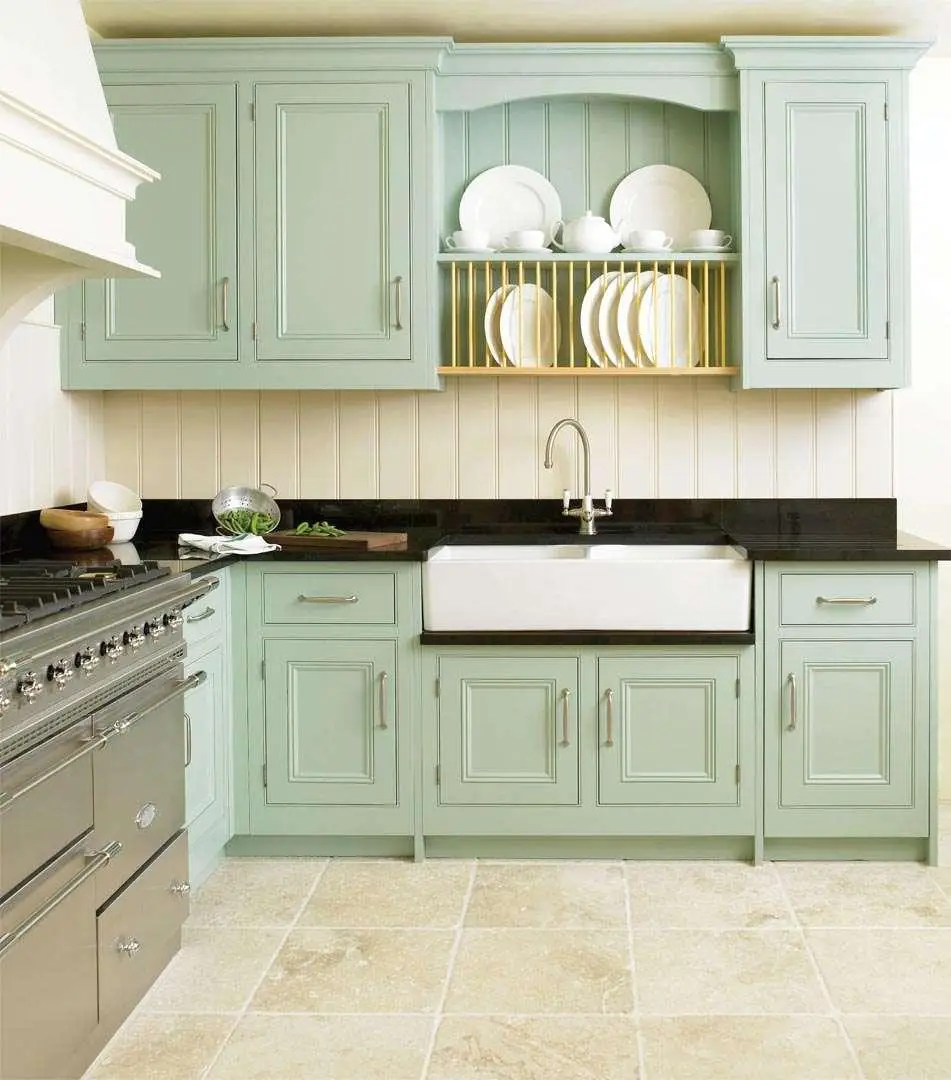
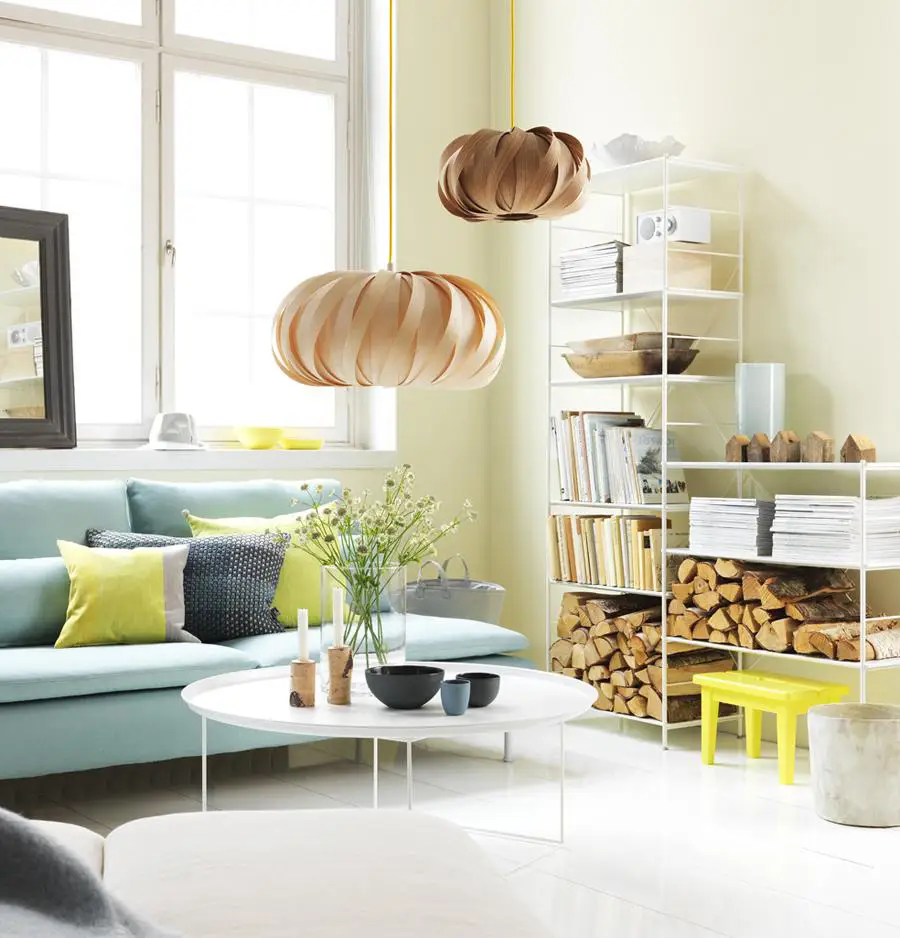
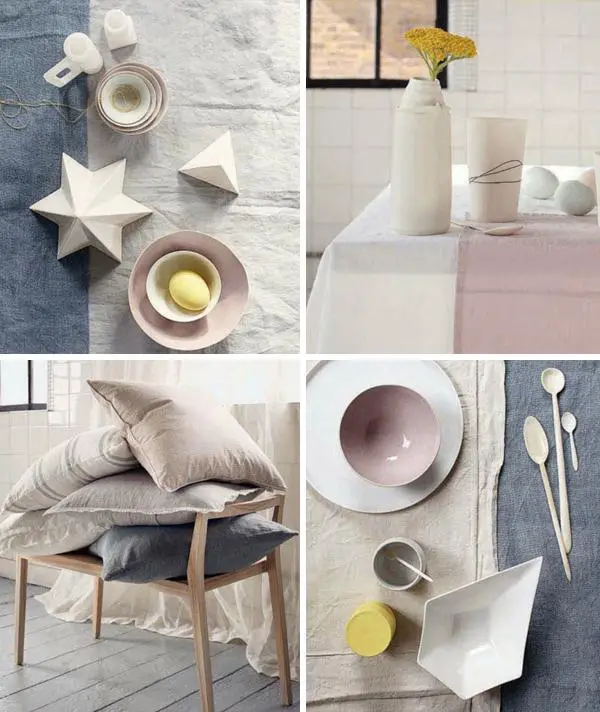
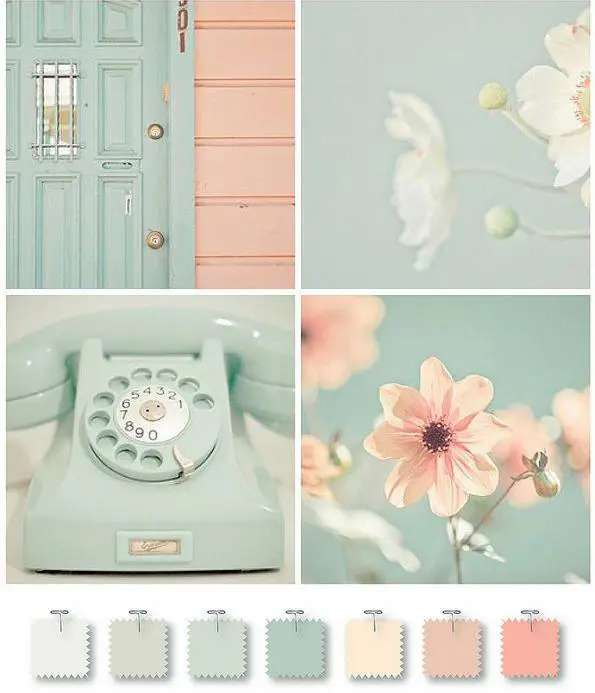
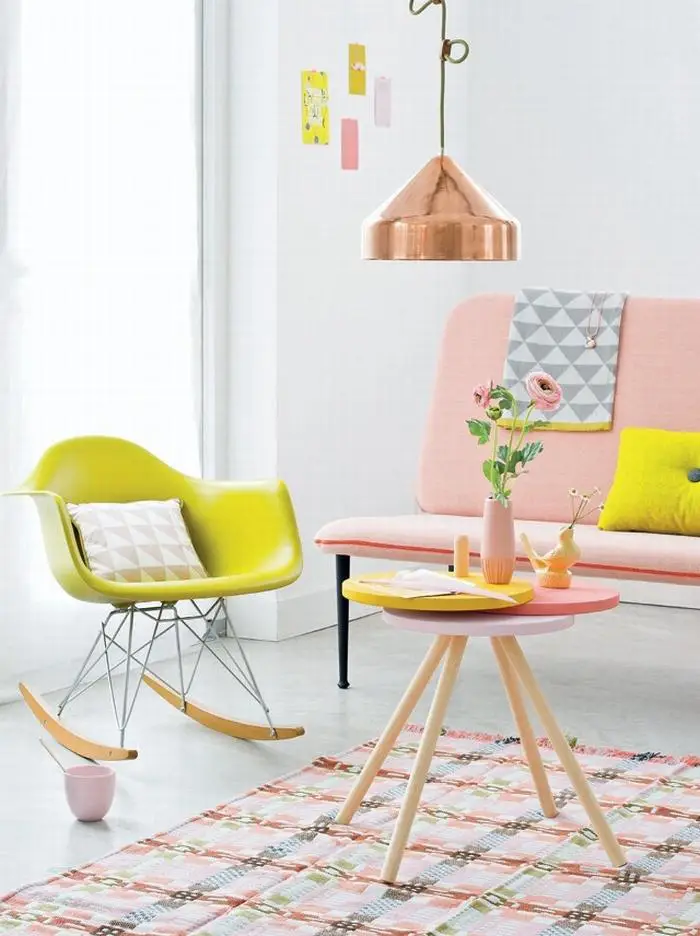
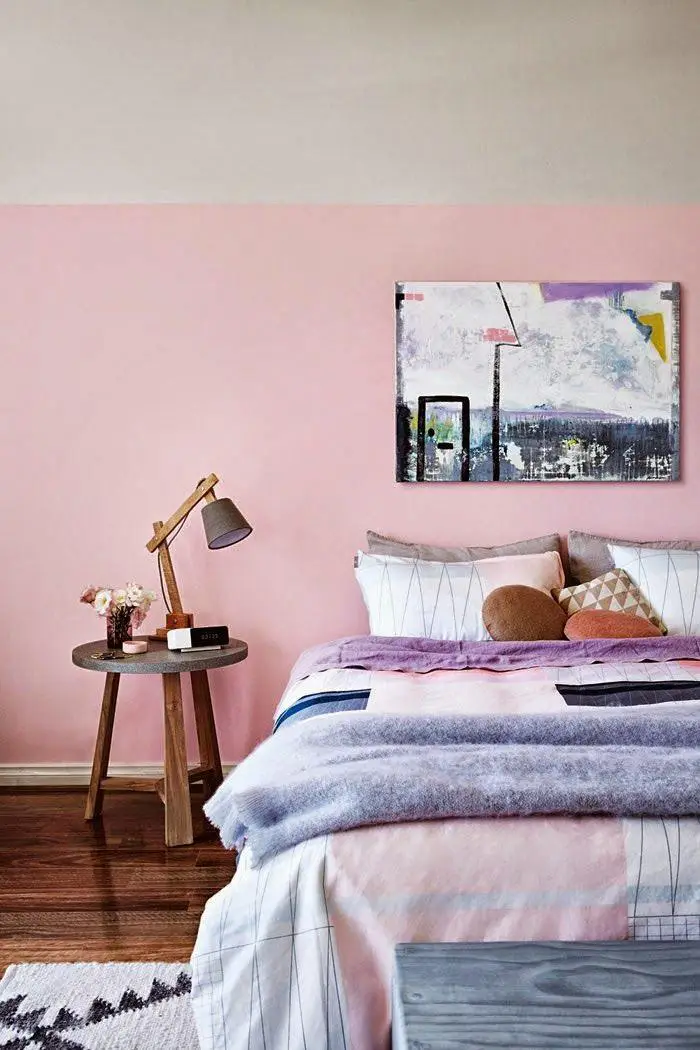
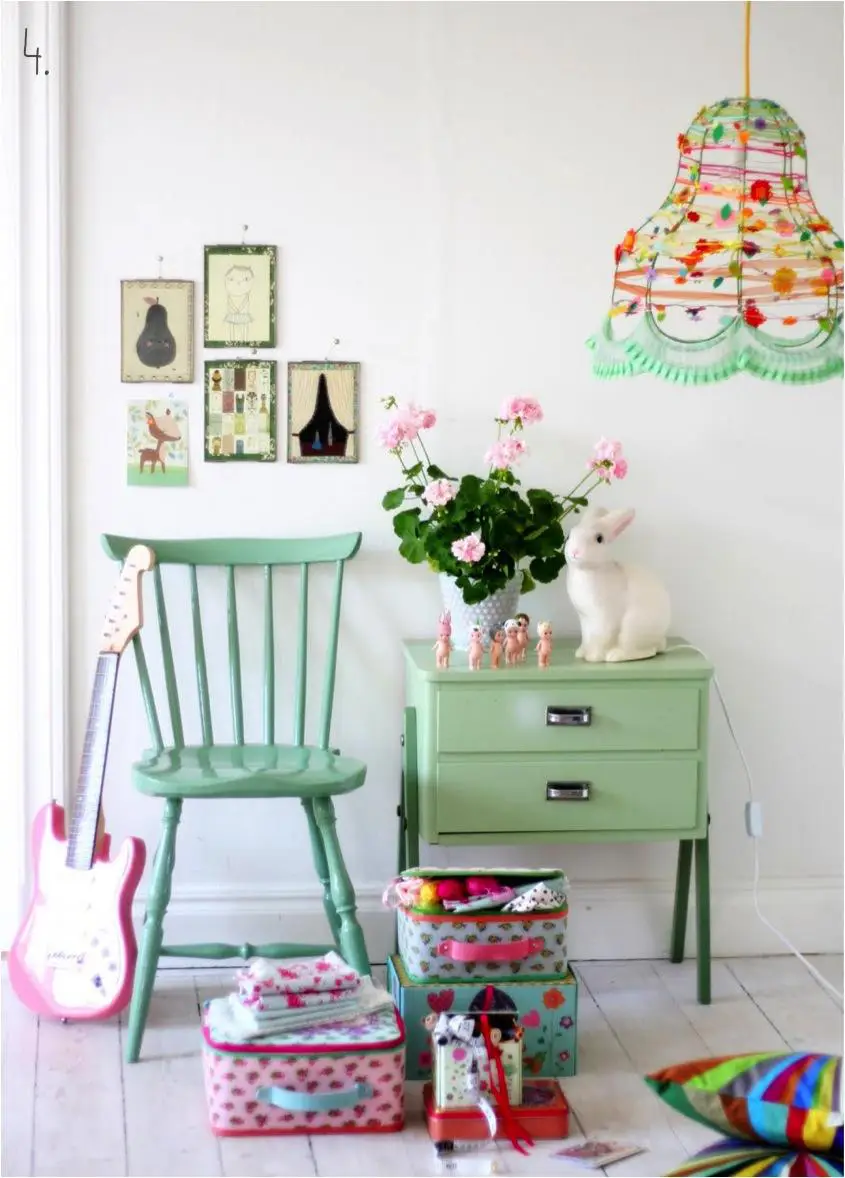
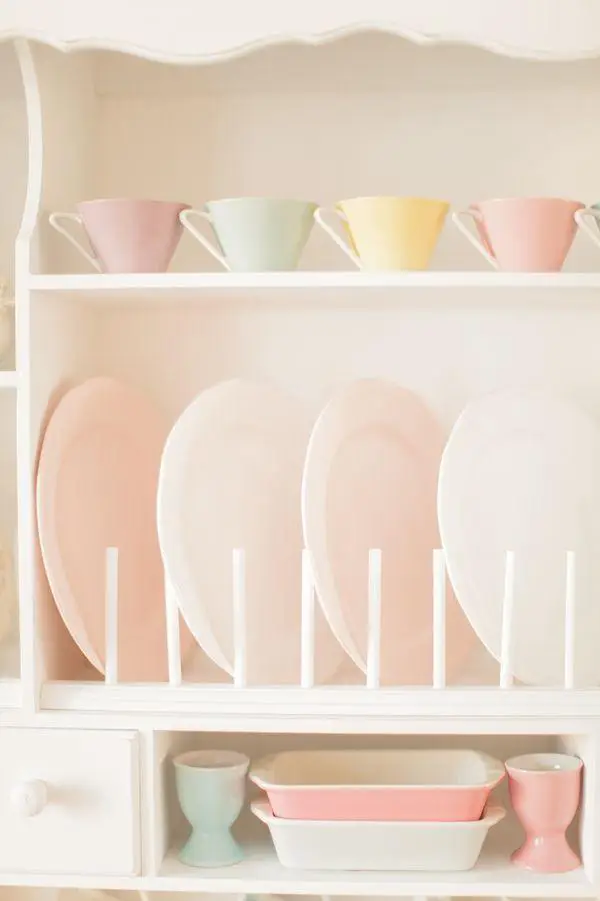
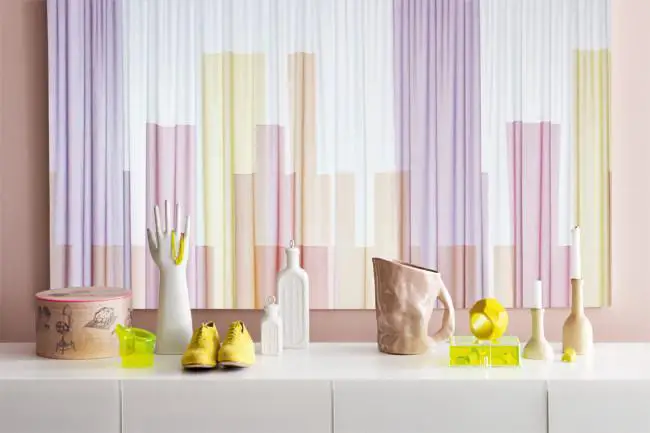
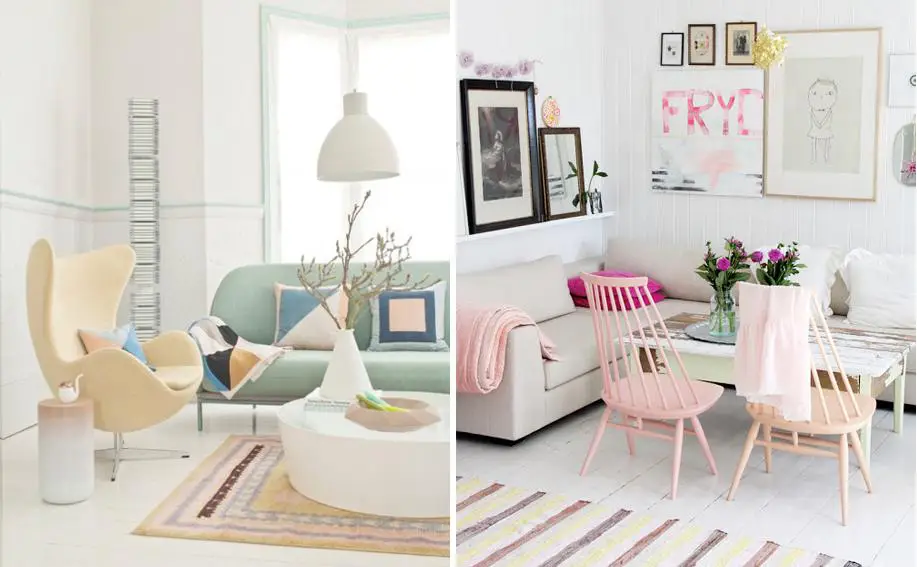
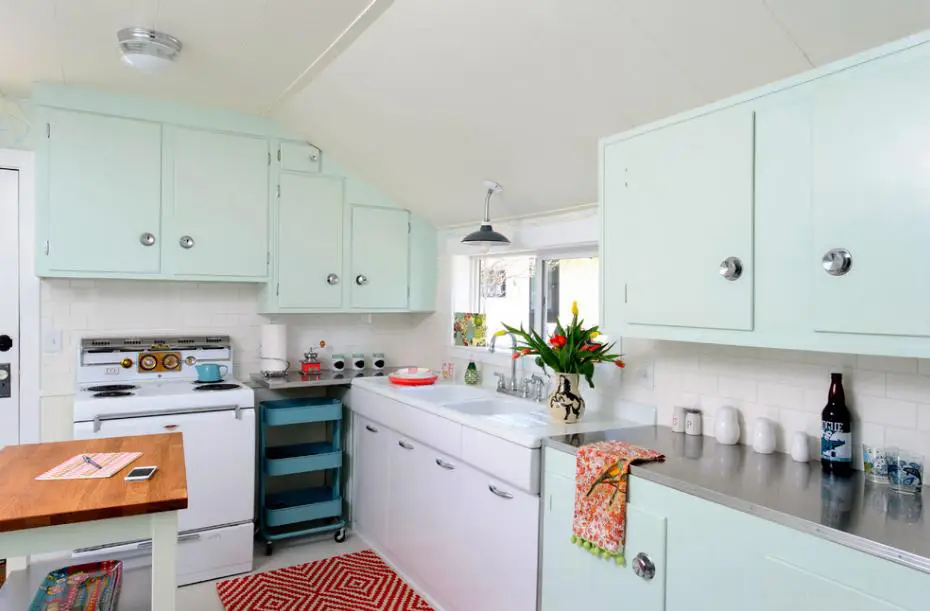
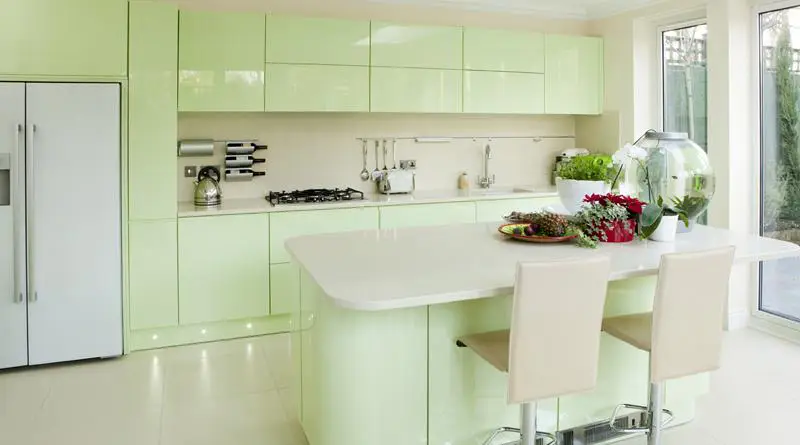
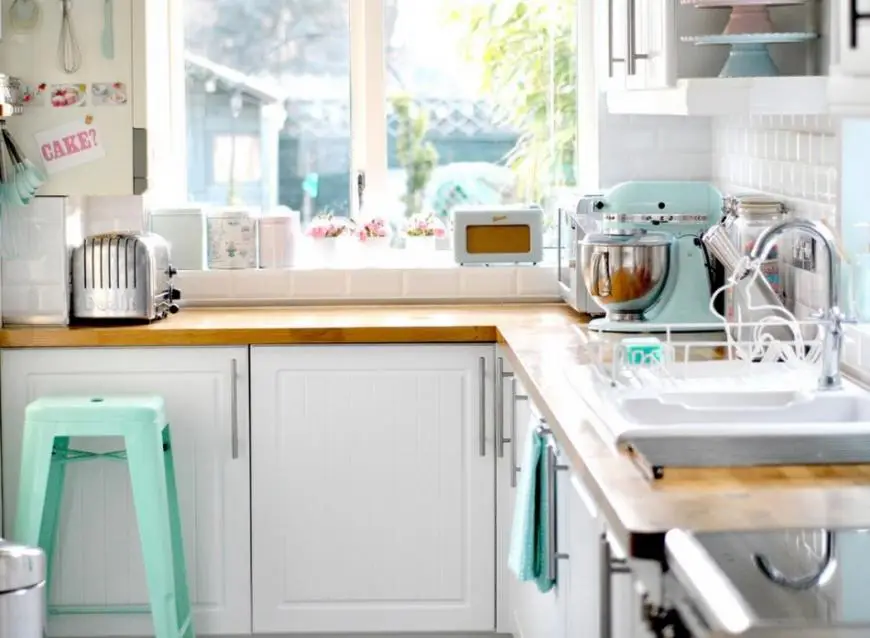
Pastel colours are any pure hues diluted with white pigment. Their tones vary from translucent to quite saturated. Some examples include mint, soft pink, pistachio, sand, and pale blue — all appearing as if lightly dusted.
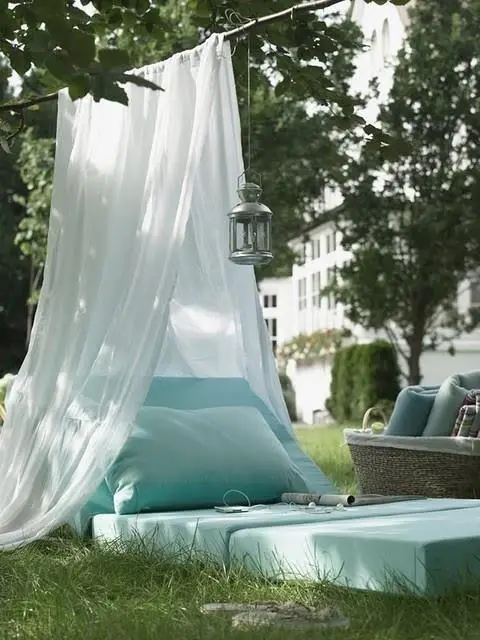
In spring, there's no better time to surround yourself with magical pastel hues that create a cozy, romantic, and airy atmosphere.
1.
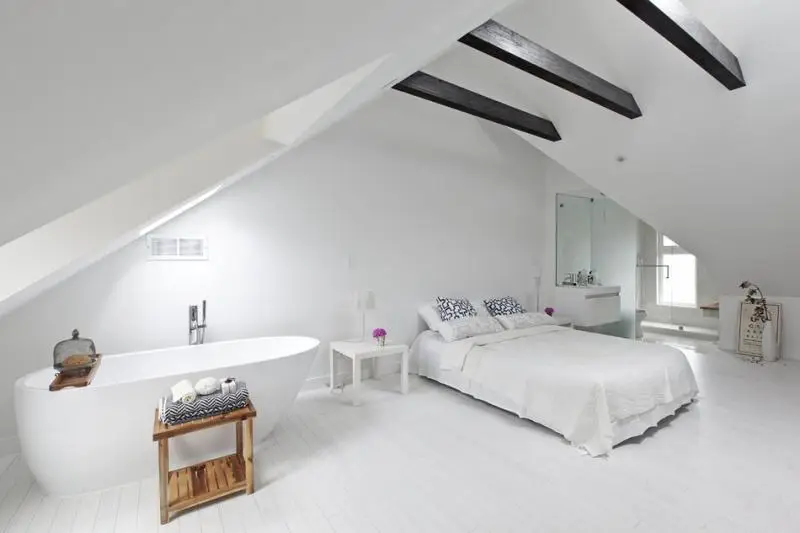
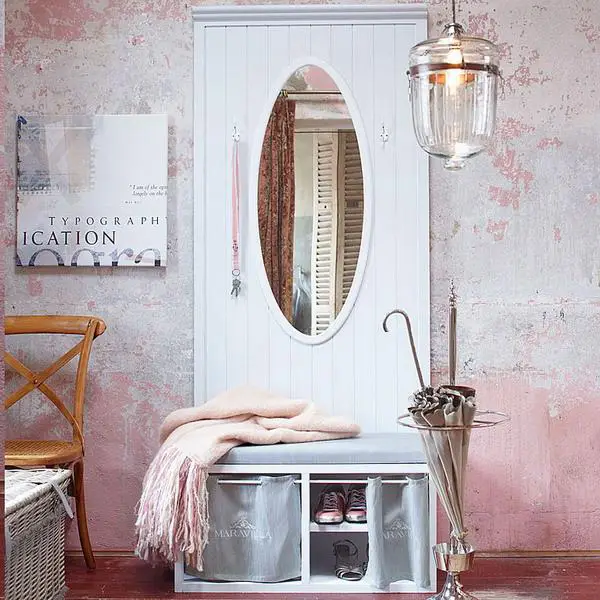
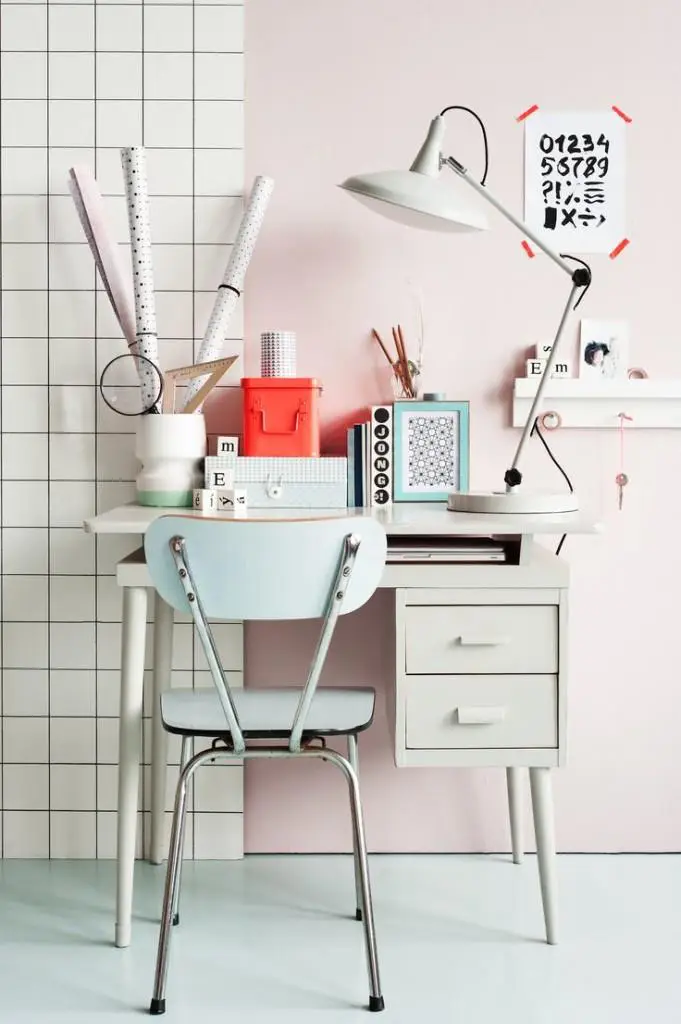
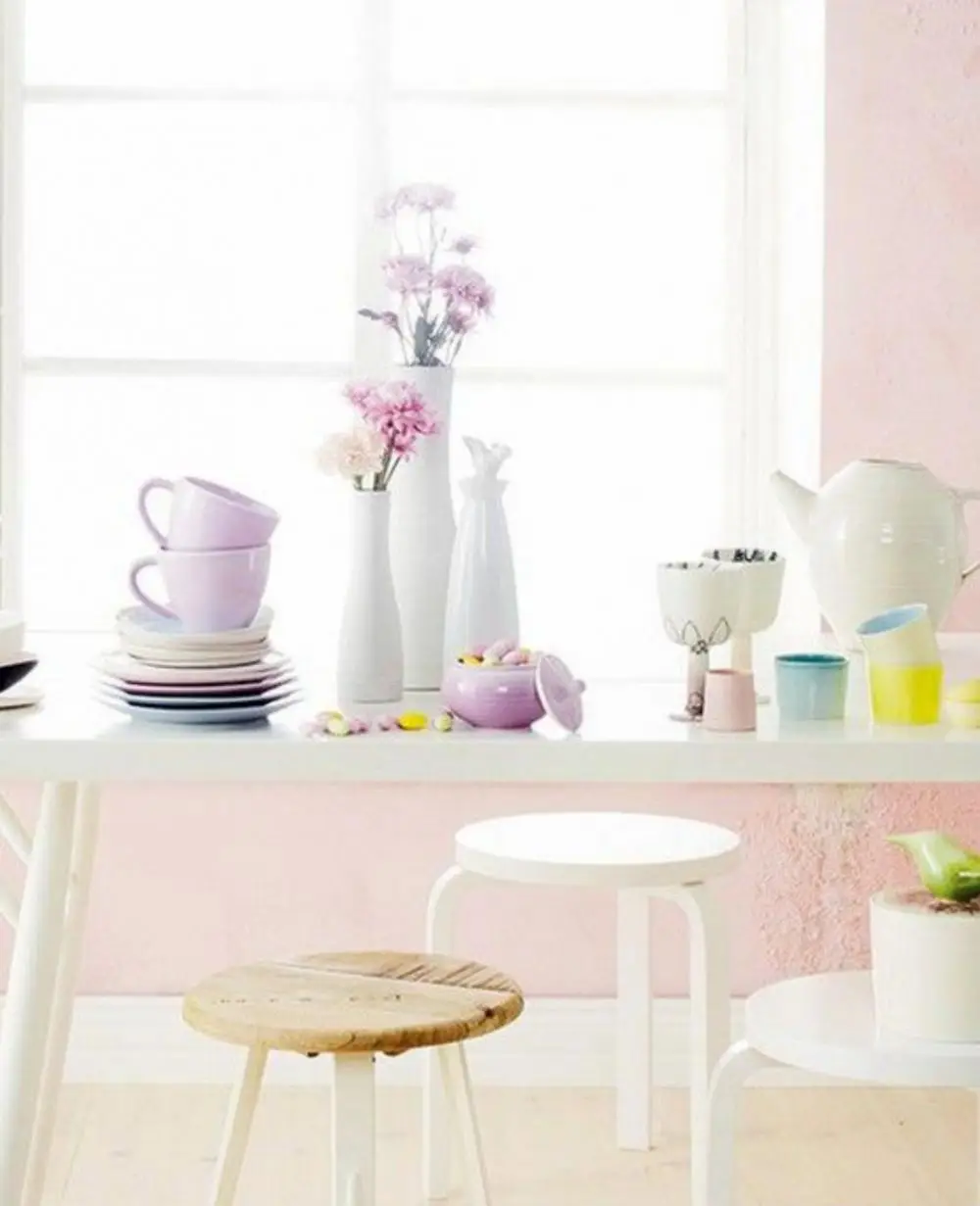
One notable feature of pastel colours is their ability to visually expand space and make it feel brighter.
That’s why they’re ideal for small rooms. In interiors dominated by pastel tones, your eyes will rest, and you’ll truly be able to relax.
2.
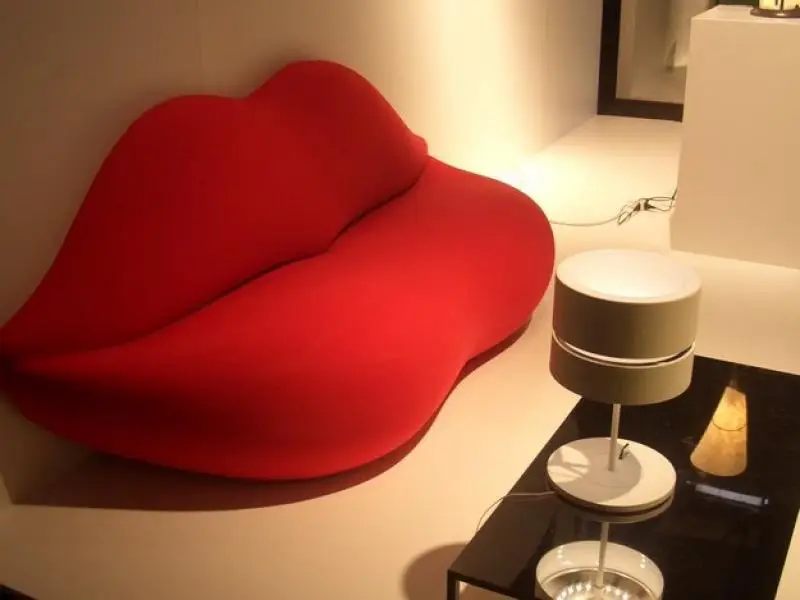
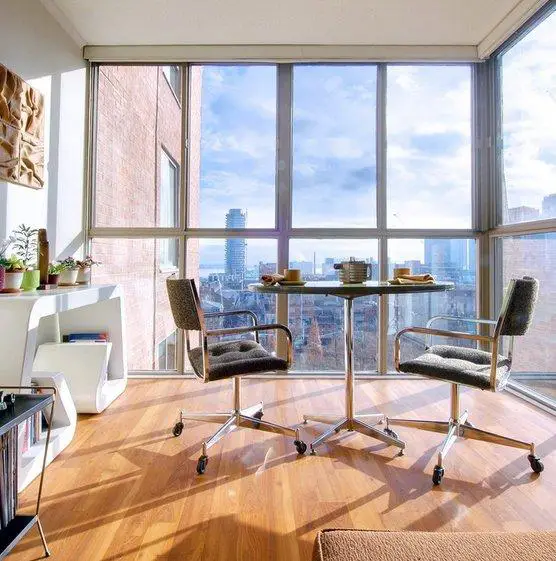
Pastel colours can change depending on lighting: under even, diffused light they appear light, but
they darken significantly in shadow
.
If you're planning to decorate your interior with pastel tones, ensure lighting enhances form clarity rather than blurring it. Use directed lighting instead of diffused lighting.
3.
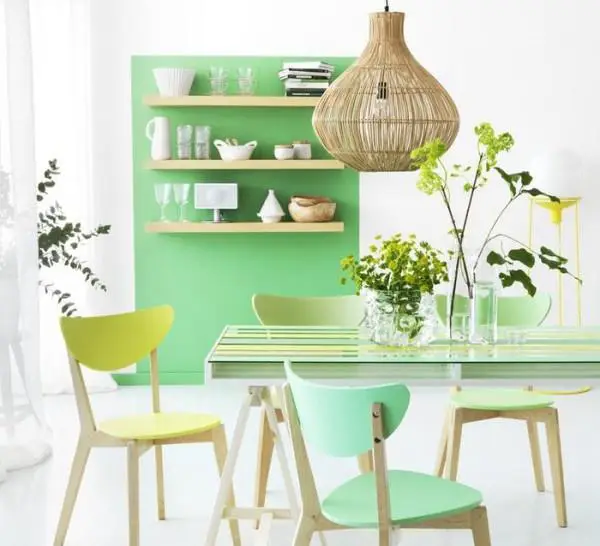
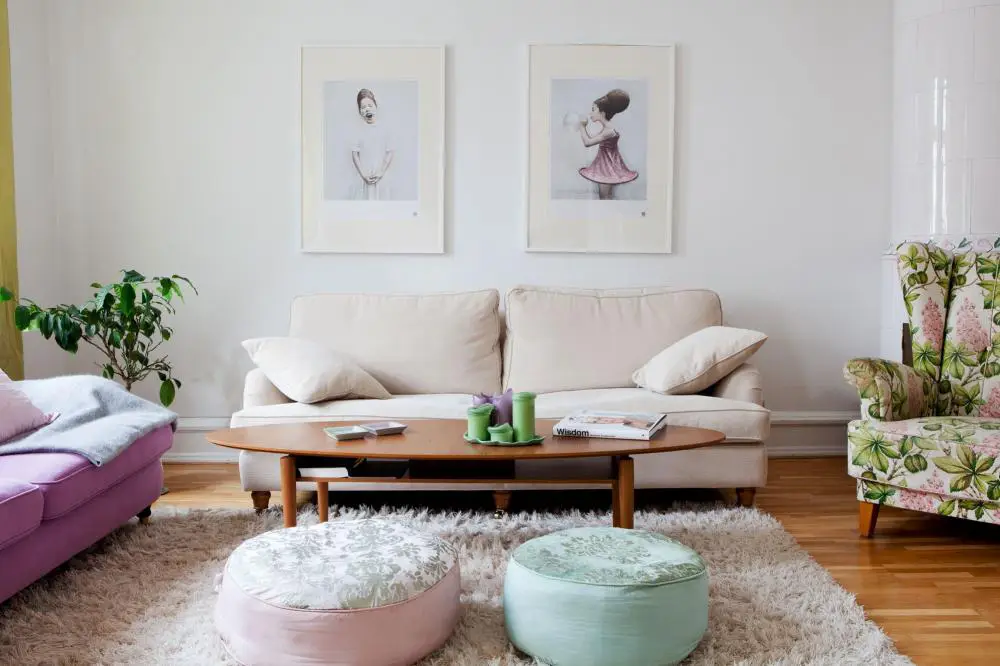
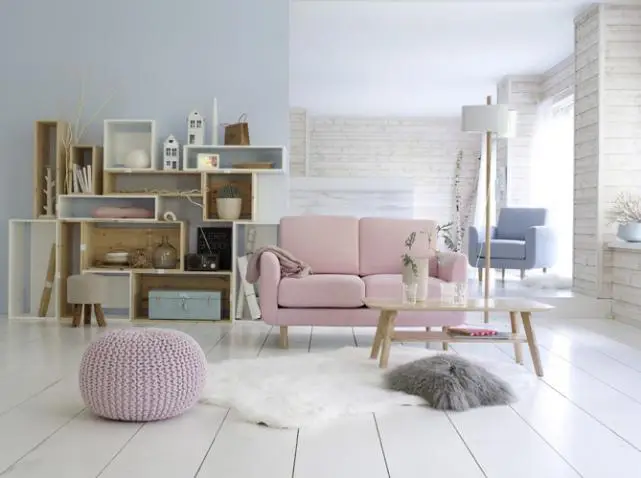
Another distinctive trait of pastel colours is their tendency to "dissolve" into the air and fade from perception.
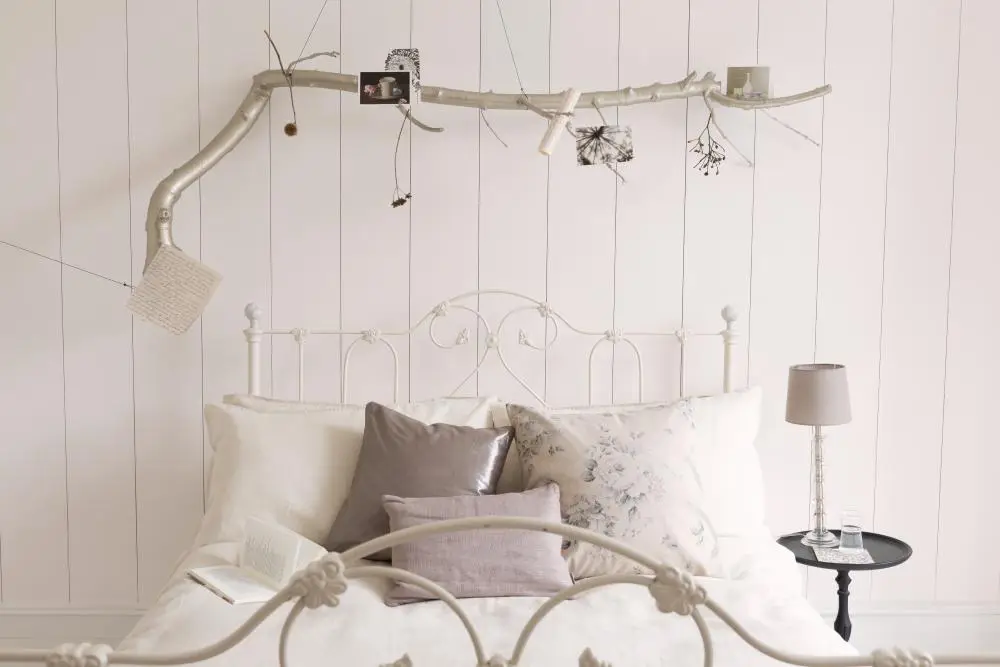
This effect is most visible when placed next to very bright colours. That’s why pastel tones are often paired with white.
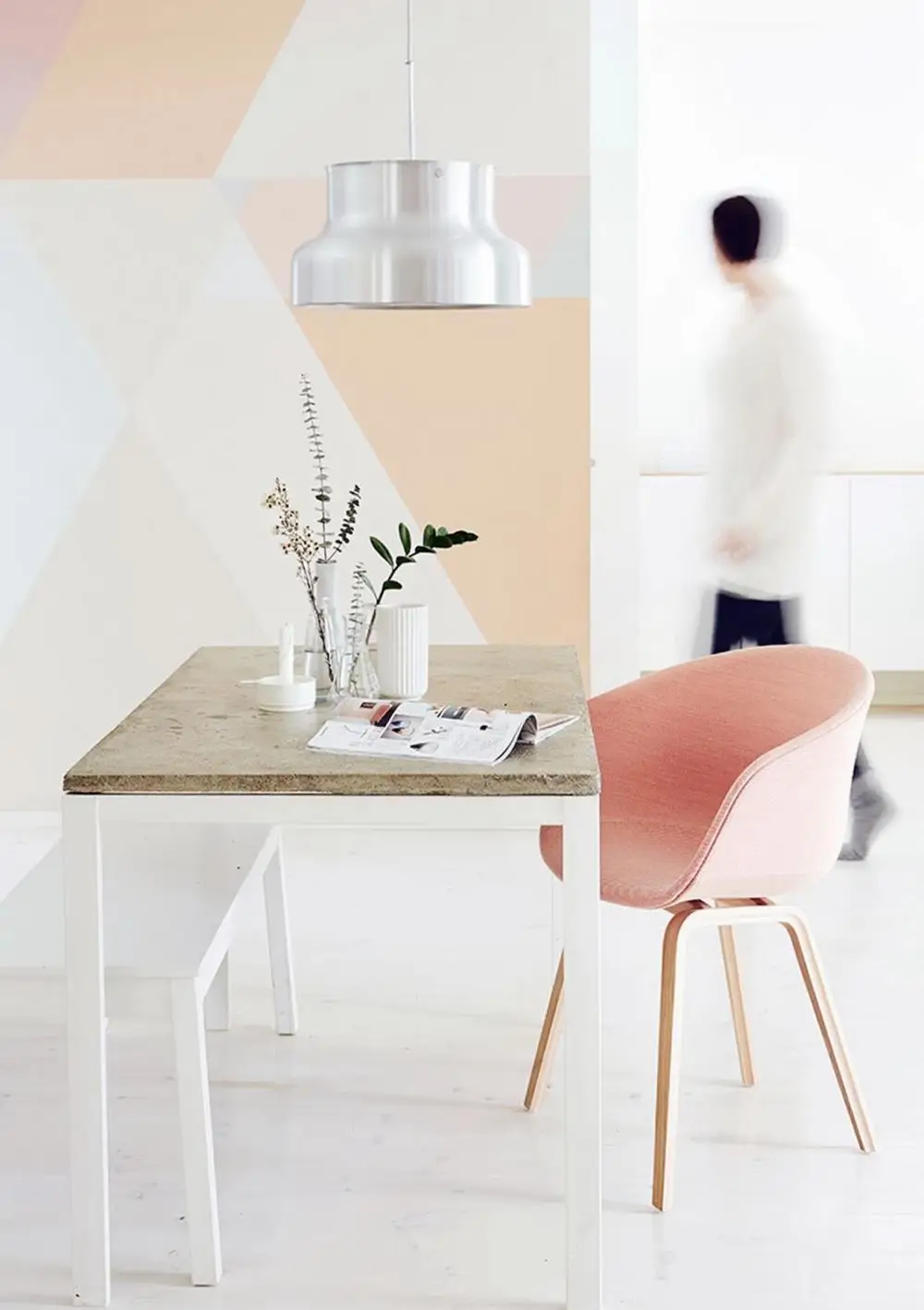
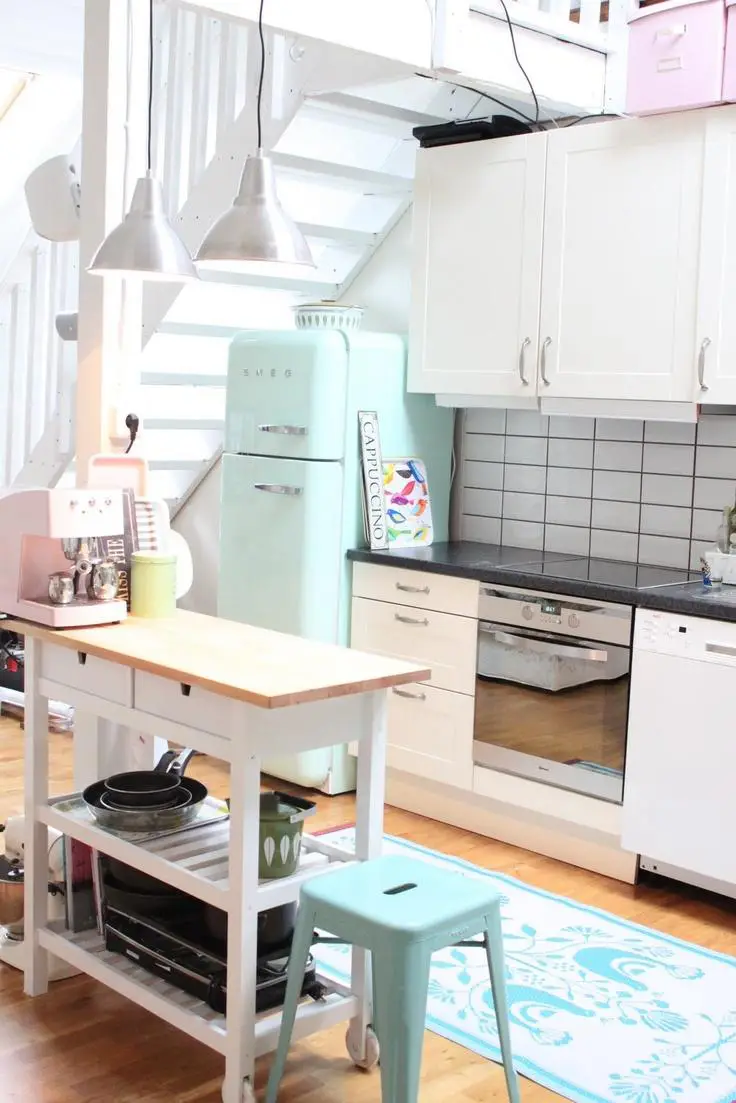
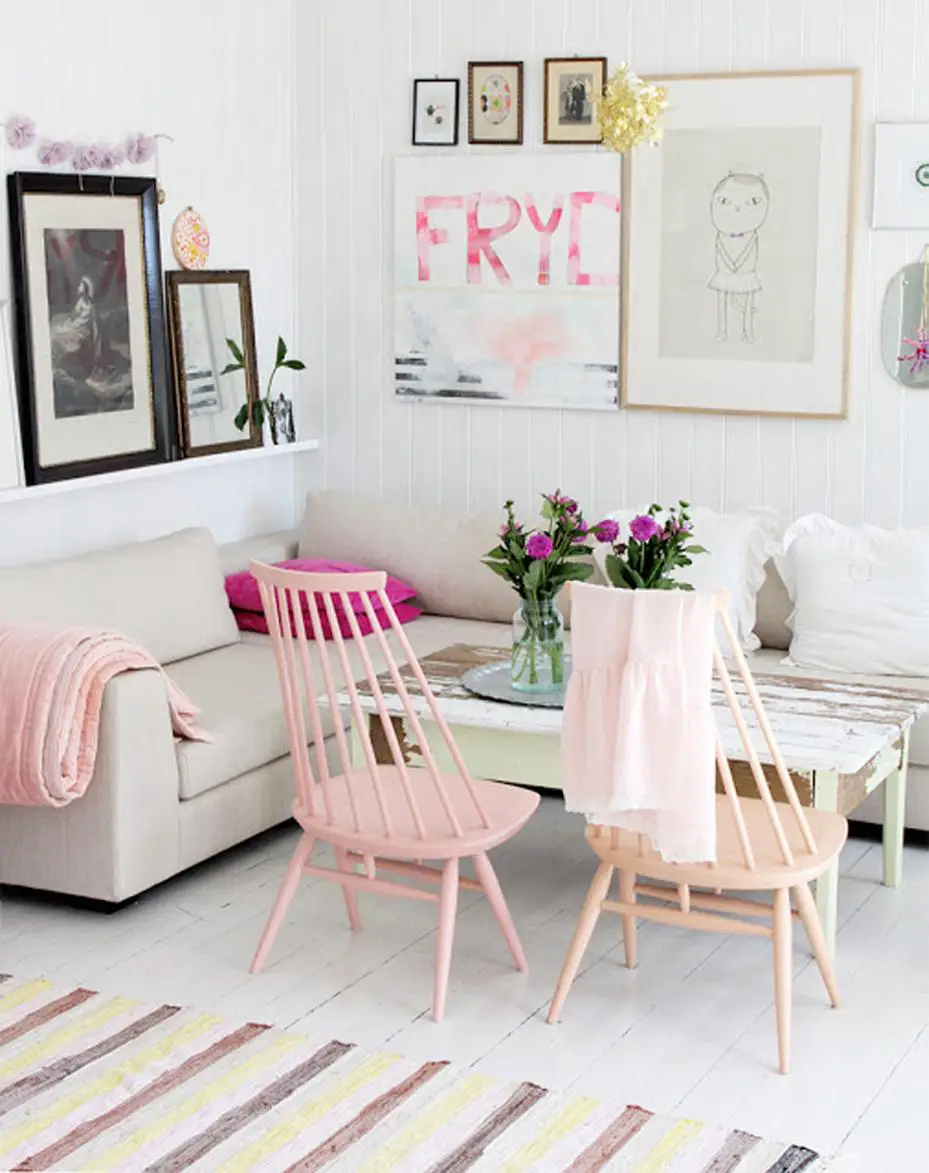
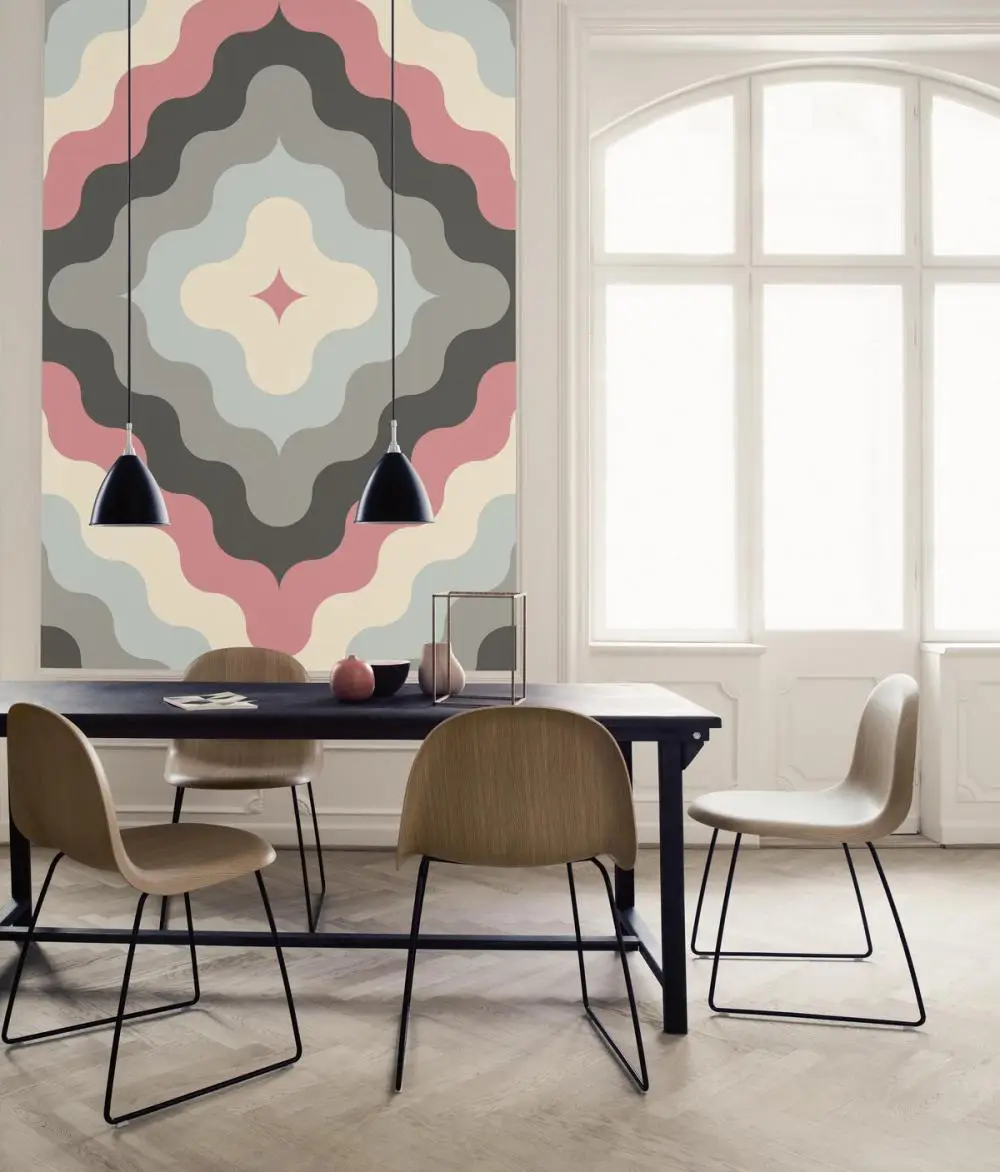
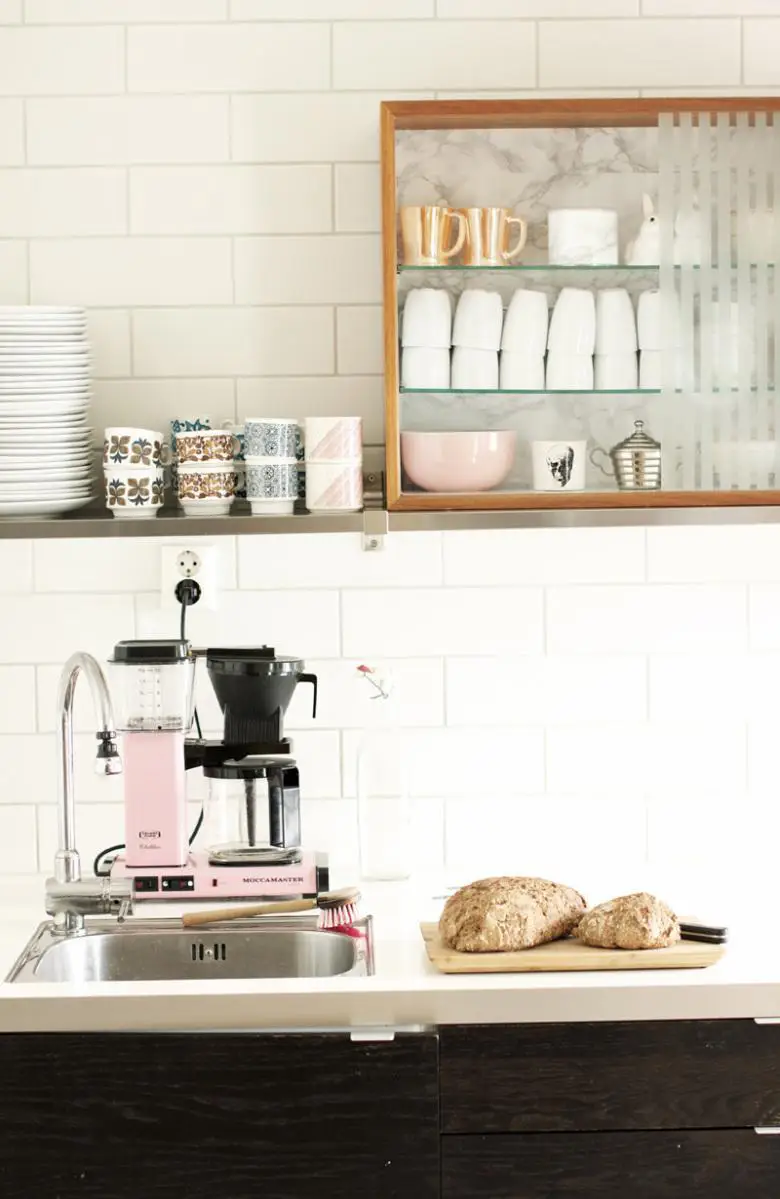
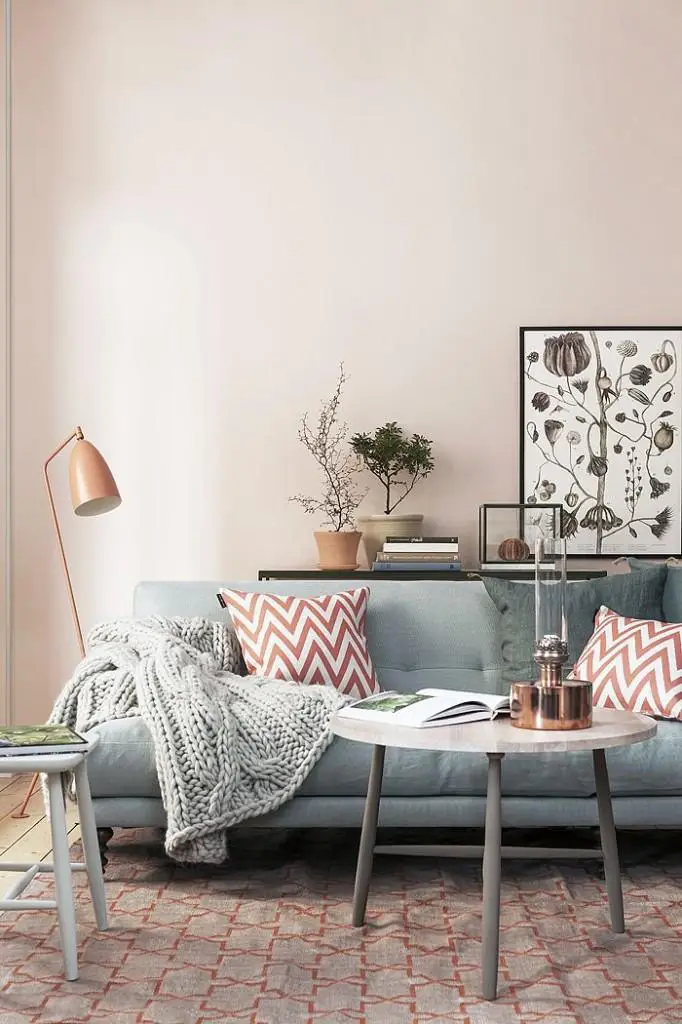
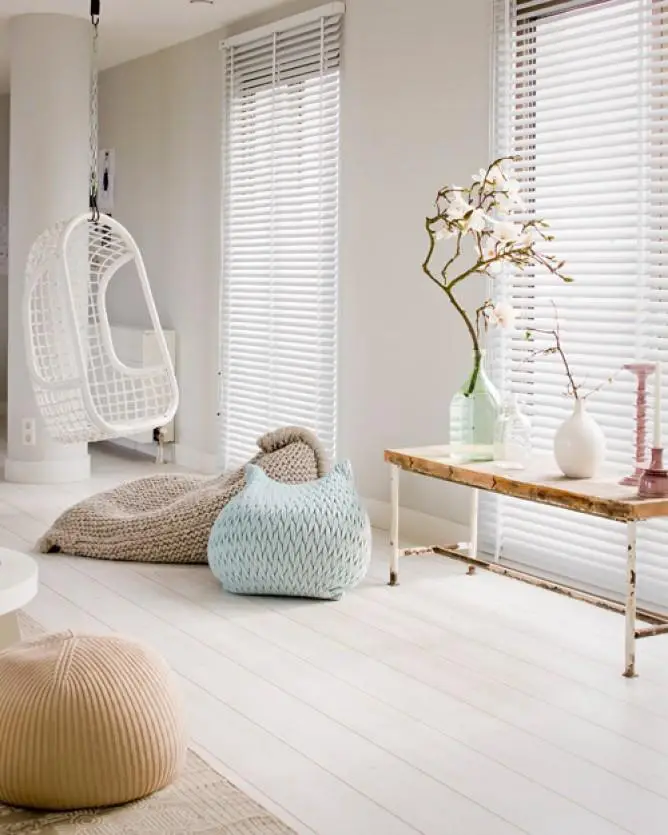
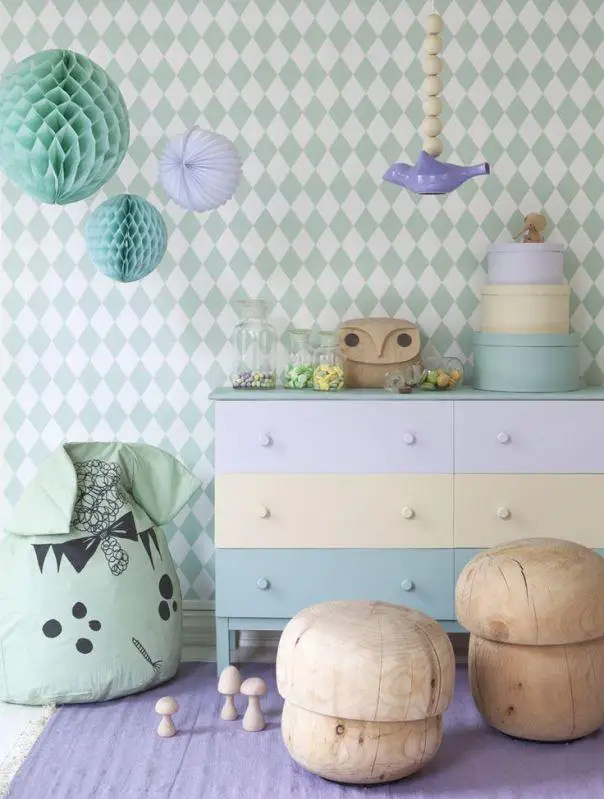
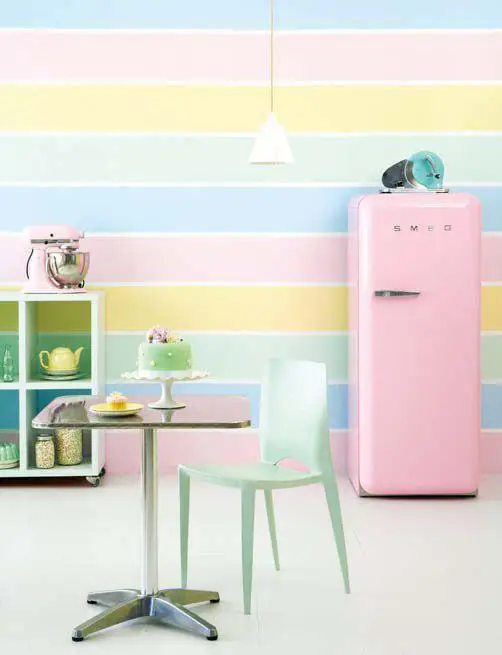
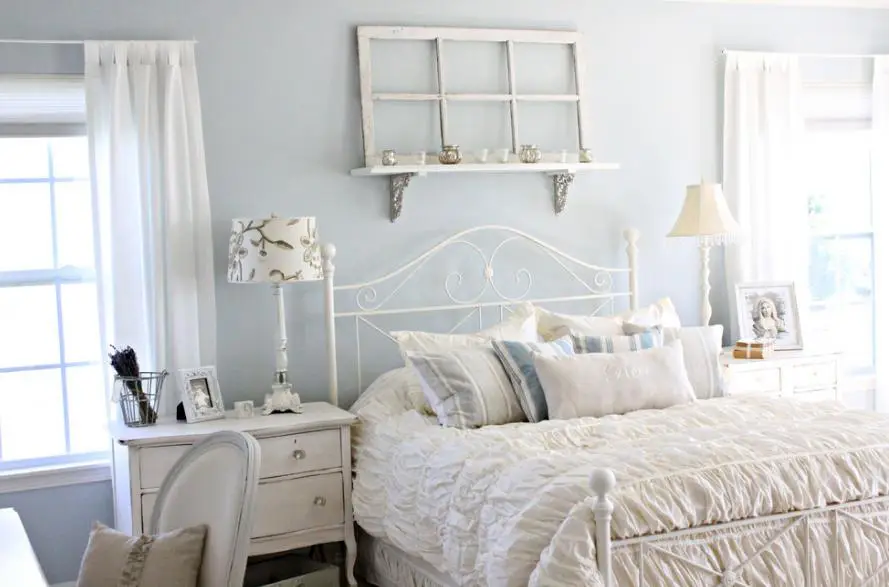
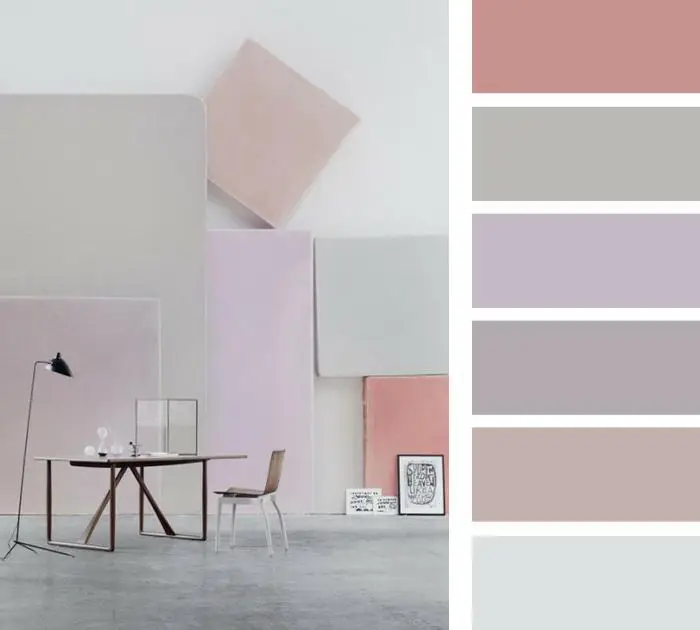
Pastel tones work especially well in Provence, country, shabby chic, and classic interior styles. They are less suitable for minimalism, though they can look very harmonious and beautiful in many modern design approaches.