Ceiling Repair in Apartment by Yourself
Main factors to consider include leveling, waterproofing, thermal insulation, sound insulation of the ceiling and its appearance. But first, you need to learn about all possible options for ceiling finishing.
Types of Ceilings
- Plastering and subsequent works;
- Suspension film and fabric ceilings;
- Wooden ceilings;
- Ribbed aluminum ceilings;
- Cassette aluminum ceilings;
- Grillato;
- Plastic ceilings;
- Glass ceilings;
- Panels made of mineral fiber;
- Gypsum board and others.
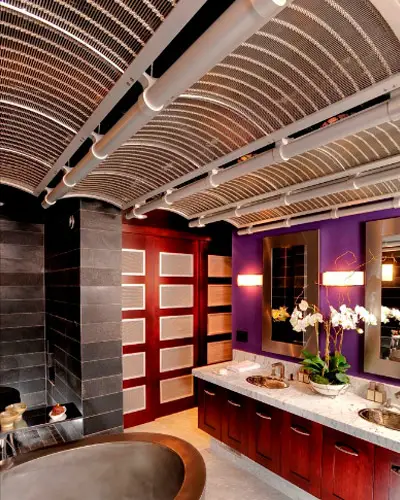
Photo 1 — Original grid ceiling in the bathroom
How to Level a Ceiling
Ceiling leveling is one of the most important issues in its repair.
Main factors to consider include leveling, waterproofing, thermal insulation, sound insulation of the ceiling and its appearance. But first, you need to learn about all possible options for ceiling finishing.
Types of Ceilings
- Plastering and subsequent works;
- Suspension film and fabric ceilings;
- Wooden ceilings;
- Ribbed aluminum ceilings;
- Cassette aluminum ceilings;
- Grillato;
- Plastic ceilings;
- Glass ceilings;
- Panels made of mineral fiber;
- Gypsum board and others.
Photo 1 — Original grid ceiling in the bathroom
How to Level a Ceiling
Ceiling leveling is one of the most important issues in its repair.
Especially in Khrushchyovka, ceilings were not in good condition: wavy angles, slanted walls, height differences between floor slabs and other unpleasant issues.
Traditionally, ceilings are plastered, but if the ceiling was built with multiple levels from the beginning, then leveling with plaster might be simply unprofitable: large consumption of mortar, thick layers in some places.
For slight unevenness, spackling is sufficient; for slightly larger ones, plastering is used; if the unevenness is of medium severity, gypsum board can be used; and for a severe case, the only option is a suspended system with adjustable suspensions, the choice of which also depends on ceiling height.
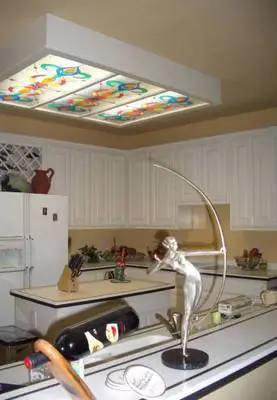
Photo 2 — Stained glass on the kitchen ceiling
Ceiling Height in an Apartment
Ceiling height plays an important role when choosing a ceiling finishing method. In apartments or houses with high ceilings, almost any type of ceiling decoration is possible.
For example, in a studio apartment, suspended cloud-like ceilings can be installed, decorative beams widely used or a curved ceiling of an intricate shape made from a combination of several materials.
The standard height in a Khrushchyovka does not allow for much freedom in ceiling finishing. For example, the minimum 12 cm required for installing Armstrong system is a luxury for low-ceiling rooms.
In a one-room apartment with high ceilings, you can get away with plastering and install an attic where you can place a sleeping area. Low ceilings visually lift when using mirror panels.

Photo 3 — Modern ceiling design in a studio apartment
Sound Insulation of a Ceiling in an Apartment
Modern ceilings and walls can be very sound-transmitting. Without providing sound insulation of the ceiling in your apartment with your own hands, you can continue to hear footsteps, knocks, creaks and neighbors' conversations.
Sound insulation of a ceiling in an apartment is somewhat improved when installing any suspended ceiling. Whether it's polystyrene, plastic, gypsum board or other types of suspended ceilings, they all slightly dampen sounds passing through the floor slabs.
Manufacturers of ceilings have included special technology to ensure good sound insulation and sound absorption using ceiling materials. These include plates made of mineral or glass fiber, produced by Armstrong, Ecofon and AMF.
Such plates help create a harmonious and comfortable atmosphere in the room, reducing noise levels. Additionally, the space between the suspended system and the floor slab can be filled with sound-absorbing mineral wool to enhance the effect.
Sound insulation of a ceiling in an apartment: price of Armstrong Optima acoustic panels – from 15 euros per square meter.
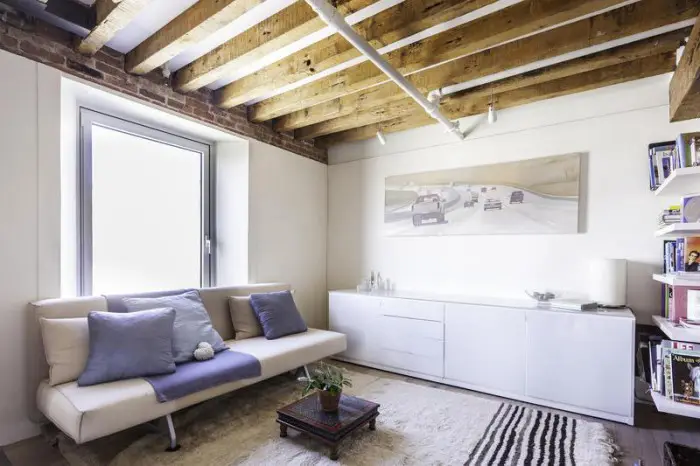
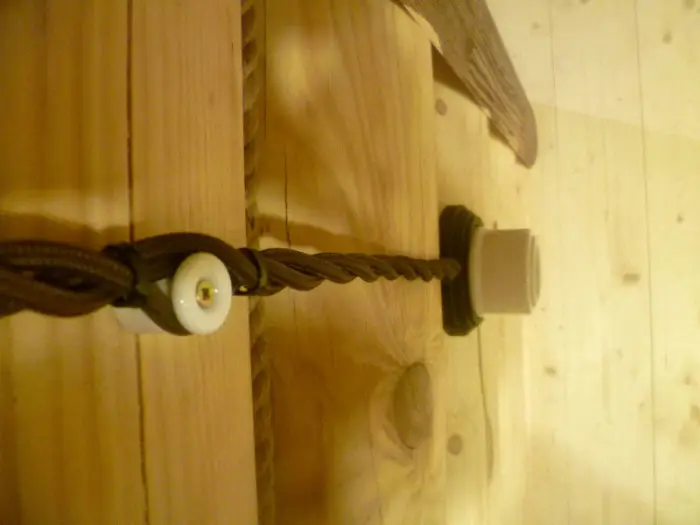
Photo 4 — Wooden ceiling in a cozy apartment
A Few Words About Thermal Insulation and Moisture Protection
Insulate a ceiling using various materials, most commonly used among which are mineral wool and polystyrene. However, polystyrene is not recommended for indoor use, so it's much better to use mineral insulators, laying them behind the suspended system.
Regarding moisture and water protection: there are no guarantees that a ceiling won't leak, as this depends on neighbors’ attentiveness, the state of pipes in floor slabs, and the timely repair of roofs by communal services for residents of upper floors.
Therefore, in rooms with a clear threat of flooding, it's better to choose moisture-resistant ceilings that won't be damaged by water and will protect the rest of the repair from it. These include metal, plastic, and tensioned film ceilings and some other types of finishing.
Beautiful stained glass inserts, combinations of different types of lighting, cornices and other ceiling decorations can beautifully enhance the look of a ceiling in an apartment.