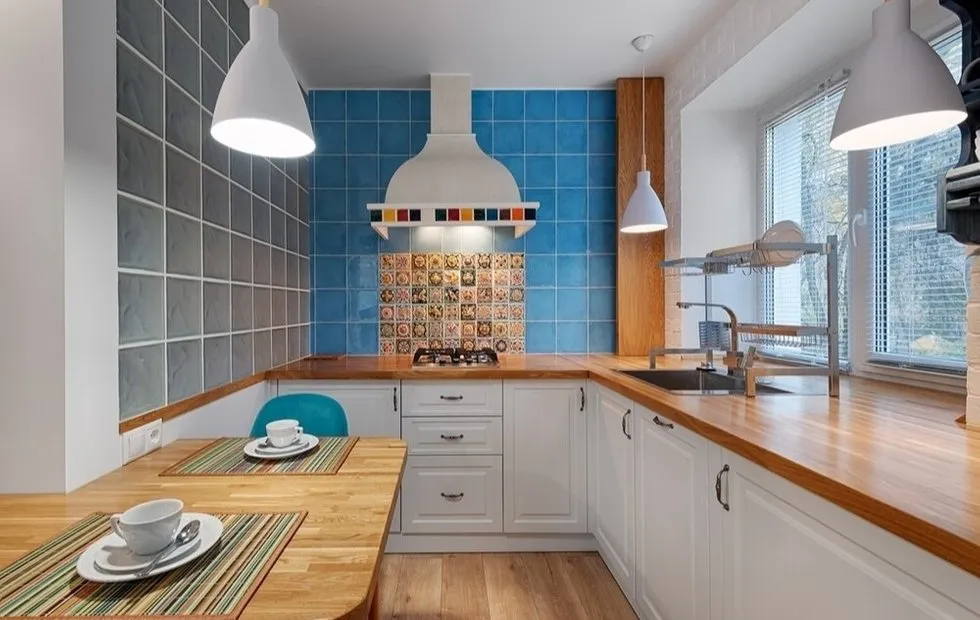
How to Turn a Balcony into a Functional Storage Space and Protect Items from Cold: Winter Storage Guide
Instead of cluttering such a useful space as a balcony, you can transform it into additional storage for your belongings.
Winter often turns a balcony into a dumping ground for everything that didn't fit in the apartment. Boxes get soaked, items develop mold, and by spring, half of them have to be thrown away. We explain how to organize storage on a balcony so that items survive the winter and the space remains functional.
Key points from the article:
Proper balcony preparation is more important than buying storage systems;
Items need protection not only from cold but also from condensation;
Not everything can be stored on a cold balcony;
Organizing storage pays off within one season;
Smart zoning can save up to 40% of space;
It's better to store items at a small distance from the walls.
Preparing the Balcony for Winter Storage
Before bringing items inside, prepare the balcony itself. Even if it's not insulated, you can create conditions for safe storage. First of all, check the airtightness of the glazing. Gaps and cracks are the main enemies of item preservation. Seal them with construction foam or silicone sealant.
Make sure to dry the room and treat corners with anti-fungal compounds. Mold often appears in these areas. To protect from condensation, place a grid floor on the ground — it ensures air circulation under boxes and containers.
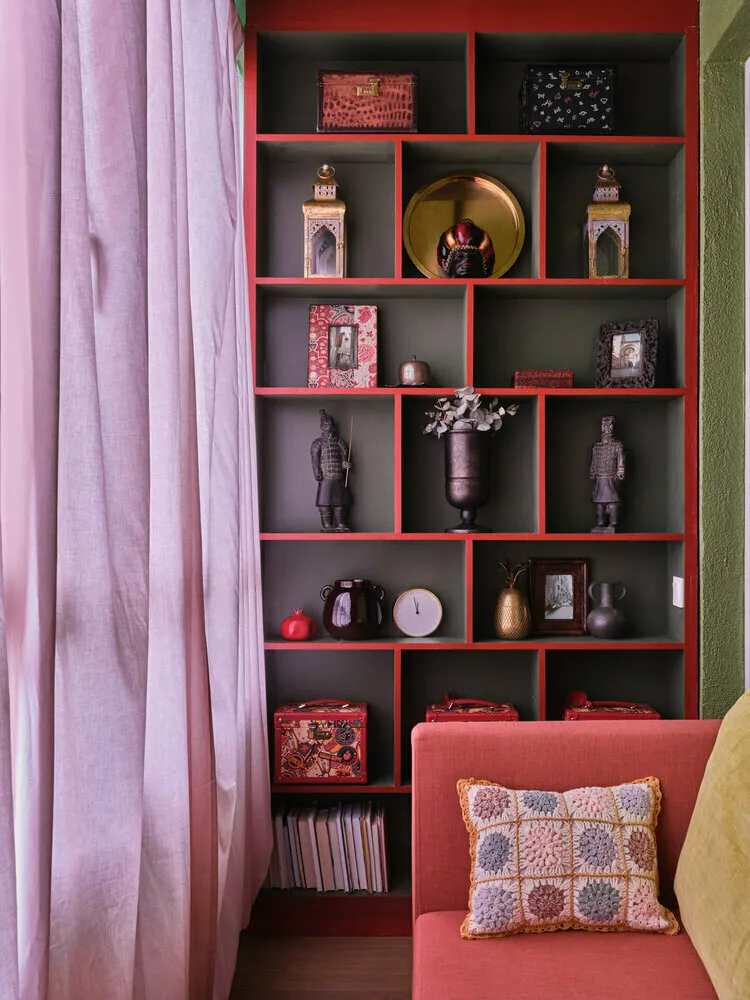
Design by Anna Tarasova
What Can and Cannot Be Stored on a Cold Balcony
Low temperatures and humidity fluctuations are not a death sentence for all items. Items can be safely stored on the balcony:
Seasonal clothing in sealed containers;
Sports equipment;
Tools;
Car accessories;
Empty suitcases and bags.
However, these items are better brought into the apartment:
Household chemicals;
Books and papers;
Electronics;
Cosmetics and medicines;
Any liquids.
Storage Systems: What Actually Works
The main principle of winter storage is that items should not come into direct contact with cold walls and floor. Even a small gap of a few centimeters can protect from condensation.
Modular shelving units on legs are the ideal solution for a balcony. They allow full use of vertical space and can be easily reconfigured for various tasks. Choose metal or plastic — wooden units may crack due to humidity fluctuations.
Overhead storage is often underestimated. But it shouldn't be — you can organize attic spaces for lightweight but bulky items like suitcases or sports equipment. The key is to securely fasten the structure.
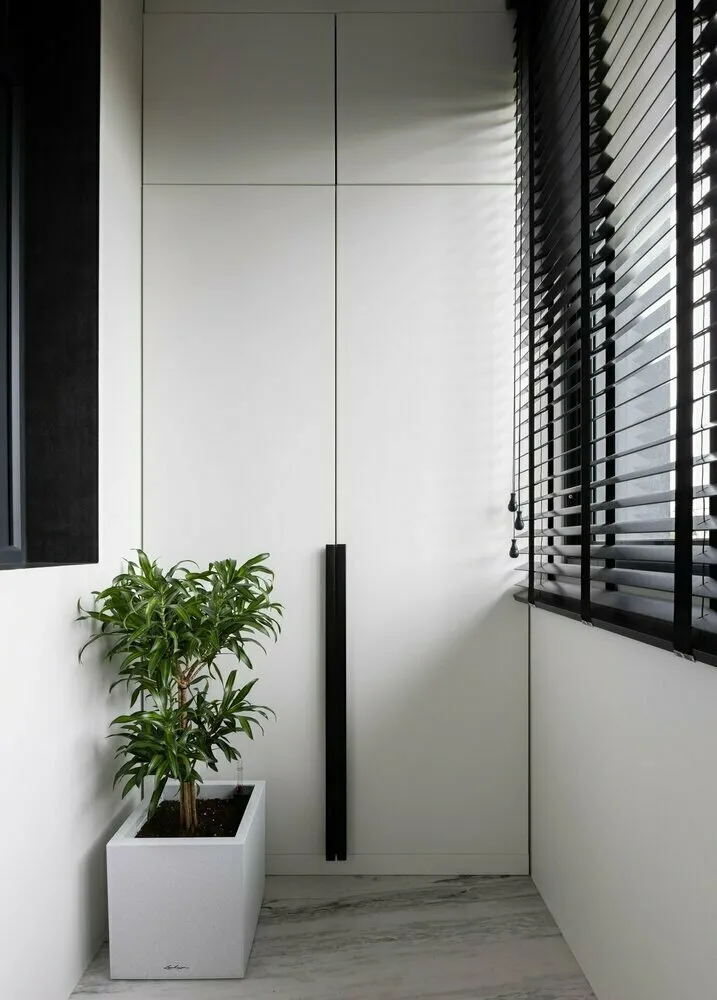
Design by LINART
Check out the video:
Smart Space Organization
Plan the balcony’s zones. Place frequently used items like shoes or tools near the entrance. Remote corners should be reserved for seasonal storage.
Use space to the maximum: utilize side walls for hanging storage systems and turn the windowsill into an additional shelf. But don’t forget to leave walkways — otherwise, reaching items will be difficult.
Protecting Items from Cold and Moisture
The main issue with a winter balcony is condensation. When warm air from the apartment meets cold surfaces, water droplets form. These droplets, not the cold itself, damage items.
How to protect items:
Use sealed containers with clips;
Place silica gel at the bottom of containers;
Wrap items in breathable textiles;
Lift boxes off the floor;
Leave gaps for air circulation.
Smart Tips for Winter Storage
Vacuum bags are perfect for storing clothes and textiles. They not only save space but also protect against moisture. Just don’t use them for down jackets or bulky items — compressed filling may lose shape.
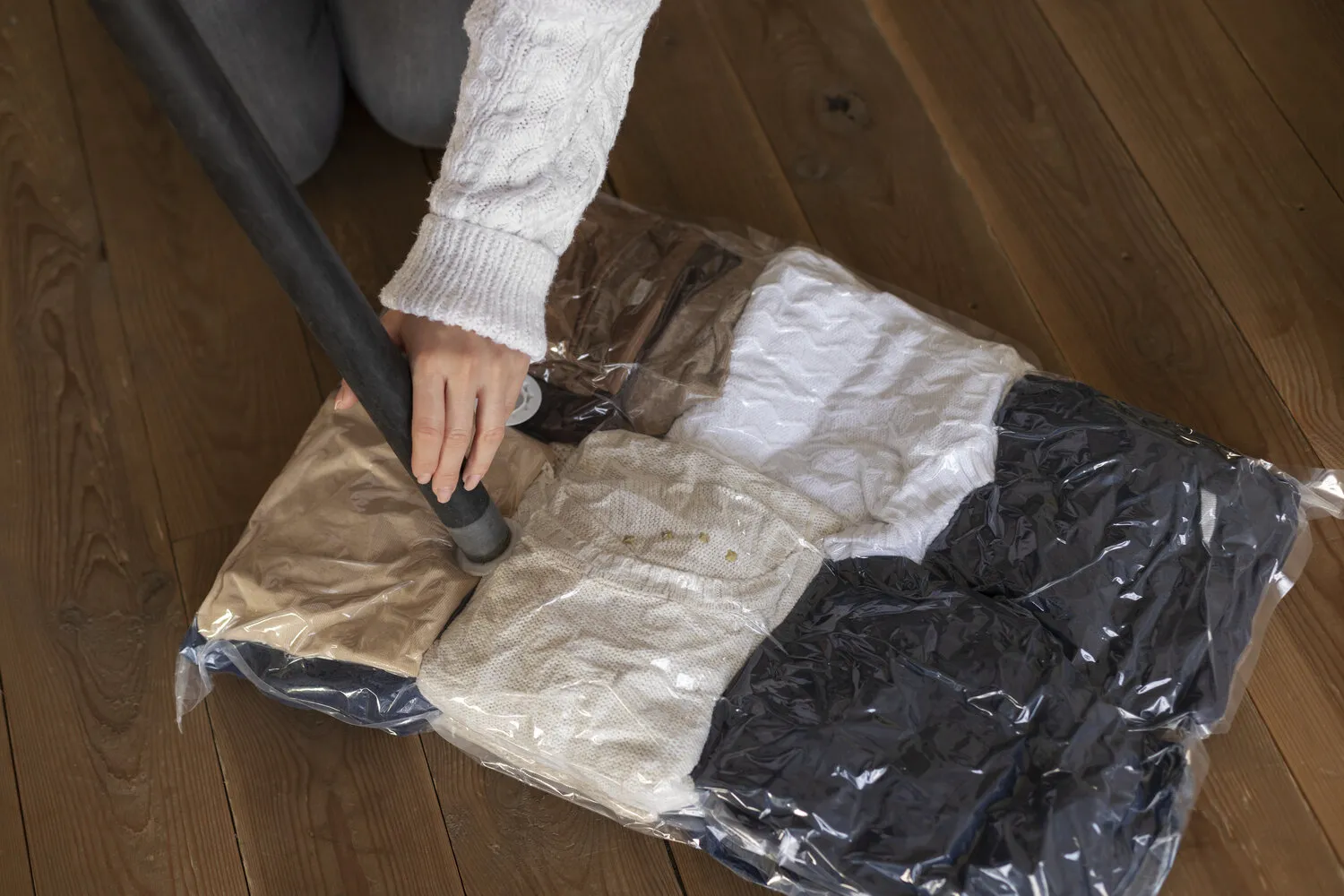
Photo: freepik.com
How to Maintain Order Long-Term
Set up a labeling system — label boxes and containers. You can use different colors for various item types or seasons. Keep a list of what's stored on the balcony and keep it handy.
Regularly ventilate the balcony during dry weather. Once a month, check for condensation or mold. If you notice any problems — address the cause immediately, otherwise, you’ll have to throw away damaged items.
Organizing storage on a balcony requires time and some investment. But once the system is in place, you gain additional functional space, and your items are reliably protected from weather changes. The key is to approach the task systematically and not just pile boxes on the balcony.
Cover: Design projects by Anna Plotnikova and Nikolay Nikolaev from studio “N-cube”.