How to Choose Materials for Renovation: Guide for 2025 + Checklist
How to prepare for a renovation wisely? Take the checklist
Starting a renovation is not only about joyful plans but also a complex choice. The market of finishing materials constantly changes: new solutions like SPC panels and decorative 3D panels appear, while classic materials evolve. We explore how to avoid getting lost in this diversity and choose materials that will last long.
Main points from the article:
Start selecting materials by creating a detailed plan and moodboard;
Each surface type requires its own material;
You can save on design, but not on the quality of base materials;
Check certificates and material compatibility;
Purchase with a 10-15% surplus.
Why it's important to plan purchases in advance
Spontaneous purchases during renovation often lead to budget overruns. Professional designers recommend creating a moodboard first — a collage of all materials you plan to use. This helps visualize how materials combine with each other under different lighting conditions.
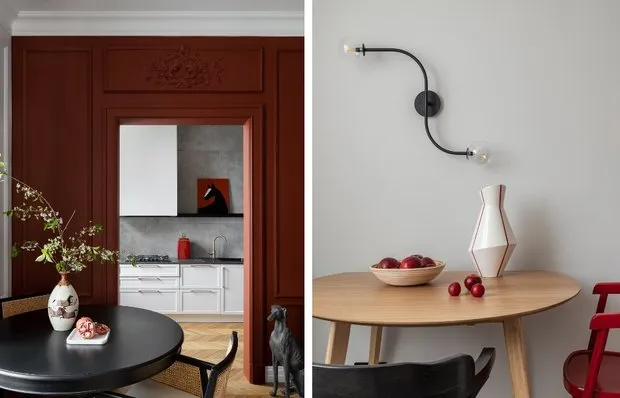
It's important to define style and color palette right away. For example, if you've chosen a Scandinavian style, look for light wood species, matte surfaces, and natural textures. Loft styles suit concrete surfaces, metal, and rough wood.
Walls: from base to finish
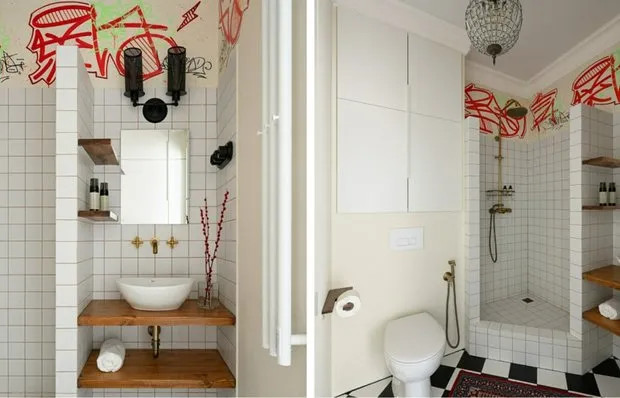
Wall finishing is a multi-layered process. It begins with the base layer: plastering. For dry rooms, gypsum is suitable, while for humid areas, cement-based plaster is better. Decorative plaster is often used for accent walls.
Finish coating options include:
Paint: from classic matte to textured decorative paint. For humid rooms, choose moisture-resistant compositions with anti-fungal additives.
Wallpaper: vinyl on flocked backing is more practical than paper, while glass wallcovering can be repainted many times. Textile wallpapers create a cozy atmosphere but require careful maintenance.
Decorative coverings: 3D panels, wooden strips, or cork covering add individuality to interior design.

Design: Alena Savvaeva
What to consider when choosing floor coverings
Flooring is the foundation of interior design. The choice depends on room purpose and load conditions:
Entrance: durable materials are needed. Ceramic granite or SPC panels can handle dirt and moisture.
Living room: you can choose parquet, engineered flooring, or high-quality laminate of 33-34 class.
Bedroom: parquet planks will create a cozy atmosphere, while cork covering ensures silence.
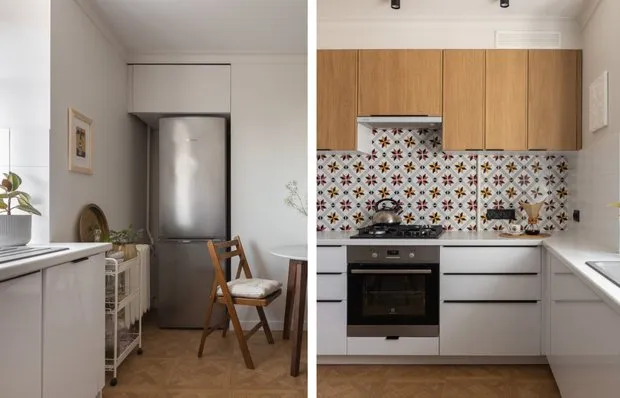
Kitchen: ceramic granite or quartz vinyl — they resist moisture and spills.
Ceiling: more than just white paint
Modern technologies offer many options:
Drop ceilings: from classic matte to modern ones with photo printing;
Gypsum board structures for multi-level solutions;
Slatted and cassette systems for bathrooms;
Wooden ceilings for country houses.

Design: Irina Vasilieva
Where you shouldn't cut corners
There are materials where cost-saving can lead to redoing the entire renovation:
Waterproofing in bathroom and kitchen;
Floor screed and sound insulation;
Electrical wiring (wires, sockets, switches);
Adhesive for tiles;
Grout for joints.
Storage rules before renovation
- Store wallpaper vertically in a dry room;
- Laminate needs acclimatization for at least 48 hours;
- Keep tiles on a flat surface;
- Store paint at temperatures above +5°C;
- Protect dry mixes from moisture.
Universal checklist for selecting materials
Documents:
- Quality and compliance certificates;
- Hygienic certificate;
- Expiry date;
- Returns conditions.
Technical parameters:
- Wear resistance class;
- Moisture resistance;
- Lightfastness;
- Fire safety;
- Eco-friendliness.
Visual inspection:
- Intact packaging;
- No defects;
- Color and texture match the sample;
- Batch marking;
- Dimensions and tolerances.
Practical aspects:
- Compatibility with other materials;
- Installation specifics;
- Need for special tools;
- Maintenance method;
- Lifetime.
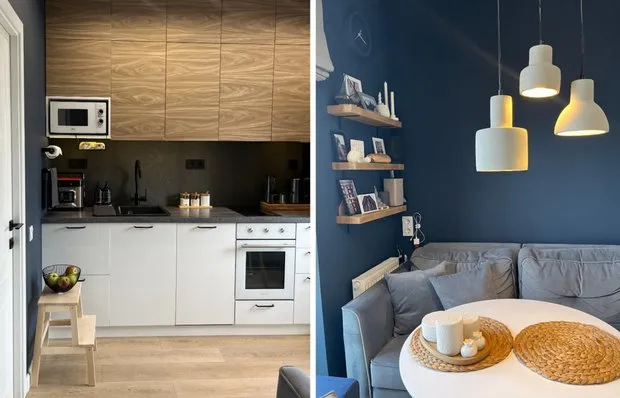
Cover: design project by Aida Kaliyeva