Silk Plaster: Application Technique and Features
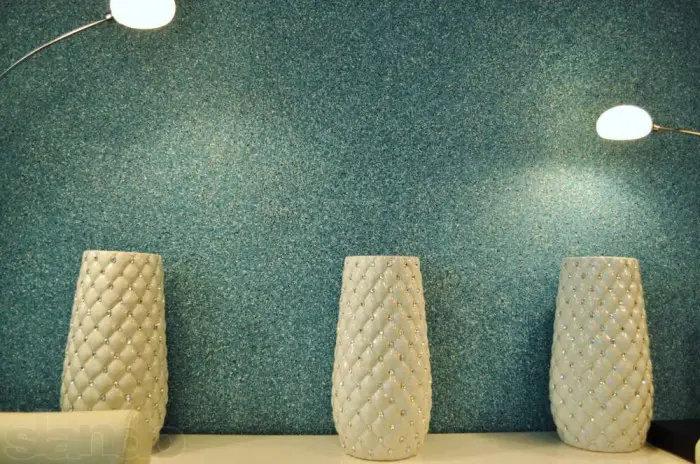
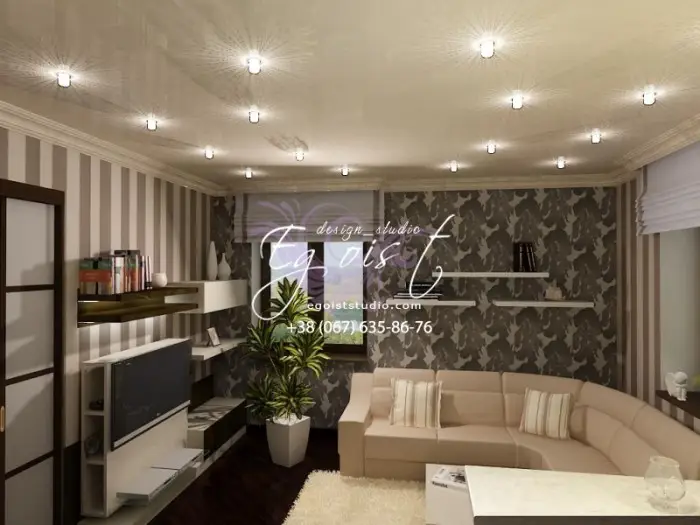
Photo 1 — Liquid silk plaster
Strong points of silk plaster
Among the advantages of this material are: eco-friendly composition, provision of thermal insulation and sound absorption, frost resistance, anti-static properties, vapor permeability, decorative plaster "wet silk" conceals surface irregularities to which it was applied.
When using this material as finishing decoration, costs for wall preparation can be significantly reduced since liquid silk does not require base leveling "to zero". Wall preparation will be considered sufficient with one layer of spackle (if applied to cement plaster).
IMPORTANT! Decorative plaster "silk" is easily restored in case of cracks, scratches, and also easily replaced dirty surface areas.
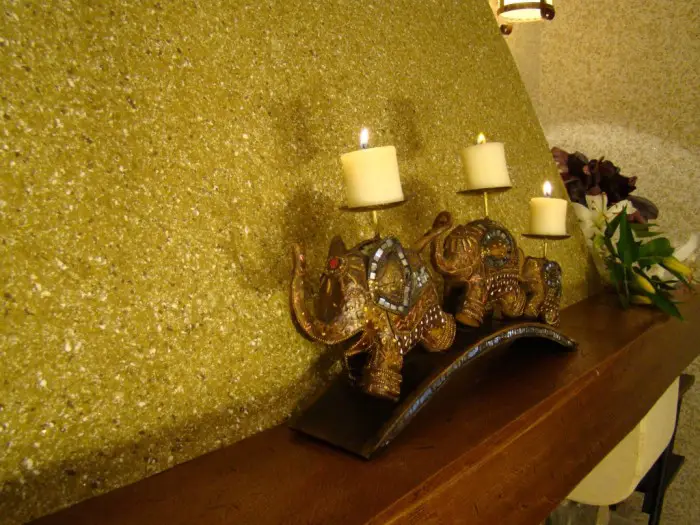
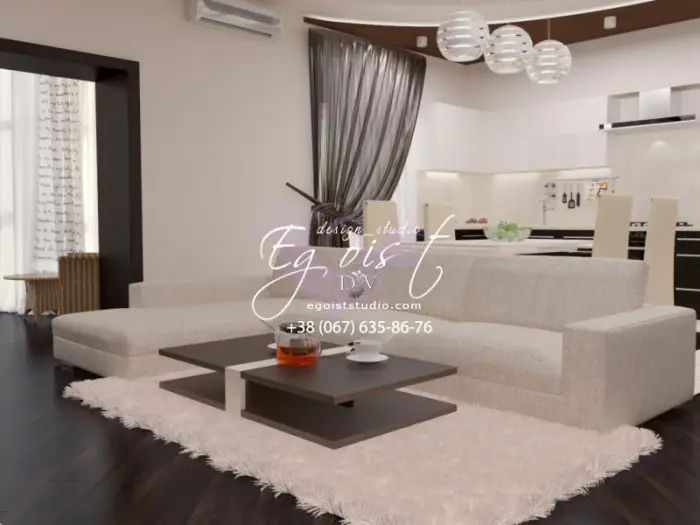
Photo 2 — Silk Plaster RIC CAPITAL
Among the advantages of this material are dust-free application, ease of use of the mixture (DIY - do it yourself), sale of material in ready-to-use form, possibility of application to walls in new buildings - the material does not cause shrinkage, and the plaster has no smell.
IMPORTANT! This decorative material is accompanied by packaging of glitter which can also be used for surface decoration if desired.
There are more than 110 varieties of silk plaster including economical options and exclusive ones.
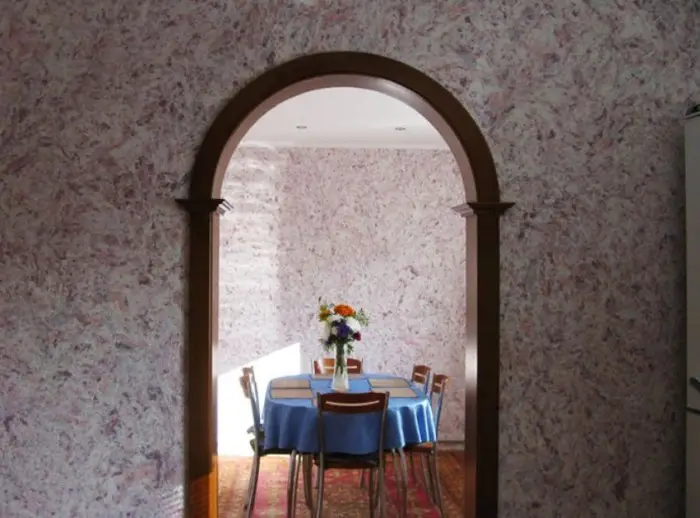
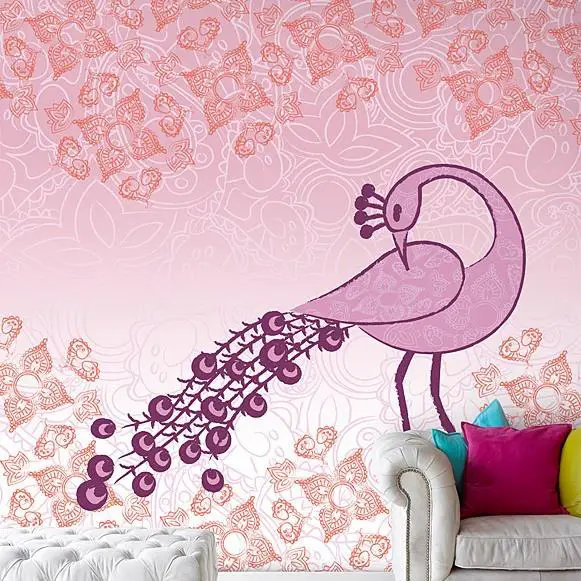
Photo 3 — Liquid plaster in the dining area interior
Silk Plaster
Silk Plaster is a decorative finishing material made in Russia, which in its characteristics and design does not lag behind world brands.
For production of Silk Plaster natural cellulose, colored quartz, silk fiber, special mineral filler and decorative additives are used. Silk plaster is a material with cellulose-based adhesive. All components of the material are of natural origin and therefore harmless.
IMPORTANT! Silk Plaster with silk effect has CE marking, i.e. meets European quality standards.
Liquid plaster under silk differs in fiber structure: plaster with finer fibers is applied to the wall in a thin layer up to 2-3 mm thick, other types - up to 4-5 mm. The latter look more voluminous and better resemble real fabric.
Application of silk plaster
For applying liquid plaster, a trowel can be used and work can be done manually or the material can be applied mechanically using a special pistol-hopper. The pistol's chamber is filled with prepared work mass and applied to the surface under air pressure in an even layer.
IMPORTANT! Pistol application is only possible for "economy" class materials.
Work processUsually, to prepare the base for liquid plaster, primer is applied in 2-3 layers to cleaned walls of previous coatings. The primer does not need to be colored. To give texture to the even surface, water-dispersible paint is applied to the wall after the primer has dried.
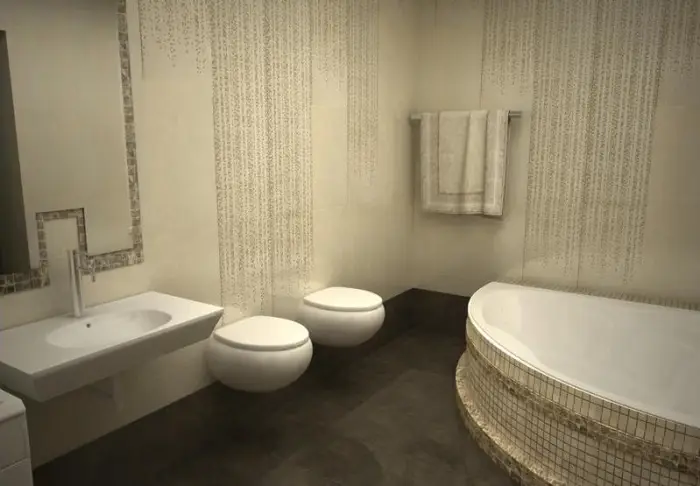
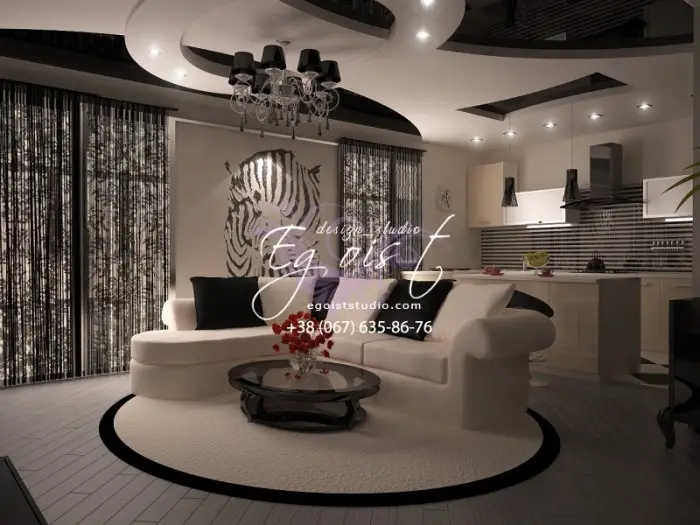
Photo 4 — Liquid wallpaper can be used in the bathroom and kitchen
Decorative silk plaster: application technique on different surface types
Concrete and partially spackled, rendered brick basesWall surfaces are spackled with gypsum mixes, thereby leveling them. After the spackle has dried, it is primed with FG at least in 2 layers and then painted with white water-dispersible paint.
IMPORTANT! If you don't have FG at hand, walls can be painted with a mixture of facade water-dispersible paint and PVA (mix in the ratio 2:1). In such case, it is necessary to correctly calculate the layer of spackle so that the gray concrete tone does not show through on the surface. Painting in such a way is done in 3 layers: first - impregnating, protective, subsequent - reinforcing layers.
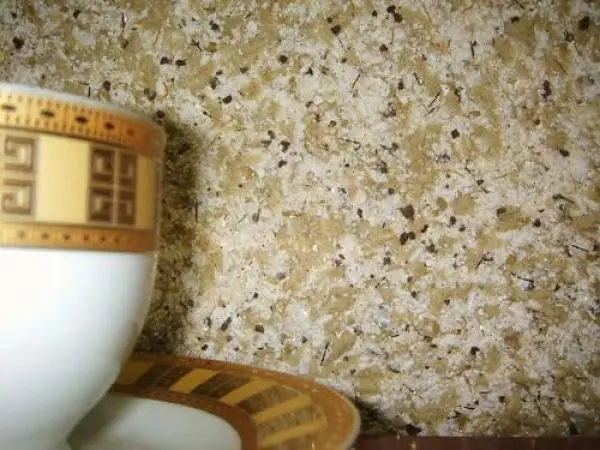
Photo 5 — Liquid plaster for the kitchen
Walls of "steel frame" and "Khrushchyovka" typeOn the surfaces of walls in old buildings yellow or gray spots often appear, so before applying decorative coating, it is necessary to reinforce the base of the wall properly.
Walls are soaked or a solution of FG is applied in at least 2 layers, then painted with white water-dispersible paint.
IMPORTANT! At this stage of work, FG can be replaced with oil or alkyd paints.
For walls made of gypsum boardBefore applying liquid plaster to gypsum board substrates, they are covered with spackle over the entire surface of the boards. Common mistake: spackling only at GKL joints - this is insufficient for creating a smooth surface.
After the spackle has dried, it is painted with white water-dispersible paint.
IMPORTANT! Since gypsum board is a material that readily absorbs moisture, it is better to add PVA to water-dispersible paint (mix in the ratio 3:1) to reinforce the spackle. It is also important to use galvanized screws to exclude possibility of rust appearing on the surface of silk plaster.
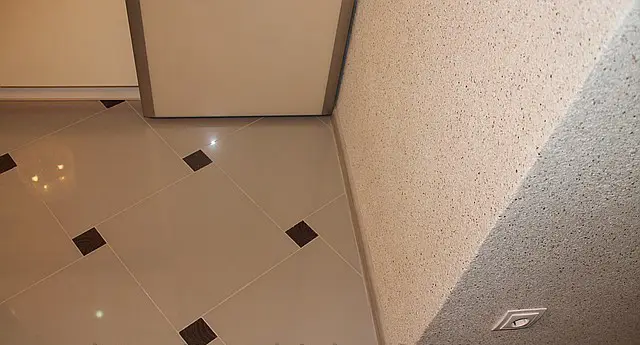
Photo 6 — Silk Plaster on the balcony
Wooden surfaces, as well as sheets of plywood, particle board and MDFBefore applying liquid plaster to these surfaces, ensure that the wood does not shrink and is protected from moisture. To protect the base from deformation, oil paint or FG solution can be used in 2-3 layers.
Silk Plaster: Masterclass on Application (PHOTOS)
To prepare liquid plaster, the mixture is diluted with warm water and allowed to stand for about 15 minutes. If necessary, the solution is colored.
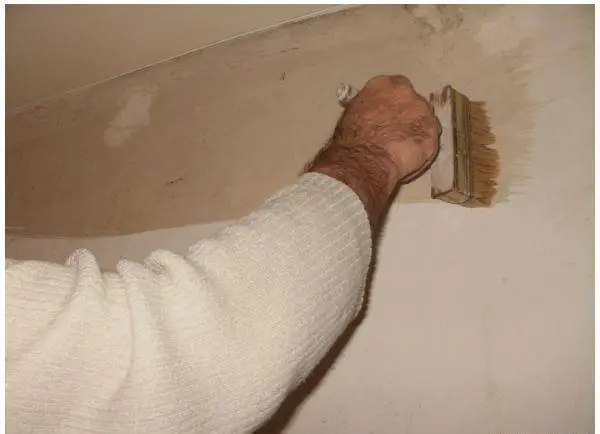
Photo 7 — Before applying liquid wallpaper, walls should be treated with primer
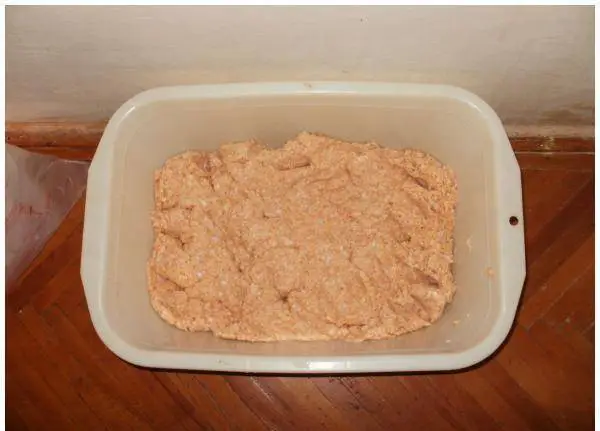
Photo 8 — Liquid plaster can only be prepared in plastic containers
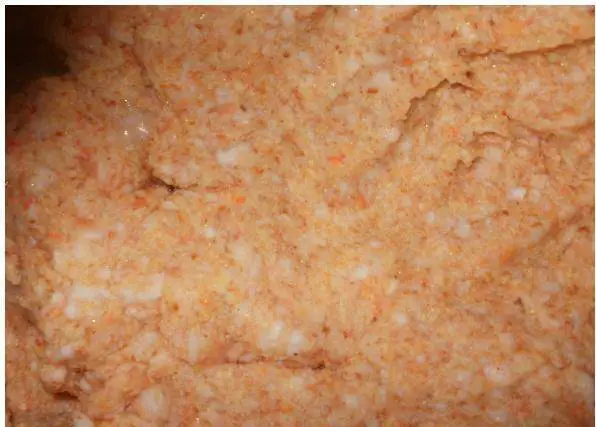
Photo 9 — According to the manufacturer's instructions, the wallpaper is mixed with water, glitter is added and stirred until a thick paper-like mass is obtained
The composition is applied to the prepared base using a small spatula or roller, smoothing and leveling the plaster on the working surface.
IMPORTANT! Silk plaster is extremely easy to apply and if you are not satisfied with a particular area, the material can be removed and the problem spot re-plastered.
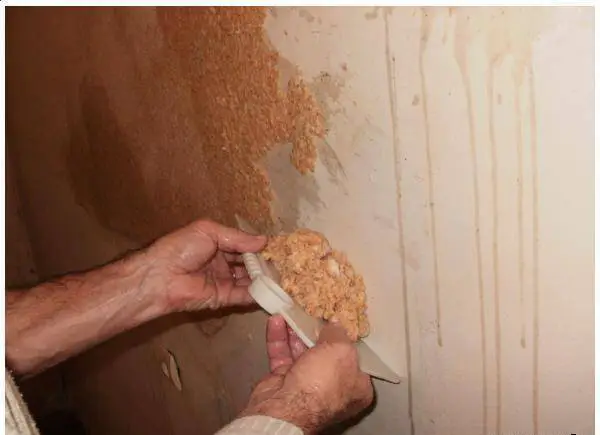
Photo 10 — For work, use a small plastic spatula and apply the mixture to the wall surface in portions
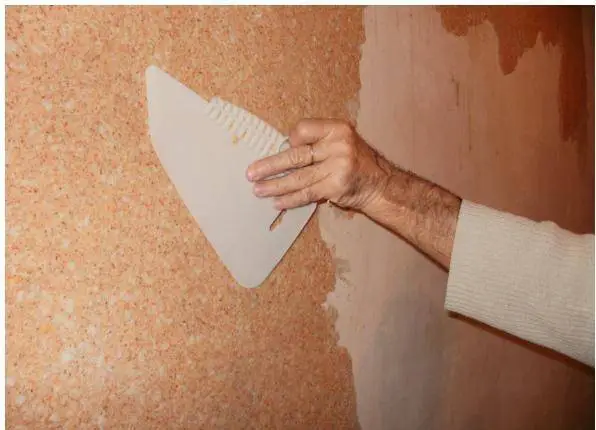
Photo 11 — The direction of spatula movement during application and smoothing should not be the same, try to work with amplitude, without strong pressure on the tool
Depending on the room temperature and humidity level, liquid plaster dries in 12 hours to 3 days.
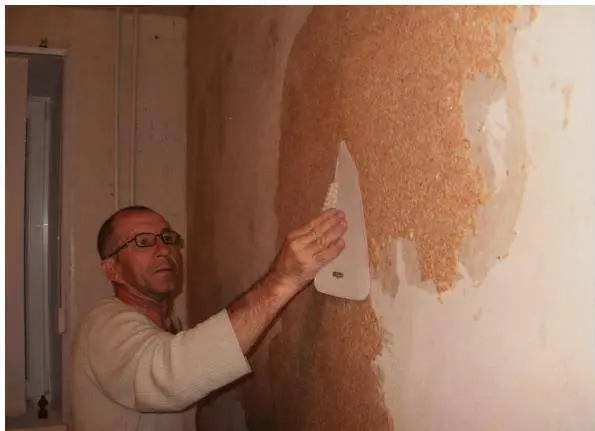
Photo 12 — The composition is smoothed with a thin layer after application
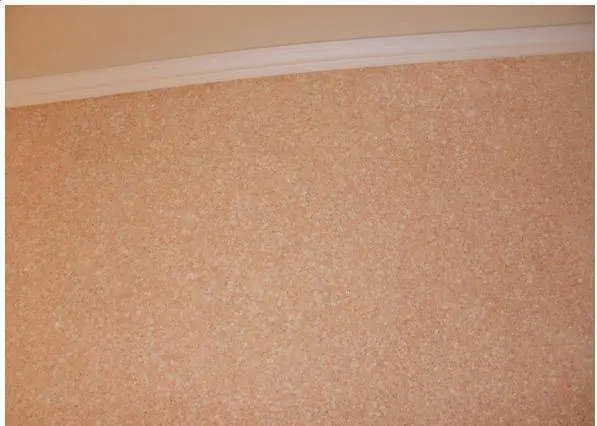
Photo 13 — Liquid plaster dries unevenly over several days
IMPORTANT! Material consumption is from 0.28 kg/m².
Silk Plaster: Price
Depending on the manufacturer, type of plaster, and class to which the selected material belongs, its price may be:
- Bayramix (Turkey) Koza catalog - from $18/kg;
- Songwoo (China) Silk Road catalog - from $14/kg;
- Silk Plaster (Russia) - from $15.6/kg.
For bulk purchases, it is convenient to contact the manufacturer directly rather than rely on reviews of online stores.