What Interior Designer Notices When Visiting Your Home
Admit it, did you think about this? We even asked a real expert and got answers — sharing them with you
If you show your new jacket to a professional clothing designer — he will definitely look at the seams, notches, touch the fabric and check the lining.
What does an interior designer pay attention to when visiting an unfamiliar space? We asked Victoria Zolina.
Victoria Zolina
Interior Designer
Graduate of the British Royal College of Art, founder of Zi-design design studio
It's a great question — it makes you think about the priorities in every designer’s work. And they can vary greatly. Let me tell you about mine.
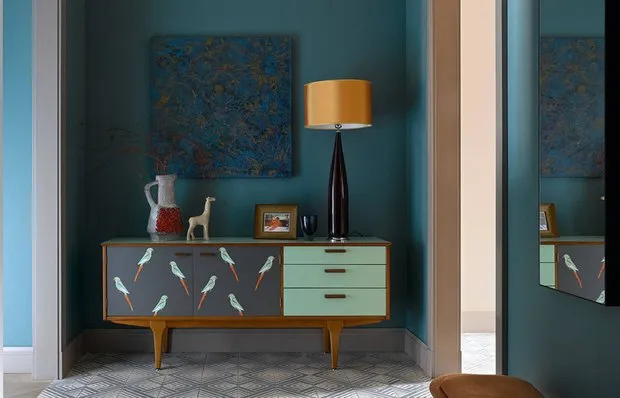
Atmosphere. I'm absolutely sure that atmosphere doesn't depend on the cost of the interior or the amount of money spent on it.
For me, atmosphere is important not only in design. If I’m not abstract, it’s more about comfort, character and mood of the space, which should at least evoke positive emotions: tranquility, comfort, and peace.
Regardless of style (whether it’s strict minimalism or pompous classic interior, wrapping you in hugging or modern art space), an interior has a soul. If it’s missing, that’s a complete failure.
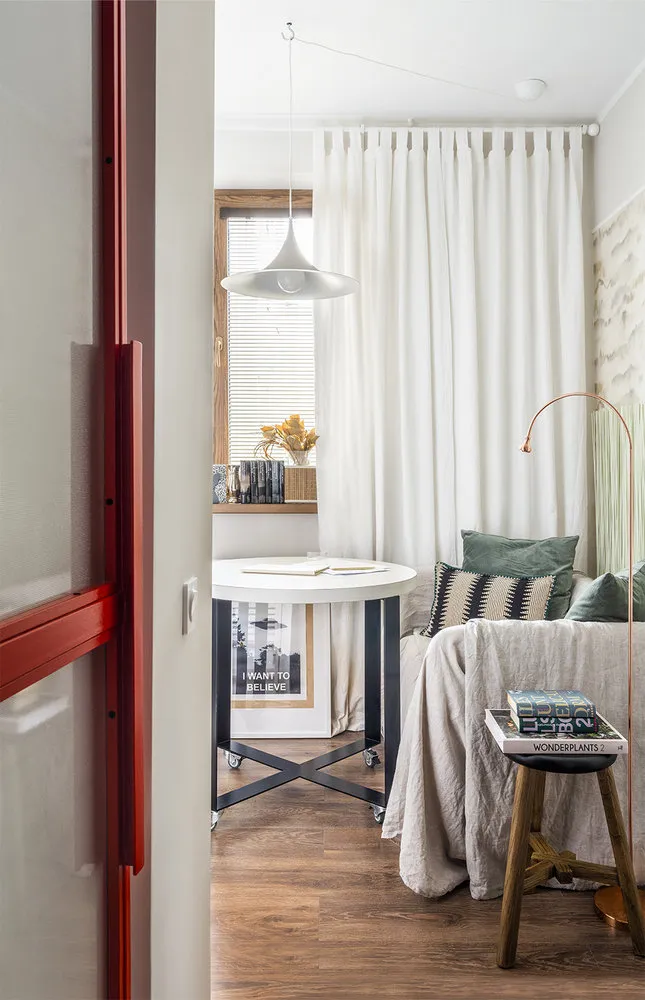
Design: Victoria Zolina, Zi-Design
I'm absolutely sure that atmosphere doesn't depend on the cost of the interior or the amount of money spent on it. It is built from details. But that doesn’t mean there should be many of them; much more important is their harmonious combination.
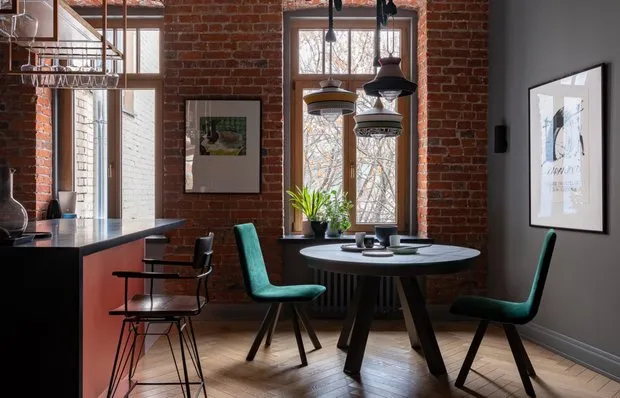
Details. The highest level in working with textures and details is when you want to touch, hold or examine them.
After the first impression, I begin to get acquainted with the details: materials and their combinations, furniture items — their interesting shapes and decorative elements.
And of course, proportions, space organization, and compositional solutions also matter greatly.
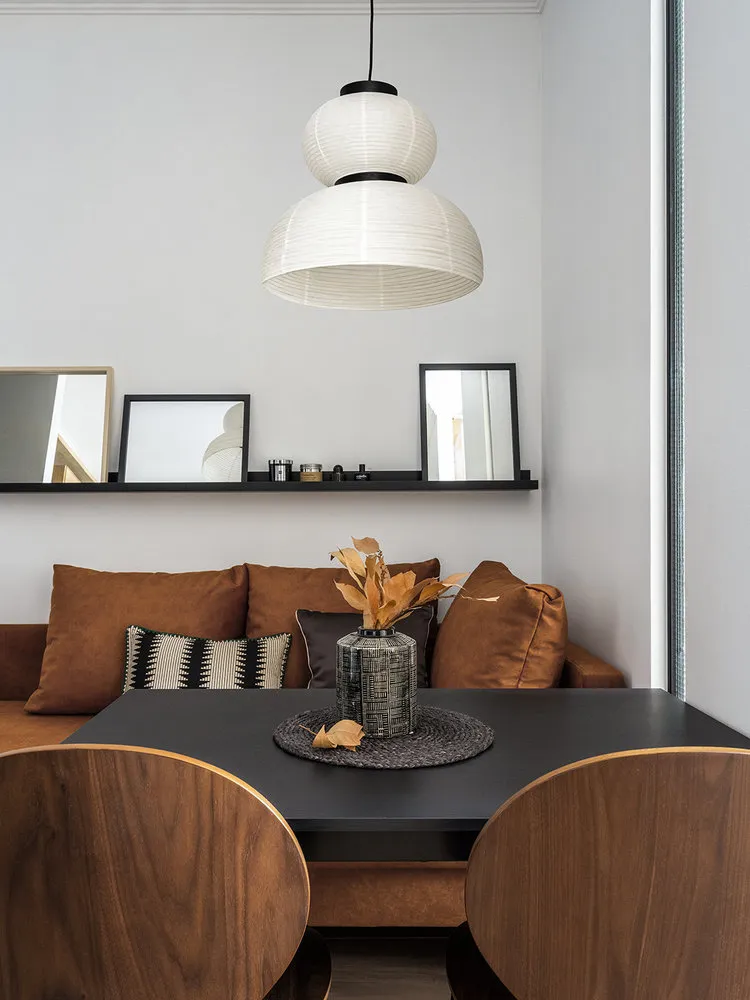
Design: Victoria Zolina
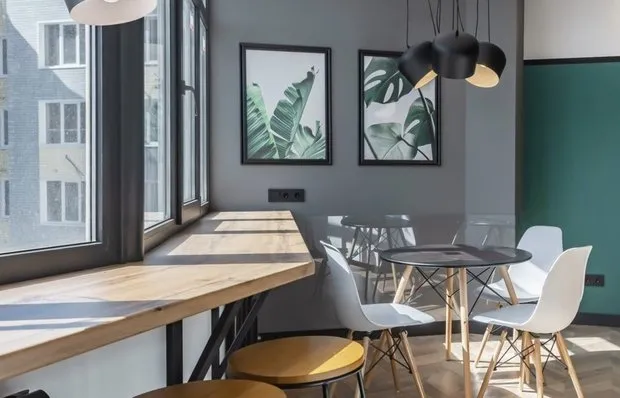
Lighting is very important, as well-planned lighting is your comfort. It’s interesting to observe how textures and colors change under different lighting.
Light is an inseparable part of architecture. It can either “pull out” poorly planned solutions or, on the contrary, ruin an interior. Now more and more clients pay attention to this issue, which can’t help but please.
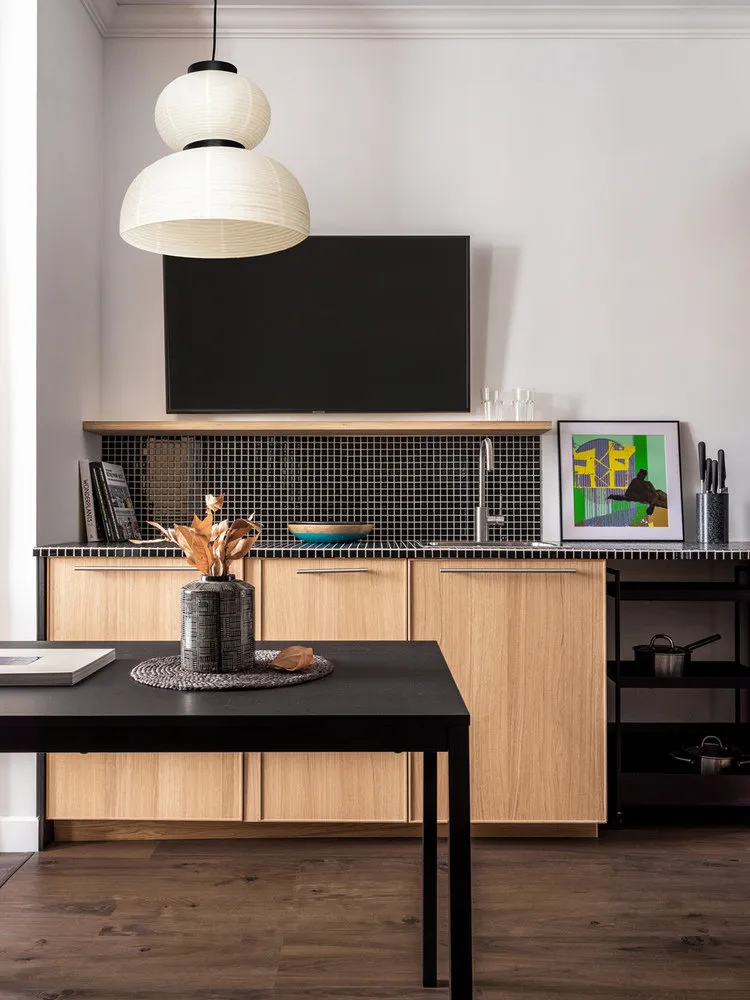
Design: Victoria Zolina
The highest level in working with textures and details is when you want to touch, hold or examine them. I also really enjoy looking at technical details: joints between elements, unusual solutions, transitions.
Everyone does this wrong: how to turn boring ironing into a pleasant activity
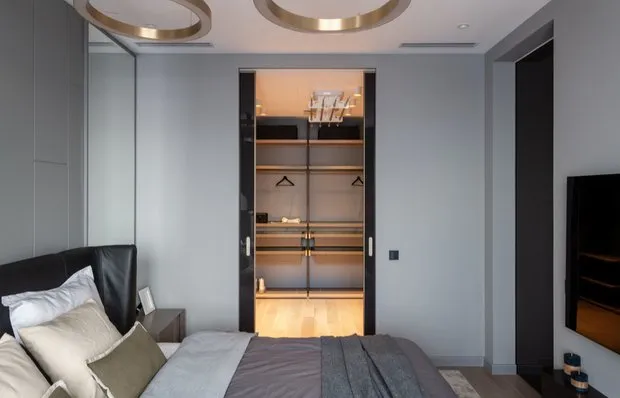
Functionality. You can’t hide a sofa in a cabinet. When making a purchase decision, always listen to yourself, take a pause...
A bed or chair must be comfortable — just like with shoes: no matter how beautiful the boots are, I can’t wear them if they’re uncomfortable.
In the past, I bought a very stylish and very designer chair but never used it. I don’t make such mistakes anymore. It’s wrong to think: “It looks fine.” “Looks fine” never brings us positive emotions.
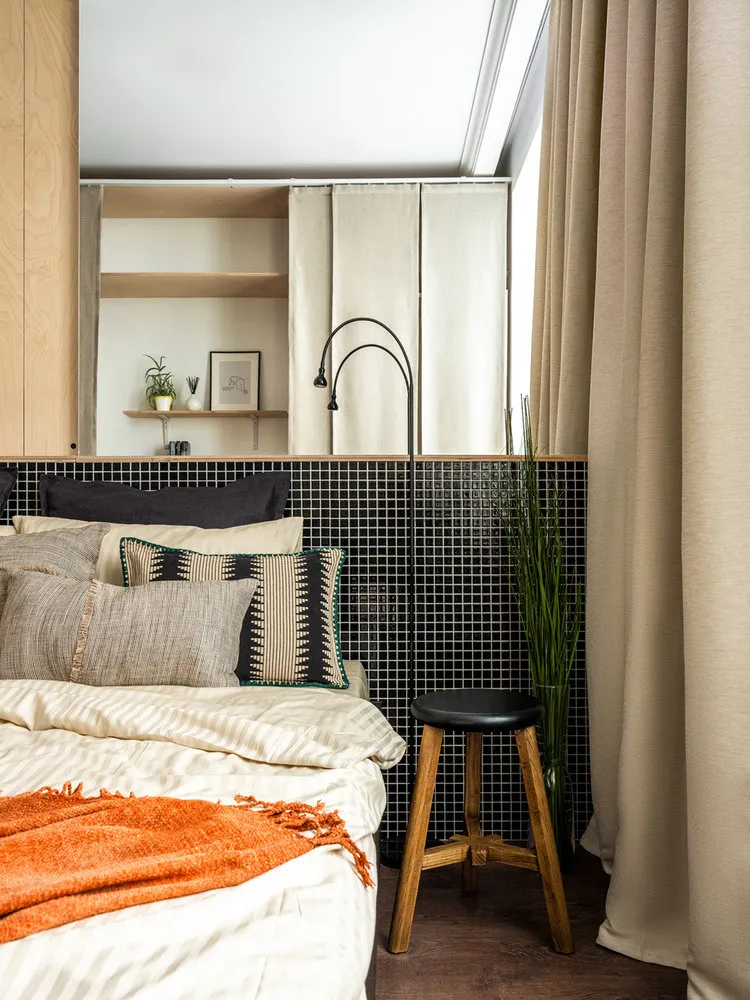
Design: Victoria Zolina
I’ll draw an analogy with clothing — I had items that I bought because of this “looks fine,” which later hung unused, as I didn’t feel whole in them.
But you can’t hide a sofa in a cabinet. When making a purchase decision, always listen to yourself, take a pause — rushing here costs too much.
On the cover: Zi-Design design project