8 Ways to Pay Less for Utilities
Learning to save electricity, water, and keep your family budget in check
It's natural to want to save money on utility bills, especially during winter when electricity and heating costs rise rapidly. To avoid being shocked by high utility charges, we've gathered several useful tips on how to spend less on electricity, heat, and water.
Use Energy-Saving Light Bulbs
During winter, you use artificial lighting more frequently and for longer periods, so it's best to replace all light bulbs in your home with energy-saving ones. Though they cost more than regular incandescent bulbs, they last much longer—up to eight years—and save electricity.
Spot Lighting Instead of Chandeliers
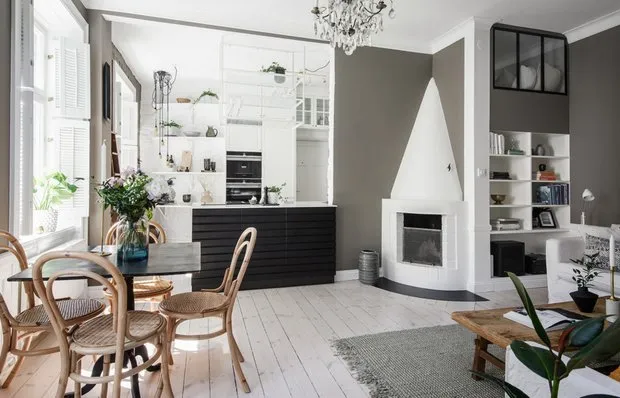
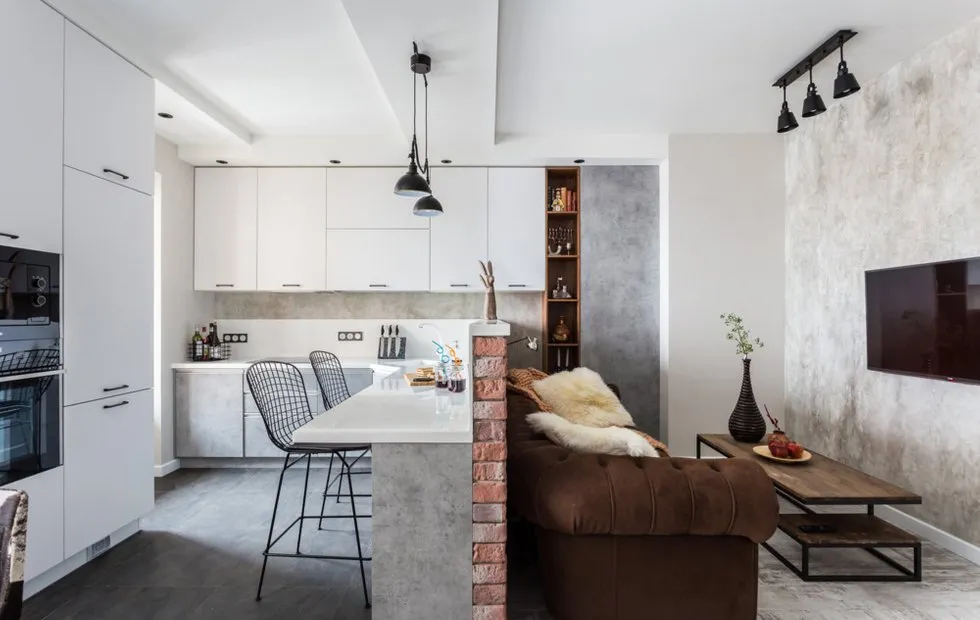
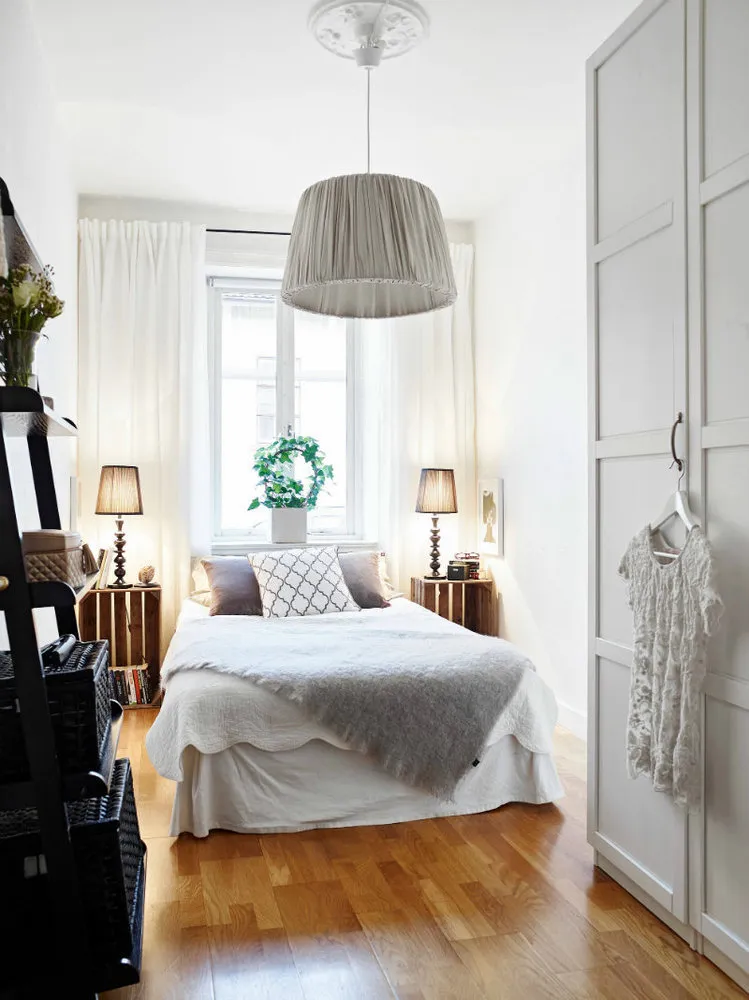
Several spotlights use significantly less electricity than one large chandelier. Plan your room lighting carefully, and install table lamps, wall sconces, and night lights in key areas of the room.

Install Multi-Tariff Meters
If you're rarely home during the day and mainly use electrical appliances between 11 PM and 7 AM, a multi-tariff meter is what you need. It calculates electricity costs based on time of day. Night-time electricity prices are 3 to 4 times lower than daytime rates, making the savings obvious.
Use Energy-Efficient Appliances
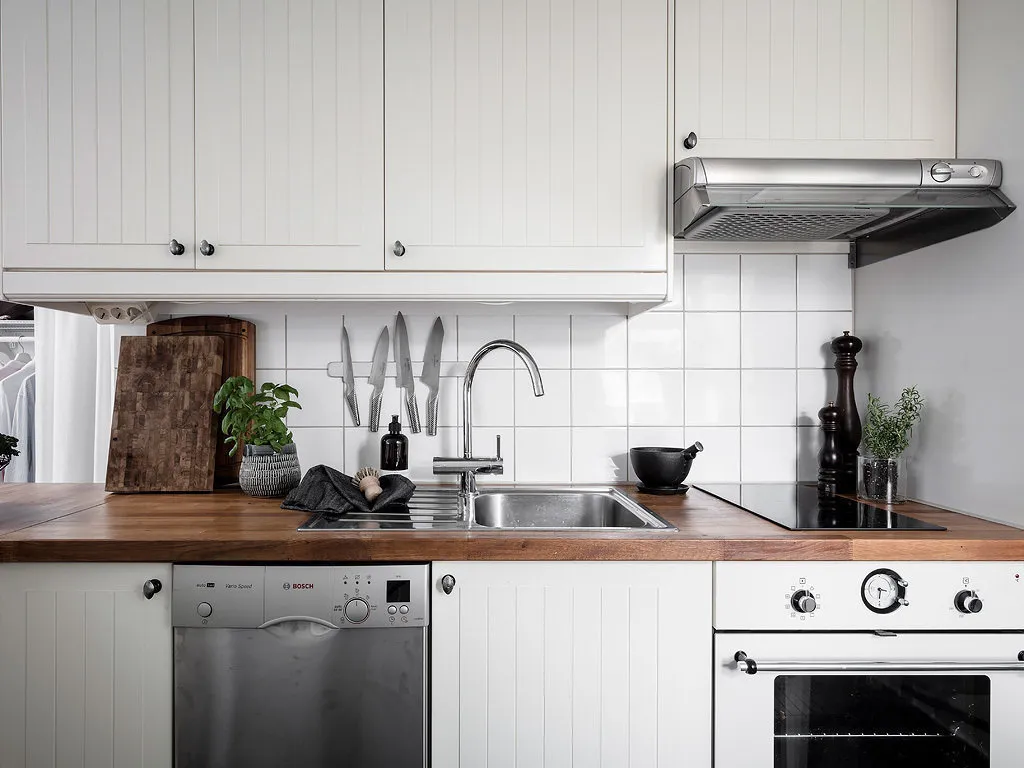
When choosing appliances like refrigerators and dishwashers, pay attention to their energy efficiency class. The most energy-efficient appliances that help avoid electricity waste are labeled as Class A, A+, and A++.
Adjust Radiator Temperature
To do this, install thermostatic heads on radiators. Adjust the heating intensity depending on the outdoor temperature. During winter, there may be warm spells, and it’s not necessary to heat the room unnecessarily. Lower the temperature by at least two degrees, and this will clearly show in your heating bills.
Try this lifehack: place reflective foil behind radiators to direct heat into the room instead of toward a cold wall.

Wash Clothes in Express Mode
To save both water and electricity, load your washing machine to maximum capacity and choose the fastest program when possible. The same applies to dishwashers: don’t run them until they’re full. This cuts water and electricity use in half.
Install Induction Cooktops
Induction stoves are much more energy-efficient than regular electric stoves because they heat the cookware directly, not the stove top or surrounding air. You can boil two liters of water in minutes without wasting heat.
If you have a regular electric stove, to save kilowatts, turn it off five minutes before finishing cooking. Always use pots and pans that match the size of the burner to avoid wasting up to 50% of electricity.
Naturally, the faster your cookware heats up, the less energy you’ll use. Therefore, it's better to use glass or ceramic cookware instead of steel or cast iron.
Prevent Heat Loss
Check your front door and windows for gaps. Even plastic double-glazed windows can lose their seal over time—the gaskets get rough, and the installation foam dries out. Find areas where drafts come through and seal them with sealant or self-adhesive tape.
Get Ready for the New Year: 5 Quick Repair Solutions
How to quickly and cheaply refresh a worn-out interior