Pouring Floor in Apartment
The main purpose of pouring self-leveling floors in apartments is to level the floor horizon over the concrete slab of the floor slab or over an existing "crooked" screed left by Russian builders.
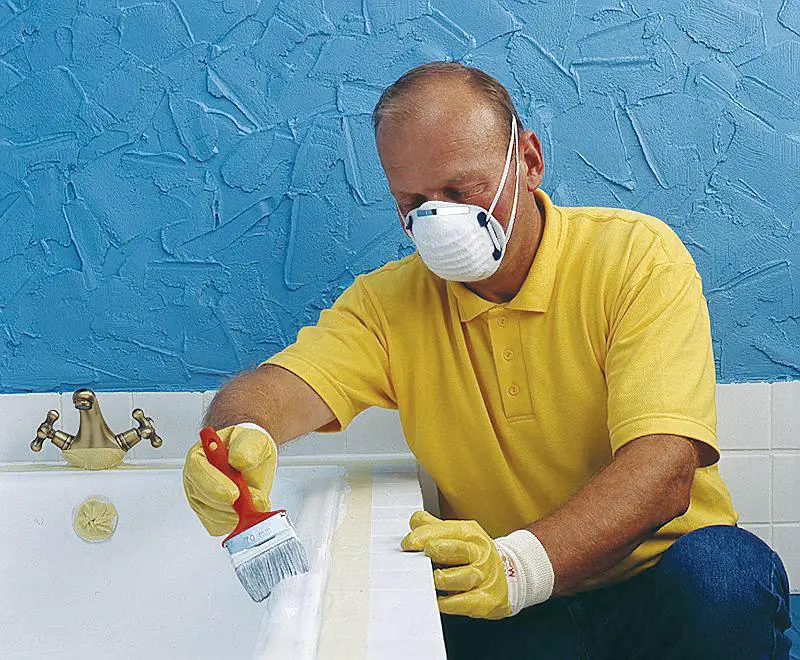
Before starting the floor pouring, it is necessary to carefully examine the quality of the existing base and prime it. It is preferable to use a polyurethane or epoxy-based primer for self-leveling floors. The primer removes dust from the surface and improves adhesion of the screed to the base.
Types of Self-Leveling Floors
Self-leveling floor is supplied as a dry construction mix, which must be mixed with water or a water and special primer solution before pouring. Packaging is in bags of 10 and 25 kg. The average consumption of the mix is calculated separately for each floor type, based on the thickness of the coating.
Every self-leveling floor contains quartz sand, cement, and a necessary set of plasticizers and hardening accelerators, distinguishing it from a standard cement-sand screed.
Self-leveling floors typically consist of two materials installed in stages. First, a fast-setting screed (rough floor) is poured. After it dries completely, a thin layer of self-leveling finishing mix is applied.
The main function of the rough floor is preliminary leveling and setting the floor level, while the finishing mix provides a perfectly smooth surface ready for the final floor covering.
In recent years, anti-static floors have appeared on the market, protecting against electric shock. If you choose such a material, remember to install a grounding contour in the room before laying the first rough layer. This can be done using reinforcing mesh or a simple steel strip.
Installation Technology
Pouring the floor in an apartment by yourself follows these steps. After the floor has been primed, you can pour the fast-drying rough screed. Prepare the mix in a plastic container large enough for 25 kg of mix and several liters of water. Mix using a drill with a special attachment at low but constant speed until the consistency is like thick cream. Important: always pour water into the dry mix, not vice versa, to avoid clumps.
Pouring can be done across the entire room (from wall to wall) or within a defined area of any shape, bounded by wooden formwork. For more accurate leveling, you can pre-install a special guide profile using a level. The rough floor not only levels the base if it has defects or hollows, but also ensures perfect spreading of the final layer. The quality of the first layer affects thickness, coverage, and consumption of the more expensive finishing layer.
The thickness of the rough floor can be 3 cm or more. If the screed thickness is less than 5 cm, consider reinforcement if the floor will be heavily loaded (e.g., heavy wooden furniture, piano, etc.). Reinforcement prevents mechanical damage over time.
Then, the second, finishing layer of self-leveling floor is poured. It has a minimal thickness (3 mm or more) and self-leveling property. That is, the mixed solution spreads evenly across the entire accessible surface on its own, without additional leveling. Unlike the finishing layer, the rough layer requires leveling using a special T-shaped device made from wooden battens. The self-leveling effect comes from special components in the finishing mix that increase surface tension.
After pouring is complete, the floor must remain unloaded for several days (in accordance with the manufacturer's instructions for the specific floor). During drying in hot weather or high indoor temperatures, periodically wet the surface with water and cover it with polyethylene film to prevent cracking due to uneven and rapid moisture evaporation.
Self-leveling floors in apartments are versatile for final finishes – you can install ceramic tiles, porcelain stoneware, laminate, solid wood parquet, linoleum, or carpet. For some coverings (e.g., carpet), an additional underlayment layer made of thin plywood or oriented strand board (OSB) may be required.